Your calves carry you through thousands of steps daily yet often look frustratingly underdeveloped. That’s because these endurance specialists—packed with fatigue-resistant fibers—demand higher volume and smarter training than any other muscle group. When basic calf raises stop working, it’s not your genetics holding you back. It’s time to deploy science-backed techniques proven to build real calf muscle in your living room. This guide delivers equipment-free solutions and progression systems that transform “stubborn calves” into your most defined asset.
Why Your Calves Resist Growth (The Muscle Fiber Truth)
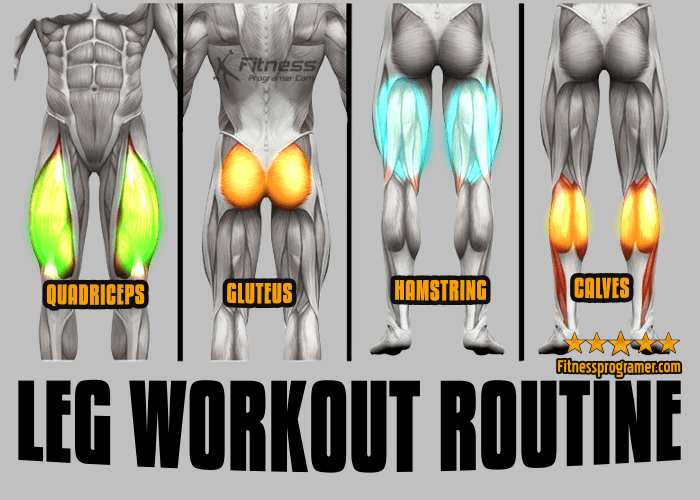
Calves aren’t one muscle but a powerhouse duo: the diamond-shaped gastrocnemius (visible when flexed) and the soleus beneath it. Both merge into your Achilles tendon, powering every jump and sprint. Here’s why they defy growth: 70-80% slow-twitch fibers make them endurance champions that laugh at low-rep training. Your daily walking already conditions them—meaning you need strategic volume spikes, not gym-style heavy lifting, to spark growth.
How Daily Activity Sabotages Your Calf Gains
Walking and standing engage calves in endurance mode, reinforcing their slow-twitch dominance. Without targeted overload, they plateau fast. Critical fix: Train calves 3-6x weekly with 50-200 total reps per session. Start with bodyweight volume before adding resistance—your living room floor becomes the ultimate growth lab.
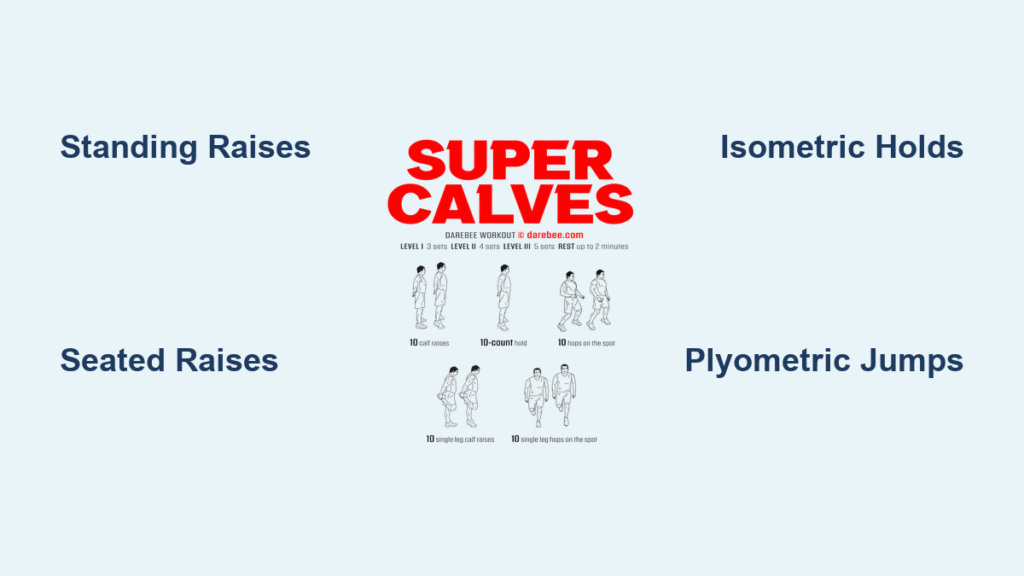
5 Bodyweight Calf Exercises That Work in Your Living Room
Standing Calf Raises on Books or Stairs
Stand on a thick book or bottom stair step with heels hanging off. Rise explosively onto toes, pause for a 2-count squeeze, then lower heels 2 inches below step level. Key visual cue: Feel the full stretch in your Achilles tendon at the bottom position. Hit 3 sets of 15-25 reps. Progress when easy: Shift to single-leg raises or slow your tempo to 3 seconds up, 2 seconds hold, 3 seconds down.
Seated Calf Raises Using Household Weight
Sit on a chair with a heavy backpack (filled with books or water bottles) across your thighs. Lift heels while keeping knees bent 90 degrees—this bends the knee to isolate your soleus. Lower slowly until you feel a deep stretch. Aim for 3 sets of 20-30 reps. Pro tip: No backpack? Drape towels over your thighs and tie canned goods to the ends for instant resistance.
Wall-Supported Single-Leg Raises for Balance
Face a wall, place one hand lightly on it, and lift one foot off the floor. Perform calf raises on your standing leg while maintaining a slight forward lean. Critical mistake to avoid: Don’t let your knee cave inward—keep it tracking over your second toe. Do 3 sets of 10-12 reps per leg. Why this works: Eliminates cheating through hip movement, forcing pure calf engagement.
Invisible Jump Rope for Explosive Power
Mimic jump rope motions without equipment: stay on the balls of your feet with knees slightly bent, bouncing rapidly while minimizing ground contact time. Form focus: Land softly like a cat, absorbing impact through ankles (not knees). Start with 3 sets of 30 seconds. Advanced hack: Point toes inward during jumps to target the medial (inner) gastrocnemius head.
Isometric Calf Holds for Time-Under-Tension
Rise onto your toes against a wall, then hold the peak contraction for 30-60 seconds. Visual indicator: Stop when your calves start trembling violently. Rest 60 seconds and repeat. Do 3-4 holds. Progression path: Move from double-leg to single-leg holds as strength improves—this burns through plateaus faster than added weight.
Advanced Home Calf Training Tactics
Plyometric Power Moves Without Equipment
Single-leg bounds: Leap forward on one foot, driving maximum force through your forefoot. Land on the same foot and bound again immediately. Do 3 sets of 10-12 bounds per leg. Warning: Never attempt on hard surfaces—use carpet or grass to protect Achilles tendons.
Pogo jumps: Stay on your toes with legs nearly straight, performing rapid micro-jumps. Keep ground contact under 0.2 seconds. Aim for 3 sets of 25 jumps. Pro tip: Imagine bouncing on hot coals—this reduces knee bend and maximizes calf recruitment.
Slow Eccentric Lowering for Muscle Damage
Rise onto both toes, shift weight to one foot, then take 5 full seconds to lower your heel. Critical detail: Control the descent even when fatigued—this triggers 40% more growth signals than concentric lifting alone. Do 3 sets of 8-10 reps per leg. When to use: Always on your final set of standing raises.
Home Calf Programming That Delivers Results
Beginner Plan (Zero Equipment, 3x Weekly)
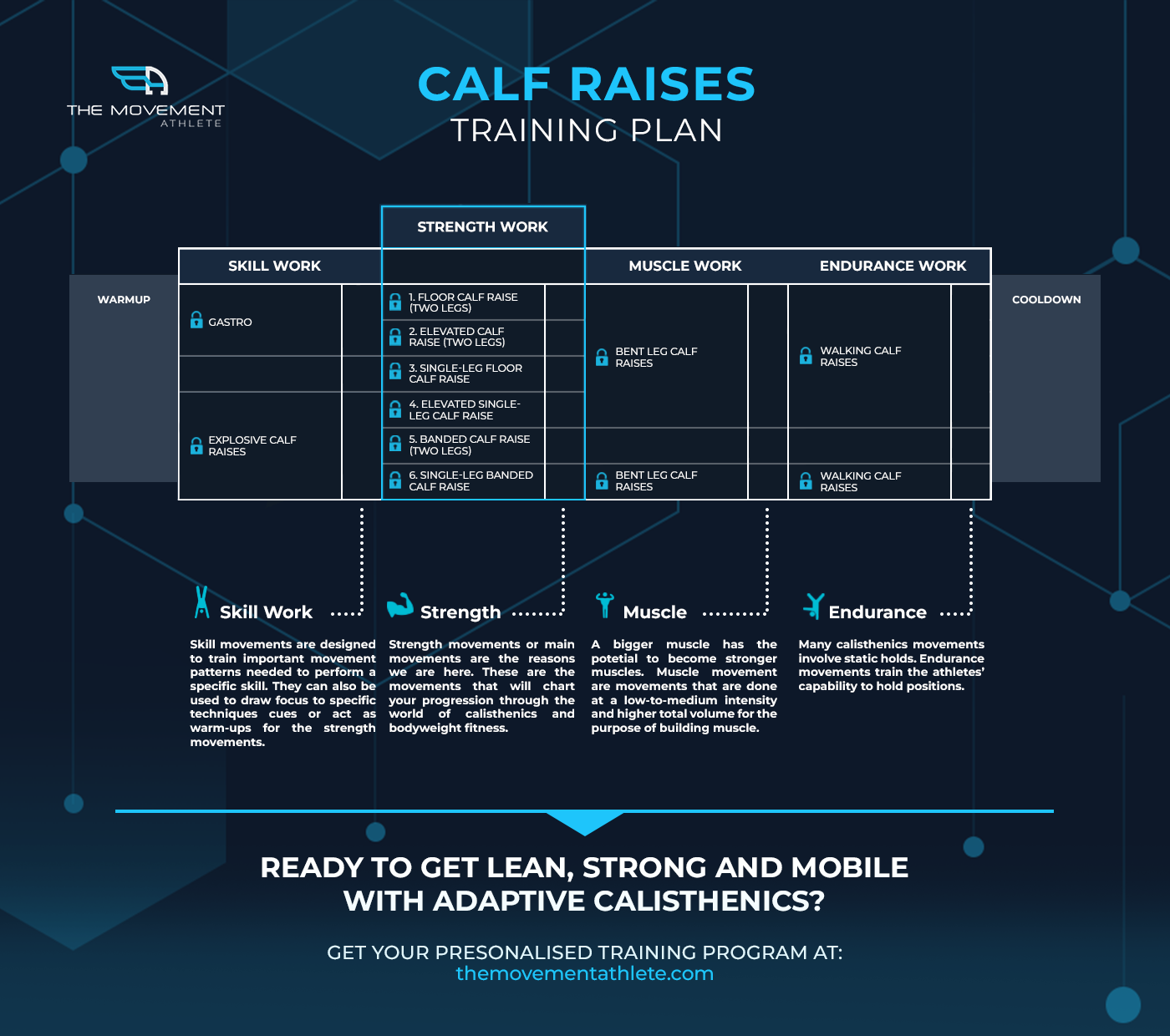
- Monday/Thursday: Standing raises 3×20 + Seated raises 3×25 + Invisible jump rope 3x30s
- Wednesday/Friday: Wall-supported single-leg raises 3×10/leg + Isometric holds 3x30s
Time commitment: 12 minutes per session. Key progression: Add 5 reps per set weekly until hitting 25 reps on standing raises.
Plateau-Busting Technique for Stubborn Calves
When progress stalls after 4 weeks:
1. Add rest-pause sets: Do max reps, rest 15 seconds, then continue
2. Rotate foot positions: Try toes-in (emphasizes inner calf) and toes-out (hits outer head)
3. Train calves post-workout when fresh—never as an afterthought
Avoid this critical error: Skipping soleus work. Your soleus comprises 60% of calf mass but only activates with bent knees. Always include seated raises in your routine.
Recovery Protocol to Prevent Overtraining
:max_bytes(150000):strip_icc()/TheRunnersHamstringandCalfStretch_annotated-578201c10e3941509f59659b171190e5.jpg)
Post-Workout Stretches That Accelerate Growth
Stair stretch: Stand on a step with heels lowered below edge. Hold 45 seconds until you feel a deep pull from knee to heel. Repeat 3x. Why it works: This dual-muscle stretch (gastrocnemius + soleus) improves range of motion for fuller contractions.
Towel stretch: Sit with legs straight, loop a towel around balls of feet. Gently pull until stretch hits mid-calf. Hold 30 seconds. Frequency: Do this daily—especially before bed—to reduce morning stiffness.
Hydration Strategy to Stop Cramps
Drink 16oz water immediately post-workout with a pinch of salt. Calves cramp when dehydrated due to their high fiber density. Pro tip: Add electrolytes during high-volume sessions—your calves will recover 30% faster.
Tracking Your Calf Growth (Beyond the Mirror)
Measure at the calf’s thickest point weekly with a tape measure—first thing in the morning before swelling. Realistic benchmarks:
– 0.5-inch gain in 8 weeks = significant progress
– 50+ consecutive bodyweight raises = beginner milestone
– 2-minute continuous jump rope = endurance breakthrough
Photo proof: Take monthly front/side calf photos in consistent lighting. Definition often appears before size increases—this prevents discouragement.
Strong calves aren’t built in gyms—they’re forged through relentless consistency at home. Start tomorrow with the beginner plan: 12 minutes of targeted volume 3x weekly. Within 30 days, you’ll feel explosive power in your jumps and see definition in your mirror. Your living room isn’t just a space—it’s your calf-building command center. Those diamond-shaped lower legs? They’re waiting for your first rep.