Staring at a sink full of murky dishwater or a shower that won’t drain is maddening—especially when you know a plumber’s visit could cost $150+ for what should be simple. The good news? 90% of household clogs yield to DIY methods using items already in your kitchen or hardware store for under $20. You don’t need harsh chemicals that corrode pipes or risk flooding your bathroom with failed attempts.
Most blockages happen within the first 20 feet of your drain—where hair, grease, and soap scum accumulate in accessible pipes. This guide cuts through the fluff to deliver proven, step-by-step techniques that restore flow fast. Whether you’re battling a kitchen sink clogged with grease or a shower backing up with hair, you’ll get targeted solutions with exact timing, tool requirements, and visual cues so you know they’re working.
Stop Your Sink From Backing Up: Baking Soda & Vinegar Power Combo
This kitchen staple duo creates a fizzy carbon dioxide reaction that physically shatters clogs without pipe damage. Works best on organic matter like food scraps or soap scum and costs pennies per use.
Execute the 45-Minute Clog-Busting Sequence
- Clear standing water using a cup or wet/dry vacuum (essential for contact)
- Pour 1 cup baking soda directly into the drain opening—aim for the clog zone
- Slowly add 1 cup white vinegar (expect vigorous bubbling—this is the CO₂ breaking apart debris)
- Seal the drain immediately with a wet cloth to trap the reaction
- Wait 45 minutes (minimum 15 for mild clogs; up to 1 hour for severe backups)
- Flush with 2 liters boiling water from a full kettle in one continuous pour
Critical visual cue: If water still drains slowly after flushing, repeat the process. The clog hasn’t fully disintegrated if you see recurring sluggishness. For grease-heavy blockages, boost the formula with ½ cup salt mixed into the baking soda before adding vinegar—it acts as an abrasive scrubber.
Break Down Grease Clogs With Dish Soap and Boiling Water
Grease solidifies into concrete-like blockages that resist vinegar. This 5-minute kitchen sink fix leverages dish soap’s fat-dissolving power combined with thermal shock.
Target Fat Buildup in 3 Cycles
- Squirt 2–3 tablespoons liquid dish soap straight into the drain
- Wait 3 minutes to let soap penetrate hardened grease (don’t skip this!)
- Pour 2 liters boiling water steadily—like a controlled waterfall
- Repeat twice more if drainage remains slow (grease requires multiple thermal shocks)
Pro tip: After clearing, run cold water for 30 seconds after every garbage disposal use. Hot water emulsifies grease but cold water solidifies it for easier flushing—counterintuitive but scientifically proven.
Master the Plunger Technique for Immediate Drain Relief
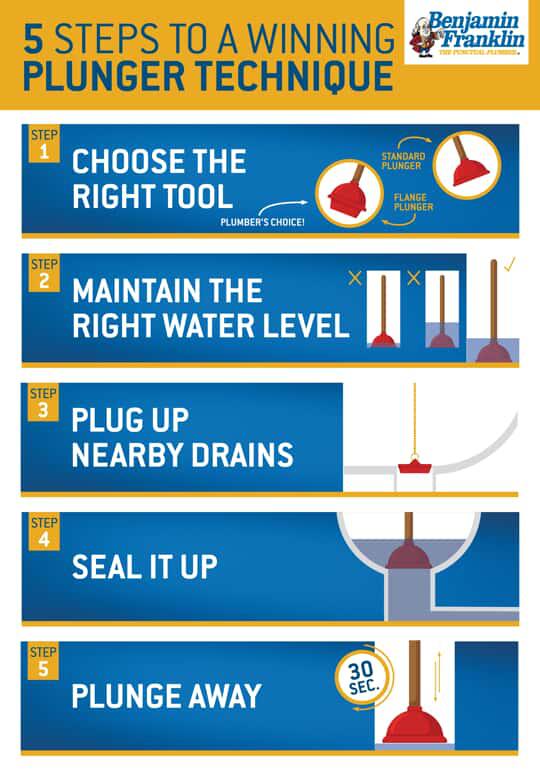
Most people plunge wrong. A sink plunger (flat-rimmed, not bell-shaped like toilet plungers) creates suction that dislodges clogs when used correctly.
Create Maximum Suction in 4 Steps
- Block overflow holes with wet rags (critical for bathroom sinks/tubs)
- Ensure 2 inches of standing water in the basin—this transmits force
- Apply petroleum jelly to the rim for an airtight seal
- Pump rapidly for 20 seconds, focusing 70% effort on the upward pull (creates negative pressure to break clogs)
Troubleshooting: If water gurgles but doesn’t drain, the clog is deeper—move to a drain snake. Stop after 5 attempts; excessive plunging can damage seals.
Remove Hair Clogs in 60 Seconds With a Plastic Drain Snake
Hair and soap scum form “root balls” that vinegar can’t penetrate. A $5 plastic snake (sold as “Zip-It” tools) hooks debris instantly.
Extract Hair Without Disassembly
- Slide the flexible tip 12–18 inches into the drain
- Rotate clockwise while gently pushing—feel for resistance
- Pull slowly upward; barbs will snag hair (expect wet, slimy strands)
- Wipe debris on a rag and repeat until clean
For showers: Insert through the strainer holes. For sinks: Remove the stopper first. Warning: Never force it—if you hit metal, you’ve reached the P-trap. Back off to avoid scratching pipes.
Clean Your P-Trap: The Secret Weapon Against Stubborn Clogs

When surface methods fail, the curved P-trap under sinks traps 80% of clogs. This 10-minute fix avoids chemical damage.
Safely Disassemble Without Leaks
- Place a bucket directly under the P-trap’s lowest point
- Loosen slip nuts by hand (righty-tighty, lefty-loosey—no wrenches on plastic!)
- Angle the trap downward slowly—2 cups of murky water will drain
- Scrub interior with an old toothbrush until smooth
- Reassemble hand-tight and run water for 2 minutes to check leaks
Critical check: If water pools under the trap after reassembly, tighten nuts slightly—over-tightening cracks PVC.
Kitchen Sink Clog? Target Grease and Food Particles First
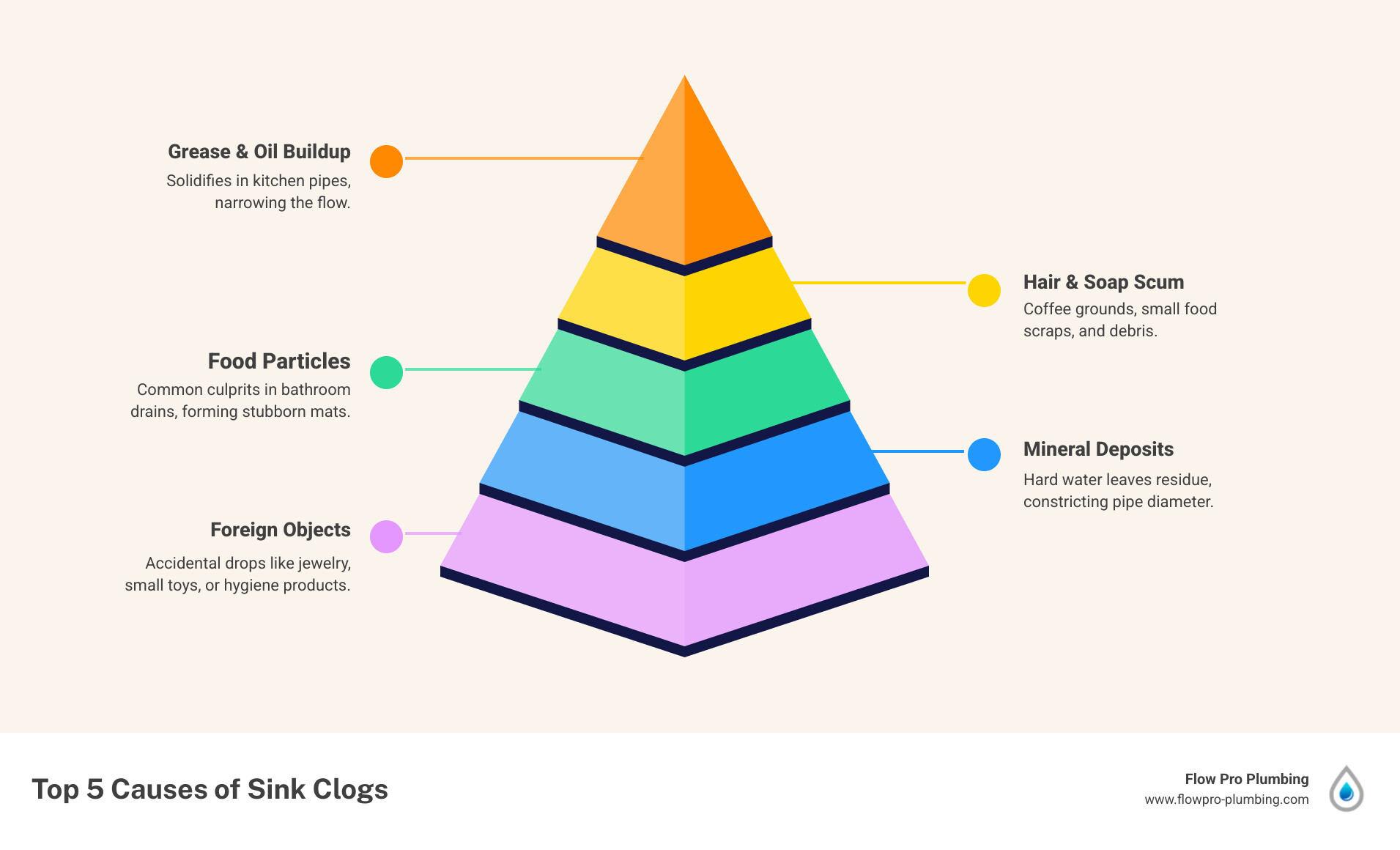
Grease + coffee grounds = cement. Start here before touching other methods:
– Flush with dish soap + boiling water (as detailed above)
– Check garbage disposal—run with ice cubes to sharpen blades
– Remove the stopper assembly (often hidden under sinks) to clear trapped debris
– Install a fine-mesh strainer—catches particles before they enter pipes
Never pour grease down drains—even “hot” grease solidifies in pipes. Wipe pans with paper towels first.
Bathroom Sink and Shower Drain Rescue: Hair and Soap Scum Fixes
Monthly maintenance prevents 75% of bathroom clogs:
– Use plastic snakes weekly (keep one in each bathroom)
– Run baking soda + vinegar monthly (½ cup each, 30-minute wait)
– Install hair catchers—they cost $2 and stop 90% of hair clogs
– For hard water areas: Add ¼ cup citric acid after vinegar to dissolve mineral scale
Shower-specific tip: If water drains slowly even after snake use, pour 2 cups boiling water down the overflow plate—it clears secondary blockages.
Prevent Future Clogs With 5-Minute Weekly Maintenance
Spend 5 minutes weekly to avoid 2-hour emergencies:
– After each shower: Pull visible hair from strainers
– Every Sunday: Pour ½ cup baking soda down drains followed by ½ cup vinegar
– Monthly: Flush with 4 liters hot water while running the tap
Eco-win: These non-toxic methods protect septic systems and prevent pipe corrosion from chemical cleaners.
When to Skip Chemicals and Call a Professional
Stop DIY attempts immediately if you see:
– Sewage odors from multiple drains
– Water backing up in toilets when sinks drain
– Gurgling sounds from pipes
– Recurring clogs within 48 hours
Cost reality: A $200 plumber visit prevents $5,000 water damage from burst pipes. Schedule professional main-line cleaning every 2 years even without symptoms—it’s cheaper than emergency repairs.
Most drain clogs resolve in under 30 minutes using these methods. Start with baking soda/vinegar for general clogs, escalate to mechanical tools for hair or grease, and always prioritize prevention with weekly maintenance. You’ll keep pipes flowing freely, avoid toxic chemicals, and save hundreds annually on service calls. For persistent backups beyond your P-trap, call a pro—your wallet and home will thank you.