Your child comes home scratching their head. You check behind their ears and spot tiny white specks clinging to hair strands. Head lice—every parent’s nightmare. Before panic sets in, know this: lice infestations are completely treatable at home with the right approach, and you’re not alone. Millions of families successfully eliminate these pests each year using proven methods. Head lice are parasitic insects that feed on blood from the scalp, but they don’t transmit disease and aren’t related to poor hygiene.
This guide walks you through evidence-based home treatment strategies that actually work, from identifying the problem to preventing future infestations. You’ll learn exactly what to buy, how to apply treatments correctly, and when to call in professional help. Knowing how to treat lice at home properly can save you time, money, and unnecessary stress while ensuring complete elimination of these persistent pests.
Spot Live Lice and Nits Before Treatment
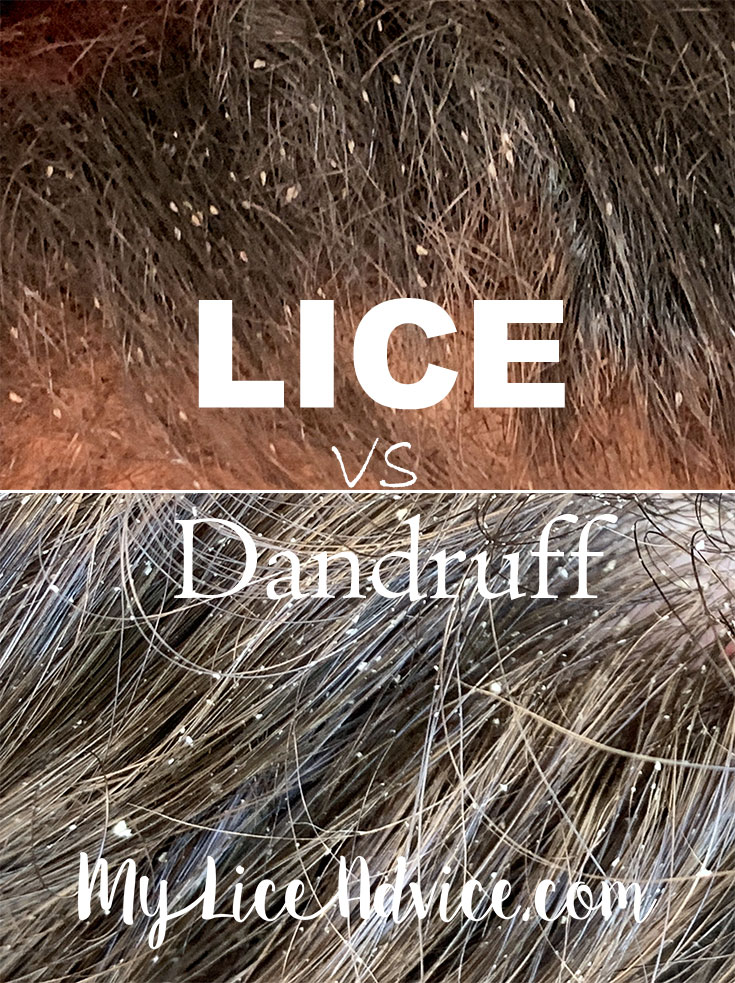
Identify Lice vs Dandruff Quickly
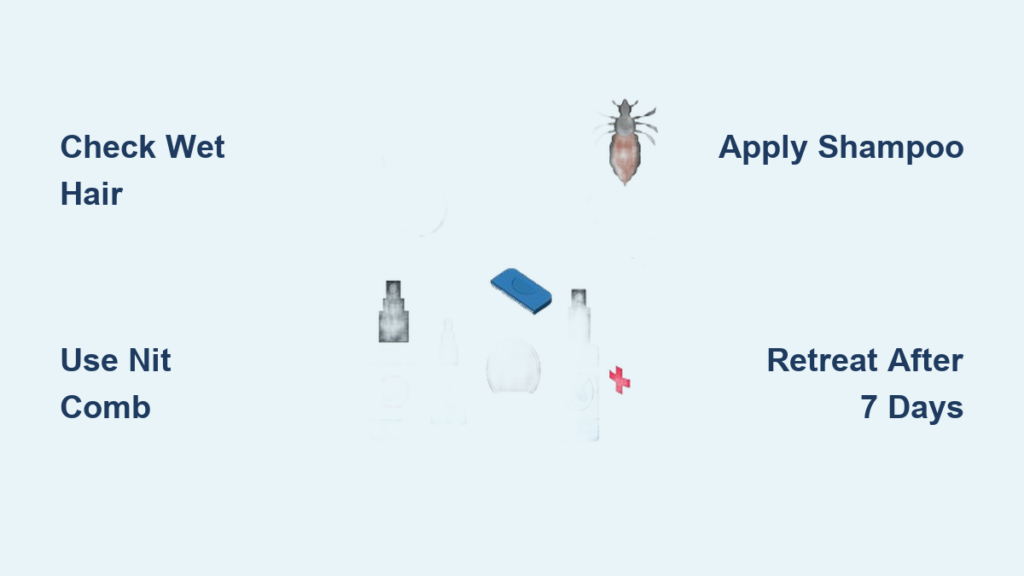
Check wet hair under bright light using a fine-toothed comb. Live lice are sesame-seed sized, gray or tan, and move quickly. Nits (eggs) appear white, yellow, or brown and stick firmly to hair strands—unlike dandruff, they won’t flake off when touched. The primary symptom of head lice is persistent scalp itching caused by allergic reactions to louse saliva.
Key Checking Areas for Complete Inspection
Focus your inspection behind ears, at the nape of the neck, and along the hairline. These warm spots are lice favorites. Comb through small sections, wiping the comb on white paper after each pass to spot any insects or eggs. Lice and nits are most commonly found in these areas because they provide the ideal temperature for survival and reproduction.
When to Start Treatment Immediately
Begin treatment immediately if you find live lice or nits within ¼ inch of the scalp. Waiting allows the infestation to worsen and spread to family members. Adult lice can survive only 1-2 days without a human host, but they reproduce quickly—each adult female can lay 5-10 eggs per day near the scalp. Early intervention is critical to breaking this cycle.
Choose Effective OTC Treatments That Work
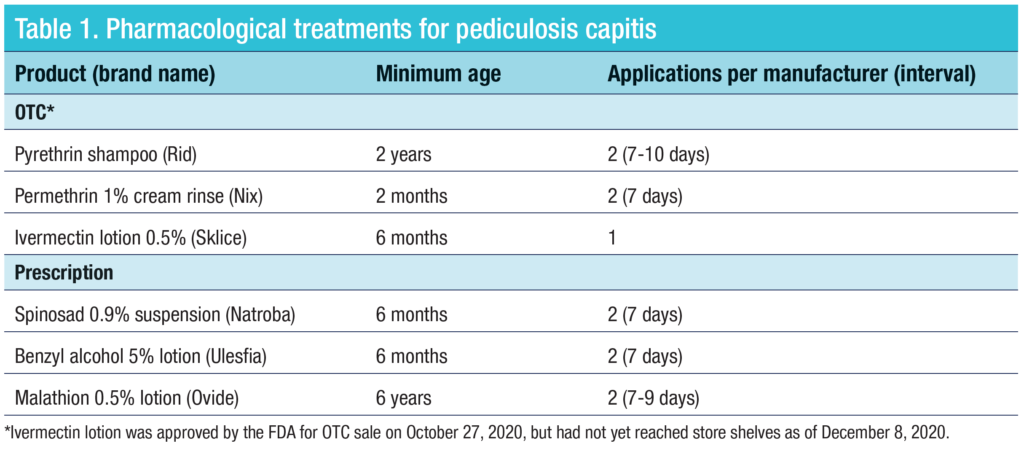
Lice-Killing Shampoos That Eliminate Infestations
Select shampoos containing pyrethrin or permethrin for first-time treatments. These kill both lice and eggs, potentially eliminating the need for retreatment. Read labels carefully—some products kill only adult lice, requiring follow-up treatment. Over-the-counter shampoos, creams, and lotions specifically designed to kill lice are widely available, but not all work the same way.
Application Success Tips for Maximum Effectiveness
Remove clothing that could get stained. Apply shampoo to dry hair, starting behind ears and at the neck. Work through hair section by section. Shoulder-length or longer hair may require two bottles. Set a timer—leaving treatment on too short reduces effectiveness; too long risks scalp irritation. Following package directions precisely is crucial for successful treatment.
First Treatment Results to Monitor
Check hair 8-12 hours after treatment. Slow-moving lice indicate success. Remove dead insects with a fine comb. If lice remain active, the treatment may be ineffective—don’t reapply immediately. Consult a doctor first. Common reasons for treatment failure include misdiagnosis, recent use of conditioner before treatment, or failure to follow instructions precisely.
Comb Out Nits Like a Professional
Essential Combing Tools for Complete Removal
Use a specialized nit comb or metal flea comb. Plastic combs bend and miss nits. Apply conditioner or hand lotion to wet hair for two minutes before combing—this immobilizes lice and makes nits slide out easier. This step is critical even when using treatments that claim to kill both lice and eggs.
Proper Combing Technique for Thorough Results
Divide hair into 1-inch sections. Comb from scalp to tips, wiping the comb on a white paper towel after each pass. Focus extra attention on areas where lice congregate. Repeat every 2-3 days for 2-3 weeks to catch newly hatched lice. This persistent combing breaks the life cycle by removing newly hatched lice before they mature and reproduce.
Speed Combing Shortcuts for Busy Families
For thick hair, detangle first with a wide-tooth comb. Work in bright natural light or use a headlamp for better visibility. Keep a bowl of hot, soapy water nearby to clean the comb between sections. This routine takes about 30 minutes per session but significantly increases your chances of complete eradication.
Retreat Without Over-Treating
Follow-Up Timing Rules to Prevent Resistance
If your treatment kills both lice and eggs, retreat only if live lice appear days later. For treatments that kill only adult lice, retreat after 7-9 days to eliminate newly hatched lice before they reproduce. Multiple treatment failures may indicate lice resistance to medication, requiring a different approach.
Signs Treatment Failed and Needs Adjustment
Active lice after 12 hours, new nits appearing daily, or persistent itching despite treatment indicate failure. Common causes include using conditioner before treatment, resistance to medication, or incomplete application. Never apply multiple treatments simultaneously—this can damage the scalp and increase resistance.
Switch Treatments Safely for Complete Elimination
Wait the recommended interval before trying a different product. If OTC treatments fail twice, contact your doctor for prescription options like spinosad, which doesn’t require nit removal. Prescription medications provide stronger formulations when over-the-counter options prove ineffective.
Clean Your Home Thoroughly to Prevent Reinfestation
/removing-head-lice-from-clothes-2146206_FINAL-5baa9865c9e77c002439f1b6-83d6d0d75f534336a120db394d41a57d.png)
Wash Everything Hot for Complete Decontamination
Machine wash clothing, bedding, and towels used within two days before treatment. Use water at least 130°F (54°C) and high-heat drying. This kills both lice and eggs effectively. Items that cannot be washed should be dry-cleaned or sealed in plastic bags for two weeks.
Bag Items You Can’t Wash Properly
Seal unwashable items in plastic bags for two weeks. Lice die within 1-2 days without a host, but eggs can survive up to 10 days. This breaks the life cycle completely. Remember that vacuuming floors and furniture is sufficient for areas where infested people sat or lay—no need for excessive chemical cleaning.
Disinfect Hair Tools to Stop Transmission
Soak combs, brushes, and hair accessories in hot water (130°F) for 10 minutes. Alternative: coat them with lice shampoo for 15 minutes, then rinse thoroughly. Never share these items during treatment. The CDC warns against using fumigant sprays or foggers, as these release toxic chemicals that can harm your family.
Avoid Common Home Remedies That Waste Time
Myths That Lead to Treatment Failure
Mayonnaise, olive oil, butter, and similar substances have no scientific evidence supporting their effectiveness. The CDC states these methods may suffocate some lice but won’t eliminate eggs, leading to reinfestation. While some parents use tea tree oil or coconut oil as preventive measures, these won’t treat active infestations.
Dangerous Mistakes That Risk Health
Never use fumigant sprays or foggers—these release toxic chemicals that can harm your family. Skip gasoline, kerosene, or other dangerous substances often suggested online. These home remedies can cause skin irritation, chemical burns, or other health complications without effectively eliminating lice.
Treat Infants and Toddlers Safely
Age-Specific Guidelines for Young Children
Consult your pediatrician before treating babies under 2 months. Some treatments are too strong for young scalps. Your doctor may recommend manual removal only for very young children. Head lice infestations in infants require special care due to their sensitive skin and developing systems.
Gentle Removal Methods for Sensitive Scalps
Use a soft baby brush and plenty of conditioner. Work in small sections during naptime when babies are calm. Check twice daily since infants can’t communicate itching effectively. Manual removal techniques become especially important for very young children who may not tolerate medicated treatments.
Know When to Call Doctors for Professional Help
Red Flag Symptoms Requiring Medical Attention
Contact your healthcare provider if treatments fail twice, signs of infection appear (fever, excessive scratching causing open sores), or you’re unsure which treatment to use for your situation. Secondary bacterial infections from excessive scratching may require antibiotics.
Prescription Options for Persistent Infestations
Doctors can prescribe stronger treatments like spinosad or ivermectin when OTC options fail. These often work faster and may eliminate the need for nit combing entirely. Many insurance plans cover prescription lice treatments, and generic options are often available at lower cost.
Maintain Lice-Free Hair Long-Term
Weekly Prevention Routine That Works
Check all family members’ hair weekly using a lice comb. This takes 5 minutes per person and catches problems early. Focus on kids who attend school or daycare. While complete prevention is challenging, regular checking helps identify infestations before they become severe.
Smart Hair Habits to Reduce Risk
Keep long hair braided or in ponytails during school. Use lice-repelling sprays containing tea tree or peppermint oil as added protection, especially during outbreaks. Encourage children to avoid head-to-head contact during play and not share personal items that touch the head.
Final Thoughts: Treating lice at home succeeds when you act quickly, follow instructions precisely, and complete the full process. Most infestations clear within 2-3 weeks using these proven methods. Remember, lice don’t indicate poor hygiene—they simply spread through close contact. With patience and persistence, your family will be lice-free and better prepared for any future encounters. Keep a lice treatment kit ready (nit comb, lice shampoo, shower caps, and plastic bags) so you can act within 24 hours of discovery, significantly reducing treatment time and preventing family-wide infestations.