
That burning, itchy sensation on your toes after stepping outside on a chilly morning isn’t just dry skin—it’s likely chilblains. These painful red-purple patches can make every step uncomfortable, especially when they crack or blister. The good news? Most cases respond beautifully to simple home treatments within weeks. This guide walks you through proven methods to soothe your toes, prevent complications, and stop future flare-ups—using only what you already have at home.
Stop Cold Damage Now

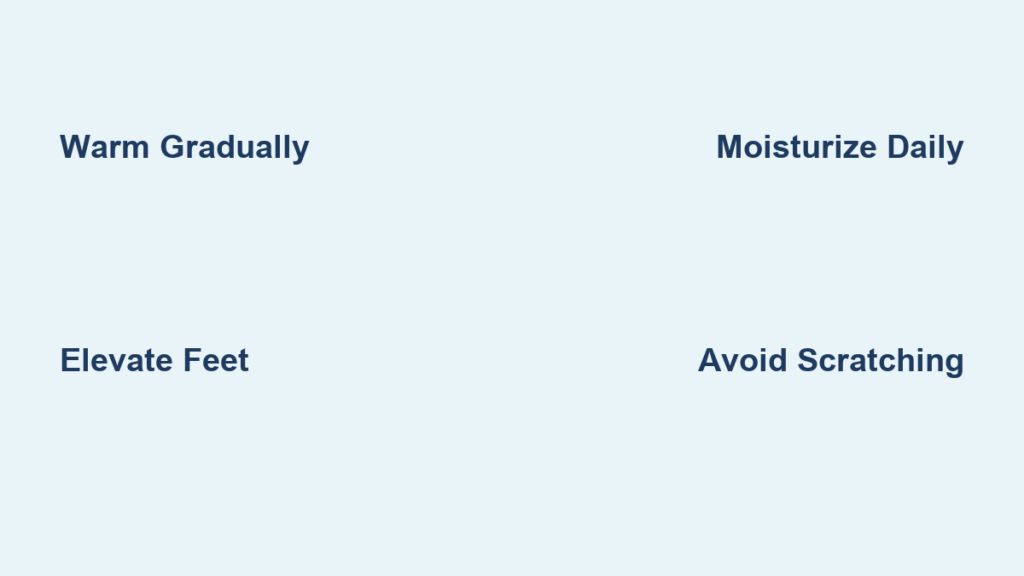
Warm Feet Safely Without Worsening Symptoms
Sudden heat can actually make chilblains worse by causing additional blood vessel damage. Instead, warm your toes gradually with these practical steps:
– Slip on thermal socks before getting out of bed to avoid cold shock
– Soak feet in lukewarm (not hot) water for 10-15 minutes—test temperature with your elbow
– Gently massage toes starting from the heel moving toward the toes to stimulate circulation
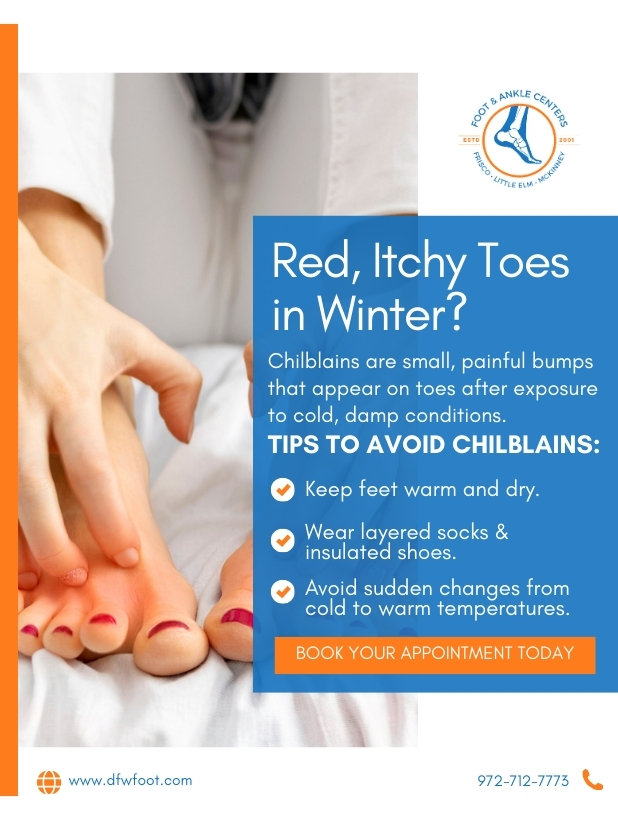
– Keep room temperature consistent—avoid moving between extremely cold and hot environments
Critical warning: Never apply direct heat like heating pads or hot water bottles to chilblain-affected toes. Your damaged skin has reduced sensation and can burn before you realize it.
Elevate to Reduce Swelling and Improve Circulation
Prop your feet on pillows whenever sitting to help drain excess fluid from inflamed tissues. For best results, keep feet elevated above heart level for 20 minutes, 3-4 times daily. This simple trick significantly speeds healing by improving blood flow away from the affected areas and reducing painful swelling.
Protect from Further Cold Exposure Immediately
Your damaged toes need constant protection to heal properly:
– Layer thin, moisture-wicking socks over cotton ones for optimal temperature regulation
– Avoid tight shoes that restrict blood flow—opt for wider toe boxes
– Change damp socks immediately, even if it means carrying extras
– Use foot warmers when outdoors—but place them over socks, never directly on skin
Soothe Pain and Itching Naturally
Gentle Daily Moisturizing Routine for Healing Skin
Dry, cracked skin invites infection, which can turn a simple chilblain into a serious problem. Follow this daily protocol:
– Wash feet with mild, fragrance-free soap in lukewarm water
– Pat dry thoroughly with a clean towel (rubbing irritates chilblains)
– Apply thick, unscented moisturizer like petroleum jelly while skin is slightly damp
– Focus extra attention on affected areas and between toes where moisture collects
Pro tip: Petroleum jelly works wonders as a protective barrier overnight—apply generously before bed and wear loose cotton socks.
Effective Anti-Itch Strategies That Won’t Damage Skin
Scratching feels tempting but can break the skin and lead to infection:
– Apply cool (not ice-cold) compresses for 5-10 minutes to reduce inflammation
– Try calamine lotion for immediate itch relief and minor antibacterial protection
– Keep nails trimmed short to minimize damage if you scratch unconsciously
– Keep a stress ball or fidget toy nearby to redirect the urge to scratch
Kitchen Remedies for Natural Soothing
Several household items reduce inflammation safely:
– Oatmeal soak: Mix colloidal oatmeal in lukewarm water for 15-minute foot baths to calm irritated skin
– Aloe vera gel: Apply pure gel twice daily for cooling relief and to promote healing
– Honey bandage: Dab raw honey on cracked areas (which has natural antibacterial properties), cover with gauze overnight
Prevent Infection Risk with Proper Care
Daily Toe Inspection Checklist
Check your toes every morning for warning signs of infection:
– Increased redness, warmth, or swelling around chilblains
– Yellow/white pus or unusual drainage
– Red streaks extending from affected areas toward your foot
– Fever or chills accompanying toe pain
Red flag: If chilblains develop blisters or open sores, cover with sterile bandages immediately and avoid applying home remedies directly to broken skin.
Clean Care Protocol for Healing
- Always wash hands thoroughly before touching affected toes
- Use separate towels for feet to prevent spreading bacteria
- Change bed socks daily to maintain cleanliness
- Sterilize nail clippers with alcohol before use near affected areas
Speed Healing with Smart Daily Habits
Circulation-Boosting Exercises You Can Do Anywhere
Better blood flow equals faster recovery:
– Wiggle toes for 2-3 minutes every hour while awake
– Perform ankle circles and foot flexing exercises while sitting
– Avoid crossing legs when sitting, which restricts circulation
– Take short indoor walks every hour to keep blood moving
Nutrition That Repairs Skin from Within
Support healing with these dietary choices:
– Increase vitamin C intake (citrus fruits, berries, bell peppers) for collagen production
– Add omega-3 rich foods (salmon, walnuts, flaxseeds) to reduce inflammation
– Stay hydrated—aim for 8-10 glasses of water daily to maintain skin elasticity
– Limit caffeine and alcohol, which constrict blood vessels and slow healing
Wardrobe Adjustments That Actually Work
The Right Sock Strategy for Chilblain Recovery
The right socks make or break your recovery:
– Cotton first layer: Absorbs moisture against skin
– Wool second layer: Insulates without overheating
– Avoid synthetic blends: Trap sweat and irritate sensitive skin
– Change midday: Fresh socks prevent moisture buildup that worsens symptoms
Smart Shoe Selection for Pain-Free Walking
- Choose shoes with wide-toe boxes to prevent pressure on inflamed areas
- Add removable insulated insoles for extra warmth without tightness
- Always test fit shoes with both sock layers you’ll wear
- Rotate shoes daily to ensure complete drying between uses
When Home Treatment Isn’t Enough
The Three-Week Healing Timeline
Most chilblains heal within 1-3 weeks with consistent home care. If your symptoms persist beyond three weeks despite following these home treatment methods, schedule a doctor visit. Mark your calendar when symptoms first appear to track healing progress accurately.
Infection Warning Signs Requiring Immediate Care
Seek medical attention immediately for:
– Spreading redness or red streaks moving up your foot
– Pus or foul-smelling drainage from affected areas
– Fever over 100.4°F (38°C)
– Severe pain preventing sleep or daily activities
– Blackening or dead-looking tissue, which indicates serious tissue damage
Stop Future Flare-Ups Before They Start
Pre-Winter Preparation That Prevents Chilblains
Start prevention 2-3 weeks before cold weather arrives:
– Stock up on thermal socks in multiple thicknesses for varying conditions
– Inspect and replace worn winter footwear before the first cold snap
– Check home heating systems to ensure consistent indoor temperatures
– Create a “cold weather emergency kit” for your car with extra socks and hand warmers
Daily Prevention Routine for Cold Months
- Apply moisturizer morning and night to maintain skin barrier
- Check weather forecasts before dressing to choose appropriate layers
- Keep spare dry socks at work or school for unexpected dampness
- Plan indoor warm-up breaks during outdoor activities lasting more than 15 minutes
Long-Term Management for Recurring Chilblains
Seasonal Acclimatization Technique
Gradually expose feet to cooler temperatures over 2-3 weeks each fall. Start by wearing lighter socks for short periods, then build up tolerance. This gentle conditioning may reduce your sensitivity to temperature changes that trigger chilblains.
Essential Emergency Kit for Chilblain-Prone Toes
Keep these items in your bag or car during cold months:
– A pair of thermal socks
– Pocket hand warmers (use over socks, not directly on skin)
– Travel-size unscented moisturizer
– Spare dry socks made of natural fibers
Bottom line: Most toe chilblains respond beautifully to consistent, gentle home care within weeks. The key lies in gradual warming, diligent moisturizing, and preventing further cold damage. While these patches look alarming, they’re your body’s protective response—treat them with patience, and they’ll fade away. Remember: When in doubt, especially with signs of infection or non-healing wounds, trust your instincts and seek professional care. Your toes will thank you for taking this how to treat chilblains on toes at home approach seriously.



