
Spotting expired milk in the fridge or unopened bills piling up signals it’s time to learn how to take care of elderly at home. When your independent parent suddenly struggles with daily tasks, creating a safe, supportive environment becomes urgent—not just for their wellbeing, but to protect your own sanity. This guide delivers actionable steps to prevent falls, manage medications, and preserve dignity while avoiding the caregiver burnout that impacts 40% of family caregivers. You’ll implement critical safety fixes within 48 hours and establish sustainable routines that keep your loved one thriving at home.
Track Bathing and Dressing Independence for 7 Days
Before buying medical equipment, document exactly where help is needed. Grab a notebook and divide it into six sections: bathing, dressing, eating, toileting, transferring, and walking. For one week, note whether your parent completes each task independently, needs verbal cues, requires physical assist, or is dependent.
Most families spot patterns by day three. Mom might dress herself in the morning but struggle with buttons at night. Dad could shower alone yet avoid baths due to fall fears. Warning: If you observe physical assist needed for two or more activities, prioritize home safety modifications immediately—delays risk serious injury.
Document Critical Kitchen and Money Management Issues
Track instrumental tasks revealing cognitive decline:
– Medication errors: Wrong doses, skipped pills, or double-dosing
– Kitchen hazards: Burned pans, gas left on, spoiled food
– Financial red flags: Unpaid bills, unusual purchases, or missed payments
– Mobility risks: Recent fender-benders or walking difficulties
Pro Tip: Set phone reminders to log observations at consistent times daily. Inconsistencies in meal preparation or bill payments often signal early dementia requiring professional assessment.
Stop Bathroom Falls: Install These 5 Safety Items Immediately
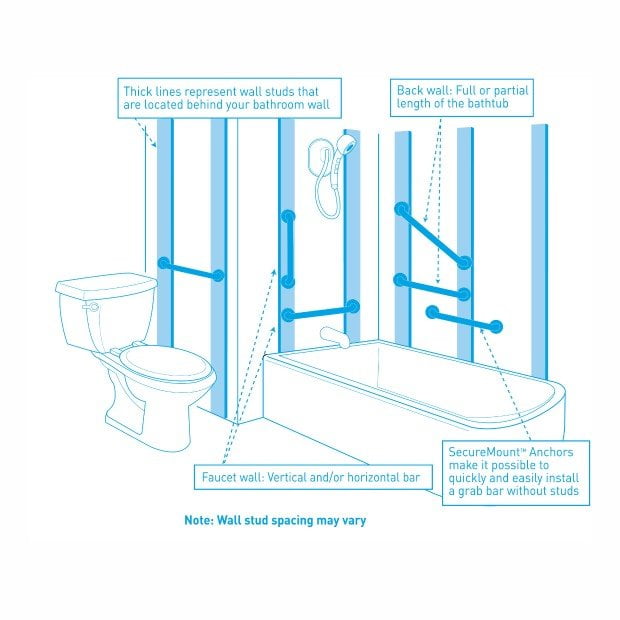
The bathroom causes 80% of home falls. Complete these fixes within 48 hours using basic tools:
- Grab bars: Install stainless steel bars (1.5-inch diameter) inside showers, outside tubs, and beside toilets at 33–36 inch height. Never use towel racks—they collapse under weight.
- Non-slip strips: Apply parallel adhesive strips on tub/shower floors. Test by stepping barefoot—they must grip firmly.
- Height-adjustable shower chair: Ensure back support and non-slip legs. Position within arm’s reach of grab bars.
- Handheld showerhead: Use a 6-foot hose for seated bathing. Set water heater to max 120°F to prevent scalding.
- Raised toilet seat: If knee height exceeds standard toilet height, add a secure seat riser with arms.
Visual cue: After installation, sit on the shower chair and test all grab bars. If you wobble or can’t maintain balance, reposition supports.
Fix Medication Errors: Your 3-Step Daily Pill System

Mismanaged medications cause 125,000 senior deaths annually. Implement this foolproof system:
Step 1: Create a master medication list
Gather every pill bottle (prescription, OTC, supplements). List each drug’s name, dosage, purpose, and prescribing doctor. Discard expired items immediately. Post this list on the refrigerator in 2-inch font for emergencies.
Step 2: Organize doses with timed alarms
Use a 7-day pill organizer with 4 compartments (AM, noon, PM, bedtime). Set phone alarms labeled “Mom’s 2 PM pills” with 10-minute repeats until confirmed taken. Critical: Sync all prescription refills to one monthly date.
Step 3: Prevent dangerous interactions
Bring all medications in a “brown bag” to quarterly doctor visits. Watch for duplicate drugs treating the same condition (e.g., two blood pressure medications). Track new symptoms after dose changes—dizziness or confusion may indicate interactions.
Prevent Malnutrition With Simple Meal Strategies

40% of homebound seniors face malnutrition, increasing hospitalization risk. Combat this with these tactics:
Build Balanced Meals in 15 Minutes
Focus on protein-rich, easy-prep options:
– Breakfast: Greek yogurt with berries + hard-boiled egg
– Lunch: Pre-sliced turkey/cheese sandwiches + microwave soup
– Dinner: Frozen vegetable stir-fry + pre-cooked grilled chicken
Pro Tip: Batch-cook five dinners every Sunday. Freeze portions in labeled containers (contents + date). Thaw one nightly for effortless reheating.
Hydrate Without Nighttime Trips
Dehydration causes confusion and falls. Implement:
– A 64-ounce water bottle marked with hourly goals
– Herbal tea variety packs for flavor without caffeine
– Water-rich snacks: cucumber slices, watermelon chunks
– Stop caffeine after 2 PM to prevent disruptive bathroom trips
Maintain Strength With Chair Exercises (5 Minutes Daily)
Exercise reduces falls by 23% and depression by 30%. Start these doctor-cleared moves:
- Seated leg marches: Lift knees 20 times (10 per leg) while holding chair arms
- Arm circles: Extend arms straight out; make 10 small circles forward/backward
- Ankle rolls: Rotate each ankle 10 times clockwise/counterclockwise
Safety check: Perform all standing exercises (heel-to-toe walks, leg lifts) while holding a countertop. Wear supportive sneakers with non-slip soles—never socks alone. Walk during daylight hours on even surfaces only.
Stop Caregiver Burnout Before It Starts
You can’t support others from an empty cup. Recognize these early burnout signs:
– Physical: Constant headaches, catching every cold
– Emotional: Irritability over minor issues, crying easily
– Mental: Forgetting appointments, inability to concentrate
Build Your Respite Network Now
- Identify 3 family members for task rotation (e.g., “Sister handles Wednesdays”)
- Schedule 4-hour respite blocks weekly using adult day programs
- Join virtual support groups (Alzheimer’s Association offers free sessions)
- Non-negotiable: Keep your own doctor appointments and sleep 7+ hours
Warning: Ignoring burnout symptoms risks your health and your parent’s safety. Accepting help isn’t failure—it’s smart caregiving.
Plan for Professional Help Before Crisis Hits
Most families need outside support within 18 months. Know your options:
| Care Type | Hourly Cost | Covers | Funding Tips |
|---|---|---|---|
| Companion care | $20-$25 | Conversation, safety supervision | Medicaid waivers, veterans benefits |
| Personal care | $22-$28 | Bathing, dressing, toileting | Long-term care insurance |
| Skilled nursing | $45-$65 | Wound care, injections | Medicare (limited coverage) |
Hire right: Verify state licensing, run background checks, and conduct trial shifts. Prioritize providers who offer free initial home assessments to customize care plans.
Create Your 24-Hour Emergency Response Plan
Seconds matter in crises. Prepare now:
- Medical emergencies: Post “911 + medication list” on every phone. Keep a “go bag” ready with 3-day pill supply, insurance cards, and medical IDs.
- Fire drills: Practice monthly evacuations using mobility aids. Designate a neighbor’s driveway as your meeting spot.
- Power outages: Store 72-hour water/food supplies and backup batteries for CPAP machines. Test smoke detectors monthly.
Critical step: Program ICE (In Case of Emergency) contacts into your parent’s phone. Write “ALLERGIES: [LIST]” on the refrigerator in red marker.
Taking care of elderly at home successfully starts with one action today—install bathroom grab bars or organize medications. These immediate steps build momentum toward a safer, more sustainable routine. Remember that accepting professional help ensures your parent receives consistent care while protecting your own health. Your parents nurtured you through childhood; now you have the practical tools to honor that love with dignity, safety, and grace right in their own home. Start small, act now, and trust that each modification brings greater peace for both of you.