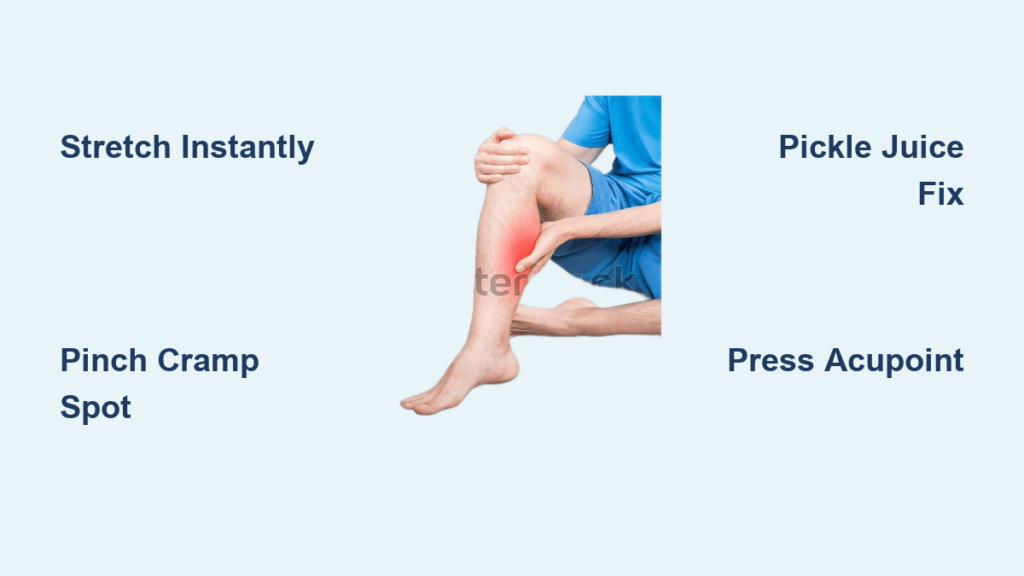
You’re jolted awake at 3 AM by a searing pain in your calf. Your muscle feels like it’s locked in a vise grip, and every movement intensifies the agony. Sound familiar? Leg cramps strike without warning, turning peaceful moments into agony within seconds. Whether you’re an athlete, pregnant, or simply dealing with nighttime spasms, these immediate home remedies can end your suffering in under two minutes—no pharmacy visit required.
This guide reveals proven techniques to stop leg cramps immediately using items already in your home. From pickle juice to pressure points, you’ll discover exactly what works when every second counts.
Stretch Your Way to Instant Relief
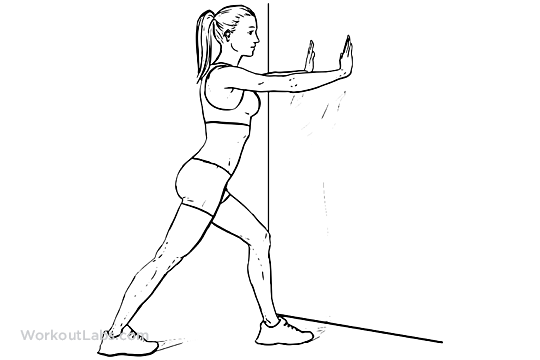
Standing Calf Stretch Technique
Face a wall and plant your palms against it at shoulder height. Step your cramping leg back while keeping your heel flat on the floor. Lean forward until you feel the stretch—hold for 30-60 seconds without bouncing. The key is maintaining steady pressure, not pulsing. For nighttime cramps, perform this stretch with your foot against the headboard while lying in bed.
Pro Tip: Keep a towel by your bed to use for this stretch if you can’t reach the headboard. Simply loop it around your foot and gently pull toward you while lying down. This modified version works especially well when you’re too uncomfortable to stand.
Seated Hamstring Release
Sit on the floor with your affected leg straight. Reach toward your toes while keeping your knee locked. Can’t reach? Loop a towel around your foot and pull gently. Hold this position for 30-45 seconds. The sustained stretch overrides the cramp signal flooding your muscle fibers.
Warning: Don’t force the stretch—this can trigger additional cramping. If you feel pain beyond normal stretching sensation, ease off immediately. The goal is gentle, sustained pressure, not aggressive stretching that might worsen the cramp.
Manual Pressure That Halts Cramps
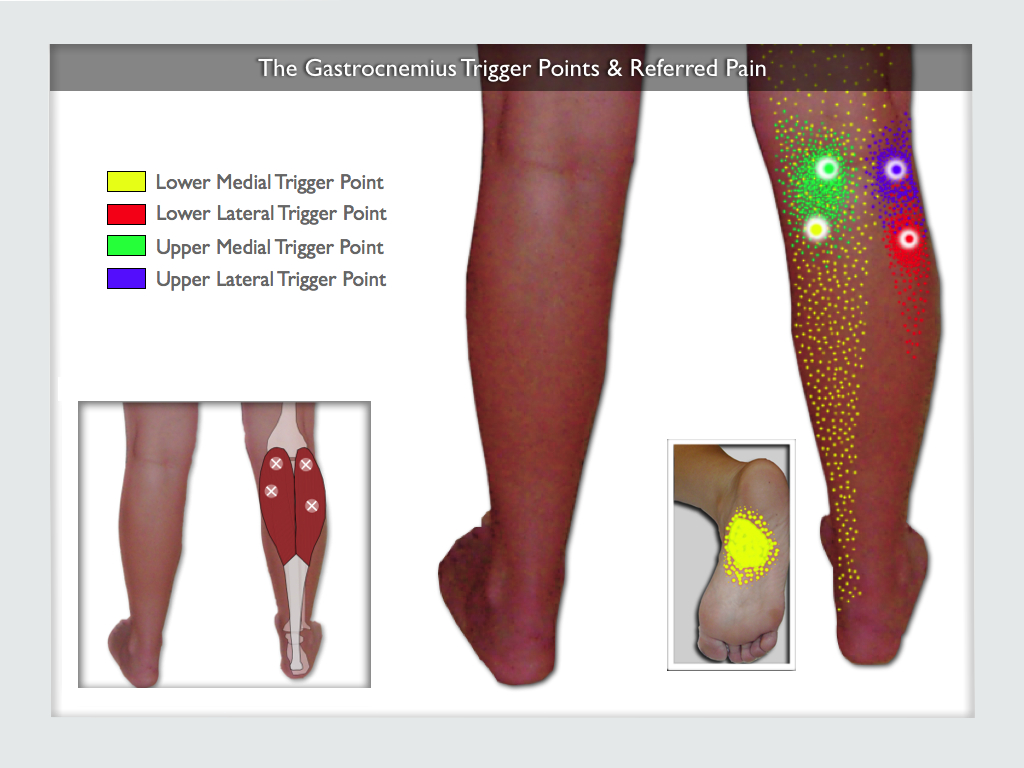
Pinch-and-Hold Method
Locate the exact center of your cramp—it’s usually a hard, tender knot. Pinch this spot firmly between your thumb and fingers for 10-15 seconds. This pressure floods the area with sensory information, essentially “confusing” the nerve signals causing the cramp. Don’t worry about exact timing; hold until you feel the muscle begin to relax.
Pro Tip: Apply this technique while simultaneously stretching the muscle in the opposite direction of the cramp. For calf cramps, pinch the knot while flexing your foot toward your body. This dual approach creates maximum neural interference with the cramp cycle.
Deep Tissue Massage
Using your knuckles or the heel of your hand, press firmly into the cramping muscle. Move in slow circles, working from the far end of the muscle toward your heart. Focus on any small, tender knots you discover—these are trigger points that perpetuate cramps. Spend 2-3 minutes on this technique for maximum effectiveness.
Warning: Avoid using excessive pressure if you notice bruising or extreme tenderness. While firm pressure works best, too much force can cause micro-tears in the muscle tissue, potentially worsening the situation or creating new problems.
Emergency Electrolyte Fixes That Work in Minutes
Pickle Juice Remedy
Drink 1-2 ounces of pickle juice straight from the jar. The acetic acid triggers a reflex that stops cramp signals within 30-85 seconds—even without electrolyte depletion. Keep a small bottle in your nightstand for immediate access during nighttime cramps.
Pro Tip: If the taste overwhelms you, mix the pickle juice with an equal amount of water. The diluted version still works effectively but is easier to swallow in an emergency situation. Don’t substitute vinegar—real pickle juice contains the specific compounds that trigger the neuromuscular response.
Mustard Packet Protocol
Swallow 1-2 packets of yellow mustard (5-10ml each). The turmeric activates special nerve channels that interrupt cramp signals. This remedy works especially well for exercise-induced cramps. The effect kicks in as quickly as 60 seconds after consumption.
Why it works: Mustard contains acetic acid similar to pickle juice, but the turmeric provides additional anti-inflammatory benefits. Keep several packets in your gym bag, car, and desk drawer for instant access when cramps strike unexpectedly during daily activities.
Targeted Pressure Points for Instant Leg Cramp Relief
Hand Pressure Point (LI4)
Find the web between your thumb and index finger. Press firmly at the highest point of the muscle bulge when you squeeze your thumb and finger together. Hold for 1-2 minutes while breathing deeply. This point influences your entire body’s muscle tension and can provide widespread relief.
Pro Tip: Use your opposite hand’s thumb to apply pressure while simultaneously stretching the cramping leg. The dual stimulation creates a powerful neurological override of the cramp signal. Breathe deeply into your diaphragm—shallow breathing can actually exacerbate muscle tension.
Behind-the-Knee Point (BL57)
Find the center crease behind your knee. Press with your middle finger for 1-2 minutes while keeping your leg straight. This point directly influences both your calf and hamstring muscles, making it ideal for thigh cramps.
Why it works: This acupressure point stimulates nerve pathways that connect directly to the muscles commonly affected by cramps. When combined with stretching, it creates a neurological “reset” for the affected muscle group. Apply firm but not painful pressure—you should feel a deep sensation but not sharp pain.
Temperature Therapy for Muscle Relaxation
:max_bytes(150000):strip_icc()/VWH_Illustration_Contrast-Therapy-in-Physical-Therapy_Danie-Drankwalter_Final-e0dfdcae3d364ff3a5cd87c889684b82.jpg)
Hot Water Immersion
Fill your bathtub or a bucket with water between 104-110°F (40-43°C). Submerge your cramping leg for 15-20 minutes. Add 2 cups of Epsom salts to boost magnesium absorption through your skin. The heat increases blood flow and relaxes contracted muscle fibers almost immediately. Test the water temperature with your hand first—too hot can cause burns.
Pro Tip: If you don’t have time for a full soak, use a hot shower directed specifically at the cramping muscle. The running water provides both heat and gentle massage, helping to flush out metabolic waste products that contribute to cramping.
Contrast Therapy Shortcut
Apply a heating pad for 3 minutes, then switch to a cold pack for 1 minute. Repeat this cycle 3-4 times. The temperature fluctuation creates a pumping action that flushes out cramp-causing waste products. This method works exceptionally well when you can’t take a full bath.
Warning: Never apply ice directly to skin—always wrap cold packs in a thin towel to prevent frostbite. This technique is particularly effective for cramps that follow intense exercise when metabolic byproducts have accumulated in the muscles.
Immediate Prevention Tactics That Stop Recurring Cramps
Pre-Cramp Hydration Check
Drink 16-20 ounces of fluid 2 hours before exercise or bedtime. During activities, consume 6-8 ounces every 15-20 minutes. Check your urine—it should be pale yellow. Dark urine indicates you’re already dehydrated and cramp-prone.
Pro Tip: Add a pinch of sea salt to your water during prolonged activities. This maintains electrolyte balance without overloading your system. For nighttime cramps, keep a glass of water with a small pinch of salt by your bedside—sipping it at the first sign of cramping can prevent full-blown spasms.
Dynamic Warm-Up Routine
Before exercise or bed, perform 5 minutes of light movement: march in place, do gentle squats, and swing your legs forward and backward 10 times each. Add 10 ankle circles in each direction. This preparation reduces cramp incidence by up to 50%.
Why it works: These movements increase blood flow to your muscles while activating neuromuscular pathways that prevent the hyperexcitability causing cramps. Even if you’re already in bed, performing ankle circles while lying down can prevent nighttime cramps from developing.
Emergency Kit Essentials for Instant Cramp Relief
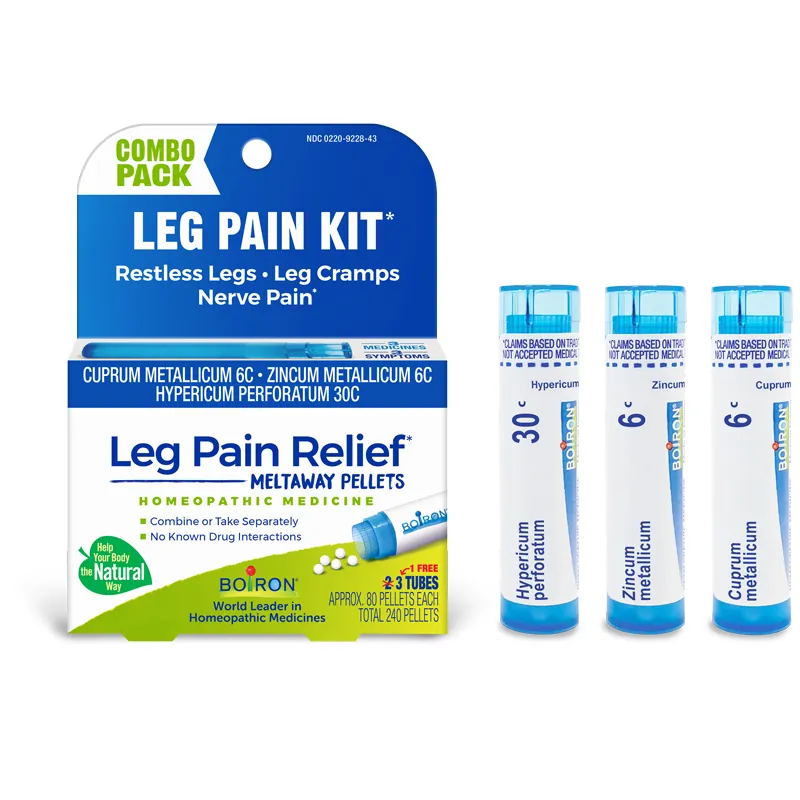
Portable Relief Kit
Assemble these items for instant access:
– Small bottle of pickle juice or mustard packets
– 2-ounce magnesium oil spray
– Instant heat pack (chemical activation)
– Tennis ball for self-massage
– Electrolyte powder packets
– Compression sleeves for immediate support
Pro Tip: Store a mini version of this kit in your car, gym bag, and by your bed. The compact kit should include just the essentials: a single mustard packet, travel-sized magnesium spray, and a small tennis ball that fits in your pocket. Being prepared means you’ll never be caught unprepared when cramps strike.
When to Modify Your Approach for Specific Situations
Heat vs. Cold Decision
Skip heat if you see redness, swelling, or feel unusual warmth in the cramping area. These indicate inflammation—use cold therapy first, then switch to heat after 20 minutes. The cold reduces inflammation while heat relaxes muscle fibers.
Warning: If cramps are accompanied by swelling, redness, or warmth that persists after the cramp subsides, consult a healthcare professional. These could be signs of a more serious condition like deep vein thrombosis that requires medical attention.
Hydration Balance Warning
While dehydration causes cramps, drinking excessive water without electrolytes can trigger them too. Maintain a sodium intake of 2300mg daily unless medically restricted. Balance water intake with electrolyte consumption, especially during heavy sweating.
Pro Tip: When exercising intensely or in hot weather, add a pinch of salt to your water bottle. This maintains proper electrolyte balance without over-salting. For prolonged activities, consider adding a potassium-rich food like a banana to your pre-workout routine.
Final Takeaway: The fastest leg cramp relief combines immediate physical intervention—stretching, pressure, or massage—with rapid electrolyte replacement. Keep your emergency kit stocked, stay ahead of hydration, and practice these techniques regularly. When cramps strike at 3 AM, you’ll transform agony into relief within two minutes, not two hours. Your legs—and your sleep—will thank you. For persistent cramps occurring more than three times weekly, consult a healthcare provider to rule out underlying conditions like nerve compression or mineral deficiencies requiring medical intervention.