Discovering how to start a recovery home begins with understanding its critical role in the continuum of care for individuals overcoming substance use disorders. Unlike clinical treatment centers, licensed recovery homes provide peer-led, structured environments where residents maintain sobriety through community accountability and supportive housing. In Illinois, establishing a legitimate recovery home isn’t optional—it’s a regulated process requiring specific authorization to ensure resident safety and program effectiveness. Without proper licensing, operators risk legal penalties and compromise the very recovery outcomes they aim to support. This guide cuts through the complexity, delivering actionable steps to launch a compliant recovery home that transforms lives through evidence-based peer support.
Navigating how to start a recovery home successfully hinges on three pillars: regulatory compliance, operational structure, and community integration. Many well-intentioned founders stumble by confusing recovery homes with unregulated sober living models or underestimating the licensing rigor. By focusing on Illinois’ specific requirements through the Department of Human Services (IDHS), you’ll avoid costly delays and build a foundation that withstands regulatory scrutiny. Whether you’re a recovery advocate or community health professional, this guide provides the precise roadmap to create a sustainable recovery home that meets SUPR/DBHR standards from day one.
Secure Your IDHS/DBHR Recovery Home License in Illinois
Starting a recovery home legally requires obtaining an intervention license through the Illinois Department of Human Services (IDHS) Division of Substance Use Prevention and Recovery (SUPR/DBHR). This license isn’t a suggestion—it’s the legal authorization that distinguishes your facility from unregulated housing. Without it, you cannot operate as a recovery-oriented supportive housing provider. The application process begins exclusively through IDHS’s “Become a Substance Use Disorder Intervention/Treatment Provider” online portal, which centralizes all documentation and compliance checks.
Why Recovery Home Classification Matters
Understanding the differences between recovery housing models prevents critical missteps when planning how to start a recovery home. Illinois specifically defines recovery homes as peer-led facilities authorized by the DBHR intervention license, with structured protocols for maintaining sobriety among residents recovering from substance use disorders (SUD), including opioid use disorders (OUD). This contrasts sharply with other models:
- Oxford Houses: Self-run, self-supported peer residences without external licensing or structured programming
- Sober Living Homes: Often operate without state authorization, lacking mandatory recovery protocols
- Clinical Treatment Centers: Provide medical interventions (not peer-led support) requiring different licensing
Misclassifying your facility as a “sober living home” to avoid licensing is a common—and dangerous—error. Only DBHR-licensed recovery homes qualify for official referral networks and insurance reimbursement. Verify your model aligns with IDHS’s definition before submitting applications to prevent rejection.
Build Your Peer-Led Service Model for Maximum Impact

Creating an effective recovery home centers on implementing Illinois’ five mandatory service components. These aren’t optional best practices—they’re regulatory requirements for maintaining your license. Each element must be documented in your operational protocols and audited during inspections.
Essential Recovery Home Service Components
Your licensed recovery home must integrate these non-negotiable elements:
- Recovery-oriented supportive housing: A substance-free living environment with clear resident expectations
- Peer-led service delivery: All programming facilitated by individuals with lived recovery experience
- Structured operational protocols: Daily routines, house rules, and accountability systems
- Recovery-focused activities: Programming targeting sustained sobriety (e.g., life skills workshops)
- Substance use disorder services: Relapse prevention planning and recovery coaching
Peer leadership is the cornerstone—this isn’t a clinical setting. Staff must demonstrate personal recovery experience, not medical credentials. Unlike treatment centers, your house managers guide residents through shared experience, not therapy. This model builds authentic trust but requires rigorous documentation of peer qualifications during licensing reviews.
Register Your Facility and Maintain Compliance
Visibility through official channels directly impacts your recovery home’s viability. Once licensed, immediate registry inclusion connects you with referral sources and prevents operational isolation.
Illinois Helpline Registry Access
Add your licensed facility to the Illinois Helpline registry via their provider portal. This step is critical because hospitals, treatment centers, and families exclusively use this registry to find vetted recovery housing. Without inclusion:
– Discharge planners won’t refer patients post-treatment
– Families searching helplineil.org won’t find your facility
– You’ll miss state-funded resident placements
Registry enrollment requires current DBHR license verification—no exceptions. Submit your license number through the portal within 14 days of approval to avoid referral delays.
Handling Complaints and Inspections

All formal complaints about your recovery home route through the IDHS/DBHR License and Compliance Unit at 401 S. Clinton, 2nd Floor, Chicago, IL 60607. Written complaints trigger mandatory investigations that could suspend your license. Proactively avoid issues by:
– Documenting every resident incident with timestamps and resolutions
– Training staff on complaint response protocols
– Conducting monthly self-audits against DBHR standards
– Posting grievance procedures in common areas
Inspections focus on protocol adherence, not physical space. IDHS verifies that your peer-led structure and recovery activities match your licensing application. Maintain logs showing weekly peer-facilitated activities and resident progress tracking.
Access State Resources for Sustainable Operations
Leveraging Illinois’ support systems prevents burnout and funding gaps when starting a recovery home. These resources aren’t optional extras—they’re lifelines for new operators.
Critical Recovery Home Support Contacts
Bookmark these state resources immediately:
– Illinois Helpline for Opioids and Other Drugs: Dial 1-888-234-6343 (1-888-2FindHelp) for real-time referral guidance
– IDHS Provider Portal: The only source for licensing updates under Secretary Dulce M. Quintero’s administration
– helplineil.org: Registry enrollment and compliance documentation hub
Governor JB Pritzker’s administration prioritizes recovery housing expansion—monitor IDHS communications for new grant opportunities. Never rely on third-party “licensing consultants”; all official requirements flow through IDHS channels.
Launch Your Recovery Home in 90 Days: A Realistic Timeline
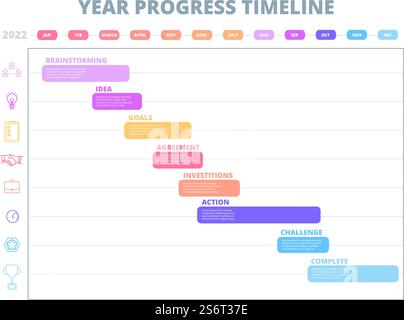
Avoiding common pitfalls requires strict adherence to Illinois’ phased approval process. Rushing steps risks license denial.
Phase 1: Licensing Foundation (Weeks 1-6)
- Complete the DBHR intervention license application via IDHS’s provider portal
- Verify property meets zoning requirements for recovery housing
- Draft house rules centered on peer accountability (not clinical treatment)
- Document peer leadership qualifications (minimum 2+ years recovery)
Phase 2: Compliance Readiness (Weeks 7-10)
- Submit facility protocols showing all five required service components
- Schedule pre-approval walkthrough with IDHS regional office
- Enroll in mandatory peer specialist training (if staff lack certification)
- Finalize registry enrollment paperwork for Illinois Helpline
Phase 3: Operational Launch (Weeks 11-12)
- Pass final IDHS compliance inspection
- Activate registry listing for resident referrals
- Implement daily peer-facilitated activities per approved protocols
- Begin documenting recovery progress metrics for quarterly reviews
Delay resident intake until license approval—operating without authorization triggers immediate shutdown. Use pre-launch weeks to build referral relationships with local treatment centers.
Starting a recovery home transforms personal recovery experience into community impact, but only through strict regulatory adherence. By securing your DBHR license, implementing peer-led protocols, and leveraging Illinois’ support systems, you create more than housing—you build a recovery engine that sustains sobriety long after clinical treatment ends. Focus relentlessly on the five required service components and registry inclusion to avoid the most common startup failures. Remember: Your license isn’t paperwork—it’s a promise to residents that your home meets the state’s gold standard for recovery support. Now that you know how to start a recovery home the right way, take the first step today by accessing IDHS’s provider portal. The community needs your leadership.