
Your muscles cramp during that final set at the gym. You feel dizzy standing up after a stomach bug. Your head pounds after mowing the lawn on a hot day. These aren’t random discomforts—they’re your body’s alarm bells screaming for electrolytes. While sports drinks line store shelves promising instant relief, your kitchen already holds everything needed to restore balance naturally and affordably.
Most people don’t realize that electrolyte imbalance affects more than athletes. From new moms battling morning sickness to office workers powering through summer heat waves, anyone can become depleted. The good news? You can fix this at home with ingredients you probably have right now. This guide shows exactly how to replenish electrolytes at home using simple kitchen staples—no expensive supplements required.
Why Your Body Needs Electrolytes Right Now
Electrolytes aren’t just fancy minerals—they’re your body’s electrical system. These charged particles turn your body into a living battery, powering everything from heartbeat to brain signals. Without them, your body literally can’t function properly.
Sodium acts like a traffic controller, directing water where your body needs it most. Without enough, you’ll feel foggy and weak within hours. Potassium keeps your heart beating steadily and muscles firing correctly—low levels trigger those dreaded charley horses. Calcium does more than build bones—it makes muscles contract and nerves communicate instantly. Magnesium powers over 300 enzyme reactions you depend on daily, while chloride maintains your body’s delicate pH balance.
When these minerals fall out of sync, your entire system rebels. The symptoms aren’t subtle: your heart races, muscles seize, thoughts become cloudy. Left unchecked, severe imbalance becomes life-threatening. Recognizing early warning signs means you can address the problem before it escalates.
How to Identify Electrolyte Depletion Fast
Your body sends clear distress signals before things spiral. Muscle cramps during exercise aren’t just fatigue—they’re often your first warning. Fatigue that sleep won’t fix, headaches without explanation, or sudden dizziness when standing all point to depleted minerals. Nausea and confusion signal moderate depletion.
Common triggers include stomach bugs causing vomiting or diarrhea, intense workouts lasting over an hour, or simply sweating through summer heat. Even certain medications like diuretics can flush essential minerals from your system. If you experience irregular heartbeat, rapid blood pressure changes, or seizures, seek emergency care immediately—these indicate critical imbalance requiring medical intervention.
Kitchen Powerhouses That Replenish Electrolytes Naturally

Forget expensive supplements—your refrigerator holds superior sources. Bananas pack 422mg potassium in one medium fruit, making them perfect for post-workout recovery. Sweet potatoes deliver potassium plus magnesium in a single serving. Greek yogurt combines calcium, potassium, and natural proteins for complete recovery support.
Leafy greens like spinach offer magnesium and calcium with minimal calories. Avocados provide more potassium than bananas with healthy fats for better absorption. Milk naturally contains calcium, potassium, and sodium in perfect ratios for hydration. Coconut water mimics blood plasma composition, making it nature’s sports drink—just one cup provides 396mg potassium with natural sodium and magnesium.
Build Your Daily Electrolyte Defense System
You don’t need to chug sports drinks daily. Instead, build electrolyte-rich foods into regular meals. Start mornings with Greek yogurt topped with bananas and almonds. Add spinach to smoothies. Snack on cottage cheese with berries. For athletes, consume electrolytes within 30 minutes post-workout. Casual exercisers need replenishment only after sessions lasting over 60 minutes in heat.
Illness recovery requires steady intake throughout the day—sip small amounts frequently rather than large quantities at once. This approach keeps your body consistently supplied without overwhelming your digestive system when you’re already vulnerable.
Emergency Homemade Electrolyte Solutions That Work
When dehydration hits, speed matters more than fancy ingredients. The World Health Organization’s basic formula requires just three ingredients you already own.
Basic Rehydration Formula That Doctors Trust
- 1 liter clean water
- 6 teaspoons table sugar
- ½ teaspoon table salt
Mix thoroughly until dissolved. Drink immediately or refrigerate 24 hours maximum. This simple solution works because sugar helps sodium absorb faster through your intestinal walls, pulling water along with it. The 6:1 sugar-to-salt ratio maximizes absorption without overwhelming your system.
Citrus Recovery Drink for Faster Results
- 4 cups water
- ¼ cup fresh lemon juice
- ¼ cup orange juice
- ½ teaspoon sea salt
- 2 tablespoons honey
Blend and serve over ice. Tastes like lemonade with purpose. The citrus provides natural potassium and vitamin C, while honey offers quick glucose for energy. This version works particularly well after moderate exercise or mild illness.
Avoid These Dangerous Replenishment Mistakes
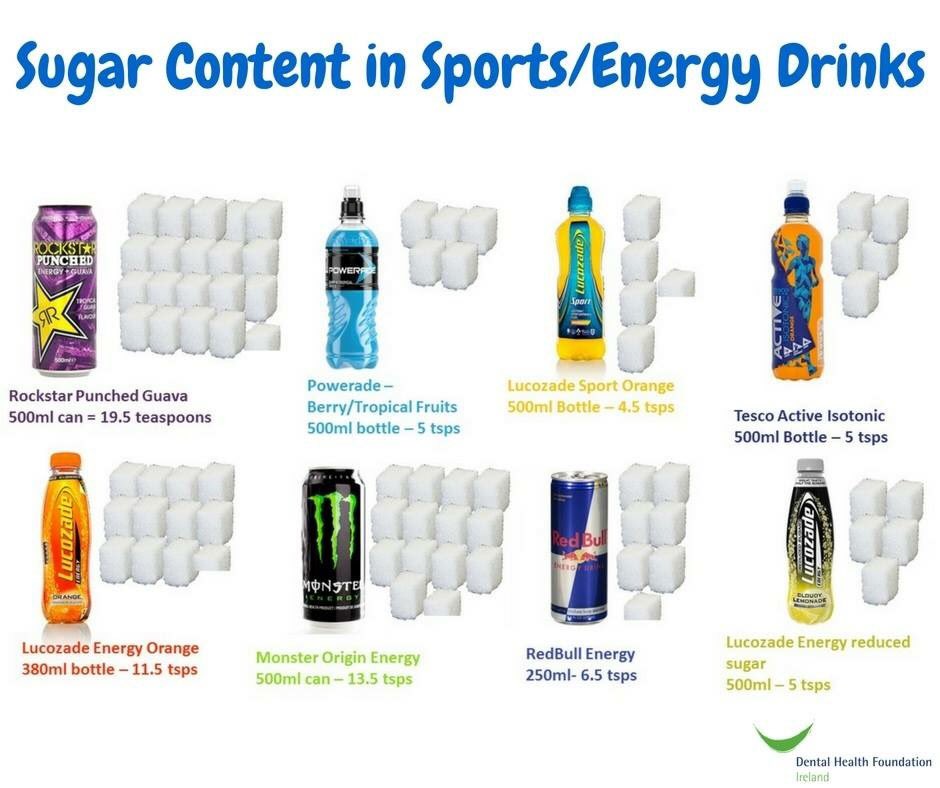
Overdoing sports drinks ranks as the biggest error. These contain excessive sugar and sodium for average needs. One 12-ounce serving often provides more calories than your workout burned, defeating the purpose of your exercise.
Ignoring food sources creates another problem. Your body absorbs minerals better from whole foods than isolated supplements. Overhydrating with plain water can actually worsen imbalance by diluting remaining electrolytes—a condition called hyponatremia that can be life-threatening.
Salt tablets seem logical but shock your system. The concentrated sodium pulls water into your gut, potentially causing nausea or diarrhea when you’re already depleted. Stick with balanced solutions that mimic your body’s natural composition.
Special Situations Require Custom Approaches

Children need pediatric-formulated solutions with precise ratios. Avoid honey for infants under one year due to botulism risk. Elderly individuals often eat less, making liquid electrolyte sources like milk or fortified juices helpful for consistent intake.
Vegans should focus on plant sources: fortified non-dairy milks, leafy greens, nuts, and seeds. Kidney patients must consult doctors, as restricted diets may limit potassium and phosphorus. Budget-conscious families can stick to basics—bananas, potatoes, and beans cost pennies per serving. Homemade solutions save 90% compared to commercial drinks.
When to Call Your Doctor Immediately
While most electrolyte imbalances resolve with home treatment, certain situations demand medical attention. Persistent vomiting preventing fluid retention signals potential hospitalization needs. Seizures, chest pain, or severe confusion require emergency care.
People with heart conditions, kidney disease, or chronic illnesses should establish electrolyte management plans with healthcare providers. Pregnant women experiencing severe morning sickness may need prescription anti-nausea medication combined with medical-grade rehydration.
Long-Term Strategies for Perfect Electrolyte Balance
Prevent depletion rather than constantly playing catch-up. Eat varied diets including produce, lean proteins, and whole grains. Stay ahead of thirst—if you’re thirsty, you’re already slightly dehydrated. Track patterns to identify triggers. Notice which workouts or weather conditions typically cause symptoms. Prepare solutions in advance during summer months or before endurance events.
Build your electrolyte toolkit with pantry basics: sea salt, table sugar, honey, nuts, and seeds. Keep your fridge stocked with milk, yogurt, citrus fruits, and leafy greens. Freeze berries for smoothies and make electrolyte ice cubes for quick additions to drinks.
With these simple tools and knowledge, you’ll never need expensive sports drinks again. Your body will thank you with steady energy, clear thinking, and cramp-free movement—even during life’s most demanding moments. How to replenish electrolytes at home becomes second nature when you know exactly what works and what to avoid. Start implementing these strategies today and feel the difference in your energy, focus, and overall well-being.



