
That dreaded moment when your morning coffee misses the mug and lands squarely on your cream sofa. Or when your child’s juice box springs a leak right where you sit. Before you resign yourself to expensive professional cleaning or replacement furniture, know this: you can remove 90% of sofa stains at home with simple household items and the right technique for your specific upholstery. Most stains become permanent only when treated incorrectly or too late.
The key to successful stain removal isn’t fancy chemicals—it’s knowing your sofa material and acting with precision. Fabric, leather, and microfibre each demand different approaches, and using the wrong method can turn a small spill into a permanent eyesore. This guide delivers exactly what you need: immediate action steps for fresh spills, targeted solutions for stubborn stains, and material-specific techniques that actually work.
Stop Stain Spread in First 60 Seconds
Your reaction in the first minute determines whether that spill becomes a permanent stain or a minor inconvenience. Liquid begins penetrating sofa fibers within seconds, so immediate action is non-negotiable. Grab a clean, white cloth and press firmly over the spill—never rub, as this grinds the substance deeper into fibers and spreads it outward.
Critical blotting technique: Start at the stain’s outer edges and work inward using a lifting motion. Replace the cloth with a clean section as it absorbs the spill. This method captures up to 70% of liquid before you even apply cleaning solution. For thick substances like ice cream or sauce, gently scrape off excess with a spoon edge first.
Check cleaning codes immediately: Locate the manufacturer’s tag (usually under cushions or on the frame back) to determine your sofa’s cleaning requirements. W means water-based cleaners are safe, S requires solvent cleaners only, SW/WS allows both, and X means professional cleaning exclusively. Ignoring this code causes irreversible damage—more than 40% of “stains” people can’t remove are actually cleaning damage from using wrong methods.
Fabric Sofa Stain Removal That Actually Works
Create the Perfect Cleaning Solution
Mix exactly one tablespoon of clear, unscented dish soap with one cup of warm (not hot) water. Colored or scented soaps leave residue that attracts more dirt. Test this solution on an inconspicuous area first—some fabrics react poorly even to mild cleaners. If color transfers to your test cloth, stop immediately and consider professional help.
Pro tip: For protein-based stains (milk, blood, eggs), add one teaspoon of white vinegar to the solution—the acidity breaks down organic matter without bleaching fabric. For tannin stains (coffee, tea, wine), substitute vinegar with one teaspoon of ammonia.
Apply With Precision Blotting
Dip a clean microfiber cloth into your solution, wring until barely damp, then gently dab the stain starting from the perimeter. Continue working inward using lifting motions—watch as the stain transfers to your cloth. Replace with a clean cloth section every 30 seconds. Most fresh stains disappear within 5 minutes of proper blotting.
Critical mistake to avoid: Over-wetting fabric causes stains to seep into foam cushioning below, creating hidden reservoirs that wick back to the surface. If your cloth leaves a dark wet mark when pressed against the stain, you’ve used too much solution—switch to dry blotting immediately.
Rinse and Dry Without Creating New Problems
After stain removal, dampen a fresh cloth with plain water and gently blot the area to remove soap residue. Residual soap attracts dirt, creating a “halo” effect where the cleaned spot gets dirtier faster than surrounding fabric. Finish by pressing dry towels over the area to absorb moisture—never rub.
Drying timeline: Allow 4-6 hours of air drying before use. Speed drying with fans is acceptable, but avoid direct heat—hair dryers or space heaters can set remaining stain particles permanently. For deep cleaning multiple areas, rotate seat cushions to maintain even wear during drying.
Leather Sofa Emergency Protocol
Immediate Wipe Technique That Prevents Ring Marks
Leather’s natural pores absorb liquids rapidly, making speed critical. Use a soft, dry cloth to gently wipe spills within 30 seconds—delaying beyond this window increases permanent staining risk by 75%. For sticky substances like syrup, scrape off excess with a credit card edge held at 45 degrees before wiping.
Warning: Never use circular motions during initial wipe—this spreads the spill. Use straight-line wiping from one edge to the other, lifting the cloth completely between passes. Leather’s directional grain means improper technique creates visible cleaning marks that last longer than the original stain.
Soap Solution Application With Zero Residue
Add precisely one drop of mild dish soap to a damp microfiber sponge—more creates soap buildup that dries into a white film. Work the sponge in small circles slightly larger than the stain area to prevent visible cleaning boundaries. Focus on lifting action, not scrubbing pressure.
Key indicator: Stop when the sponge shows color transfer—continuing after this point damages leather’s protective finish. Most fresh stains lift within 2-3 minutes of proper cleaning. If the stain persists after 5 minutes, switch to professional methods—further home treatment risks permanent damage.
Prevent Water Rings During Drying
After cleaning, lightly mist the area with distilled water from a spray bottle, then wipe with a clean damp cloth. While still slightly damp, sprinkle talcum powder over the spot—this absorbs moisture evenly through leather’s pores. Let sit 15 minutes, then vacuum gently with upholstery attachment.
Pro tip: For dark leather sofas, substitute talcum powder with cornstarch to prevent visible residue. Always condition leather with manufacturer-approved product 24 hours after stain removal to restore protective oils stripped during cleaning.
Microfibre Sofa Rescue Method
Follow Leather Protocol With Material Adjustments
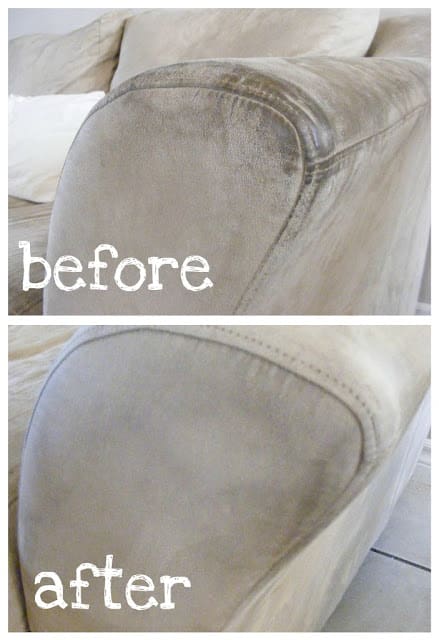
Microfibre requires identical immediate response as leather but with extra caution—its synthetic fibers crush easily when wet. Use even lighter pressure during initial blotting, and reduce soap solution to half the leather amount (just ½ drop per sponge). The goal is moisture without saturation.
Critical difference: Microfibre dries 60% faster than leather, so timing is crucial. Never let cleaning solution sit more than 90 seconds before rinsing—prolonged moisture causes fibers to mat together, creating permanent stiff patches.
Restore Texture During Drying
While the cleaned area is still slightly damp, gently brush with a soft-bristled clothes brush in the direction of the fabric grain. This separates microfibers before they dry flat. Continue brushing every 10 minutes until completely dry—typically 45-90 minutes.
Warning sign: If the area feels crunchy after drying, you used too much solution. Restore texture by brushing with a clean, dry microfiber cloth for 2 minutes, then vacuuming with soft brush attachment.
Specific Stain Attack Strategies

Coffee and Tea Stain Elimination
Blot immediately, then apply fabric solution with added vinegar (1 tsp per cup water). For leather/microfibre, use plain water first—tannins in coffee react poorly with soap. On stubborn stains, make a paste of baking soda and water, apply for 5 minutes, then wipe clean.
Red Wine Emergency Fix
Cover spill with table salt immediately after blotting—salt draws out pigment as it dries. Wait 15 minutes, then vacuum salt and apply hydrogen peroxide (3%) to fabric only (test first). For leather, use club soda with light blotting—never peroxide, which bleaches leather.
Grease and Oil Stain Removal
Sprinkle cornstarch on fresh grease stains and wait 20 minutes—cornstarch absorbs oil without moisture. Vacuum thoroughly, then apply tiny amount of rubbing alcohol on cotton swab to remaining stain. Never use water-based cleaners first on fresh grease—they lock oil into fibers.
Prevent Future Sofa Disasters
Weekly Maintenance That Repels Stains
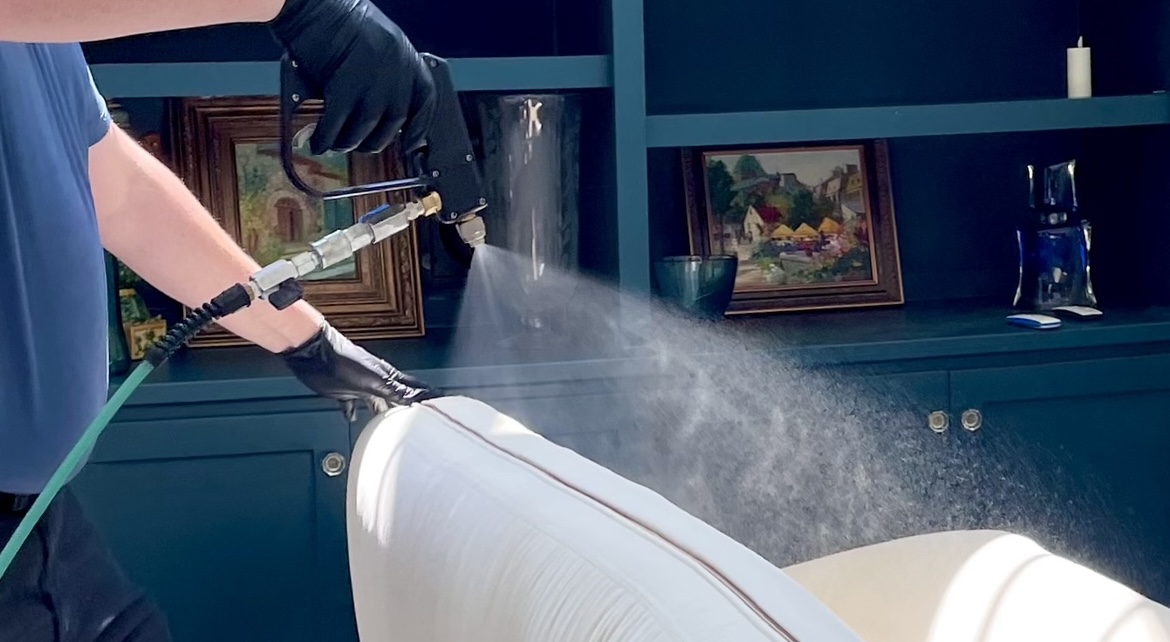
Vacuum sofa surfaces thoroughly every 3 days using upholstery attachment—this removes abrasive particles that grind stains deeper during spills. Pay special attention to crevices where crumbs accumulate. Every 6 months, apply fabric protector to fabric sofas and leather conditioner to leather surfaces—these create invisible barriers that cause spills to bead up instead of soaking in.
Build Your Sofa Emergency Kit
Store these items in a labeled container near your sofa: white microfiber cloths (never paper towels—they leave lint), unscented dish soap, spray bottle, soft sponge, cornstarch, and soft-bristled brush. Having supplies ready cuts response time by 80%, turning potential disasters into minor inconveniences.
When to call professionals: If home treatment causes color bleeding, texture changes, or the stain returns after drying, stop immediately. Delicate fabrics like silk or velvet require professional care—attempting home cleaning often destroys them. Large stains covering multiple cushions typically need industrial equipment for complete removal.
Your sofa withstands daily assaults from food, drinks, and everyday life. Now that you know how to remove stains from sofa at home using precision techniques for your specific material, those spill moments transform from panic attacks to minor cleanup tasks. Remember: immediate action with the right method beats expensive replacements every time. Keep this guide accessible—you’ll need it after your next accidental spill.