That glass of water you just poured might contain invisible synthetic chemicals known as PFAS—often called “forever chemicals” because they don’t break down naturally in the environment. Standard water filters and common home treatment methods like boiling can’t touch these persistent contaminants, leaving your family exposed to potential health risks. Unlike other water pollutants, PFAS slip through basic carbon pitchers, water softeners, and even iron filtration systems. The good news? Specialized home treatment systems can effectively remove these chemicals when properly selected and maintained. This guide reveals exactly how to eliminate PFAS from your home water supply using proven methods backed by environmental agencies and water treatment professionals.
Why PFAS Demands Specialized Home Water Treatment
PFAS molecules stubbornly resist conventional water treatment because they bond strongly to water molecules and remain chemically stable for decades. When you try standard home methods like boiling water, you’re actually making the problem worse—evaporation concentrates these chemicals rather than removing them. Field testing confirms that water softeners, iron filters, and basic carbon pitchers fail completely against PFAS, leaving your drinking water contaminated despite your best efforts.
Common Ineffective Methods You Should Avoid
- Boiling water: Concentrates PFAS through evaporation, increasing exposure risk
- Water softeners: Demonstrate zero PFAS removal capability in sampling data
- Iron filtration systems: Proven ineffective in multiple field tests
- Basic carbon pitchers: Cannot adsorb PFAS molecules due to inadequate media
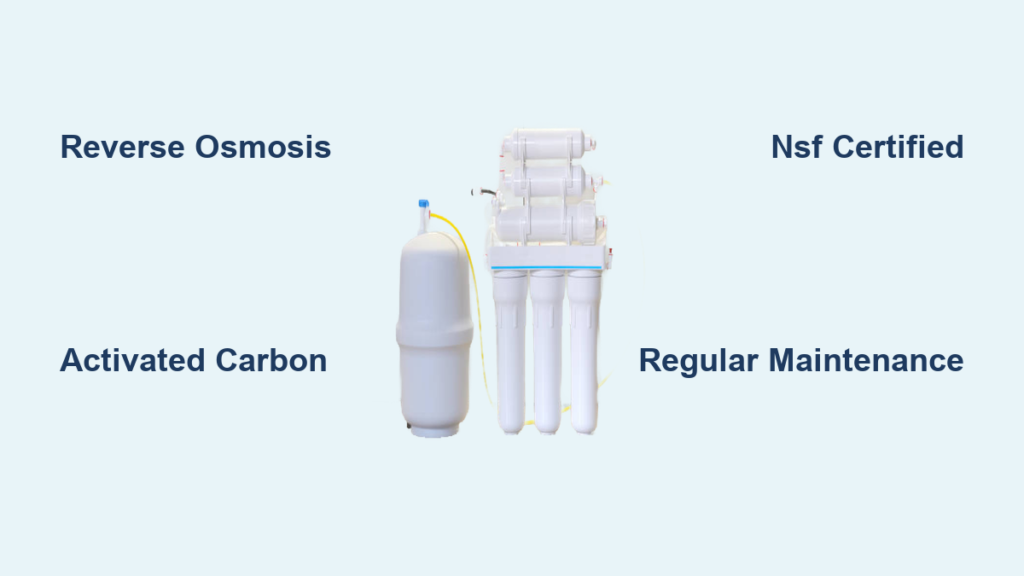
Reverse Osmosis Systems: Your Most Reliable PFAS Defense
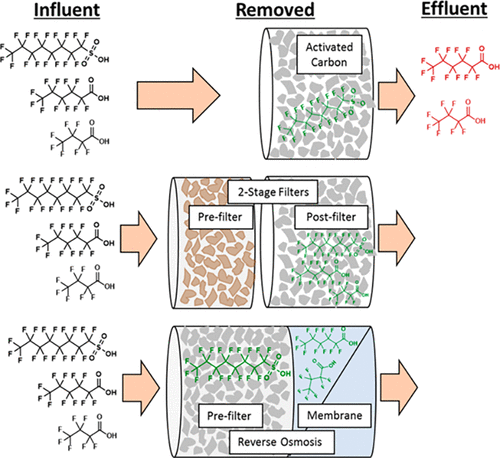
Reverse osmosis technology forces water through ultra-fine membranes that physically block PFAS molecules while allowing pure water through. This point-of-use approach treats water at a single location—typically your kitchen sink—making it economical and perfectly focused on your daily drinking water needs. Unlike whole-house systems, reverse osmosis delivers maximum protection where it matters most without breaking your budget.
How Membranes Trap PFAS Molecules
The semi-permeable membrane contains pores smaller than PFAS molecules, creating an impenetrable physical barrier. Water pressure pushes molecules against this membrane wall, where contaminants collect on the “dirty” side while purified water passes through to your tap. This mechanical filtration process doesn’t rely on chemical reactions, making it exceptionally reliable for PFAS removal.
Installation Requirements You Must Know
- Licensed professional: Required in Minnesota unless you own and occupy the home
- Point-of-use location: Under-sink mounting for kitchen faucet provides optimal protection
- Water chemistry analysis: Professional consultation recommended before installation
Activated Carbon Filter Solutions for Budget-Conscious Homeowners
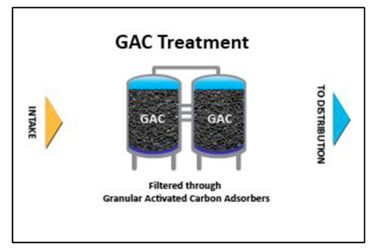
Granular activated carbon (GAC) filters capture PFAS through adsorption—contaminants stick to the carbon surface while water flows through. Research by Minnesota health agencies confirms effective PFAS removal when systems are properly installed and maintained. These solutions offer a more affordable entry point for homeowners seeking immediate protection.
Faucet-Mounted Options for Immediate Protection
Inexpensive sink faucet filters provide easy installation without plumbing modifications. These units screw directly onto existing faucets, delivering filtered water on demand for cooking and drinking. Look for models specifically certified for PFAS reduction rather than general carbon filters that may not address these specific contaminants.
Critical Replacement Schedule for Maximum Effectiveness
- Monthly: Check filter housing for buildup and proper sealing
- Quarterly: Replace carbon cartridges per manufacturer guidelines
- Annually: Test water quality to verify ongoing PFAS reduction
Ion Exchange System Selection for Specific PFAS Contamination
Ion exchange resin beads attract and bind PFAS molecules through electrical charge attraction. Success depends on matching resin formulation to your specific PFAS contamination profile—some resins target certain PFAS compounds better than others. This method works particularly well when combined with other filtration technologies in a comprehensive system.
System Certification Check Before Purchase
- NSF/ANSI 53: Essential filter certification standard for PFAS removal
- NSF/ANSI 58: Required standard for reverse osmosis systems
- April 2024 gap: Current certifications don’t guarantee EPA standard compliance
Point-of-Use vs Whole House Systems: Cost-Effective Strategy
Point-of-use systems treat water at one location—economical for drinking water where exposure occurs. Point-of-entry systems treat all household water—expensive and often unnecessary for PFAS concerns. For most homes, point-of-use reverse osmosis at the kitchen sink provides the optimal cost-to-benefit ratio while delivering maximum health protection.
Realistic Cost Comparison
- Point-of-use: $200-$800 initial investment with $100-$300 annual maintenance
- Point-of-entry: $3,000-$8,000+ installation with significantly higher maintenance costs
- Strategic approach: Install point-of-use systems at primary consumption points first
Maintenance Protocol That Prevents PFAS Filter Failure
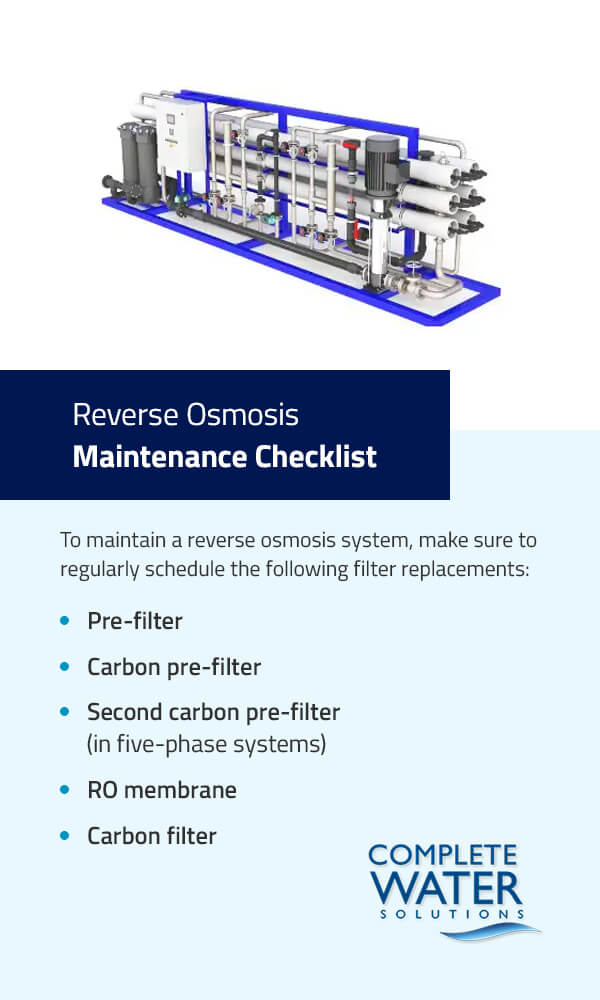
Neglected filters don’t just lose effectiveness—they can release trapped PFAS back into your water supply. Each technology requires specific maintenance schedules to maintain peak performance and prevent dangerous back-contamination. Skipping maintenance turns your filter into a PFAS time bomb in your kitchen.
Reverse Osmosis Maintenance Schedule
- Pre-filters: Replace every 6-12 months to protect the expensive membrane
- RO membrane: Replace every 2-3 years (check manufacturer specifications)
- System sanitization: Annual cleaning prevents bacterial growth in stagnant lines
Carbon Filter Care to Avoid Breakthrough
- Cartridge replacement: Every 3-6 months based on usage and PFAS levels
- Flow rate monitoring: Reduced flow indicates clogging and potential breakthrough
- Bypass testing: Verify system seals properly during filter changes
Product Selection Checklist Before You Buy

Certified System Requirements You Must Verify
- NSF/ANSI 53 certification: For filter systems (look for specific PFAS testing)
- NSF/ANSI 58 certification: For reverse osmosis systems
- Manufacturer PFAS testing data: Request specific removal rates for common PFAS compounds
- Flow rate specifications: Match to household usage needs to prevent overload
Red Flags That Signal Problematic Systems
- Claims of 100% PFAS removal: No system achieves complete elimination
- Lack of NSF certification: Indicates unverified performance claims
- No replacement parts availability: Guarantees premature system failure
- Vague maintenance instructions: Shows poor manufacturer support
Professional Resources and Critical Next Steps
EPA Guidance Document You Need
Download “Reducing PFAS in Your Drinking Water with a Home Filter” from EPA.gov for detailed technical specifications and system comparisons. This free resource provides independent testing data not available from manufacturers.
Water Testing First—Don’t Skip This Step
Before purchasing any system, test your water to determine:
– PFAS concentration levels: Higher levels require more robust treatment
– Specific PFAS compounds present: Different systems target different compounds
– Water chemistry factors: pH and hardness affect system selection
Expert Consultation Saves Money Long-Term
Contact certified water treatment specialists who can:
– Analyze your test results against system capabilities
– Recommend optimal system type for your specific contamination
– Provide accurate installation quotes and timelines
– Design customized maintenance schedules
Key Takeaways for PFAS-Free Home Water
Effective PFAS removal requires specialized technology—reverse osmosis, activated carbon, or ion exchange systems certified for contaminant reduction. Point-of-use systems offer the most economical treatment focused precisely where you consume water. Success depends on proper installation, consistent maintenance, and understanding current certification limitations. Start with professional water testing, then select certified equipment matched to your specific contamination profile and household needs. Remember that neglected filters become dangerous—stick to maintenance schedules religiously. While no system achieves 100% removal, properly maintained certified systems significantly reduce your exposure risk. The most important step? Don’t wait—take action today to protect your family from these persistent “forever chemicals” in your drinking water.