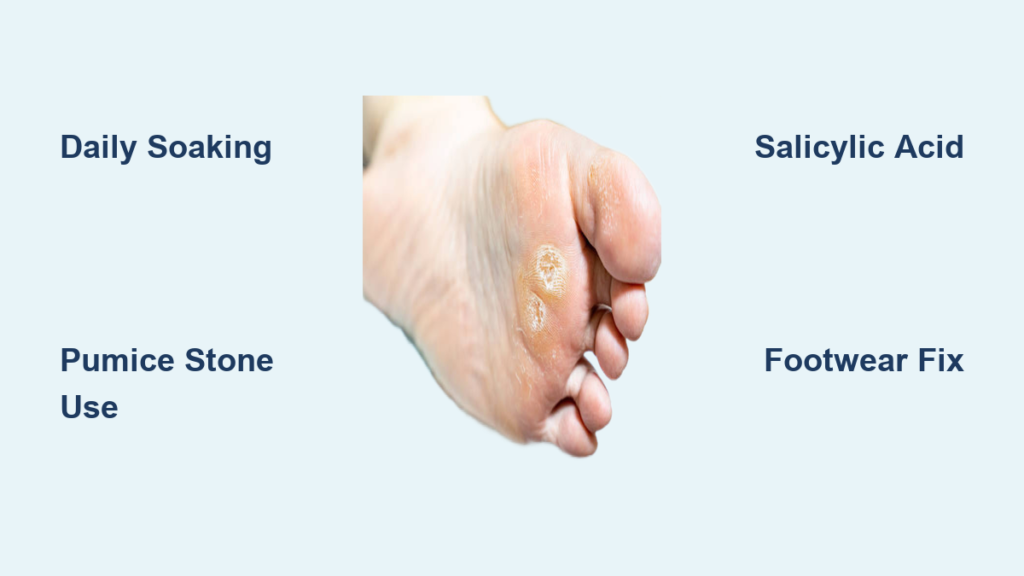
That painful, hard bump making every step feel like walking on pebbles? You’re not alone—corns plague millions who wear tight shoes or stand for long periods. The good news? You can effectively remove corn from feet at home with simple, inexpensive methods that work better than many expensive clinic treatments. This guide reveals the exact protocols podiatrists recommend for eliminating corns safely while preventing their return.
Forget risky razor blades and harsh chemicals—proper corn removal requires understanding your specific corn type and applying targeted treatments consistently. You’ll discover why soaking duration matters more than intensity, which natural remedies actually outperform store-bought pads, and the critical footwear mistakes that keep corns coming back. Most importantly, you’ll learn a systematic approach that delivers results in as little as 7 days.
Identify Your Corn Type Before Treatment Begins
Hard Corns (heloma durum) appear as small, dense circles of thickened skin with a central core. You’ll typically find these on top of toes or the sides of your little toe where shoes constantly rub. They feel like hard pebbles under your skin and become especially painful when pressed or squeezed by footwear.
Soft Corns (heloma molle) develop between toes where moisture gets trapped. These appear white or grayish with a rubbery, spongy texture that feels different from surrounding skin. Many people mistake soft corns for blisters or fungal infections, delaying proper treatment until they become severely painful.
Critical Mistake That Worsens Corns
Applying the same treatment to both corn types guarantees failure. Hard corns respond best to mechanical removal after soaking, while soft corns between toes require moisture control and antiseptic protection. Using pumice stone between damp toes can spread infection, while aggressive salicylic acid on soft corns causes painful chemical burns.
The 15-Minute Daily Soaking Protocol That Softens Corns Fast

Skip the quick 5-minute soaks—effective corn removal requires consistent, prolonged softening of the hardened keratin. This protocol transforms tough corns into treatable tissue within days.
What You’ll Need:
- Basin large enough for full foot submersion
- Warm water (98-105°F—comfortable to touch)
- 3-4 tablespoons Epsom salt (boosts softening)
- Thick moisturizer (petroleum jelly works best)
- Clean towel
Step-by-Step Execution:
- Fill basin with warm water ensuring feet are fully submerged
- Dissolve Epsom salt completely before soaking
- Soak for full 15-20 minutes (extend to 30 for severe corns)
- Gently pat dry, leaving skin slightly damp
- Immediately apply thick moisturizer while skin is soft
- Repeat daily for 10-14 days minimum
Pro Tip: Do this while watching TV—consistency beats intensity. Daily gentle soaking works better than aggressive weekly sessions that damage healthy skin.
Pumice Stone Technique That Removes Corns Without Damage
Forget metal files and razors—natural pumice stone removes corn tissue safely when used correctly. This technique prevents bleeding and infection while delivering professional results.
Safe Exfoliation Process:
- Soak feet for 10-15 minutes first (crucial step)
- Wet your pumice stone thoroughly
- Use gentle circular motions around corn edges first
- Apply light pressure—think massage, not scrubbing
- Work gradually from edges toward center
- Stop immediately if you see pink skin or feel pain
- Rinse and moisturize thoroughly after
Warning Signs to Stop Immediately:
- Any bleeding or broken skin
- Sharp pain during treatment
- Redness spreading beyond corn area
- Signs of infection (warmth, swelling, pus)
Maintenance Schedule: Use pumice stone every other day during active treatment, then weekly for prevention once corn disappears.
Salicylic Acid Products That Actually Work for Stubborn Corns
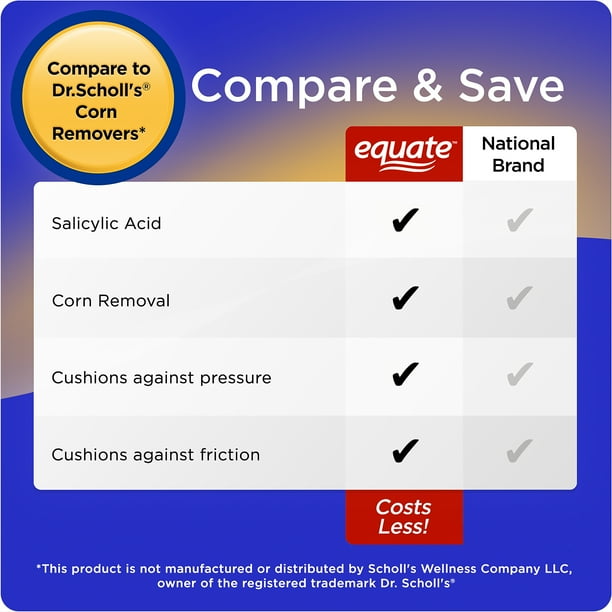
For corns resisting soaking and pumice, salicylic acid breaks down keratin buildup chemically. But choosing the wrong product causes skin damage—here’s how to select and apply safely.
Product Selection Guide:
- 40% pads: Best for thick, hard corns on tops of toes
- Liquid gel: Ideal for soft corns between toes
- Disc patches: Perfect for targeted treatment on small areas
Correct Application Method:
- Soak foot for 5-10 minutes
- Dry completely (moisture reduces effectiveness)
- Apply petroleum jelly to protect surrounding healthy skin
- Place product directly on corn only
- Cover with bandage if using liquid/gel form
- Leave overnight, remove in morning
- Never exceed 2 weeks of continuous use
Critical Warning: Never use salicylic acid if you have diabetes or poor circulation—these conditions require professional care.
Natural Remedies That Outperform Store-Bought Treatments
Skip expensive foot creams—these kitchen staples deliver superior results when used correctly.
Baking Soda Power Treatment:
- Mix 3 tablespoons baking soda + 1 tablespoon water
- Add 2 drops tea tree oil (antiseptic boost)
- Apply thick layer directly to corn
- Cover with bandage overnight
- Rinse morning, repeat for 7-10 nights
Lemon Overnight Therapy:
- Cut fresh lemon slice to match corn size
- Place directly on corn, secure with medical tape
- Leave overnight, morning rinse
- Citric acid naturally softens keratin
- Continue for 1-2 weeks until corn flakes off
Castor Oil Intensive for Soft Corns:
- Apply thick layer 2-3 times daily
- Cover with non-medicated corn pad
- Penetrates deep into corn tissue
- Works especially well between toes
Combination Therapy for Stubborn Corns That Won’t Disappear
When single methods fail, layer treatments strategically for maximum corn elimination.
Effective Daily Routine:
- Morning: Castor oil + moleskin padding
- Evening: Warm soak + pumice stone + moisturizer
- Bedtime: Salicylic acid patch (every other night)
Realistic Timeline Expectations:
- Mild corns: 7-10 days visible improvement
- Moderate: 2-3 weeks significant reduction
- Severe/Old: 4-6 weeks with consistent treatment
Pro Tip: Track progress with weekly photos—corns reduce gradually, and visual evidence keeps you motivated through the process.
Shoe Modifications That Prevent Corns From Returning

Removing corns means nothing if they return next month. Most home treatments fail because people ignore footwear causes. Here’s how to fix the root problem:
Immediate Shoe Changes:
- Measure feet annually (they change with age)
- Shop for shoes in afternoon when feet are largest
- Ensure 1/2 inch space beyond longest toe
- Choose wide toe box styles religiously
- Replace athletic shoes every 300-500 miles
Sock Strategy for Corn Prevention:
- Change socks twice daily if feet sweat
- Choose moisture-wicking wool or synthetic
- Avoid cotton—it holds moisture against skin
- Consider toe socks for between-toe protection
When to Stop Home Treatment and See a Podiatrist
While most corns respond to home care, certain situations require professional intervention to prevent serious complications.
Stop Treatment Immediately and Seek Care If:
- Corn becomes black or dark purple
- Red streaks appear around corn area
- Pus, warmth, or spreading redness develops
- You have diabetes or circulation problems
- Severe pain prevents normal walking
- Corn bleeds during treatment
Remember: Home treatments work for corns without complications. If you experience any warning signs, professional care prevents permanent damage.
Your 30-Day Corn Removal Success Plan
Week 1: Focus on daily soaking and moisturizing. Build the foundation—don’t expect dramatic changes yet.
Week 2: Add pumice stone every other day. Surface layers should begin flaking away.
Week 3: Introduce salicylic acid for stubborn spots. Most corns show significant reduction.
Week 4: Switch to maintenance mode—soak 2-3 times weekly, pumice once weekly.
Maintenance Protocol After Corn Disappears
Once your corn is gone, prevent recurrence with this simple routine:
- Continue daily moisturizing with urea-based cream
- Use pumice stone preventively once weekly
- Check feet weekly for early corn signs
- Address new pressure points immediately
- Replace shoes every 6-8 months
Pro Tip: Keep your corn removal kit assembled—having tools ready makes maintenance effortless.
Successfully removing corn from feet at home requires understanding your specific corn type and applying consistent, targeted treatments while addressing root causes. Start with daily warm water soaking, add mechanical exfoliation with pumice stone, and escalate to chemical treatments only if needed. Most importantly, once that painful corn disappears, commit to proper footwear and consistent foot care to prevent recurrence. Your journey to pain-free walking begins with the simple steps you take today—your feet will thank you with every comfortable step. Remember that patience and consistency deliver better results than aggressive, sporadic treatments that damage healthy skin.