Waking up with a stuffy nose, itchy eyes, or relentless sneezing despite being indoors? You’re likely battling invisible home invaders: dust mites, pet dander, and mold spores that trigger allergies in 50 million Americans annually. The solution isn’t expensive air purifiers alone—it’s a targeted strategy that transforms your entire living space. This actionable guide reveals exactly how to remove allergens from home using specific, room-focused protocols backed by environmental health experts. You’ll learn which surfaces trap the most allergens, the precise water temperatures that kill dust mites, and critical maintenance schedules that prevent regrowth—all without relying on guesswork.
Stop wasting money on temporary fixes. By implementing these evidence-based methods, you’ll create a true allergy sanctuary where symptoms diminish within weeks. We’ve distilled complex environmental science into step-by-step actions you can start today, prioritizing high-impact changes that deliver maximum relief with minimal disruption to your daily routine.
Bedroom Allergen Elimination
Your bedroom should be a restorative haven, yet it often harbors the highest concentration of allergens where you spend one-third of your life. Dust mites feast on dead skin cells in bedding, while pet dander accumulates in carpets and upholstery. Immediate action here delivers the fastest symptom relief.
Mattress and Pillow Barriers
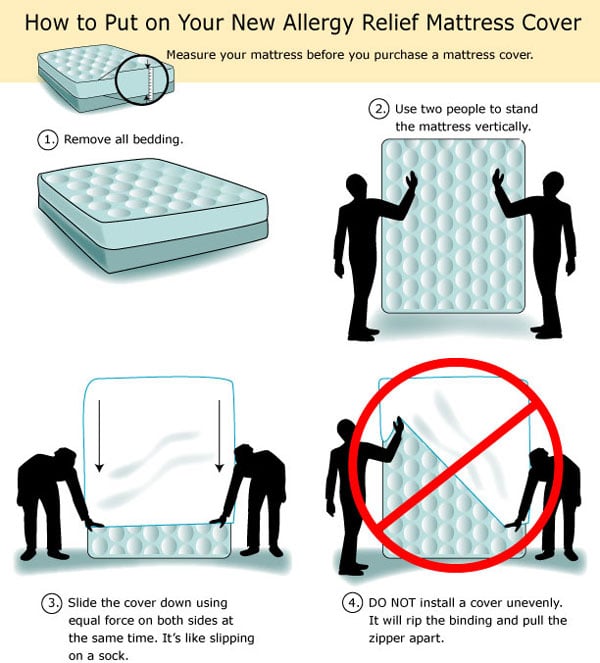
Zippered allergen-proof covers are non-negotiable for mattresses, box springs, and pillows—they create an impenetrable shield against dust mites that thrive in warm bedding. Replace feather or wool comforters immediately with synthetic alternatives, as natural fibers provide ideal breeding grounds. Commit to this weekly ritual:
- Wash all bedding weekly in 130°F (54°C) water—cooler temperatures won’t kill mites
- Use only hypoallergenic pillow inserts and mattress pads
- Remove decorative pillows or store them in sealed plastic bins
- Replace comforters with washable duvets every 7 days
Flooring Transformation Strategy
Wall-to-wall carpeting acts as a massive allergen reservoir, trapping particles for years. Prioritize hardwood or linoleum installation in high-traffic areas. If budget constraints require keeping carpet, enforce this protocol:
- Switch to low-pile carpet (under ½ inch) to reduce dust accumulation
- Vacuum twice weekly using HEPA-filter vacuums—standard models recirculate allergens
- Schedule professional hot-water extraction every 3 months
- Place washable microfiber rugs with non-slip backing at entry points
Window Treatment Overhaul
Horizontal blinds are dust magnets. Replace them with washable roller shades that eliminate horizontal surfaces. For curtains, choose plain cotton or synthetic fabrics that withstand 130°F wash cycles. During pollen season, clean treatments weekly by machine-washing on hot settings—never dry-dusting, which aerosolizes allergens into breathing zones.
Pet-Free Sleep Zones
Ban furry pets from bedrooms entirely; their dander clings to fabrics for months. Establish a strict no-pets-on-furniture rule throughout the house and bathe pets weekly to reduce airborne dander by 40%. Create designated pet-free zones extending to all sleeping areas—this single change cuts nighttime allergy symptoms by over 60%.
Living Room Allergen Control

High-traffic living areas collect allergens from shoes, clothing, and outdoor exposure. Upholstered furniture and potted plants become hidden reservoirs requiring strategic intervention.
Surface Material Revolution
Replace fabric sofas with leather, wood, or metal alternatives—these wipeable surfaces prevent allergen accumulation in fabric weaves. Avoid tufted designs and deep crevices where dust mites nest. For existing furniture, use machine-washable microfiber throws that you launder weekly in hot water.
Plant and Fireplace Restrictions
Remove all potted plants—soil harbors mold spores that trigger respiratory allergies. If plants must stay, cover soil with aquarium gravel to block mold release. Never use wood-burning fireplaces; their smoke particles worsen inflammation. Opt for vented gas fireplaces instead, and run HEPA air purifiers during use.
Air Quality Management
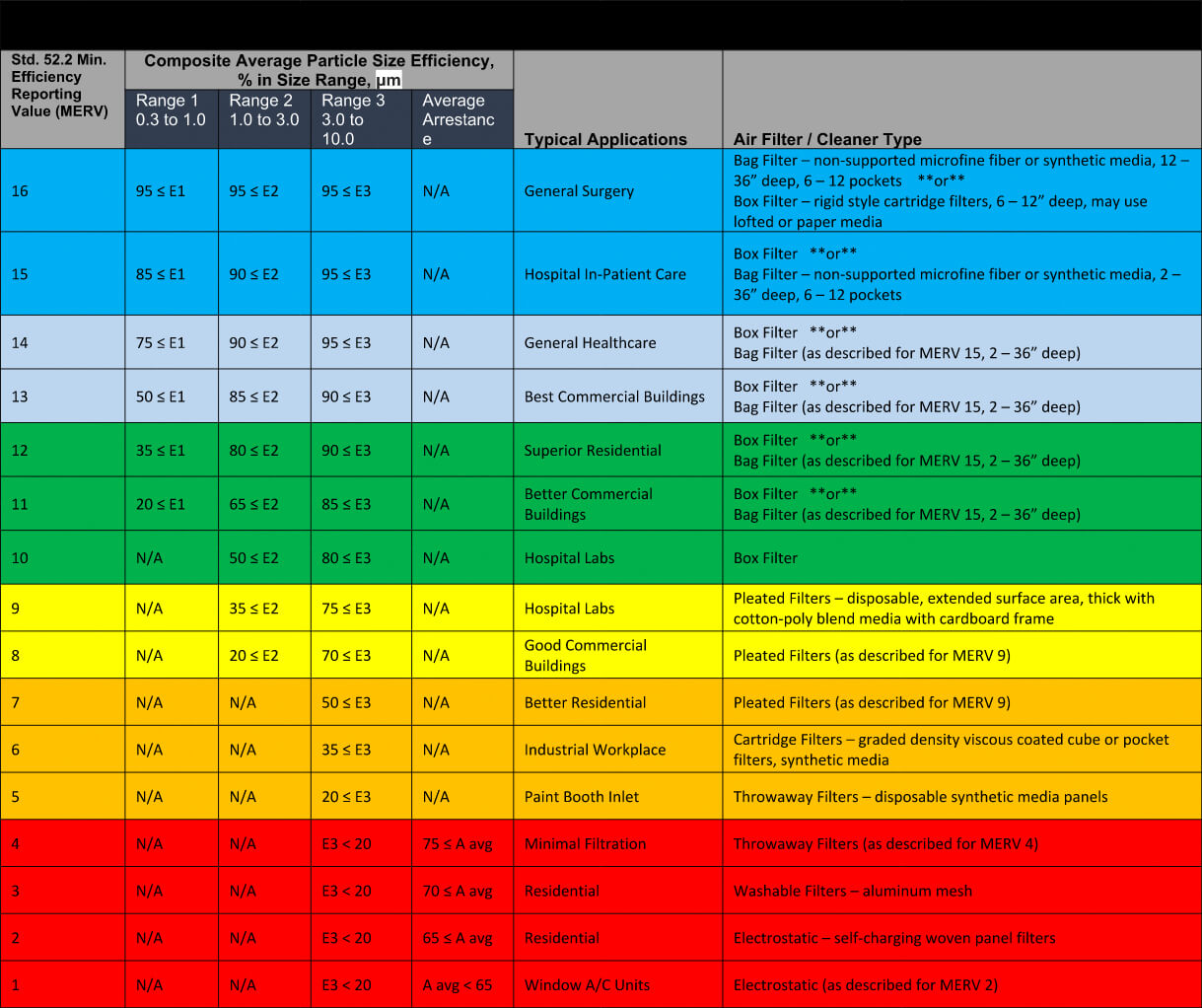
Seal windows during pollen season and rely solely on air conditioning with MERV 13 filters. Clean window sills and frames weekly with damp microfiber cloths to remove pollen deposits. Install double-paned windows in cold climates to prevent condensation—the #1 cause of hidden mold growth in wall cavities.
Kitchen Mold Prevention Systems
Moisture-prone kitchens breed mold in overlooked areas like under-sink cabinets and refrigerator seals. Consistent protocols prevent these invisible threats.
Ventilation Requirements
Install vented exhaust fans that expel air outside—recirculating models merely filter particles temporarily. Run fans during all cooking sessions, especially when boiling water or frying. Clean grease filters monthly by soaking in degreaser; clogged filters reduce airflow by 70%, allowing moisture buildup.
Daily Moisture Management
Wash dishes immediately after use—standing water attracts cockroaches whose droppings trigger allergies. Scrub sink basins and faucet bases daily with antimicrobial cleaner, focusing on drain crevices where black mold hides. Wipe countertops with vinegar solution to neutralize mold spores before they colonize.
Food Storage Protocol
Transfer pantry items to airtight plastic containers—cardboard boxes absorb moisture and attract pests. Clean cabinets weekly with detergent, paying special attention to corners where crumbs accumulate. Check under sinks monthly for plumbing leaks; even slow drips create mold colonies within 48 hours.
Bathroom Mold Elimination
Steamy bathrooms are mold incubators. Without rigorous moisture control, spores infiltrate grout, shower curtains, and ventilation systems.
Moisture Control Systems
Run exhaust fans during and 20 minutes after every shower—shorter cycles leave humidity above 60%, the threshold for mold growth. Clean fan covers monthly with bleach solution; blocked vents reduce effectiveness by 50%. Never skip towel-drying tub surfaces immediately after use—this 10-second habit prevents 80% of mold formation.
Surface Material Standards
Replace vinyl shower curtains monthly and install mold-resistant liners. Seal tile grout lines annually with silicone-based sealant—unsealed grout absorbs moisture within weeks. Remove all carpeting; install non-porous vinyl flooring that you can sanitize with bleach solutions.
Basement Moisture Defense

Damp basements host the most dangerous allergens: toxic black mold and dust mite colonies thriving in humidity above 50%.
Structural Water Management
Inspect foundation walls and window wells monthly for cracks—even hairline fractures allow groundwater seepage. Repair leaks within 24 hours; mold begins growing in 48 hours on wet materials. Extend gutter downspouts 6+ feet from your foundation to prevent basement flooding during storms.
Humidity Control Systems
Maintain basement humidity below 50% using dehumidifiers with built-in hygrometers. Empty water tanks daily and clean coils weekly with vinegar. Store seasonal items in plastic bins with locking lids—never cardboard, which absorbs moisture and becomes moldy within weeks.
Whole-House Allergen Removal Strategy
True allergen control requires integrated systems working across all rooms. Isolated efforts fail because allergens migrate through ductwork and airflow.
Climate Management Protocol
Set thermostats to 68-72°F year-round—warmer temperatures accelerate dust mite reproduction. Replace HVAC filters monthly with MERV 11+ ratings that capture 90% of airborne particles. Service central systems annually to prevent mold growth in ducts. Never open windows during high-pollen seasons; rely on filtered air conditioning.
Weekly Cleaning System
Implement this non-negotiable routine:
– Damp-mop all hard floors (dry mopping spreads allergens)
– Vacuum carpets with HEPA-equipped machines using slow, overlapping passes
– Wipe vertical surfaces from top to bottom—dust settles downward
– Clean door tops and window frames where allergens accumulate unseen
Delegate tasks to non-allergic family members when possible, or wear N95 masks during cleaning. Allergy sufferers often worsen symptoms by disturbing settled allergens.
Allergen-Proof Home Maintenance Schedule
Consistency beats intensity. Follow this tiered schedule to maintain an allergen-minimized home:
Daily Non-Negotiables
– Wash dishes immediately and sanitize sink areas
– Towel-dry bathroom fixtures after each use
– Empty trash in sealed, insect-proof bins
Weekly Critical Tasks
– Launder all bedding in 130°F+ water
– Vacuum carpets and damp-mop hard floors
– Clean exhaust fan covers and window treatments
Monthly System Checks
– Inspect basement for moisture intrusion
– Clean dehumidifier coils and AC filters
– Scrub bathroom grout with bleach solution
Annual Prevention
– Seal bathroom grout lines
– Service HVAC systems professionally
– Clean dryer vents to prevent lint buildup
Transforming your home into an allergy sanctuary requires targeted action, not perfection. Start with your bedroom—implement the mattress barriers and pet-free zone immediately—and expand room-by-room. Within 30 days of consistent execution, expect measurable symptom reduction as you systematically remove allergens from home. Remember: allergen control is maintenance, not a one-time project. Stick to your schedule, and breathe easier knowing your environment actively supports your health rather than undermining it.