That sharp stabbing in your heel with your first morning steps. The burning across your arches after a long day. The throbbing in your toes that keeps you up at night. Foot pain affects millions daily, turning simple tasks like walking to the mailbox into agonizing ordeals. While professional care helps chronic cases, most foot discomfort responds beautifully to targeted home treatments you can start immediately with items already in your home.
This guide walks you through proven techniques to eliminate foot pain using everyday household items. You’ll learn exactly when to use ice versus heat, which stretches provide instant relief, and how to prevent tomorrow’s pain while treating today’s discomfort. No fancy equipment required—just practical solutions that work.
Identify Your Specific Foot Pain Type

Before applying any remedy, correctly identifying your pain type directs treatment effectiveness. Sharp, stabbing pain typically indicates inflammation requiring immediate ice therapy. Dull, aching discomfort often responds better to heat and massage. Burning sensations may signal nerve issues needing gentle stretching techniques.
Pinpoint Your Exact Pain Location
Heel pain commonly stems from plantar fasciitis or heel spurs—especially if worst with first steps in the morning. Arch discomfort frequently indicates fallen arches or strained ligaments, often worsening throughout the day. Ball of foot pain often relates to metatarsalgia or Morton’s neuroma, creating a sensation like walking on pebbles. Toe pain may involve bunions, gout, or ingrown nails, with specific localized tenderness.
Watch for red flag symptoms requiring immediate medical attention: severe swelling that develops suddenly, redness spreading up the leg, inability to bear any weight, or fever accompanying foot pain. These indicate possible infection or serious injury needing professional evaluation.
Execute the Immediate Foot Pain Relief Protocol

When foot pain strikes suddenly, the R.I.C.E. method delivers fastest results by reducing inflammation while preventing further damage. This systematic approach works for acute injuries and sudden flare-ups of chronic conditions.
Rest and Elevate Properly
Stop walking immediately and sit or lie down with feet elevated above heart level. This position reduces blood flow to the area, decreasing swelling and pain. Remove shoes and socks to eliminate pressure points. For plantar fasciitis sufferers, avoid barefoot walking completely during flare-ups—even on carpet—as this strains the inflamed tissue further.
Apply Ice Correctly
Wrap ice packs in thin towels—never apply directly to skin to avoid ice burns. Apply to painful areas for exactly 15 minutes, then remove for 45 minutes to prevent tissue damage. Repeat this cycle 3-4 times daily. For heel pain sufferers, freeze water bottles and roll feet over them for combined ice therapy and self-massage that targets the plantar fascia directly.
Use Effective Compression
Apply elastic bandages or compression socks, wrapping from toes upward in a figure-eight pattern for arch support. Avoid wrapping too tightly—tingling or numbness indicates restricted blood flow requiring immediate adjustment. Remove compression during sleep to maintain proper circulation. Athletic tape provides targeted support when applied correctly to painful areas.
Choose the Right Temperature Therapy
Selecting appropriate temperature therapy accelerates healing significantly. Ice reduces inflammation during acute flare-ups, while heat promotes blood flow for chronic stiffness. Using the wrong temperature can worsen your condition.
Apply Ice Therapy Strategically
Use ice within 48 hours of injury onset or during acute inflammation episodes. Ice works best for sharp, stabbing, or throbbing pain that feels “hot” to the touch. Apply ice after prolonged standing or walking sessions. Morning heel pain from plantar fasciitis responds particularly well to ice application before taking your first steps.
Implement Heat Therapy Correctly
Use heat for chronic conditions lasting over one week where inflammation has subsided. Warm foot baths at 100-105°F relax tight muscles and improve circulation without burning skin. Apply heat for 15-20 minutes, 2-3 times daily. Never use heat on swollen or hot areas, as this increases inflammation and prolongs healing.
Try Contrast Therapy for Stubborn Pain
Alternate hot and cold treatments for persistent pain that hasn’t responded to single-temperature therapy. Soak feet in warm water for 3 minutes, then cold water for 1 minute. Repeat this 3-4 cycle sequence, always ending with cold. This technique pumps inflammation out while bringing healing blood flow into the area.
Apply Proven Home Remedies That Deliver Results
Your kitchen and bathroom likely contain powerful foot pain fighters. These remedies cost pennies but deliver professional-level relief when applied correctly and consistently.
Prepare Effective Epsom Salt Soaks
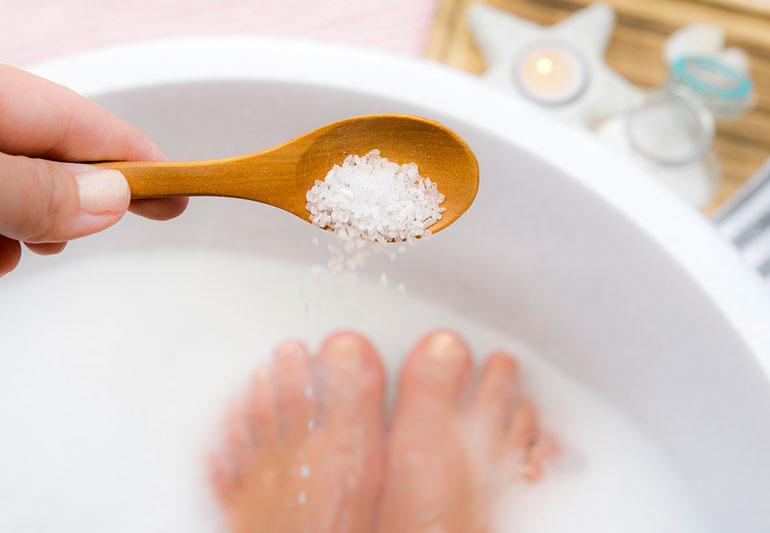
Dissolve ½ cup Epsom salts in a basin of warm water. Soak feet for 15-20 minutes, focusing on painful areas. The magnesium sulfate reduces inflammation while softening skin. For enhanced relaxation, add 5 drops of lavender oil to your soak. Always rinse and dry thoroughly afterward, especially between toes, to prevent fungal growth.
Create Custom Essential Oil Blends
Peppermint oil cools burning sensations through its menthol content. Lavender oil reduces inflammation and promotes sleep—ideal for nighttime pain. Eucalyptus oil improves circulation to sore areas. Mix 3 drops of your chosen oil with 1 tablespoon of coconut oil as a carrier. Massage into feet before bed, then wear cotton socks to enhance absorption and prevent staining sheets.
Use Tennis Ball for Targeted Massage
Place a tennis ball under your foot while seated in a chair. Roll slowly from heel to toes, applying comfortable pressure. When you find tender spots, pause and hold gentle pressure for 30-60 seconds to release trigger points. This technique breaks up fascia adhesions that cause pain. Perform this 5-10 minutes daily, especially after long periods of sitting.
Perform Targeted Foot Stretching Routine
Tight calf muscles and plantar fascia cause 80% of foot pain cases. These targeted stretches restore flexibility and prevent future problems when done consistently, especially first thing in the morning.
Execute Morning Plantar Stretch
Before standing, wrap a towel around the ball of your foot. Gently pull your toes toward your shin until you feel a stretch in your arch. Hold for 30 seconds, then release slowly. Repeat this 3 times per foot. This simple stretch prevents the tearing sensation common with first morning steps for plantar fasciitis sufferers.
Complete Wall Calf Stretch
Stand arm’s length from a wall with one foot forward and the other back. Keep your back leg straight with the heel firmly on the ground. Lean forward until you feel a stretch in your calf. Hold for 30 seconds, then repeat 3 times on each leg. Tight calves directly contribute to heel and arch pain by pulling on the plantar fascia.
Implement Proper Footwear Fixes Immediately

Shoes either heal or harm—there’s no neutral option. Evaluating and correcting footwear eliminates the root cause of most foot pain within days when done correctly.
Conduct Shoe Assessment Now
Replace shoes showing worn-down heels, compressed midsoles, holes in lining, or tilted wear patterns. Test shoe flexibility—they should bend at the ball of the foot, not mid-shoe. Check the heel counter—it should be firm and not collapse when pressed with your thumb. Most athletic shoes lose support after 300-500 miles of use.
Select Correct Inserts for Your Foot Type
For flat feet, choose rigid orthotics with substantial arch support. For high arches, select cushioned inserts that provide shock absorption. For heel pain, use heel cups or full-length plantar fasciitis inserts with a deep heel cup. Start with wearing new inserts for just 2 hours daily, gradually increasing to prevent adjustment pain.
Establish Night Treatment Strategies
Healing happens during sleep—maximize these 8 hours with proper positioning and overnight treatments that prevent morning pain.
Apply Night Splints for Plantar Fasciitis
Wear night splints that keep your feet flexed at 90 degrees to prevent fascia tightening overnight. Start with wearing them for 2-3 hours initially, gradually building to full night wear. Expect to see reduction in morning heel pain after 2-3 weeks of consistent use. These devices maintain a gentle stretch while you sleep.
Use Moisturizing Socks Overnight
Apply thick moisturizer to dry, cracked heels before bed, then wear cotton socks overnight. This prevents heel cracks that cause pain with every step. For added cushioning, use socks with silicone heel cups. Remove immediately if skin becomes too soft—maintain balance between hydration and protection.
Create Your Long-term Prevention Plan
Preventing foot pain proves far easier than treating chronic conditions. These daily habits eliminate most problems before they start and keep your feet pain-free for years.
Start Each Day with a Foot Routine
Before standing, perform ankle circles 10 times in each direction. Point and flex your feet 20 times to increase circulation. Gently massage your arches for 30 seconds per foot. This prepares your feet for daily stresses and prevents the morning heel pain that plagues so many.
Implement Evening Maintenance Ritual
Wash feet daily with mild soap, drying thoroughly between toes to prevent fungal infections. Inspect for cuts, blisters, or color changes that might indicate problems. Apply moisturizer to prevent cracks, but avoid between toes. Rotate shoes daily—never wear the same pair two days consecutively—to allow materials to recover their shape and support.
Recognize When Professional Help Is Needed
Home treatments solve 90% of foot pain cases within 2-4 weeks. Knowing when to seek professional care prevents minor issues from becoming chronic problems requiring more intensive treatment.
Watch for Critical Warning Signs
Seek immediate care for inability to walk 4+ steps without severe pain, visible deformity, open wounds (especially with diabetes), or sudden severe swelling. Schedule appointments for pain persisting beyond 4 weeks of consistent home treatment, numbness or tingling that doesn’t resolve, or pain severe enough to affect sleep quality.
Track Your Home Treatment Progress
Keep a simple pain diary rating your discomfort 1-10 each morning, afternoon, and evening. Note activities that trigger flare-ups and which treatments provide relief. This information proves invaluable if you do need to see a professional and helps you identify patterns in your pain.
Your feet carry you through life—treating them with daily care prevents the chronic pain that sidelines active adults. Start with the immediate relief techniques today, then build a prevention routine that keeps you moving pain-free for decades to come. Most foot pain resolves with consistent home care when you apply the right treatment for your specific condition.