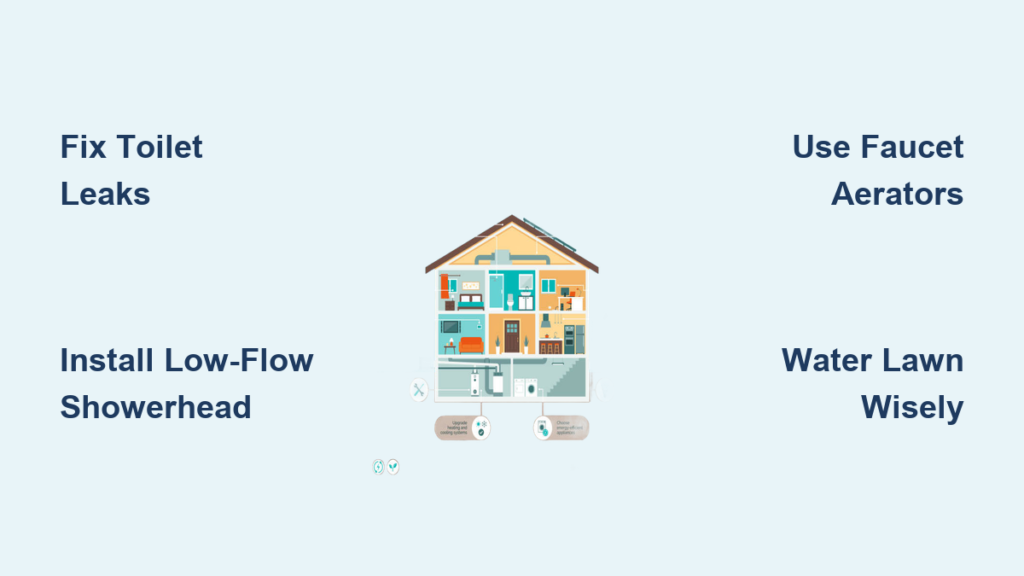
Your morning shower might be costing more than you think. With over 40% of American communities now battling drought conditions and water restrictions becoming standard practice, every drop counts. The average household wastes 300 gallons daily—yet you can slash this by 20-30% without sacrificing comfort. This guide reveals exactly where your water vanishes and how to stop the drain with practical, no-nonsense solutions.
Stop guessing where water disappears. Within 15 minutes, you’ll pinpoint leaks wasting thousands of gallons yearly while implementing upgrades that pay for themselves in months. From silent toilet leaks to inefficient outdoor watering, we’ll transform your home into a water-saving powerhouse.
Stop Silent Toilet Leaks Wasting 200 Gallons Daily

That innocent drip you ignore could be costing you $50 monthly. Toilets account for 24% of indoor water use, and leaks often go undetected for months. Start with this foolproof detection method: Drop food coloring into your toilet tank before bed. If color seeps into the bowl by morning without flushing, you’ve found a leak draining up to 200 gallons daily.
Immediate leak repair checklist:
– Replace worn flappers ($5 fix taking 10 minutes)
– Adjust float height to lower water level in tank
– Tighten loose fill valves causing constant running
– Install dual-flush converters to cut flush volume 68%
A single dripping faucet wastes 3,000+ gallons yearly—enough to fill a standard bathtub 40 times. Check under sinks weekly for damp spots and listen for running toilets at night when household noise is minimal.
Fix Shower Water Waste in Under 5 Minutes
Your showerhead is likely blasting 2.5 gallons per minute, but WaterSense-certified models deliver powerful rinses at 2.0 GPM or less. Swap your old showerhead today to save 2,900 gallons annually for a family of four—no plumbing skills needed. Most take 3 minutes to install with just a wrench and Teflon tape.
Shower strategy that actually works:
– Create a 4-minute playlist (two 2-minute songs)
– Turn water off while lathering hair and body
– Install a $15 inline shutoff valve to pause flow during soaping
– Use cold water for final rinse to save energy too
Pro tip: Stand on a bathmat to catch runoff during your shower. That captured water can nourish your houseplants or garden later.
Eliminate Kitchen Water Waste While Cooking
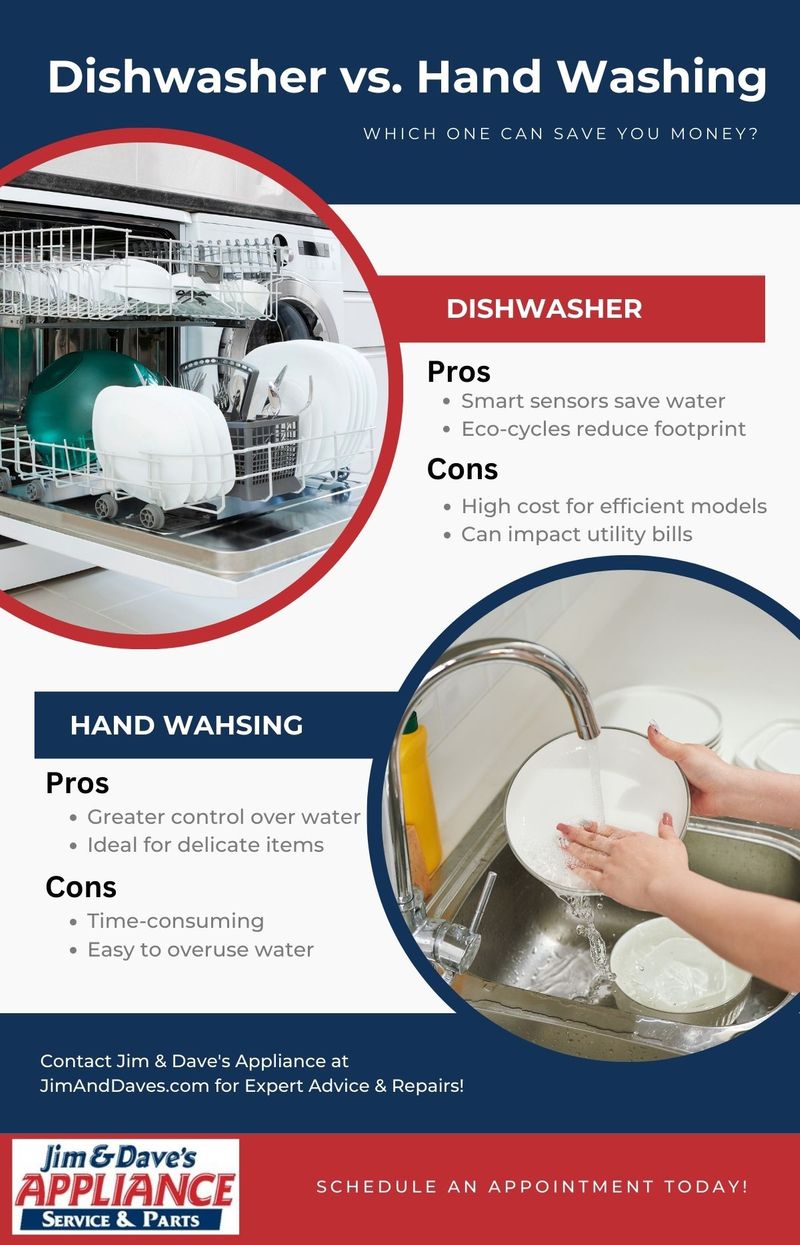
Ditch the myth that hand-washing dishes saves water. Energy Star dishwashers use just 4-6 gallons per cycle versus 27 gallons for hand-washing. Skip pre-rinsing completely—modern dishwashers clean better with food residue. This single change saves 6,000 liters (1,585 gallons) yearly.
Kitchen water hacks you’ll use daily:
– Keep a pitcher of drinking water in the fridge instead of running taps
– Designate one reusable water bottle per family member
– Fill a bowl for vegetable washing (use nutrient-rich water on plants)
– Thaw frozen food in the fridge overnight, not under running water
Soak stubborn pots instead of scrubbing under running water. For every minute you avoid rinsing dishes, you save 2.5 gallons. Track your savings on the fridge—most families cut kitchen water use by 30% within a week.
Optimize Laundry Water Use Starting Today

Energy Star washing machines use 40% less water than conventional models—10-12 gallons versus 40+ for older top-loaders. Front-loading machines are most efficient, using gravity instead of agitators. But even with older machines, these tactics slash usage:
Laundry water savings protocol:
– Wash only full loads (but never overstuff)
– Use cold water cycles for 90% of loads
– Measure HE detergent precisely—excess suds trigger extra rinses
– Select “light soil” setting for routine laundry
– Wear jeans 2-3 times before washing
Raise your water level selector only when absolutely necessary. Many modern machines auto-detect load size—disable manual overrides to prevent overfilling. This reduces water use by 15 gallons per load.
Transform Outdoor Watering From Wasteful to Wise
Outdoor watering guzzles 30% of household water—often wasted through evaporation and runoff. Water lawns only when needed: Step on grass—if it springs back, skip watering. When you do water, deliver exactly 1 inch weekly using this tuna can method:
Drought-proof lawn strategy:
– Water between 5-9 AM when evaporation is lowest
– Place empty tuna cans around lawn—stop when 1 inch accumulates (30-60 mins)
– Raise mower height to 3-4.5 inches for natural moisture retention
– Leave grass clippings as free mulch to retain soil moisture
Replace half your lawn with native plants requiring no supplemental watering. Group plants by water needs and install drip irrigation (50% more efficient than sprinklers). Collect rainwater in barrels—1 inch of rain on a 1,000 sq ft roof yields 600 gallons.
Install $50 Water-Saving Upgrades With Immediate ROI
Most water companies provide free low-flow devices—check your utility’s conservation program first. For under $50, implement this upgrade plan:
High-impact water-saving kit:
– WaterSense showerhead ($15-25, saves 2,900+ gallons/year)
– Dual-flush converter for toilets ($20, saves 10,000+ gallons)
– Faucet aerators for all sinks ($10, saves 700 gallons/faucet yearly)
Place partially filled plastic bottles in toilet tanks to displace water (use pebbles to prevent floating). This reduces flush volume by 0.5-1 gallon instantly. For dishwashers, scrape—not rinse—plates to skip pre-wash cycles saving 1,000+ gallons annually.
Track Your Water Savings Like a Pro
Don’t guess—measure your progress. Set a water budget 20% below last year’s usage. Every Sunday night, record your meter reading and compare week-over-week. Sudden spikes indicate leaks needing immediate attention.
Family water challenge system:
– Create a visible savings chart with gallon milestones
– Reward first 1,000-gallon reduction with a special outing
– Use cooking water (unsalted) for houseplants—double savings
– Install a smart water monitor that alerts to abnormal usage
Kids become conservation champions when they see tangible results. Our household saved 8,200 gallons in 30 days by turning leak detection into a weekend scavenger hunt.
Claim Local Water Savings Programs Now
Before buying upgrades, check for rebates. California’s Save Our Water program offers $100 for efficient toilets. Many UK water companies provide free shower timers and leak detection strips. Use the EPA WaterSense rebate finder to locate incentives in your area.
Maximize free resources:
– Schedule free home water audits through your utility
– Request free soil moisture sensors for precise watering
– Get drought-tolerant plant catalogs from county extension offices
– Attend virtual workshops on rainwater harvesting
Bottom line: Most households cut water use by 25% within 30 days using these exact steps. Start tonight with the food coloring toilet test—fixing that single leak could save 73,000 gallons yearly. Pair it with a $10 aerator installation tomorrow, and you’ve already slashed waste by 10%. With droughts intensifying nationwide, every drop you conserve today ensures water security for your community tomorrow. Implement one strategy from each section this week, and you’ll save over 15,000 gallons before month’s end—money in your pocket and a healthier planet.