That $56 you tossed in the trash last week? It’s enough to cover your Friday night takeout. American households waste 40% of all food purchased—nearly $3,000 per family yearly—while rotting food generates methane emissions in landfills equivalent to 37 million cars. But here’s the hopeful truth: Simple kitchen habit shifts can slash your waste by half within a month. You’ll learn exactly how to transform wilted greens into gourmet pesto, decode confusing expiration labels, and turn “ugly” produce into savings—all proven by USDA and EPA data.
This isn’t about perfection. It’s about practical tactics that fit real life: the busy parent repurposing last night’s rice into breakfast congee, the student freezing herb ends for future pesto, or the couple turning overripe bananas into freezer-ready smoothie packs. By the end, you’ll have a personalized action plan to keep food out of landfills and money in your pocket.
Conduct Your $1,500 Food Waste Audit (7 Days)
Before buying new containers or apps, pinpoint exactly what—and why—you’re throwing away. Most families discover 30% of groceries hit the trash due to poor planning, not spoilage. Track every wasted item for one week: write the food, amount, reason, and estimated cost on your fridge notepad. You’ll likely find patterns like forgotten leftovers or misjudged portions.
The Fridge Photo Method That Stops Overbuying
Snap your refrigerator contents before shopping. This visual inventory prevents duplicate purchases and highlights expiring items needing immediate use. During your audit week, note which foods consistently go bad—like that third container of spinach. Target these troublemakers first in your waste-reduction plan.
Digital Tools That Automate Savings
Ditch guesswork with these free apps:
– FoodKeeper: USDA-backed storage timelines showing eggs last 3-5 weeks past “sell by” dates
– NoWaste: Scan grocery receipts to track expiration dates automatically
– Guest-imator: Calculate exact portions for gatherings (no more half-gallons of untouched coleslaw)
Master Meal Planning for Real Families (Not Pinterest Perfection)
Building meals around existing ingredients—not store flyers—cuts waste by 23%. Start with a 10-minute pantry/fridge scan. Spot that wilting kale? Plan three meals using it: Monday’s frittata, Tuesday’s pesto pasta, Wednesday’s smoothie. Overripe bananas? Freeze now for Saturday’s banana bread.
Your Anti-Waste Shopping List Template
| Category | Waste-Reducing Picks | Why It Works |
|---|---|---|
| Proteins | Eggs, chicken thighs, canned beans | Versatile across meals; beans last months |
| Veggies | Carrots, onions, spinach | Survive fridge longer; spinach revives in ice water |
| Pantry | Rice, pasta, canned tomatoes | Stretch meals; tomatoes transform leftovers |
Pro Tip: Buy “ugly” produce at 30% discounts from services like Imperfect Foods. Those knobby carrots taste identical but often get trashed by supermarkets.
Store Food Like a Commercial Kitchen (No Degree Needed)
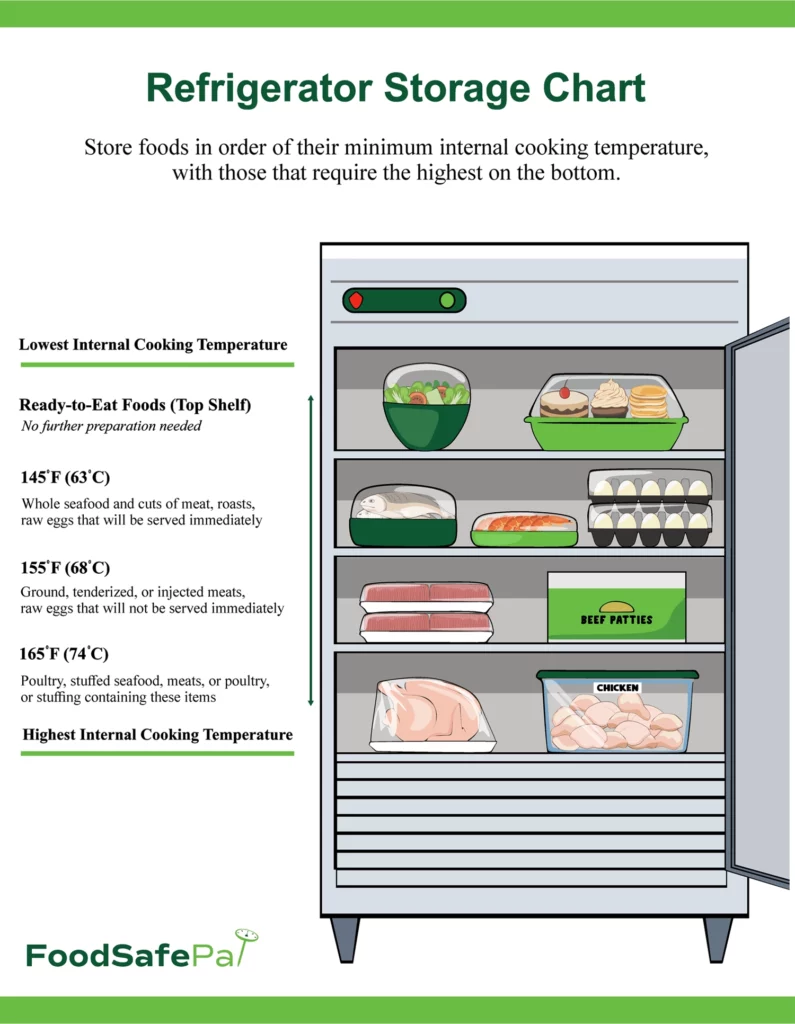
Your fridge has temperature zones most misuse. Raw meat on the door? That’s the warmest spot—guaranteeing faster spoilage. Meat belongs on the bottom shelf where it’s coldest (40°F or below). Door space is strictly for condiments. Here’s your zone map:
- Crisper Drawers: High humidity (closed vent) for leafy greens; low humidity (open vent) for apples/pears
- Upper Shelves: Leftovers and ready-to-eat foods (most stable temperature)
- Freezer: Portion-freeze milk in ice cube trays for cooking; label bags with “1 cup” for recipes
Produce Hacks That Add Days to Shelf Life
- Bananas: Separate from other fruits immediately—they emit ethylene gas that speeds ripening. Once spotted, refrigerate to halt decay.
- Leafy Greens: Wash, spin dry, then store in airtight container lined with paper towel (replaces moisture daily).
- Herbs: Trim stems, place in water glass, and cover loosely with a plastic bag—lasts 2+ weeks.
- Celery: Stand upright in 1″ of water in the fridge; refresh water every 2 days.
Turn Leftovers Into “I Can’t Believe It’s Not New” Meals
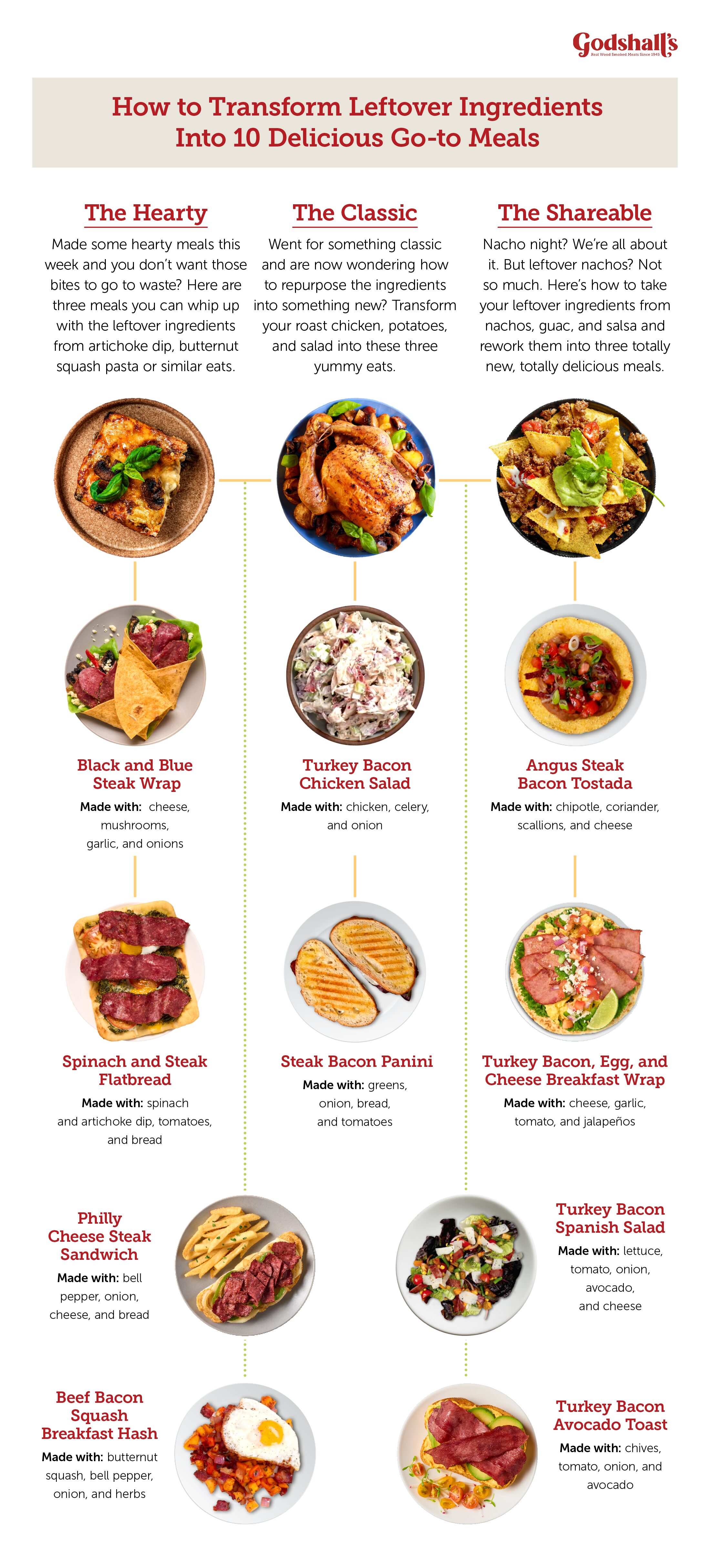
Designate Fridge Clean-Out Night every Friday. Combine random ingredients using these foolproof formulas:
– Stir-fry Savior: Sauté forgotten veggies + protein scraps + 3 tbsp soy sauce + cooked rice
– Soup Resurrection: Simmer wilted greens + leftover grains + broth (use your scrap stock!)
– Frittata Fix-It: Whisk 6 eggs with herbs; pour over cooked veggies/meat in oven-safe skillet
Build Your Scrap Stock System
Keep a freezer bag for onion skins, carrot tops, and mushroom stems. When full (about 2 weeks), dump into a pot with 8 cups water, simmer 1 hour, and strain. This rich broth replaces $4 store-bought cartons—use within 4 days or freeze.
Critical Rule: Never add broccoli, cabbage, or strong-smelling scraps—they’ll ruin the flavor.
Decode Date Labels Like a Grocery Pro (Stop Throwing Out Good Food)

“Best by” dates indicate peak quality—not safety. Except for infant formula, these labels are marketing tools. Trust your senses instead:
– Milk: Good 5-7 days past “sell by” if refrigerated (sour smell = toss)
– Yogurt: Safe 1-2 weeks past date; scoop off surface mold
– Hard Cheese: Cut 1″ around mold; rest is fine (shredded cheese must be trashed)
Never Toss These:
– Eggs: Float test—they sink when fresh; stand upright in water if older but safe
– Carrots: White blush is dehydration, not spoilage—soak in ice water
Start Composting in Under 5 Minutes (Even in Apartments)
Skip complex bins. Use a $15 countertop compost pail with charcoal filter (odor-free). Collect coffee grounds, eggshells, and fruit scraps. Drop off weekly at community gardens or use services like CompostNow (25+ states). Key: Never add meat/dairy—it attracts pests.
Apartment Hack: Freeze scraps until drop-off day. No smell, no mess.
Measure Your $ Savings Monthly (Stay Motivated)
Track three metrics every 30 days:
1. Grocery Bill Comparison: Subtract current week from pre-audit average
2. Trash Volume: Note how many bags you fill (less waste = fewer pickups)
3. Donation Impact: Log pounds given to food banks (e.g., 5 lbs of canned goods feeds a family)
Month 1 Win: Most families save $100+ by fixing just two habits—better storage and the Fridge Clean-Out Night.
Emergency Food Management for Power Outages
Keep a 3-day supply of non-perishables you’ll actually eat: nut butters, canned beans, whole-grain crackers. Rotate using FIFO (First In, First Out): New items go behind old ones. Set phone reminders to donate items 2 months before expiration to food banks—prevents waste while helping neighbors.
Your 5-Step Quick Start Plan (Do Tonight)
Don’t overhaul everything at once. Implement these immediately:
1. Tonight: Move bananas away from other fruits on your counter
2. Tomorrow: Photograph your fridge before shopping
3. This Week: Plan 3 meals using existing pantry items
4. Next Week: Freeze leftover herbs in olive oil cubes
5. This Month: Find a local compost drop-off site via ShareWaste.com
Pro Tip: Master just three strategies first. FoodKeeper app + Fridge Clean-Out Night + proper crisper settings typically cut waste 30% in 30 days. Every banana saved is $0.25 back in your wallet—and one less item rotting in a landfill.
Your journey to zero-waste cooking begins at your next grocery trip. That $56 weekly savings? It’s not hypothetical—it’s your reality when food stays in your kitchen, not the trash. Start with the banana trick tonight. By Friday, you’ll be transforming leftovers into meals your family requests. And that $3,000 annual windfall? It’s already waiting in your unused spinach and forgotten yogurt.