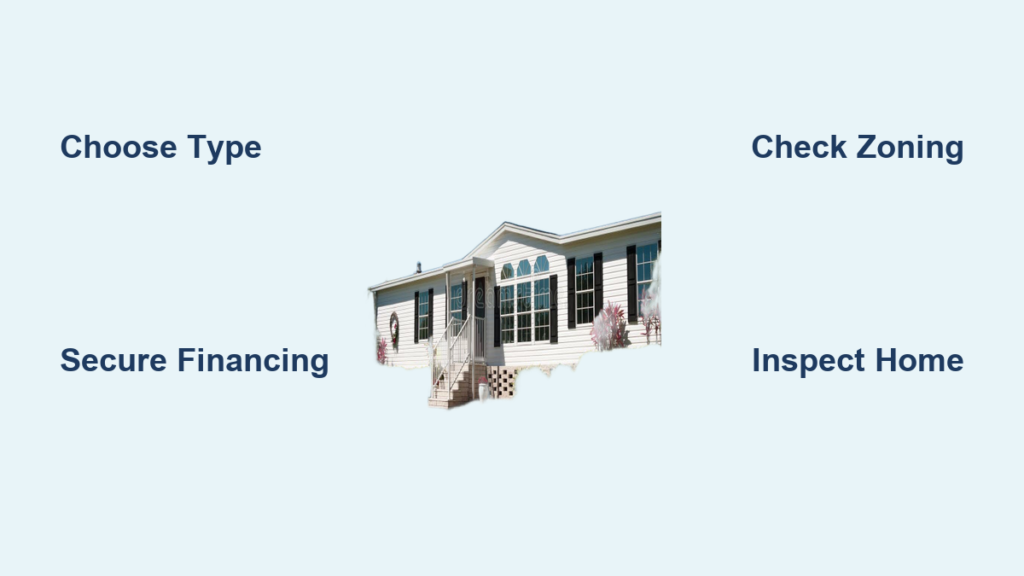
Buying a mobile home offers an affordable path to homeownership, but the process differs dramatically from traditional real estate. Whether you’re eyeing a cozy single-wide in a family park or a sprawling double-wide on private land, understanding the unique steps—from financing quirks to zoning headaches—can save you thousands and years of regret. This guide walks you through every critical decision, helping you navigate dealer negotiations, loan approvals, and site preparation like a seasoned investor. Learn exactly how to purchase a mobile home without falling victim to common pitfalls that trap first-time buyers.
Identify Your Mobile Home Type Before Committing
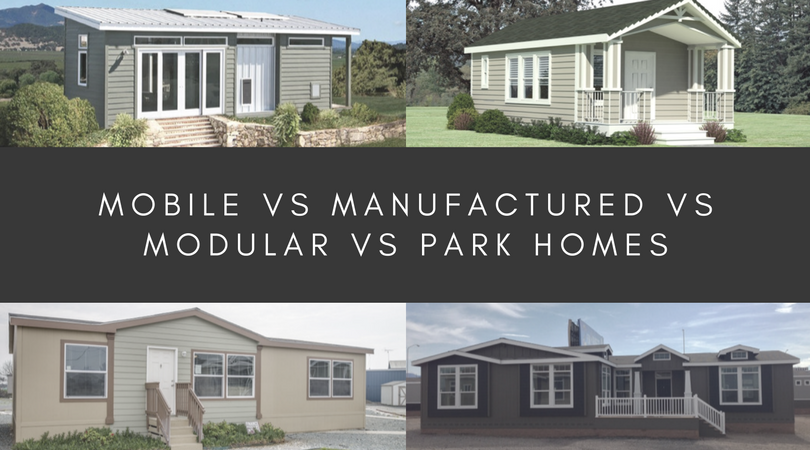
Choose Between Manufactured vs Modular Homes
Manufactured homes built after June 15, 1976 meet federal HUD Code standards and feature permanent steel chassis for transportation. These typically cost $40,000-$120,000 new and arrive in one or two sections depending on size—single-wide (14-18 feet wide) or double-wide (20+ feet wide). They’re classified as personal property unless permanently affixed to land, which affects financing options. Modular homes, by contrast, are factory-built components assembled on permanent foundations following local building codes. They lack steel chassis, qualify for traditional mortgages, and often appreciate like site-built houses—but expect to pay $100-$200 per square foot.
New Construction Benefits You Can’t Ignore
New manufactured homes include valuable 1-year comprehensive warranties plus 10-year structural coverage. You’ll have customization options for floor plans, finishes, and energy packages before construction begins. The average cost runs $70-$120 per square foot with delivery timelines of 4-12 weeks from order. Look for ENERGY STAR certification and construction quality indicators like 2×6 exterior wall studs, R-19 to R-33 insulation ratings, and 30-year architectural shingles. These features not only improve comfort but also maintain your home’s value long-term.
Used Mobile Home Pros and Hidden Costs
Used units priced $10,000-$80,000 offer immediate occupancy in established neighborhoods. Focus exclusively on 1976+ models to ensure financing eligibility and HUD Code compliance. Budget $300-$600 for a professional inspection covering structural integrity, electrical systems, plumbing, and moisture damage. Remember that mobile homes depreciate 3-3.5% annually after the first year, making resale timing crucial. Verify the title is clear of liens and request certified copies of all documentation before proceeding.
Secure Financing Before Stepping Foot in a Dealership

Chattel Loan Requirements for Land-Lease Situations
Personal property loans treat your mobile home like a car—higher rates (7-12%) but faster approval in 2-4 weeks. You’ll need a 620+ credit score, 5-20% down payment, and debt-to-income ratio under 43%. Best for land-lease situations where you don’t own the lot, these loans have lower closing costs ($1,000-$3,000) but shorter terms (10-20 years). Credit unions often offer the most competitive terms here, so shop around before accepting dealer financing.
Real Estate Mortgage Path for Home-and-Land Packages
Conventional mortgages require permanent foundation certification and real property titling. Rates drop to 4-7% with 680+ credit scores, but closing costs jump to 3-5% of loan amount. FHA Title II programs allow 3.5% down payments for home-and-land packages, while VA loans provide zero-down options for eligible veterans. These require stricter appraisal standards but offer longer terms (15-30 years) and better long-term value potential.
Budget Beyond the Sticker Price Immediately
Your $75,000 mobile home quickly becomes $95,000+ after transportation ($5,000-$15,000), utility connections ($2,000-$10,000), and site preparation. Factor in annual costs: insurance ($300-$1,000), lot rent ($200-$800 if applicable), and property taxes that vary by state classification. Smart buyers pre-approve for 20% above their target price to handle surprise expenses. Create a spreadsheet tracking total ownership costs including land, utilities, and maintenance before committing.
Research Locations With Zoning in Mind
Land Purchase vs Park Living Tradeoffs
Buying private land grants full control and potential appreciation but requires $20,000-$200,000 upfront investment plus utility installation. Mobile home parks offer lower entry costs with amenities like pools and maintenance, but lot rent increases 3-5% annually. Lease-to-own land arrangements bridge both worlds—expect higher total costs but gradual equity building. Family land placement reduces land costs but requires navigating zoning and permit requirements.
Zoning Deal-Breakers That Derail Purchases
Call local planning departments before falling in love with any property. Many areas restrict mobile homes to designated parks or require 1-acre+ lots. Check setback requirements, utility access availability, and flood zone classifications. HOA communities often ban manufactured homes entirely—verify CC&Rs before making offers. Confirm park lease terms exceed your loan duration and check for pending park sales that could trigger eviction.
Inspect Like a Professional Before Signing
HUD Label Verification Saves Future Headaches
Every compliant manufactured home displays a red metal certification label on the exterior. Inside, find the data plate (often near electrical panel) showing wind zone, thermal zone, and roof load specifications. Missing labels create financing nightmares—walk away unless sellers can provide HUD certification documents. Verify VIN numbers match titles and request previous inspection reports before proceeding.
Hidden Damage Red Flags You Must Check
Probe flooring near toilets and exterior walls for soft spots indicating water damage. Check ceiling seams for cracks suggesting structural settling. Test every window and door—misalignment reveals foundation issues. In used homes, inspect the underbelly for rodent damage or insulation problems. Look for warped flooring, evidence of mold, and improper previous repairs that could indicate serious structural issues.
Negotiate Purchase Price Like a Pro
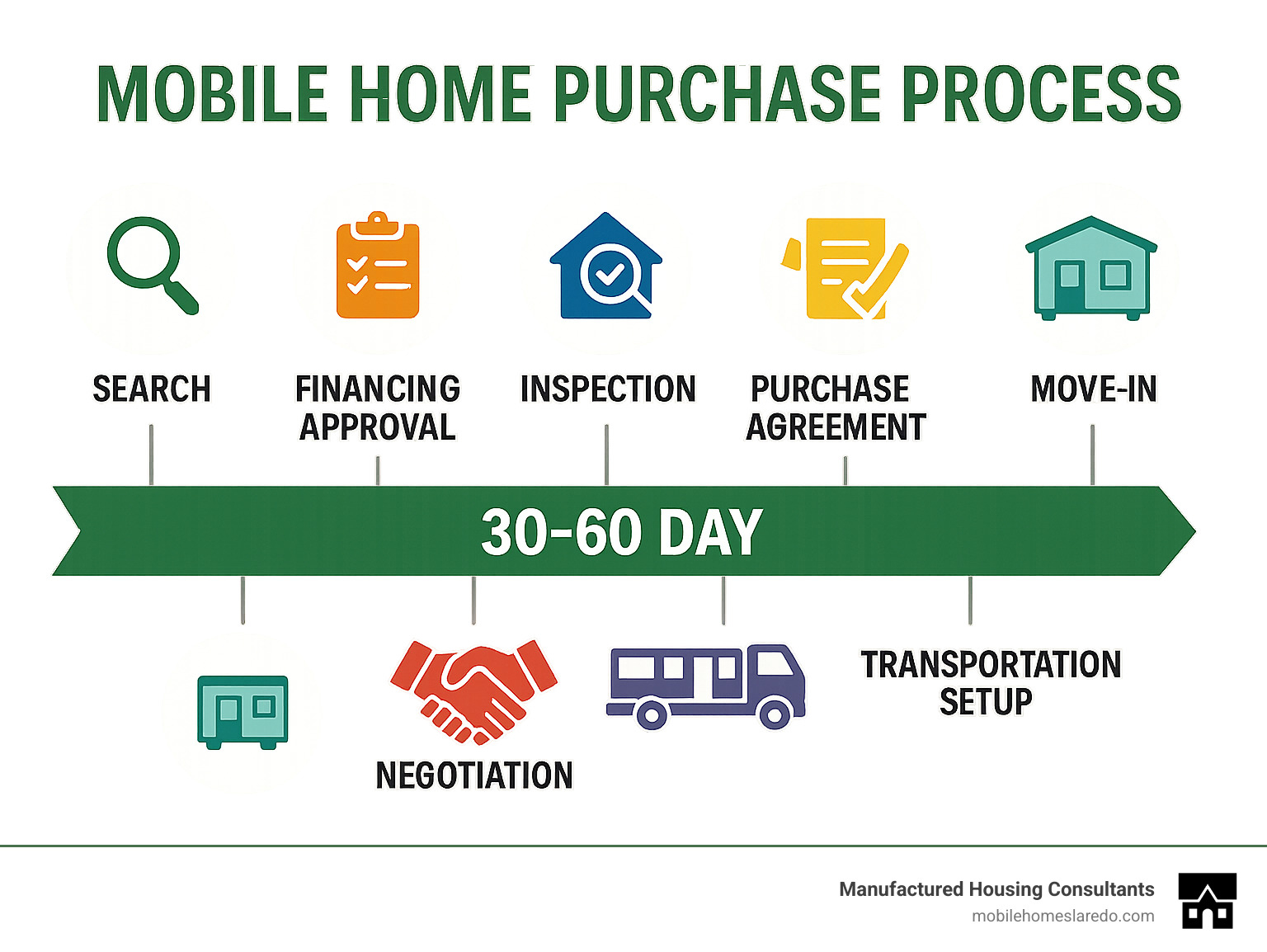
Leverage Market Data for Maximum Savings
Research comparable sales within 5-mile radius using MobileHome.net and MHBO.com. Factor in days-on-market—properties listed 90+ days offer 10-15% negotiation room. Cash purchases typically secure 5-8% discounts, while dealer-arranged financing inflates prices 15-25%. Always negotiate appliances, skirting, and utility connections as included items. Focus negotiations on add-ons rather than base price with new homes.
Dealer vs Private Sale Tactics That Work
Dealers mark up new homes 20-40% above factory cost—use this knowledge strategically. Private sellers often price emotionally; use inspection reports documenting needed repairs as bargaining chips. For park homes, negotiate transfer fees and security deposits into the purchase agreement. Get everything in writing before making an earnest money deposit.
Handle Transportation Logistics Properly
Professional Mover Selection Criteria
Licensed transporters charge $5-$15 per mile plus $1,000-$5,000 setup fees depending on home size. Verify their insurance covers structural damage during moves. For homes over 16 feet wide, budget additional pilot car costs and route survey fees. Schedule utility disconnection 2 weeks before move date and coordinate with the mover for any special permits required.
Site Preparation Timeline You Can’t Rush
Foundation installation takes 1-3 days for pier-and-beam systems, 1-2 weeks for slabs. Coordinate electrical service installation (100-200 amp typical) and septic permits simultaneously. In cold climates, complete foundation work before frost sets in—concrete won’t cure properly below 40°F. Ensure your site has proper drainage to prevent moisture issues under the home.
Complete Legal Requirements Without Delays
Title Transfer Process Made Simple
Used mobile homes require title transfers through state DMV or manufactured housing divisions. Budget $50-$200 in fees plus sales tax. Verify lien releases from previous lenders and request certified copies of all documentation. New homes arrive with Manufacturer’s Certificate of Origin converting to title after installation. Confirm insurance is active before loan closing—mortgage lenders require it.
Strategic Improvements That Boost Value
Deck additions deliver 70-80% ROI while expanding living space. Energy upgrades like new windows or HVAC systems reduce utility bills and attract buyers. Re-level your home every 2-3 years ($300-$800) to prevent door misalignment. Foundation upgrades from piers to permanent foundations can transform financing options, opening conventional mortgage possibilities for future buyers.
Avoid Costly First-Time Buyer Mistakes
Financial Red Flags That Signal Trouble
Run from dealers pushing in-house financing at 12%+ rates—shop credit unions first. Avoid rent-to-own deals with non-refundable option fees exceeding 3% of purchase price. Never sign contracts with balloon payments or prepayment penalties. Require written breakdowns of all fees before earnest money deposits. Verify seller’s ownership and confirm no outstanding liens before signing.
Legal Land Mines That Trap Unprepared Buyers
Verify park lease terms exceed your loan duration—some communities prohibit homeowners over 55 or restrict pet ownership. Confirm no pending park sales that could trigger eviction. For private land, ensure easements exist for utility access and that mineral rights haven’t been severed from surface rights. Check local zoning ordinances for mobile home placement restrictions before falling in love with a property.
Next Steps: Get pre-approved through a manufactured home credit union before visiting dealers. Research 3-5 potential locations for zoning compliance. Create a spreadsheet tracking total ownership costs including land, utilities, and maintenance. This preparation transforms you from vulnerable buyer to informed negotiator ready to secure your ideal mobile home at the right price. Understanding how to purchase a mobile home properly protects your investment and ensures your path to affordable homeownership stays on track.