Water damage strikes one in 50 homes every year, causing over $13 billion in destruction annually. That dripping faucet, the slight basement dampness, or the clogged gutter you’ve been ignoring could escalate into thousands in repair costs and dangerous mold growth within hours. The good news? Most water damage is entirely preventable with targeted actions you can implement immediately. This guide delivers precise, actionable steps to protect your home from water intrusion at its source—whether it’s foundation seepage, roof leaks, or plumbing failures. You’ll learn exactly what to do, when to do it, and how to catch problems before they become disasters.
Fix Foundation Drainage Before Basement Flooding Occurs
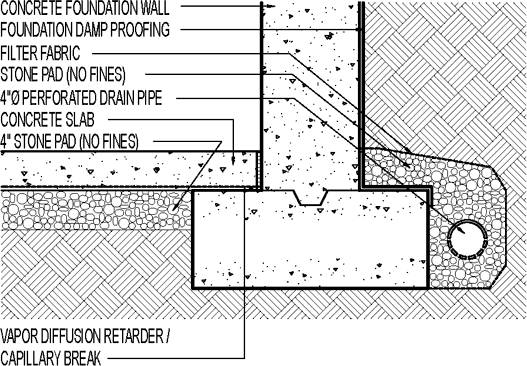
Your foundation’s battle against groundwater determines whether your basement stays dry or becomes a swimming pool during heavy rains. Ignoring this critical barrier leads to structural weakening and toxic mold growth that affects your family’s health.
Create Proper 6-Inch Slope Away from Foundation Walls
Immediately correct improper grading by ensuring soil slopes away from your foundation at 6 inches over the first 10 feet. Use a simple level and tape measure to verify the grade—water should flow away naturally during storms, not pool against your basement walls. For existing homes with poor grading, add topsoil and reseed grass to establish the correct slope, focusing on problem areas where water currently collects.
Seal Foundation Cracks Within 48 Hours of Discovery
Inspect basement walls quarterly with a flashlight, paying special attention to corners and where walls meet floors. For hairline cracks under 1/4 inch, apply hydraulic cement following manufacturer instructions during dry weather for maximum adhesion. Warning: Cracks wider than a quarter inch or showing active water seepage require professional assessment immediately—delaying could lead to structural compromise.
Eliminate Roof and Gutter Water Intrusion Immediately
Your roof and gutter system handles thousands of gallons of water annually, but neglect turns this protection system into a source of damage. Clogged gutters and damaged shingles channel water directly into your home’s structure.
Clean Gutters Every 3 Months to Prevent Overflow Damage
Remove leaves, pine needles, and debris from gutters at least four times yearly—especially after fall leaf drop and spring pollen season. Stand on a stable ladder with a gutter scoop, working toward downspouts to ensure complete debris removal. Pro tip: Install gutter guards appropriate for your tree type, but remember they still require quarterly inspection—no system eliminates maintenance completely.
Stop Ice Dams Before Winter Storms Hit
In cold climates, prevent ice dams by upgrading attic insulation to R-38 rating and ensuring proper ventilation (1 square foot of vent space per 150 square feet of attic floor). Install heat cables along roof edges before first snowfall in areas prone to ice buildup. During winter, safely remove snow from the lower 3-4 feet of your roof after major storms using a roof rake to prevent melting/refreezing cycles.
Prevent Plumbing Catastrophes with Targeted Maintenance
Plumbing failures cause nearly 30% of all water damage claims, often striking when you’re away from home. These preventable disasters flood your home with hundreds of gallons before you even know something’s wrong.
Replace Washing Machine Hoses Before They Burst
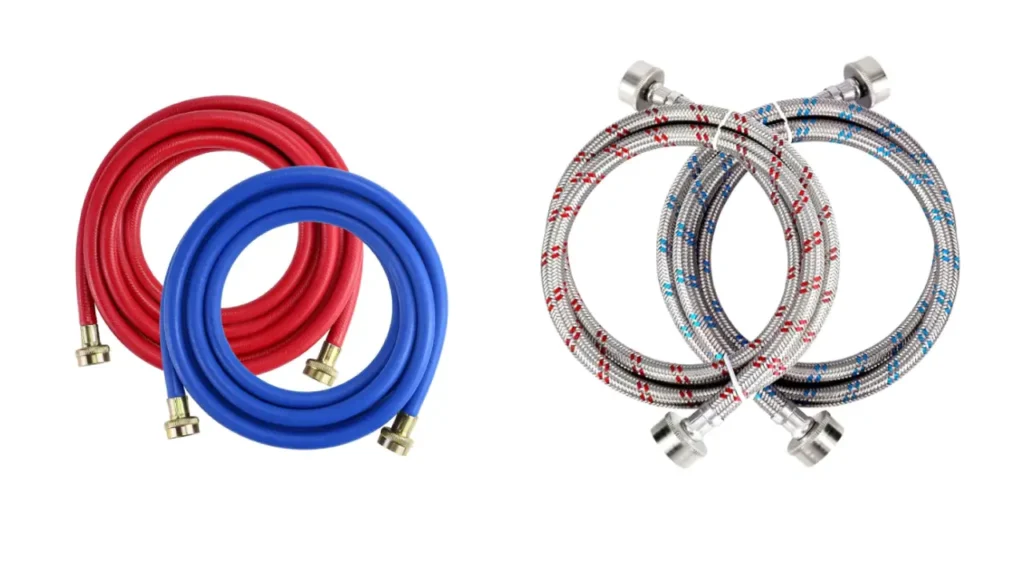
Upgrade rubber washing machine hoses to braided steel versions and replace them every 3 years regardless of appearance. Inspect connections quarterly for bulges, corrosion, or moisture—critical warning signs that failure is imminent. Install wireless water leak detectors behind your washer that send smartphone alerts the moment moisture is detected, giving you time to shut off water before major damage occurs.
Insulate Pipes in Unheated Areas Before First Freeze
Wrap all exposed pipes in basements, crawl spaces, and garages with foam insulation sleeves before temperatures drop below 40°F. For pipes in exterior walls, consider heat tape with automatic thermostat control. During extreme cold (below 20°F), let faucets drip slightly and keep cabinet doors open under sinks to allow warm air circulation—this simple action prevents 95% of winter pipe freezes.
Control Interior Moisture to Stop Mold Before It Starts
Excess indoor moisture creates the perfect breeding ground for toxic mold that damages both your home and health. Proper ventilation and humidity control in moisture-prone areas prevent this silent threat.
Install Exterior-Venting Bathroom Fans Rated for Room Size
Ensure all bathrooms have exhaust fans that vent directly outside—not into attics where moisture causes rot and mold. Verify fan capacity matches room size (50 CFM minimum for small bathrooms). Run fans continuously during showers and for 20-30 minutes afterward. Test fan effectiveness by holding a tissue to the grill—it should stick firmly when operating.
Maintain Indoor Humidity Between 30-50% Year-Round
Use digital hygrometers in problem areas like basements to monitor humidity levels. Run dehumidifiers when readings exceed 50%, especially during summer months. Clean dehumidifier reservoirs and filters monthly to prevent mold growth inside the unit itself. In winter, reduce humidifier output to prevent condensation on windows that can lead to wood rot.
Install Smart Water Detection Systems That Alert You Remotely
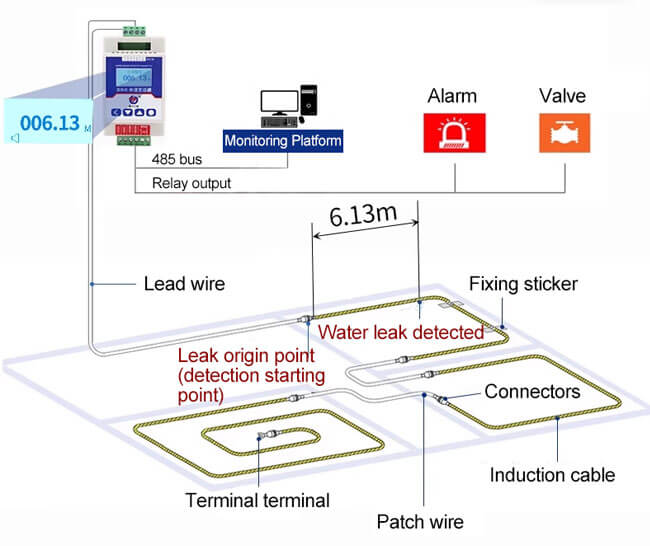
Waiting until you see water damage means it’s already too late. Modern detection systems provide early warnings that save thousands in restoration costs by catching leaks while they’re still small.
Place Leak Sensors at Critical Failure Points
Install wireless water detectors within 1 inch of potential leak sources: under sinks, behind toilets, near water heaters, and behind washing machines. Choose models that integrate with your smart home system to send immediate smartphone alerts. For whole-house protection, consider main line monitoring systems that detect abnormal water flow and automatically shut off your water supply.
Know Your Main Shutoff Valve Location and Test It Quarterly
Every household member must know exactly where the main water shutoff valve is located—typically in basements, crawl spaces, or near the water meter. Test the valve every three months to ensure it operates smoothly; stiff valves won’t function when needed most during emergencies. Consider upgrading to a smart shutoff valve that allows remote control via your phone when you’re away from home.
Follow This Seasonal Water Damage Prevention Checklist
Water threats change with the seasons—your prevention strategy must adapt accordingly. This targeted calendar focuses your efforts when risks are highest.
Spring: Repair Winter Damage Immediately
Inspect your roof for damaged shingles and compromised flashing after winter storms. Clean gutters thoroughly and test downspout flow during the first spring rain. Check foundation walls for new cracks from freeze-thaw cycles. Test sump pumps by pouring five gallons of water into the pit to verify automatic activation.
Fall: Prepare for Winter Pipe Freezing
Clean gutters after leaf fall to prevent ice dam formation. Disconnect and store garden hoses, draining exterior faucets before first frost. Shut off and drain outdoor irrigation systems using compressed air. Inspect and replace weatherstripping around doors and windows to prevent cold air infiltration that stresses pipes.
Winter: Monitor During Freezing Spells
During extreme cold (below 20°F), let faucets drip slightly and open cabinet doors under sinks. Check attics for ice dam formation after snowstorms. Monitor basement humidity levels—excessively dry air can cause wood to shrink and create gaps for cold air. Keep thermostats set to at least 55°F when away from home.
Document Everything for Faster Insurance Claims When Prevention Fails
Even with perfect prevention, water damage sometimes occurs. Proper documentation ensures you receive full coverage when you need it most.
Photograph Your Home’s Condition Before Damage Happens
Create a digital inventory of your home’s condition, focusing on areas prone to water damage: basements, bathrooms, and under sinks. Store these photos in cloud storage with date stamps. Update this documentation annually or after major renovations. Critical tip: Include shots of your water heater’s manufacturing date and washing machine hoses—these help prove proper maintenance if claims are disputed.
Maintain Detailed Maintenance Records for Every System
Keep a dedicated folder with receipts for all plumbing repairs, roof inspections, and appliance maintenance. Note dates of DIY tasks like gutter cleaning and pipe insulation upgrades. Insurance companies often deny claims when they can’t verify proper maintenance—your records prove you did everything right.
Water damage prevention isn’t about complex engineering—it’s about consistent, targeted actions that address specific vulnerabilities in your home. By implementing just three of these strategies today—fixing foundation grading, replacing old washing machine hoses, and installing leak detectors—you’ll eliminate the most common water damage pathways. Remember that a $200 prevention measure typically saves $5,000 in restoration costs. Start with the area most vulnerable in your climate, then systematically work through these strategies. Your home’s integrity and your wallet will thank you when the next storm hits.