Your VO2 max—the maximum oxygen your body can utilize during intense exercise—is the ultimate indicator of cardiovascular fitness. Unlike step counts or heart rate zones, this metric (measured in ml/kg/min) directly correlates with longevity, athletic performance, and disease prevention. While lab tests cost $200+, you can accurately measure VO2 max at home using scientifically validated methods requiring minimal or no equipment. This guide reveals exactly how to get lab-quality results in your living room, on your local track, or during neighborhood walks—no fancy machines needed.
Most home methods achieve 85-90% accuracy compared to clinical tests when performed correctly. You’ll learn which protocol matches your current fitness level, avoid common calculation errors that skew results, and interpret your score like a sports scientist. Within 20 minutes, you’ll have a baseline measurement that reveals your true cardiovascular health—and a roadmap to improve it.
Perform the Cooper 12-Minute Run Test for Runners
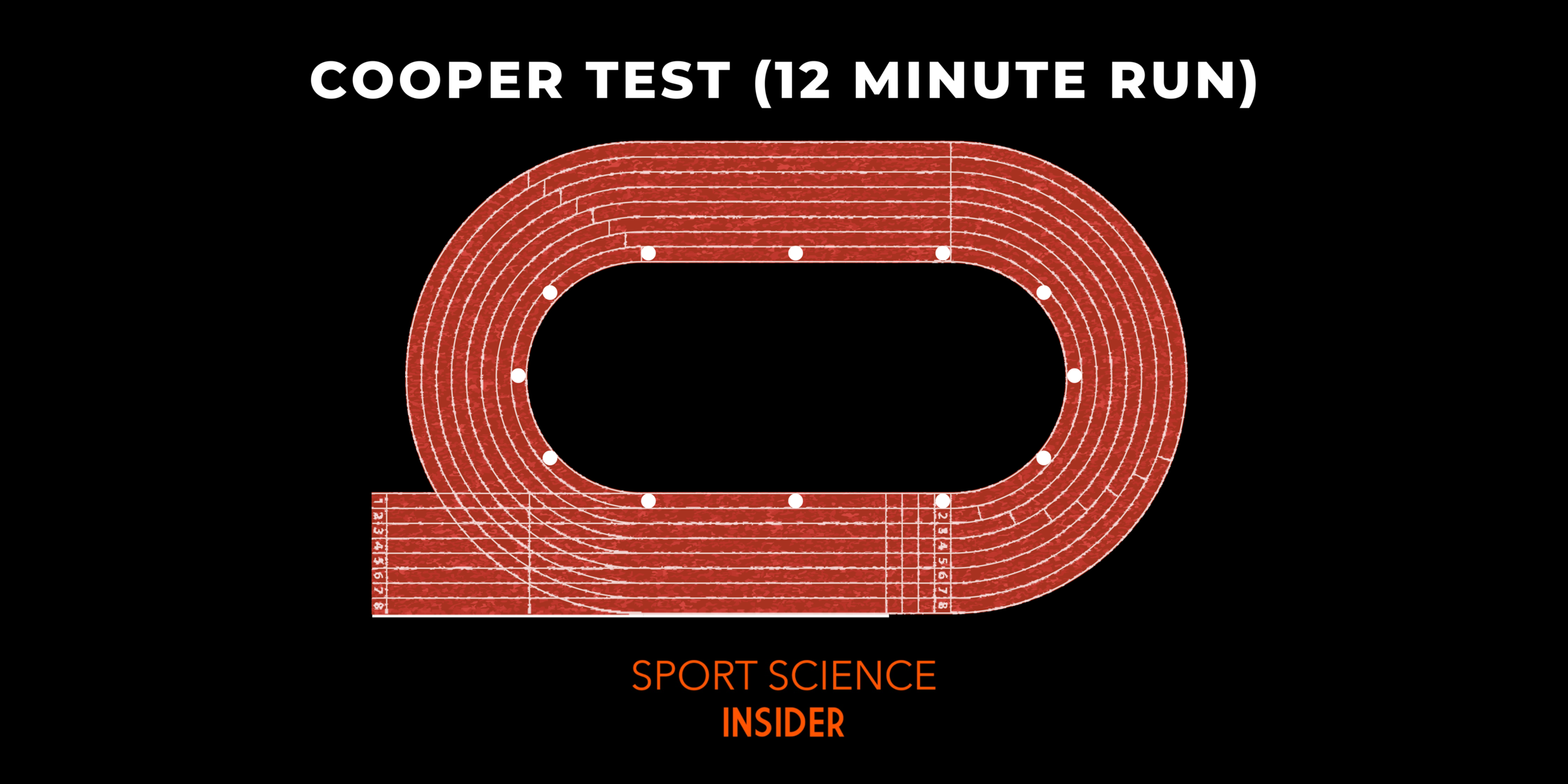
The Cooper test remains the most reliable home VO2 max measurement for active individuals. Developed by Dr. Kenneth Cooper in 1968, this field test correlates 90% with lab results when executed precisely.
Execute the Exact Protocol for Valid Results
Critical setup: Use a pre-measured 400m track (3 laps = 1,200m) or verify your route with GPS. Avoid hills—even 1% elevation changes skew results by 5-7%.
- Warm-up properly: 5 minutes of light jogging followed by 2 minutes of leg swings
- Start strong but controlled: First 2 minutes at 75% effort (conversational pace)
- Build strategically: Gradually increase speed through minutes 3-10
- Final push: Last 90 seconds at “as fast as sustainable” pace
- Stop exactly at 12:00: Record distance to nearest 10 meters
Key visual cue: Your breathing should become labored by minute 6 but remain rhythmic—gasping indicates you started too fast.
Calculate Your True VO2 Max Score
Apply this formula immediately after testing:
VO2 max = (Distance in meters – 504.9) ÷ 44.73
Real example: Running 1,850 meters → (1850 – 504.9) ÷ 44.73 = 30.1 ml/kg/min (average for 40-year-olds).
Avoid this mistake: Using miles instead of meters. Always convert: 1 mile = 1,609 meters.
Complete the Rockport Walk Test for Beginners
This joint-friendly alternative works for sedentary individuals or those recovering from injury. The 1-mile walk test requires only a stopwatch and heart rate monitor.
Avoid These Setup Errors
- Course measurement: Walk your route twice with GPS before testing—most errors come from inaccurate distances
- Heart rate timing: Start pulse check within 10 seconds of stopping (delaying 30 seconds drops readings by 15-20 bpm)
- Pace mistake: Walking too fast invalidates results—stop if you break into a jog
Apply the Gender-Specific Formula Correctly
Men: VO2 max = 139.168 – (0.388 × Age) – (0.0769 × Weight in lbs) – (3.2649 × Time in decimal minutes) – (0.1565 × HR)
Women: VO2 max = 132.853 – (0.3877 × Age) – (0.0769 × Weight) – (3.2649 × Time) – (0.1565 × HR)
Decimal conversion tip: 14 minutes 30 seconds = 14.5 minutes. Never round to whole minutes.
Get Instant Estimates with Smartphone Apps

Modern wearables provide continuous VO2 max tracking by analyzing heart rate variability during daily activities.
Apple Watch Accuracy Hacks
- Requirement: Complete 3 outdoor walks/runs weekly (20+ minutes each)
- Critical step: Wear watch 1 finger-width above wrist bone—tighten during exercise
- Troubleshoot: If readings show “14,” force GPS calibration by walking outside for 5 minutes before testing
- Limitation: Accuracy drops below 35°F or above 90°F—test in 60-80°F weather
Free App Validation Method
Use VO2 Master (iOS/Android) for 3-minute camera-based tests:
1. Place phone on table at chest height
2. Follow breathing prompts in dim lighting
3. Pro tip: Rest phone on book to prevent wobble
4. Compare results with manual tests—discard readings differing by >15%
Warning: Wrist-based trackers overestimate VO2 max by 8-12% in obese users (BMI >30). Use chest straps for accuracy.
Conduct Step Tests in Small Spaces
No track? No problem. These apartment-friendly tests deliver valid results in 4 minutes flat.
Queens College Step Test Protocol
Equipment: 16.25-inch step (41.3 cm—measure with ruler) and metronome app set to 96 BPM.
- Cadence: Up-up-down-down rhythm (24 steps/minute)
- Duration: Exactly 3 minutes non-stop
- Heart rate check: Count beats for 15 seconds starting at 0:05 post-test
- Calculation:
– Men: VO2 max = 111.33 – (0.42 × Heart rate)
– Women: VO2 max = 65.81 – (0.1847 × Heart rate)
Common error: Stepping too fast—practice cadence for 2 minutes before timing.
YMCA 3-Minute Test Shortcut
Use a 12-inch step for this simplified version:
– Excellent: <79 bpm (men), <85 bpm (women)
– Needs work: >105 bpm (men), >117 bpm (women)
Pro tip: Hum a song with steady beat (like “Happy Birthday”) to maintain rhythm.
Prepare Like a Pro Before Testing

24-Hour Pre-Test Checklist
- Hydrate: 2-3 liters water—dehydration drops VO2 max by 5-7%
- Avoid: Caffeine after 2 PM (increases resting HR by 8-12 bpm)
- Sleep: Prioritize 7+ hours—sleep deprivation lowers scores by 10%
- Clothing: Wear moisture-wicking fabric—cotton retains sweat, raising body temp
Test Day Protocol
Meal timing: Eat light carbs (banana + toast) 2 hours pre-test—high-fat meals slow digestion, reducing oxygen availability. Temperature control: Test indoors at 68-72°F—heat above 75°F artificially lowers VO2 max by 4-6%.
Stop immediately if: Chest pain occurs, dizziness strikes, or heart rate exceeds 85% of max (220 – age).
Interpret Results Like a Sports Scientist
Age-Adjusted Performance Benchmarks
Men (ml/kg/min):
– 30s: Excellent >49, Average 39-42, Poor <35
– 50s: Excellent >40, Average 32-35, Poor <29
Women (ml/kg/min):
– 30s: Excellent >44, Average 35-38, Poor <31
– 50s: Excellent >36, Average 29-31, Poor <25
Real-world context:
– Elite cyclist: 80+ ml/kg/min
– Average 40-year-old: 35-40 ml/kg/min
– Sedentary adult: 25-30 ml/kg/min
Track Progress Accurately
- Retest schedule: Every 4-6 weeks (earlier tests show false fluctuations)
- Baseline setup: Average 2 scores from same-day tests
- Expected gains: Beginners gain 15-20% in 3 months with targeted training
- Red flag: Scores dropping >5% indicate overtraining or illness
Critical mistake: Testing weekly—natural day-to-day variation is 5-8%.
Troubleshoot Inconsistent Readings
Fix These Common Issues
- GPS drift: Test in open areas away from buildings—urban canyons cause 10-15% distance errors
- Heart rate spikes: Moisten chest strap electrodes with water (not saliva)
- Formula errors: Double-check decimal conversions—13:45 = 13.75 minutes, not 13.45
Validation Strategy
Perform two methods within 48 hours (e.g., Cooper test + Apple Watch reading). Acceptable variance: Results within 10-15%. If discrepancy exceeds 20%, recalibrate equipment and retest.
Safety Protocols Every Tester Must Know
Contraindications: Skip testing if you have uncontrolled hypertension (>180/100), recent cardiac events, or active illness. Emergency prep: Always test with a partner when attempting max-effort protocols—keep your phone within arm’s reach with emergency contacts preloaded.
Your home-measured VO2 max is more than a number—it’s your cardiovascular fingerprint. Start with the method matching your current fitness: Cooper test for runners, Rockport walk for beginners, or smartphone tracking for tech lovers. Test consistently every 4-6 weeks using identical protocols, and focus on trend lines rather than single measurements. Remember: A 35 ml/kg/min today can jump to 45+ within months through strategic training. This number doesn’t lie—it reveals exactly where you stand and how far you can go. Track your journey, celebrate 5% improvements, and let your oxygen capacity become your ultimate fitness compass.