Your bathroom scale shows you’re gaining weight, but is it muscle or fat? Without accurate muscle mass tracking, your hard-earned gains could be hiding in plain sight while you waste months on ineffective workouts. Knowing exactly how to measure muscle mass at home transforms guesswork into precision, letting you validate your training program and catch muscle loss before it becomes a serious problem.
Most fitness enthusiasts rely solely on weight measurements or mirror checks, missing critical changes beneath the surface. Muscle mass naturally declines after age 30, yet many people don’t realize they’re losing strength until they struggle with everyday tasks. This guide reveals the most practical methods to accurately measure muscle mass at home—from smartphone apps to scientific urine tests—so you can track real progress and adjust your routine with confidence.
Skip the Guesswork with Body Composition Scales
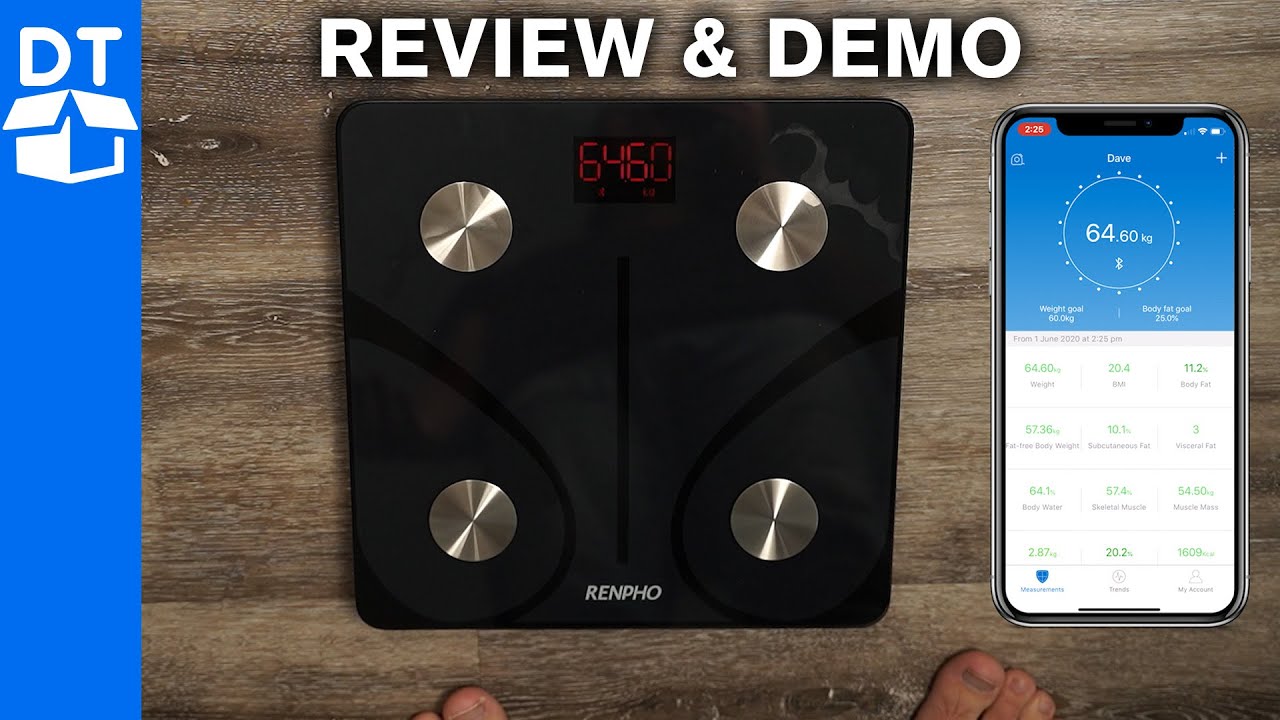
Choose Your BIA Scale Based on Budget and Needs
Bioelectrical Impedance Analysis (BIA) scales send harmless electrical currents through your body to distinguish muscle from fat. Muscle tissue conducts electricity better than fat due to its higher water content, allowing these devices to estimate your muscle mass percentage.
Budget-friendly option ($30-50): RENPHO Bluetooth Scale delivers muscle mass percentage with smartphone tracking. While less precise for athletes, it’s perfect for tracking trends over time.
Mid-range upgrade ($99): Withings Body+ includes athlete mode that adjusts calculations for active individuals, providing more accurate readings if you exercise regularly.
Premium investment ($299): InBody H20N offers segmental analysis, measuring muscle mass in your arms, legs, and trunk separately—critical for identifying imbalances between body parts.
Maximize BIA Scale Accuracy with These Protocol Steps
- Measure at the same time daily: Take readings first thing in the morning after using the bathroom but before eating or drinking
- Ensure bare feet contact: Clean feet properly and stand firmly on the electrodes—socks or moisture compromise readings
- Avoid pre-measurement exercise: Wait at least 12 hours after intense workouts to prevent skewed results
- Maintain consistent hydration: Dehydration artificially inflates muscle mass readings by 3-5%
- Track trends, not single values: Focus on 2-4 week patterns rather than daily fluctuations
Pro Tip: Create a “measurement ritual” by marking your exact foot placement on the scale with tape. Consistency matters more than absolute accuracy for tracking progress.
Get Precise Results with Tape Measure Muscle Tracking
Master the 3-Point Circumference Method That Works
Measuring specific body parts with a flexible tape measure provides surprisingly accurate muscle mass estimates when performed consistently. This method works especially well for tracking arm, thigh, and calf development—the areas where muscle growth is most visible.
Required equipment: A non-stretch fiberglass tape measure ($8) and body marking pen for consistent placement
Upper arm measurement protocol:
1. Find the midpoint between your shoulder tip (acromion) and elbow tip (olecranon)
2. Place a small dot at this exact location for future reference
3. Let your arm hang naturally and wrap the tape snugly (not tight) around the marked spot
4. Take three measurements and record the average—this eliminates small errors
Thigh measurement technique:
– Stand with weight evenly distributed and locate the midpoint between your hip crease and kneecap
– Measure your right thigh consistently at this spot before leg workouts to avoid “pump”-related swelling
– Ensure the tape sits parallel to the floor without compressing the muscle
Calculate Your Actual Muscle Mass Weight
Convert your measurements into kilograms of muscle using these gender-specific formulas:
For Men: Muscle Mass (kg) = [(Arm cm × 0.334) + (Thigh cm × 0.456) + (Calf cm × 0.298) – 10.678] × Height² (m²)
For Women: Muscle Mass (kg) = [(Arm cm × 0.281) + (Thigh cm × 0.371) + (Calf cm × 0.296) – 9.662] × Height² (m²)
Example: A 5’10” (1.78m) male with 36cm arms, 54cm thighs, and 38cm calves has approximately 34.2kg of muscle mass—putting him in the healthy range for his age group.
Unlock Clinical-Grade Accuracy with Skinfold Calipers
Select the Right Caliper for Home Use
Skinfold measurements estimate body fat percentage, allowing calculation of lean mass and ultimately muscle weight. When performed correctly, this method rivals more expensive options for accuracy.
Budget option ($15-20): Accu-Measure Fitness 3000 offers decent accuracy for beginners learning the technique
Professional-grade ($250-400): Harpenden or Lange calipers deliver research-quality precision with 0.2mm accuracy
Perfect Your 7-Site Measurement Technique
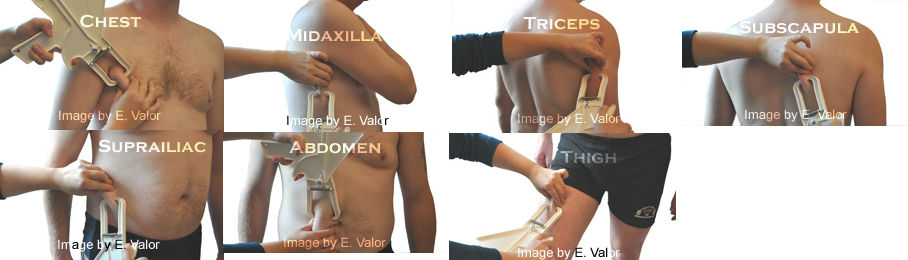
Master these key locations for comprehensive body composition assessment:
- Triceps: Back of upper arm at midpoint—pinch vertically
- Subscapular: Below shoulder blade at 45-degree angle
- Chest: Diagonal fold between nipple and armpit (men only)
- Midaxillary: Side torso at 5th rib level—vertical fold
- Suprailiac: Above hip bone—diagonal fold
- Abdominal: 2cm right of navel—vertical fold
- Thigh: Front of thigh at midpoint—vertical fold
Critical execution tips:
– Pinch the skinfold 1cm above the measurement site
– Hold calipers perpendicular to the fold with consistent pressure
– Wait 2 seconds before taking the reading
– Take duplicate measurements at each site
– Average the two closest readings for your final value
Warning: Inconsistent technique creates more error than the tool itself—practice on a friend before tracking your own progress.
Track Muscle Gains with Smartphone 3D Scanning
Transform Your Phone into a Body Composition Analyzer
Modern smartphone apps use multiple photos to create accurate 3D models of your body, providing circumference measurements without manual tape measurements.
Top app recommendations:
– Bodygee: $9.99/month subscription creates detailed 3D avatar with progress tracking
– Nettelo: $4.99 one-time purchase offers excellent circumference measurements
– MyBodee: Free basic version with premium features for $2.99/month
Capture Scans That Deliver Reliable Data
Optimal scanning environment:
– Plain white or light-colored wall background
– Bright, even lighting (no strong shadows)
– 6-8 feet distance from camera
– Use a phone tripod for consistent positioning
– Wear form-fitting clothing like compression shorts/sports bra
Scanning process:
1. Hold an A4 paper or known object for scale calibration
2. Take front, both sides, and back photos following app guidelines
3. Allow 2-3 minutes for AI processing
4. Review the generated 3D model for accuracy
5. Track changes weekly using the app’s comparison tools
Pro Tip: Take your first scan as a baseline, then repeat every 4 weeks under identical conditions—this reveals subtle muscle definition changes invisible to the naked eye.
Validate Your Progress with the Creatinine Urine Test
Perform the Most Accurate Home Muscle Measurement
For those serious about precision, the 24-hour creatinine urine test provides the most accurate home muscle mass assessment available—within 1.5-3% of clinical methods.
Collection protocol:
1. Discard your first morning urine but note the exact time
2. Collect every drop of urine for the next 24 hours in the provided container
3. Keep the container refrigerated throughout collection
4. Include your next morning’s first urine sample
5. Add preservative tablets and ship immediately to the lab
Muscle mass calculation: Muscle Mass (kg) = [24h Creatinine (mg) + 21.2] / 18.9
Critical success factor: Strict adherence to collection timing and storage—missing even one sample invalidates the entire test.
Build Your Home Muscle Measurement System
Create an Effective Tracking Schedule on Any Budget
Under $50 budget: Combine a basic tape measure ($8) with a RENPHO scale ($35) for daily weight and weekly circumference tracking
$50-150 investment: Add skinfold calipers ($35) and a Bodygee subscription ($30) for comprehensive monthly assessments
Optimal measurement frequency:
– Daily: Weight tracking via BIA scale
– Weekly: Circumference measurements and photos
– Bi-weekly: Skinfold measurements
– Monthly: 3D scanning or ultrasound
– Quarterly: Creatinine test for validation
Interpret Your Muscle Mass Results Correctly
Healthy muscle mass ranges:
– Men 30-39: 31-37kg muscle mass
– Women 30-39: 24-30kg muscle mass
– Men 50-59: 27-33kg muscle mass
– Women 50-59: 22-28kg muscle mass
Significant changes to watch for:
– Muscle gain: >2kg increase over 3 months indicates successful hypertrophy
– Muscle loss: >1kg decrease suggests overtraining or inadequate nutrition
– Recomposition: Same weight with improved muscle visibility indicates fat loss + muscle gain
Pro Tip: Focus on 4-8 week trends rather than daily fluctuations—hydration and glycogen levels cause normal 1-2kg variations that don’t reflect actual muscle changes.
Measuring muscle mass at home requires consistency more than expensive equipment. Start with one affordable method like circumference measurements, then gradually add more precise techniques as you become comfortable with the process. Remember that muscle growth happens in weeks and months, not days—patience and regular tracking will reveal your true progress where bathroom scales fail. By implementing these practical home measurement techniques, you’ll gain the confidence that comes from knowing exactly how your training is working, allowing you to make data-driven decisions that maximize your results.