Forget scheduling doctor visits just to check your height—getting precise measurements in your own home is simpler than you think. Whether you’re tracking your child’s growth spurts, monitoring age-related height changes, or ensuring accurate measurements for fitness goals, knowing how to measure height at home properly delivers valuable health insights without professional equipment. Most people lose 1-2 cm of height between morning and evening due to spinal compression, making consistent home measurements essential for meaningful tracking.
The frustration of inconsistent readings from different methods disappears when you master the right technique. You don’t need expensive tools—just a few household items and proper positioning. This guide reveals the exact methods medical professionals recommend for home height measurement, including step-by-step instructions for the book-and-wall technique that delivers 99% accuracy of clinical stadiometers. Discover how to avoid the #1 mistake that throws off measurements by up to 3 centimeters.
Essential Tools for Professional-Grade Home Measurements
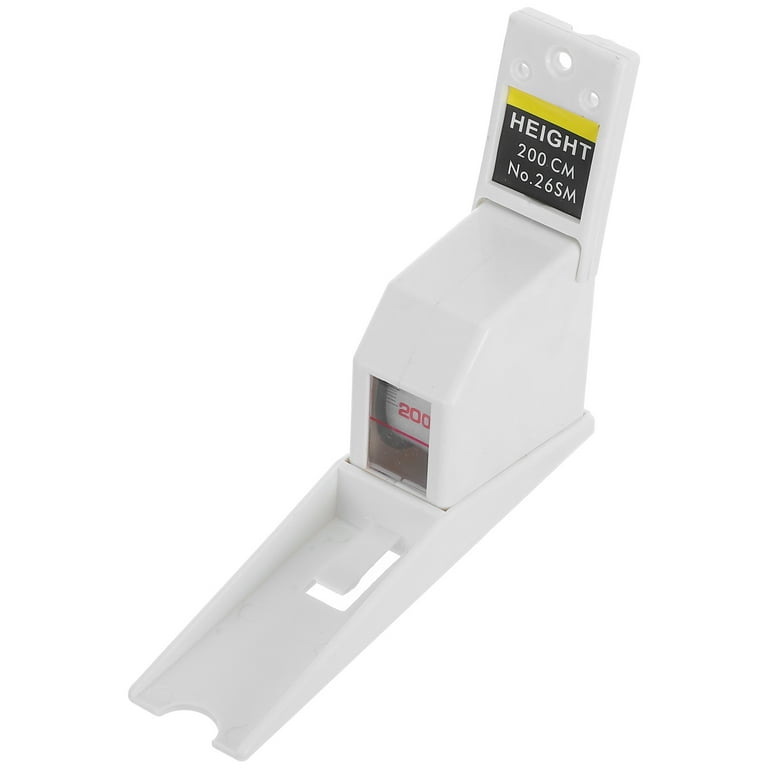
Must-Have Equipment Checklist
- Retractable metal tape measure with millimeter markings (avoid cloth tapes that stretch)
- Large hardcover book with flat spine (textbooks work best for stability)
- Carpenter’s level or smartphone level app to verify horizontal positioning
- Fine-point pencil for precise marking (standard pencils create measurement errors)
- Painter’s tape for temporary, wall-safe reference points
- Step stool with non-slip base for marking taller heights safely
Critical Wall and Floor Requirements
Choose a smooth, flat interior wall free of baseboards or molding that could interfere with measurements. Hard flooring like tile or wood is essential—carpet compresses underfoot, adding 0.5-1 cm to readings. Measure floor-to-ceiling clearance first to ensure adequate space (minimum 7 feet for most adults). Clean the wall surface thoroughly; even dust particles can affect pencil mark accuracy by nearly 2 millimeters.
Wall Setup and Calibration for Reliable Results
Create Your Measurement Station
Start by selecting an interior wall away from heating vents that could cause thermal expansion. Use your carpenter’s level to identify the true horizontal at 200 cm from the floor and draw a reference line. This verification point helps catch measurement drift over time. If you have carpet, place a large cutting board under your feet and mark this spot with painter’s tape—this creates a consistent reference point for future measurements.
Pro tip: Measure your floor level in multiple directions before starting. A slope as slight as 1 degree can introduce 1.5 cm of error in height readings. Always position yourself on the highest point of the floor against the wall for consistent results.
The Book and Wall Method: Most Accurate Home Technique
Perfect Your Positioning
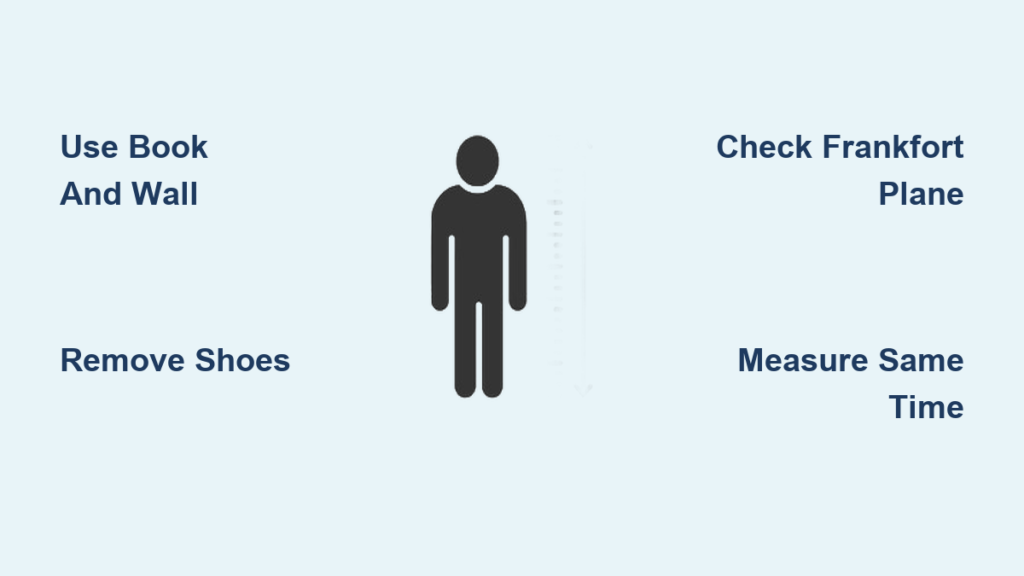
Remove shoes and socks—thin socks can add up to 3 mm of artificial height. Stand with heels touching the wall, shoulders back, and spine straight. Your shoulder blades, buttocks, and head should lightly contact the wall. Keep your chin slightly tucked to align with the Frankfort plane, an imaginary line running from your ear canal through the bottom of your eye socket that must remain parallel to the floor.
Take a Precise Measurement
Hold your book horizontally with the spine facing down, slowly raising it until it firmly contacts the crown of your head. Apply gentle pressure (about the force needed to close a door) while ensuring the book stays perfectly level. Have an assistant mark both sides of the book with a fine-point pencil, then connect these points with a straight line using your level. Measure from the floor to this line with your metal tape, keeping it perpendicular to the floor. Record to the nearest millimeter.
Warning: Never stretch upward or tilt your head back—this common mistake adds 1-3 cm to readings. Take three measurements and average them for maximum accuracy.
Solo Measurement Techniques Without Assistance

Direct Tape Method for Independent Users
Tape your measuring tape to the wall starting at floor level, numbers facing outward. Stand sideways with your shoulder touching the tape, holding a credit card flat on your head. Slide it upward until it firmly contacts your crown while maintaining proper posture. Use a full-length mirror to read the measurement without moving—take a photo for verification if needed.
Smartphone App Verification
Apps like Apple’s Measure or Google Measure provide quick height estimates using AR technology. Position your phone 6-10 feet away with your entire body visible in the frame. Mark your foot position with tape for consistency across measurements. Crucially, always verify app readings against the physical book method—most apps read 0.5-1 cm differently than physical measurements due to camera calibration issues.
Age-Specific Height Measurement Adjustments
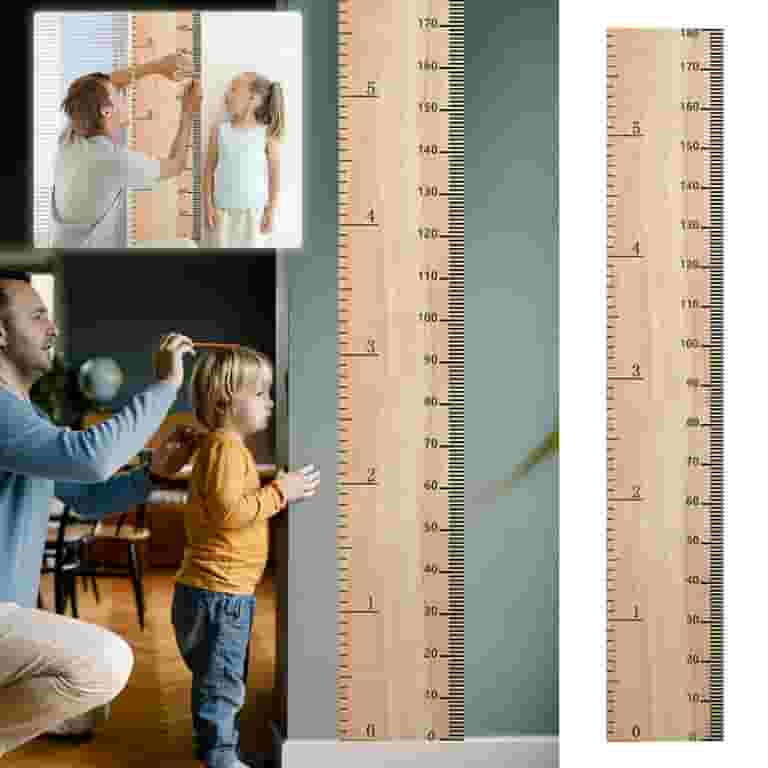
Measuring Children Accurately
For toddlers, use distraction techniques—place their favorite toy at eye level to maintain proper head position. Take multiple quick measurements and use the longest consistent reading. Growth spurts happen rapidly; measure children monthly using the same morning time slot for accurate tracking. Children ages 2-5 respond well to colorful wall growth charts that make measurement a game rather than a chore.
Adult and Senior Considerations
Adults over 40 experience gradual height loss (0.5-1 cm per decade) due to spinal compression—measure annually to track changes. For elderly individuals with posture changes, provide gentle assistance while maintaining proper measurement position. Teenagers may feel self-conscious; explain why accuracy matters for sports or health monitoring and provide privacy during measurements.
Reducing Common Height Measurement Errors
Eliminate Morning-Evening Variability
You’re naturally 1-2 cm taller in the morning due to spinal decompression during sleep. For meaningful comparisons, always measure at the same time of day—medical professionals typically use evening measurements as standard reference points. Document whether each reading was taken morning or evening in your tracking system.
Cross-Verification Protocol
Take 3-5 measurements and discard any outliers. Compare results from two different methods (book-and-wall plus app) on the same day. Check your measuring tape against a known standard (like a door frame) every six months—tapes can stretch or become inaccurate after repeated use or drops.
Recording and Tracking Your Height Data
Create an Effective Measurement Log
Document each measurement with:
– Exact date and time (morning/evening)
– Measurement in centimeters to nearest millimeter
– Method used (book/wall/app)
– Any notable conditions (shoes worn, posture issues)
Use spreadsheet templates with automatic growth rate calculations, or mobile apps like Height Tracker that create visual growth charts. Cloud storage ensures your historical data remains accessible even if devices fail.
Troubleshooting Inconsistent Height Readings
Fix Common Measurement Problems
Inconsistent readings usually stem from improper head positioning or uneven floors. If measurements vary by more than 5 mm, check your Frankfort plane alignment in a mirror before remeasuring. For app measurements, verify lighting conditions and background complexity aren’t affecting accuracy—solid, contrasting walls work best.
Critical issue: If you notice height changes exceeding 2 cm over six months as an adult, consult a healthcare provider—this could indicate osteoporosis or other medical conditions requiring attention.
When Home Measurements Require Professional Verification
Seek professional measurement if:
– Children fall below 3rd percentile or above 97th percentile on growth charts
– You experience sudden height loss exceeding normal aging patterns
– Home measurements consistently conflict with medical office readings
– You need precise measurements for medical diagnosis or treatment
Professional stadiometers like the SECA 213 provide medical-grade accuracy. Annual verification against clinical measurements ensures your home tracking remains reliable over time.
Key Takeaway: Consistency matters more than fancy equipment when measuring height at home. Master the book-and-wall technique first, then use apps as secondary verification tools. Always measure at the same time of day and document conditions for meaningful comparisons. Remember that 1-2 cm height variation between morning and evening is completely normal—track trends over months rather than obsessing over single readings. With proper technique, your home measurements can achieve 98% accuracy of professional medical equipment, giving you reliable data for health monitoring without unnecessary doctor visits.