Finding stink bugs crawling across your morning coffee cup or clustered on windowpanes isn’t just gross—it triggers that dreaded odor that lingers for days. These shield-shaped invaders (measuring 17mm long) exploit gaps as small as 3mm to invade homes when temperatures drop below 40°F. If you’re spotting multiple bugs daily, your house has become their winter shelter, and crushing them only makes the problem worse. This guide delivers battle-tested methods to eliminate stink bugs in home environments right now while sealing your fortress against future invasions. You’ll learn exactly where they enter, which removal tactics work fastest without spreading odor, and how to implement permanent barriers that stop infestations before they start.
Seal Foundation Cracks Before First Frost
Stink bugs target south and west-facing walls where sunlight warms surfaces, squeezing through gaps invisible to the naked eye. Your immediate defense requires surgical precision in sealing entry points.
Target South-Facing Walls During Warm Afternoons
Inspect when temperatures exceed 50°F—this is when stink bugs actively seek entry points. Focus on these critical zones:
– Window frames (especially older wood units with paint cracks)
– Door thresholds showing light gaps when closed
– Foundation cracks wider than 1/4 inch near utility lines
– Attic vents with damaged 20×20 mesh screens
– Chimney flashing separations
Pro Tip: Run your palm along seams—air movement indicates gaps needing sealing. South-facing surfaces require 2x the scrutiny of north-facing walls.
Apply Gap-Specific Sealants Now
For hairline cracks (under 1/8 inch): Use silicone caulk—its flexibility survives freeze-thaw cycles better than acrylic. Apply in thin beads, smoothing with a damp finger.
For larger voids (up to 2 inches): Insert copper mesh first (stink bugs can’t chew through metal), then fill with expanding foam. Critical: Trim foam flush once cured—excess foam creates new gaps as it shrinks.
Quick Fix: Install 36-inch door sweeps on exterior doors today. Measure gap height first—most homes need 3/4-inch sweeps to eliminate light gaps.
Remove Stink Bugs Without Spreading Odor
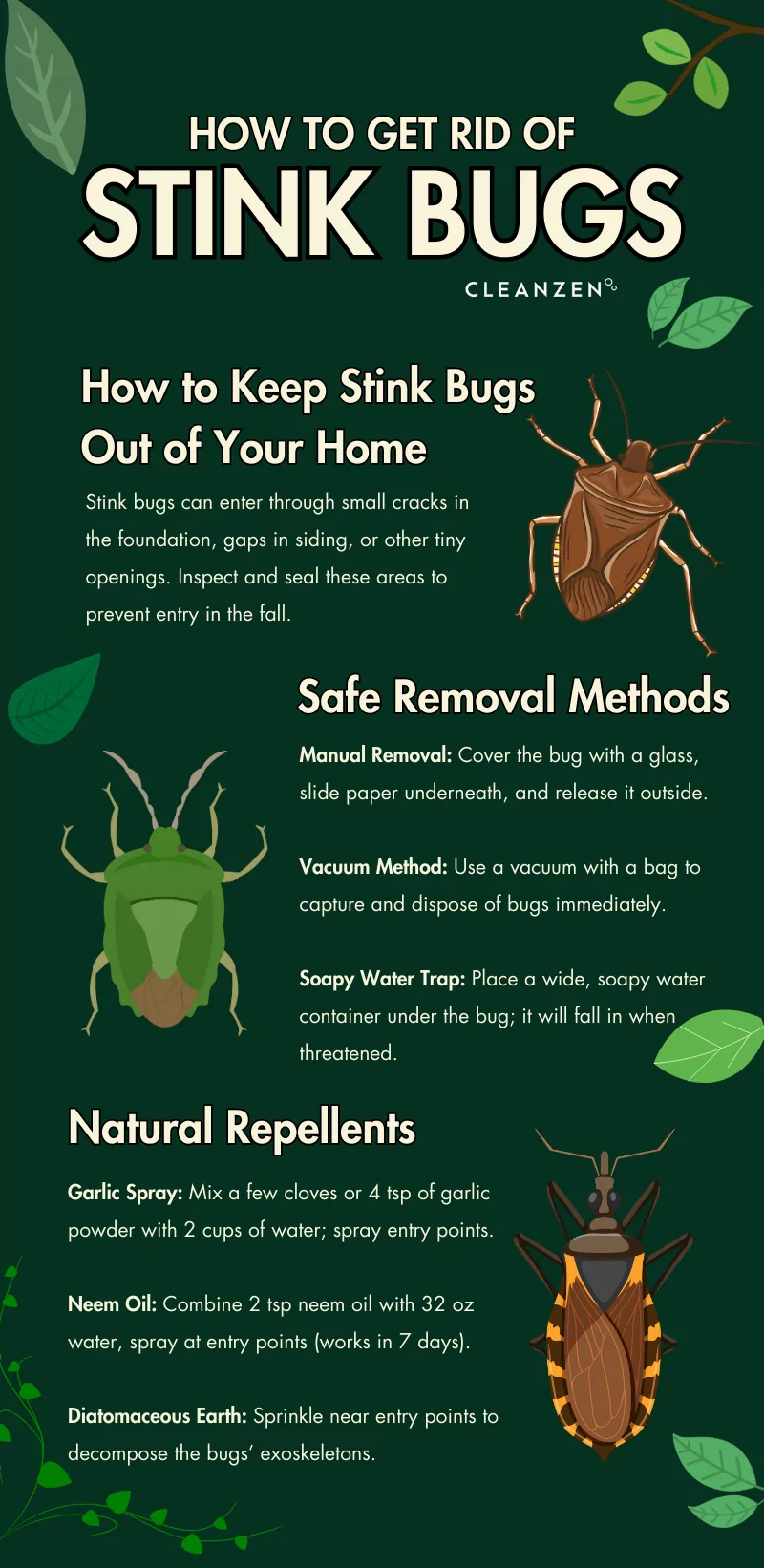
Crushing releases trans-2-decenal compounds that stain walls and fabrics. Use these odor-free removal techniques proven in severe infestations.
Vacuum Bugs Into Sealed Bags Immediately
Never use bagless vacuums—odor permeates the entire machine. Follow this protocol:
1. Add 1 tbsp talcum powder to the disposable bag first (accelerates bug death)
2. Vacuum bugs directly into the bag—hold nozzle 2 inches away
3. Seal bag with twist tie while vacuum is still running
4. Store vacuum outdoors until bag replacement
Warning: Replace vacuum bags outdoors only—never inside your home. Store the vacuum in your garage for 24 hours post-use.
Deploy Soapy Water Traps at Night
Create instant traps using household items:
– Fill shallow bowl with 2 inches of water + 1 tbsp dish soap
– Place under LED desk lamp (cool-white bulbs attract bugs)
– Position near south-facing windows overnight
Why it works: The soap breaks water tension, drowning bugs on contact. Empty traps every morning—dead bugs attract more stink bugs.
Stop Light Attraction on Your Property

Stink bugs navigate using light wavelengths—your current bulbs are literally inviting them inside. Modify lighting within 48 hours for immediate impact.
Swap Outdoor Bulbs Before Sunset Tonight
Replace all white bulbs with yellow bug-repellent LEDs (590 nm wavelength). This reduces attraction by 60% compared to standard LEDs.
Critical placement strategy:
– Position security lights to shine toward your house—not on it
– Install motion sensors instead of dusk-to-dawn fixtures
– Use 2000K or lower color temperature bulbs (warm amber)
Pro Tip: Wrap porch light fixtures with red cellophane—stink bugs can’t see red wavelengths, cutting attraction by 80%.
Apply Targeted Barrier Treatments
Create an impenetrable perimeter using EPA-approved solutions that won’t harm pets or family. Focus on these high-impact zones.
Treat Window Frames With Natural Repellents
Mix this effective spray:
– 10 drops peppermint oil + 16 oz water + 1 tsp dish soap
– Apply weekly to window frames, door thresholds, and baseboards
Why it works: Peppermint oil masks the aggregation pheromones stink bugs use to recruit others. Reapply after rain or heavy dew.
Create Professional-Grade Perimeter Defense
For severe infestations:
1. Mix bifenthrin (0.05% concentration) in sprayer
2. Apply 3-foot band around entire foundation
3. Extend 1 foot up walls and 2 feet out from foundation
4. Reapply after heavy rain or every 30 days
Safety First: Wear gloves and N95 mask during application. Keep children/pets away until dry (typically 2 hours).
Eliminate Yard Bridges to Your Home
Your landscaping creates highways for stink bugs to reach your walls. Execute these modifications within 72 hours.
Create a 10-Foot Plant-Free Zone
Remove all vegetation within 10 feet of your foundation—this eliminates climbing routes. Prioritize:
– English ivy on walls (pull vines down first)
– Ornamental grasses touching siding
– Fallen fruit trees within 15 feet
– Firewood stacked closer than 20 feet
Critical: Trim tree branches 6-8 feet from roof edges. One branch touching your gutter creates direct access.
Mow Grass to Bug-Deterrent Height
Keep lawn under 3 inches tall near foundation walls. Longer grass provides moisture and shelter for stink bugs. Mow weekly during fall—this disrupts their migration paths.
Pro Tip: Run mower over leaf piles before disposal. Crushed leaves release compounds that attract more stink bugs.
Deploy Monitoring Traps Strategically
Catch invaders before they multiply using these detection systems. Placement determines 90% of effectiveness.
Position Sticky Traps in Bug Highways
Place traps where stink bugs travel:
– Behind curtain rods on south-facing windows
– Under kitchen sink cabinets
– Along baseboards in hallways
– Attic access points
Check traps every 48 hours. Replace when covered with 10+ bugs or debris. More than 5 bugs weekly means intensify sealing efforts.
Install LED Traps in Dark Overwintering Sites
Use commercial traps with pheromone lures in:
– Unfinished basements near foundation walls
– Attic corners near vents
– Garage corners behind stored items
Replace lures every 30 days—expired lures attract bugs without trapping them.
Handle Heavy Infestations Like a Pro

When you find 50+ bugs daily, standard methods fail. Implement these nuclear options immediately.
Vacuum Wall Voids With Shop Vac
For bugs inside walls:
1. Locate entry points (often near electrical outlets)
2. Remove outlet cover plate
3. Hold shop vac nozzle against opening for 2 minutes
4. Seal opening with copper mesh + foam
Warning: Do this at night when bugs are active inside walls. Wear eye protection—bugs may fly out.
Call Professionals Before Thanksgiving
Seek help when:
– Bugs emerge from light fixtures
– Odor lingers despite cleaning
– Previous year had severe infestation
– Multi-story home with complex architecture
Demand these services: Perimeter barrier treatment + wall void injections. Expect $275-$550 for initial service—cheaper than replacing contaminated carpets.
Neutralize Odor From Past Infestations
Stink bug residue persists for months. Eradicate odors using these science-backed methods.
Eliminate Smell From Surfaces in 24 Hours
Scrub affected areas with:
– 1:1 white vinegar and water solution
– Focus on windowsills, door frames, and light switches
– Rinse with damp cloth after 10 minutes
For carpets: Sprinkle baking soda, wait 1 hour, then vacuum with sealed-bag vacuum. Repeat until odor disappears.
Purify Air With Activated Charcoal
Place bowls of activated charcoal near infested areas. Charcoal absorbs odor molecules 5x faster than baking soda. Replace every 3 days until smell vanishes.
Critical: Run ceiling fans toward walls—this pushes odor toward charcoal bowls instead of circulating it through rooms.
Key takeaway: Eliminating stink bugs in home environments requires sealing entry points before temperatures drop below 40°F—not after infestations begin. Your immediate action plan: seal foundation cracks today, swap outdoor bulbs tonight, and deploy soapy water traps immediately. Maintain defenses with monthly perimeter sprays and quarterly landscape management. By implementing these targeted strategies, you’ll transform your home from a stink bug sanctuary into an impenetrable fortress—ensuring bug-free winters for years to come. Start your sealing process before the next cold snap hits; tomorrow’s infestation begins with gaps you can fix right now.