That unmistakable “old home smell” greets you as soon as you open the door—a complex blend of mustiness, stale air, and years of accumulated odors embedded in every surface. Whether you’ve just moved into a historic property or your family home has developed that characteristic aged scent, these persistent odors can make even beautifully restored spaces feel unwelcoming. The good news? You don’t have to live with these smells indefinitely.
Most old house odors stem from multiple sources working together: trapped moisture creating musty conditions, porous materials absorbing decades of everyday living, and outdated ventilation systems that simply recirculate stale air. By addressing each source systematically rather than masking odors with air fresheners, you can transform your home’s atmosphere in a surprisingly short time. This guide walks you through practical techniques that target the actual causes of old home smells rather than just covering them up.
Pinpoint Exact Smell Sources Before Treating
Before grabbing the cleaning supplies, you need to identify exactly where your home’s odors originate. These smells rarely come from a single source—they’re typically a combination of issues accumulated over years. Taking time to properly diagnose the problem prevents wasted effort on treatments that won’t address your specific situation.
Recognize Common Odor Culprits in Older Homes
Moisture problems create that classic musty basement smell that permeates entire houses. Check for damp areas in closets, corners, and under sinks where humidity collects. Older homes often have inadequate ventilation in these problem spots.
Flooring and textiles act like giant sponges, absorbing cooking odors, pet accidents, smoke, and everyday household smells over decades. Original carpeting in older homes has likely never received proper deep cleaning.
HVAC systems circulate years of accumulated dust and debris. Ductwork in vintage homes rarely gets cleaned, becoming a reservoir for stale odors that get blown throughout your living spaces.
Kitchen and bathroom areas harbor grease buildup in cabinets, sink drain odors, and years of cooking aromas absorbed into walls and ceilings—common trouble spots in older properties.
Simple Tests to Locate Problem Areas
Take time to walk through each room while noting which areas smell strongest and what type of odor you detect. Is it musty, sour, smoky, or chemical? This helps determine appropriate treatments.
Try the damp towel test: lightly dampen a white towel and wipe small sections of walls or ceilings in different rooms. If the towel picks up discoloration, those surfaces are likely harboring odor-causing compounds.
Close off the smelliest room for 24 hours, then re-enter. This intensifies odors and helps identify the primary source area rather than just where smells travel.
Transform Carpets From Odor Traps to Fresh Surfaces
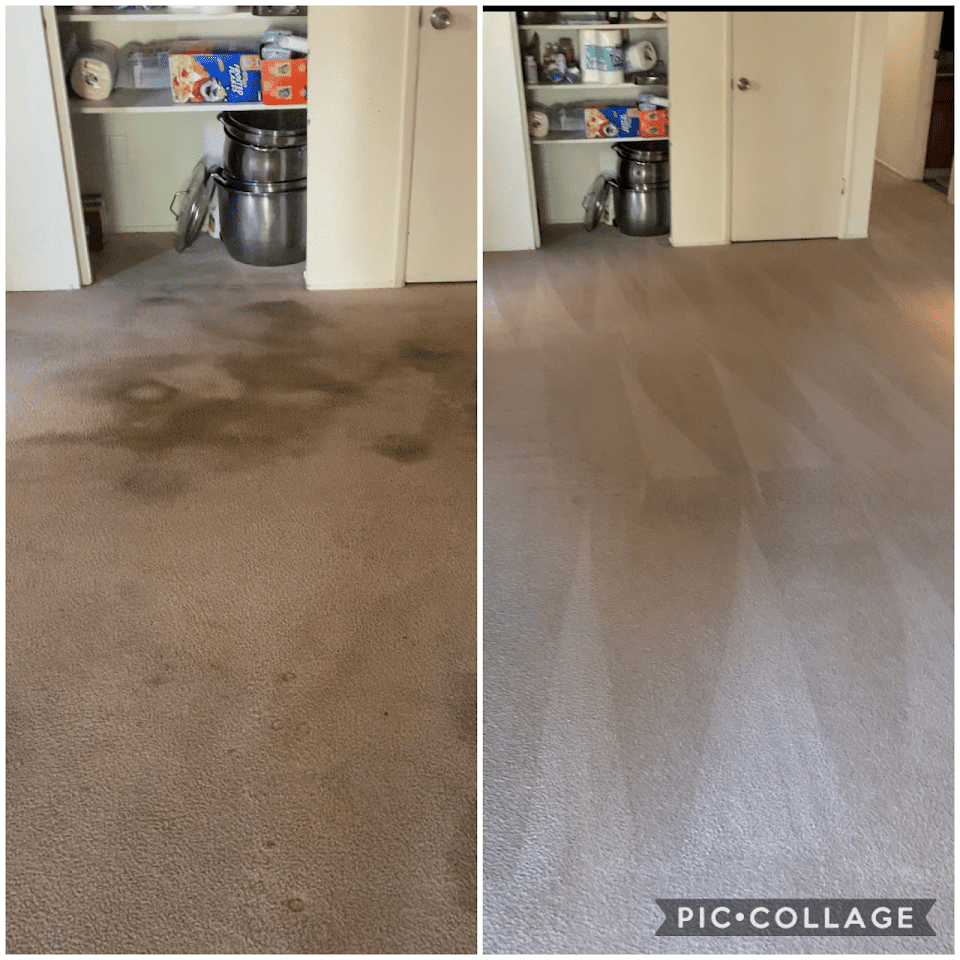
Carpeting represents the largest odor-absorbing surface in most older homes. Even when carpets look clean, they can hold significant amounts of embedded debris and decades of household odors.
Choose the Right Cleaning Approach for Your Situation
Professional cleaning services provide the most thorough results for heavily soiled vintage carpets. While more expensive, they use equipment that extracts deeply embedded dirt and odor molecules more effectively than consumer-grade machines.
Do-it-yourself cleaning options can work well for moderate odors when used correctly. Renting a quality machine from a hardware store plus proper technique can significantly improve carpet freshness without professional costs.
Dry cleaning methods use minimal moisture and work well for delicate vintage rugs or areas that can’t stay wet for extended periods. These systems employ compounds that absorb odors and get vacuumed away after a short dwell time.
Natural Deodorizing Techniques That Actually Work
Baking soda remains one of the most effective natural deodorizers. Sprinkle it liberally over carpets, work it in with a brush, and let it sit for several hours before thorough vacuuming. For stubborn odors, repeat this process multiple times.
Vinegar solutions can neutralize many organic odors when properly diluted. Lightly mist carpet surfaces (without saturating them) with a vinegar-water mixture, then allow to air dry completely. The vinegar smell disappears as it dries, taking other odors with it.
Activated charcoal absorbs airborne odor molecules effectively. Place bowls of activated charcoal in problem areas for several days to significantly reduce overall smell intensity throughout your home.
Refresh Your HVAC System to Stop Odor Circulation
Your heating and cooling system likely recirculates years of accumulated dust, dander, and household odors. This creates a cycle where even clean rooms develop stale smells within hours.
Basic HVAC Cleaning You Can Do Yourself
Turn off your HVAC system before starting any cleaning. Remove vent covers carefully—older homes often have painted-over screws that require gentle handling to avoid damage.
Vacuum visible dust and debris from each vent opening using your vacuum’s hose attachment. Extend the hose as far as possible into each duct to reach accumulated particles.
Replace air filters with quality options designed for better particle capture. Higher efficiency filters trap more odor-causing particles, though you should verify compatibility with your specific system.
Pay special attention to cleaning return air vents thoroughly, as these collect the most household debris and often contribute significantly to persistent smells.
Air Quality Improvement Options
Standalone air purifiers can noticeably improve air quality in specific problem areas. Units sized appropriately for each room work continuously to capture airborne particles that cause odors.
Consider upgrading your standard air filters to thicker versions if your system accommodates them. These last longer and capture far more odor particles than basic disposable filters.
UV light systems installed in your HVAC ductwork can help prevent biological growth that causes musty smells. These require professional installation but provide ongoing odor prevention.
Clean Walls and Surfaces That Absorb Odors

Walls and ceilings absorb decades of cooking, smoking, and everyday living odors. These surfaces require specific cleaning approaches to remove embedded smells rather than just masking them.
Effective Wall Cleaning Methods
For general cleaning, use mild solutions that won’t damage vintage paint or wallpaper. Mix gentle cleaning agents with warm water and test in inconspicuous areas first to ensure they won’t cause damage.
For stubborn residue on painted surfaces, specialized cleaners can cut through years of buildup that regular cleaners can’t touch. Always follow product instructions carefully and rinse thoroughly.
When cleaning fails to eliminate embedded odors, consider using odor-blocking primers before repainting. These seal smells into walls, preventing them from permeating fresh paint applications.
Special Considerations for Vintage Surfaces
Vintage wallpaper requires careful handling as it can easily dissolve or discolor with improper cleaning. Test any cleaning solution in a hidden area first and use minimal moisture.
Assess whether odor removal requires wallpaper replacement. Some vintage wallpapers have absorbed smells into the adhesive layer, making complete odor elimination impossible without removal.
For plaster walls common in older homes, avoid excessive moisture that could damage the underlying structure. Focus on gentle cleaning methods that protect your home’s historic features.
Implement Long-Term Prevention Strategies
Once you’ve eliminated existing odors, prevention becomes crucial. These strategies stop smells from returning and keep your home smelling fresh long-term.
Daily Maintenance Habits
Address spills and accidents immediately using appropriate cleaners. The longer substances sit, the deeper they penetrate surfaces and the harder they become to remove completely.
Replace HVAC filters regularly according to manufacturer recommendations. Mark replacement dates on your calendar to maintain consistency, especially if you have pets or household members with sensitivities.
Vacuum high-traffic areas frequently to prevent new odors from embedding in carpets and upholstery. Regular cleaning stops minor issues from becoming major odor problems.
Strategic Ventilation Practices
Create cross-ventilation by opening windows on opposite sides of each room for regular periods. This pushes stagnant air out while pulling fresh air in, preventing musty conditions.
Use exhaust fans in kitchens and bathrooms during and after cooking or showering. These remove moisture and cooking odors at the source before they can spread through your home.
Consider installing whole-house fans or attic ventilation systems if natural airflow proves insufficient. These mechanical solutions dramatically improve air exchange throughout your entire property.
Key Takeaway: Eliminating old home smells requires addressing both the symptoms and root causes rather than just masking odors. Start with the most obvious sources—carpets, HVAC systems, and moisture issues—then work through each room systematically. Most homes show noticeable improvement within days of consistent effort. Remember that some vintage materials may retain characteristic scents that speak to your home’s history, but these should smell pleasant and aged rather than musty or decayed. With patience and the right approach, you can transform that “old home smell” into a fresh, welcoming atmosphere that honors your property’s past while making it comfortable for modern living.