That unmistakable musty odor hits you the moment you walk through the door. Maybe it’s stronger in the bathroom, or perhaps it wafts up from the basement every time someone opens the door. Whatever the source, mildew smell makes your home feel dirty even when it’s spotless. The good news? You can eliminate this stubborn odor permanently by tackling both the smell and its underlying causes.
This guide walks you through proven methods that actually work, from quick fixes for immediate relief to long-term prevention strategies that stop mildew from returning. No more covering up odors with air fresheners—discover how to get rid of mildew smell in home for good.
Pinpoint Exactly Where Mildew Odor Originates
Musty Odor Hotspots to Inspect Immediately
Start your search in areas where moisture naturally accumulates. Bathrooms often harbor mildew behind toilets, under sinks, and inside shower curtains. Basements create perfect conditions with their concrete walls and stored cardboard boxes. Kitchens hide mildew under sinks and around refrigerators where condensation forms.
Check laundry rooms for washing machine gaskets and damp clothing piles. HVAC systems can spread mildew throughout your home via contaminated ductwork. Don’t overlook carpets and upholstery, especially in rooms with previous water damage. Even window sills and closet corners collect moisture that feeds mildew growth.
Quick Source Detection Techniques That Work
Begin with a systematic room-by-room assessment. Sniff test each area at different times of day—odors often intensify during humid mornings or after hot showers. Use your flashlight to inspect dark corners, behind furniture, and inside closets. Look for discoloration in black, green, or white patches on walls, ceilings, and fabrics.
Document your findings by creating a simple map of your home. Mark areas with the strongest odors on a 1-10 scale. This helps track progress as you implement solutions. If you can’t locate the source, place bowls of white vinegar in suspected areas overnight—vinegar absorbs odors and will reveal hidden problem spots by morning.
Eliminate Mildew Smell Fast with Proven Methods
Natural Absorbents That Work Immediately
Baking Soda Treatment: Sprinkle liberally over carpets, upholstery, and hard surfaces. Work it in with a brush for maximum contact. Let it sit for 24-48 hours—longer for severe odors—then vacuum thoroughly. Empty the vacuum canister immediately outdoors to prevent spores from resettling.
Activated Charcoal Method: Position bags or bowls of charcoal near odor sources. Use one pound per 100 square feet of space. Replace every 2-3 weeks until the smell disappears completely. Charcoal works continuously without chemicals, making it perfect for bedrooms and living areas.
White Vinegar Solution: Mix equal parts vinegar and water in a spray bottle. Mist affected surfaces generously—walls, ceilings, and fabrics all respond well. The vinegar smell fades within hours, taking the mildew odor with it. For stubborn cases, use full-strength vinegar directly on problem areas.
Chemical Neutralizers for Tough Cases
Enzyme-Based Cleaners: Products like Concrobium Mold Control break down odor molecules rather than masking them. Spray affected areas and let sit for 10-15 minutes before wiping. These formulas work on both the smell and its source.
Hydrogen Peroxide Treatment: Fill a spray bottle with 3% hydrogen peroxide. Test on hidden areas first for colorfastness. Spray directly on mildew stains and let bubble for 10 minutes. This kills mold spores while eliminating odors. Wipe clean and dry thoroughly.
Deep Clean Problem Areas Completely
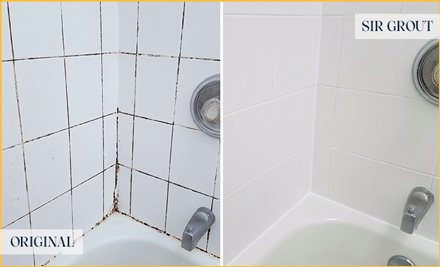
Wall and Ceiling Restoration Protocol
Create a cleaning solution using 1 cup bleach to 1 gallon water (1:10 ratio for delicate surfaces). Always wear protection: gloves, eye protection, and an N95 mask. Scrub surfaces with a stiff brush, focusing on corners where mildew thrives. Rinse with clean water and dry completely using fans or a dehumidifier.
After drying, apply mildew-resistant paint or sealant to prevent recurrence. This creates a protective barrier that stops spores from taking hold again. Many homeowners skip this critical step, which is why mildew smell returns within weeks.
Tile and Grout Revival Process
Mix baking soda with water to form a paste for grout lines. Apply generously and let sit for 30 minutes. Scrub with an old toothbrush or small brush, paying attention to discolored areas. Rinse thoroughly and seal grout with appropriate sealer to prevent future moisture absorption. This simple process removes both visible mildew and the odor-causing compounds embedded deep in porous grout.
Fabric and Carpet Solutions That Work
Carpet Deodorizing: Start with thorough HEPA vacuuming. Apply carpet deodorizer or baking soda, working it deep into fibers. Let sit overnight—48 hours for severe cases—then vacuum completely. Consider professional steam cleaning for persistent odors in large areas.
Upholstery Care: Check manufacturer tags first. For W-coded fabrics, use mild detergent and soft brush. S-coded pieces need dry-cleaning solvent or professional service. Always air dry completely with fans running. If odor persists after 48 hours, repeat the process. Remember that moisture trapped beneath furniture can perpetuate mildew smell even after surface cleaning.
Control Moisture Permanently to Stop Mildew Return
Dehumidifier Strategy That Prevents Recurrence
Maintain 30-50% relative humidity throughout your home. Size matters: use 10-12 pints capacity per 500 square feet. Position units centrally in problem areas. Daily maintenance: empty reservoirs and clean filters weekly. This single step prevents most mildew recurrence. For severe cases in basements, consider a model with a continuous drain option to avoid daily emptying.
Ventilation Improvements You Can Implement Today
Natural airflow: Open windows daily for cross-ventilation when weather permits. Create a stack effect by opening low and high windows simultaneously. Install trickle vents for continuous fresh air exchange.
Mechanical solutions: Ensure bathroom exhaust fans provide 50 CFM minimum and kitchen fans reach 100 CFM. Use timer switches to run fans 20 minutes after showers. Verify dryer vents exhaust properly to the exterior using rigid metal ducting. Many homeowners don’t realize their exhaust fans simply recirculate air back into the home—check yours with toilet paper held near the fan during operation.
Leak Detection Protocol That Catches Problems Early
Check these weekly: under sinks, around toilets, washing machine connections, and refrigerator water lines. Monthly inspections: attic for water stains, basement foundation walls, and window caulking. Address immediately: any active leaks need temporary patches if permanent repair must wait. A single ounce of water daily can create enough moisture to sustain mildew growth in hidden spaces.
HVAC System Deodorization Essentials
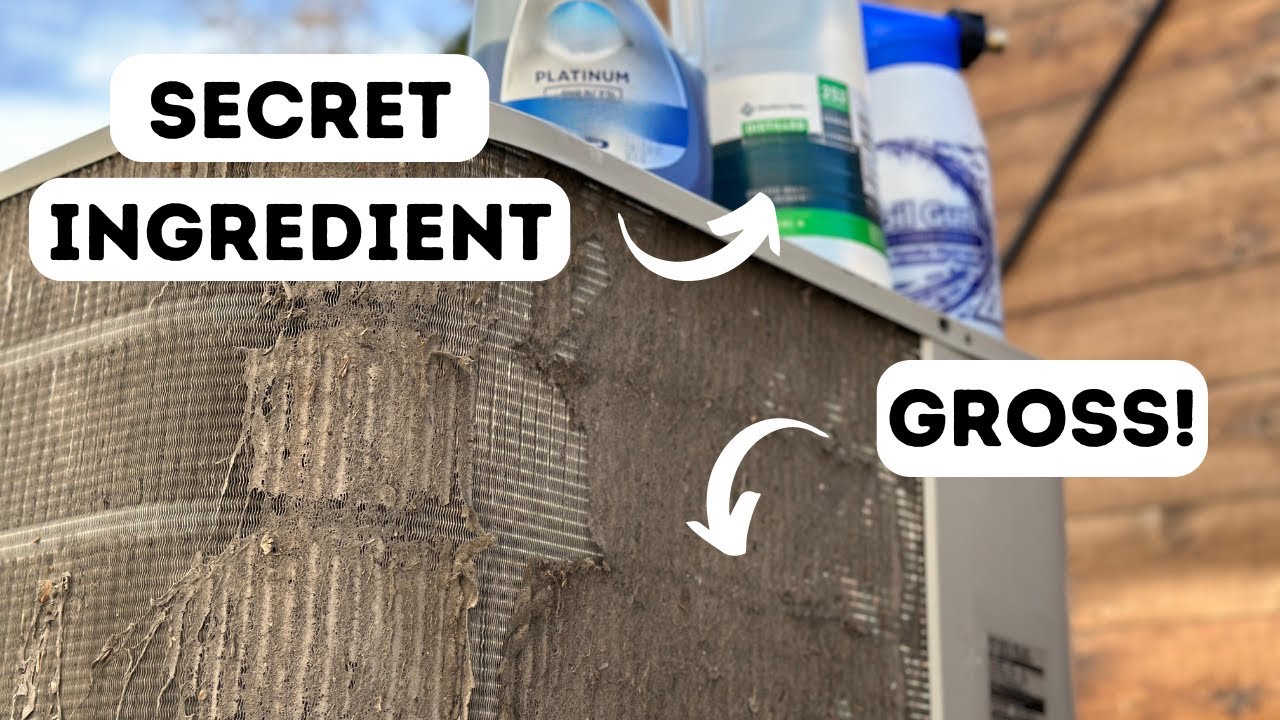
Filter and Coil Maintenance Routine
Replace all air filters with HEPA-rated versions immediately. Use activated carbon pre-filters for enhanced odor absorption. Spray HVAC coils with commercial coil cleaner following manufacturer directions. Pour 1 cup white vinegar into condensate drain lines monthly to prevent buildup. This simple maintenance prevents your HVAC system from circulating mildew spores throughout your home.
Professional Considerations for Severe Cases
Schedule annual HVAC maintenance including duct inspection. For visible mold growth or persistent odors, professional duct cleaning becomes essential. Consider UV-C light installation for continuous sanitization—this investment pays off in cleaner air and reduced maintenance. Many homeowners mistakenly believe changing filters alone solves HVAC-related mildew problems, but professional cleaning is often necessary for complete odor elimination.
Prevent Mildew Return with Proactive Measures
Daily Prevention Habits That Make a Difference
Bathroom routine: Run exhaust fans during and 20 minutes after showers. Kitchen practices: use range hoods when cooking and cover pots to reduce steam. Laundry protocol: remove clothes from washers promptly and leave doors open between loads. Spill response: clean water spills within 24 hours using fans for rapid drying. These small actions compound to create major improvements in indoor air quality.
Seasonal Maintenance Schedule You Should Follow
Spring/Summer: inspect roof and gutters, service AC units, check dehumidifiers. Fall/Winter: ensure proper insulation, check heating systems, inspect attics for ice dams. These proactive steps prevent the moisture buildup that causes mildew. Many seasonal mildew problems stem from temperature fluctuations creating condensation on cool surfaces.
Material Upgrades That Stop Mildew Before It Starts
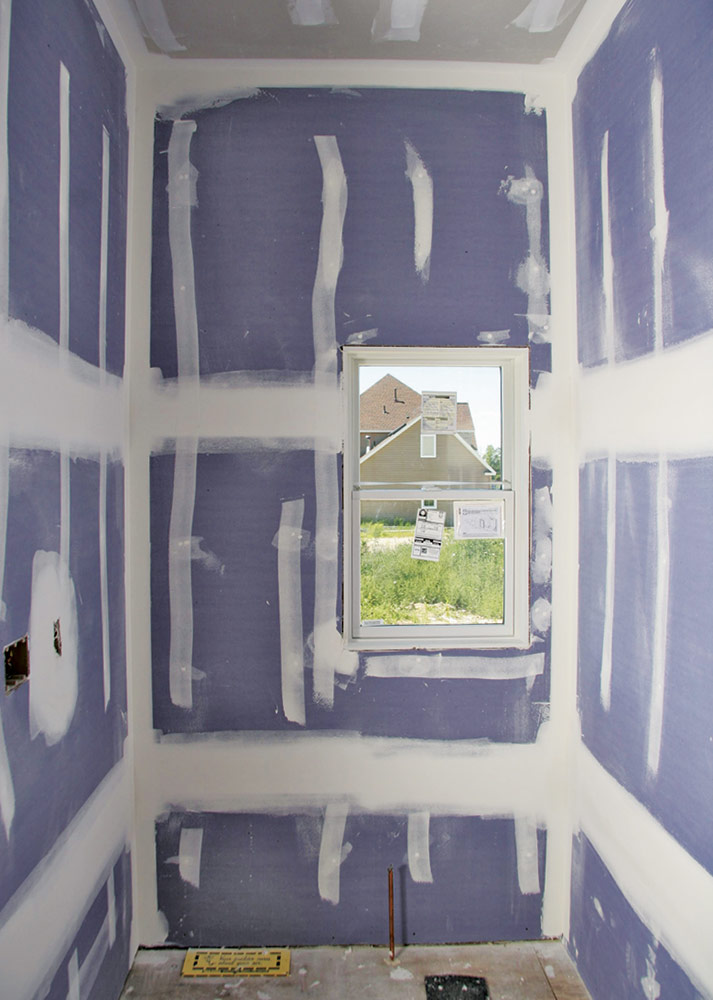
Choose mold-resistant drywall for bathrooms and basements. Use mildew-resistant paint with anti-microbial additives throughout high-moisture areas. Select synthetic over natural fiber carpets in basements. Install moisture-resistant insulation like closed-cell foam in vulnerable areas. These investments pay off by preventing the recurrence of mildew smell after you’ve successfully eliminated it.
Key Takeaway: Eliminating mildew smell requires both immediate odor removal and long-term moisture control. Start with natural absorbents for quick relief, then systematically address each moisture source. Your efforts compound—every leak fixed and every dehumidifier hour prevents future odor problems. Within a week of implementing these strategies, most homes show dramatic improvement. Within a month, that musty smell becomes a distant memory. Remember, how to get rid of mildew smell in home isn’t about quick fixes—it’s about creating an environment where mildew simply can’t thrive.