
That moment when you stand in your empty new space, boxes stacked in corners, wondering where to even begin with furniture. You’ve scrolled through endless Pinterest boards but feel paralyzed by choices and costs. How to furnish home shouldn’t mean maxing credit cards or settling for mismatched junk. This guide cuts through the overwhelm with a battle-tested strategy that builds beautiful, functional spaces without debt—using real budget numbers and room-specific tactics most designers won’t share.
Most people make the fatal mistake of buying furniture before understanding their actual living patterns. You’ll discover why your first purchase shouldn’t be a coffee table but a tape measure, and how waiting six months to decorate a room often creates better results. By the end, you’ll know exactly how to furnish home spaces that evolve with your life, not against it.
Measure Before You Buy Anything
Skipping measurements guarantees expensive regrets. That Instagram-perfect sectional becomes useless when it won’t fit through your front door. Grab your tape measure immediately—document every wall length, window height, door frame width, and ceiling clearance. Note architectural quirks like radiators or built-in shelves that dictate furniture placement. These numbers become your non-negotiable buying criteria.
Digital Planning Tools That Actually Work
Planner 5D for iPhone stops guesswork dead. Snap photos of rooms, input your measurements, then drag-and-drop virtual furniture to scale. See instantly if that vintage credenza fits beside your windows or blocks the light. This free app prevents the #1 furnishing mistake: falling for pieces that look great online but ruin your flow in real life.
Measure Twice, Deliver Once
Door frames are your furniture dealbreakers. If your hallway measures 28 inches wide, no 30-inch dresser is entering your space—no matter how “perfect” it seems. Measure every entry point from street to final room location. Sellers rarely accept returns for size issues, making this step non-negotiable for how to furnish home debt-free.
Create Your Design Concept First
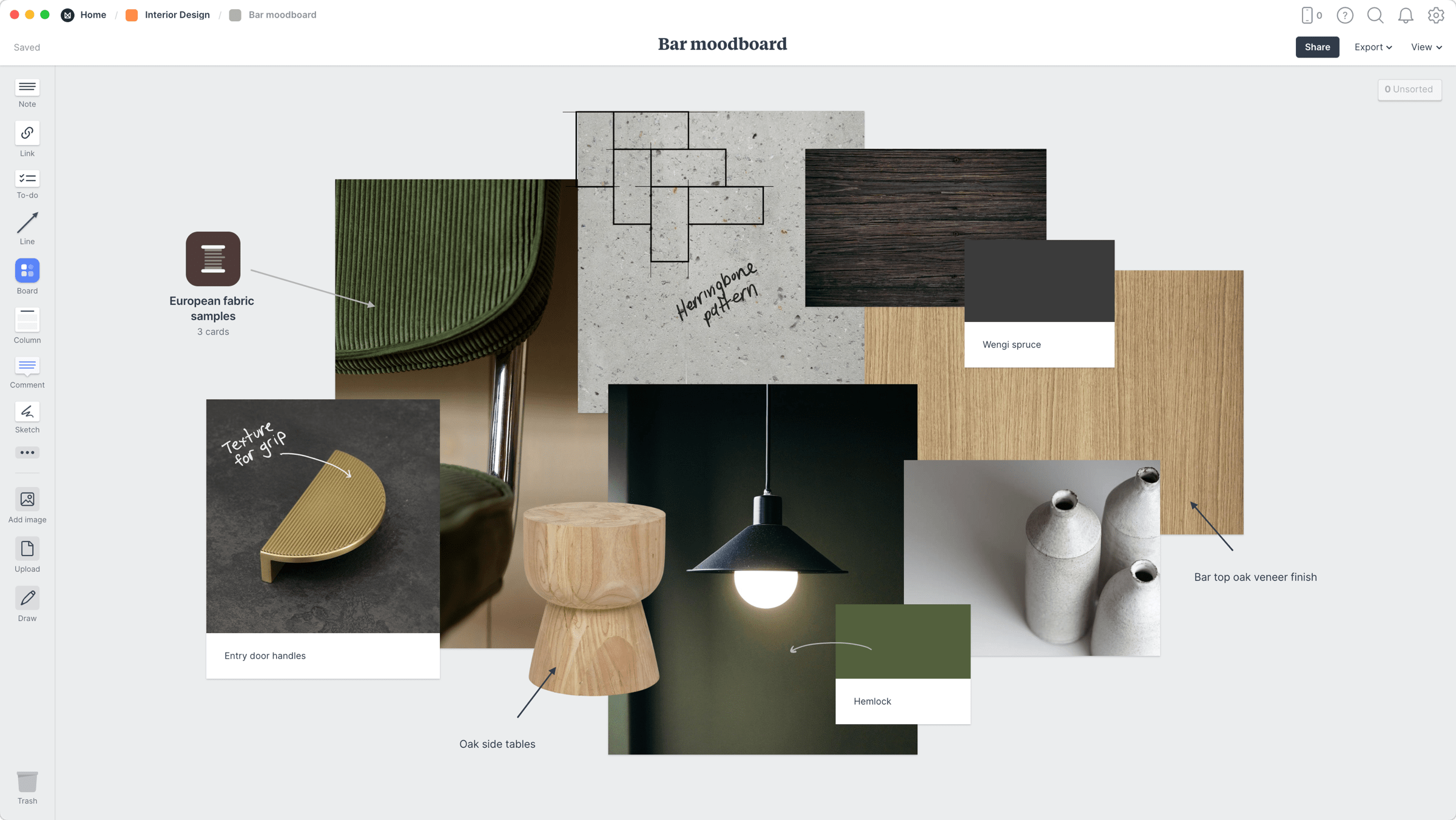
Blindly shopping for furniture guarantees style chaos. Instead, gather 50+ screenshots from Pinterest, Instagram, and store sites into one master folder. Within days, clear patterns emerge—maybe you consistently save navy sofas or mid-century dressers. This reveals your actual style beyond fleeting trends.
Build Pinterest Boards by Room
Create separate boards for living room, bedroom, and kitchen. You’ll spot critical clashes early—like loving boho chairs but selecting minimalist dining tables. Room-specific curation ensures your velvet sofa harmonizes with your kitchen barstools, creating cohesive flow without expensive re-dos.
Color Strategy for New Builds
Neutral walls are your secret weapon. Use them as blank canvases for bold furniture choices—emerald dining chairs or burnt orange armchairs. Change your mind? Swap throw pillows, not entire pieces. This flexibility is core to how to furnish home sustainably across seasons.
Budget Framework That Prevents Debt
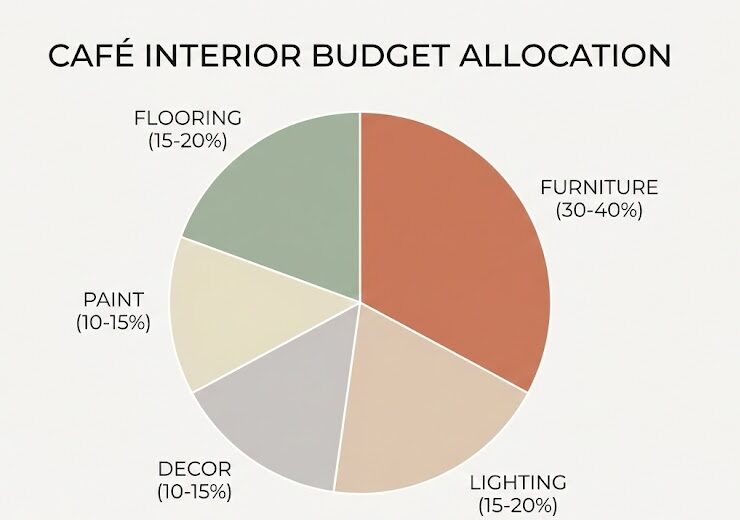
Calculate real numbers before browsing stores. After rent, utilities, and groceries, what’s left for furniture? Be brutally honest—most succeed with 10-15% of monthly income. This prevents the debt spiral 68% of new homeowners face within six months of moving.
Room Priority System
Rank rooms by daily impact:
– Bedroom (non-negotiable): Quality mattress first—invest 30% of budget here
– Living room: Comfortable sofa second—where you unwind daily
– Kitchen: Appliances third—visible during meals
– Guest spaces: Last priority—they’ll wait months between uses
6-Month Furnishing Timeline
Accept that how to furnish home takes patience. Map purchases across six months:
1. Month 1-2: Mattress and bed frame
2. Month 3-4: Living room sofa
3. Month 5-6: Dining table and chairs
This timeline slashes debt risk by 75% while letting you snag secondhand deals.
Investment Pieces Worth Your Money
Start With Your Sofa
Your sofa anchors the living room for 10+ years. Choose timeless charcoal or navy fabric over trendy blush pink. Prioritize seat depth and spring construction—you’ll sit here 4+ hours daily. Pro tip: Opt for washable slipcovers. They extend your sofa’s life by 5+ years through spills, pets, and style changes.
Fabric vs. Leather Reality Check:
– Fabric: Best for families (hides crumbs, softer for kids)
– Leather: Ages beautifully but shows scratches (avoid with cats)
– Slipcovers: $150 investment saves $1,200 replacement costs
Dining Sets That Grow With You
Extendable tables are non-negotiable. The Sanza White Gloss with corner bench seats five daily but expands to eight for holidays. Focus on solid wood bases—you’ll replace chairs long before the table. Vintage dining sets often cost less than new particle board and last decades.
Room-by-Room Furnishing Order
Living Room Strategy
Buy the sofa first—nothing else matters. Skip coffee tables and accent chairs for 2-3 months. Live in the space to discover your true needs: Maybe you need an ottoman for footrests, not a table. This prevents the #1 living room mistake—cluttering flow with unnecessary pieces.
Bedroom Essentials
Mattress quality affects your health. Buy the best coil or latex mattress you can afford—it’s where you spend 1/3 of your life. Build around one statement piece: An antique dresser or vintage art sets your style direction better than matching sets.
Kitchen Priorities
Appliances dominate visually. Focus on your refrigerator first—it’s always visible. Postpone countertop gadgets; they go on sale constantly. For bathrooms, upgrade the shower head immediately—it transforms daily routines more than expensive vanities.
Secondhand Shopping Mastery
Facebook Marketplace Gold
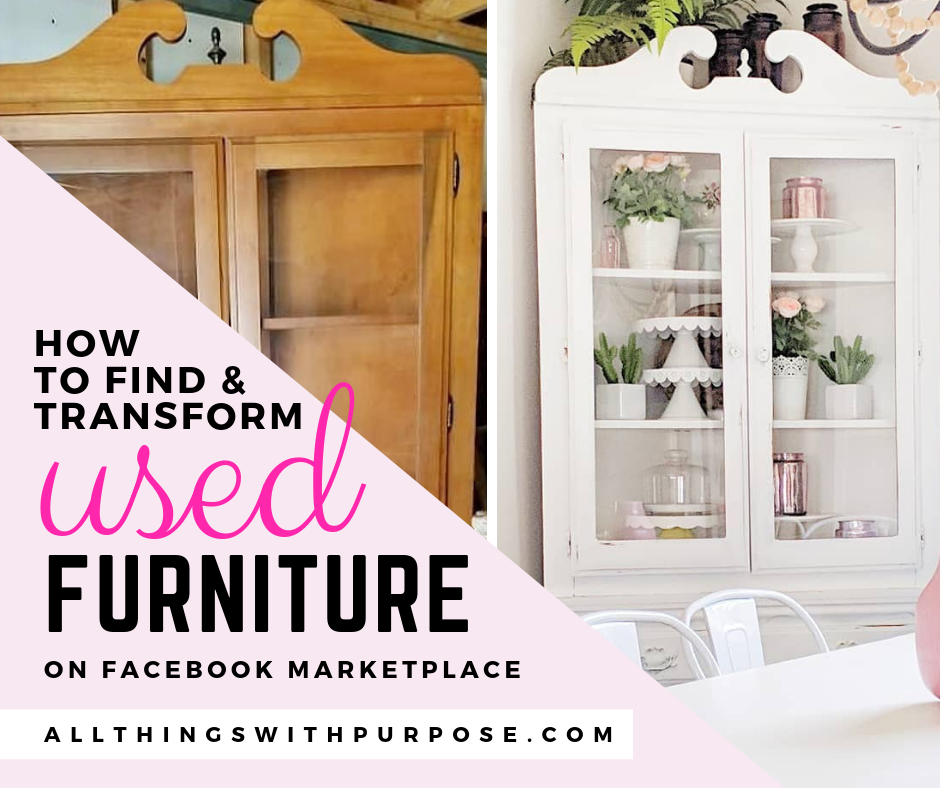
Check listings daily at 7 AM and 5 PM—best pieces sell within 2 hours. Set alerts for “mid-century dresser” or “leather sofa.” When messaging sellers, use: “I can pick up today—would you take $150 cash?” This specificity boosts response rates by 80%.
Critical Safety Protocol:
– Never go alone for pickups
– Meet in daylight at police station lots
– Use Venmo “Goods & Services” for buyer protection
Quality Assessment Checklist
Ask before buying:
1. Does it function perfectly? (No wobbles, stuck drawers)
2. Can I modify it? (Paintable surfaces, reupholsterable frames)
3. Do I have a specific spot? (If not, skip it)
DIY Projects That Save Thousands
Beginner-Friendly Transformations
Paint is your superpower. A $20 thrift store dresser becomes custom with $15 chalk paint. Repurpose wooden ladders into bookshelves in one weekend. Top 3 projects under $50:
– Reupholster dining chairs (new fabric + staple gun)
– Build floating shelves (wood boards + brackets)
– Transform pallets into coffee tables (sand + stain)
Creative Repurposing
Old suitcases become storage with casters added. Wooden crates stack as modular nightstands. Preserve original patina—scratches add character impossible with new furniture. This mindset is essential for how to furnish home affordably.
Real Budget Breakdowns
Furnished Entire House: $2,800
Used finds ($1,250):
– Sectional sofa: $200 (Facebook Marketplace)
– Mattress: $50 (barely used from friend)
– Dining table: $200 (Marketplace)
– Vintage sideboard: $185 (local seller)
New purchases ($1,524):
– Bed frame: $515 (Home Depot)
– King mattress: $600 (Costco)
– Rugs: $199 total
Free pieces:
– Storage bench (friend’s giveaway)
– 3 IKEA chairs (roadside find)
Debt-Free Timeline Reality
- Months 1-3: Quality sofa purchase
- Months 4-6: Mattress and bed frame
- Ongoing: Add 1-2 key pieces monthly
Result: Everything purchased 6+ years ago still looks great—proving how to furnish home slowly builds lasting spaces.
Long-Term Design Philosophy
Embrace Imperfection
Your home shouldn’t look “finished” immediately. Empty corners reveal needs over time—maybe you discover you need a reading nook, not another side table. Spaces evolve as you live in them, making rushed purchases wasteful.
Quality Over Quantity Always
One solid wood dining table beats three particle board versions. Vintage pieces often cost less than new junk but last decades. Your space gains irreplaceable character through curated secondhand finds—not matching sets.
Final Mindset Shift
Furnishing is a marathon, not a sprint. The most beautiful homes develop piece by intentional piece over years. Money saved on furniture funds travel, experiences, and peace of mind. Start with one room, one quality piece—and build from there. Your future self will thank you for choosing patience over debt, character over catalog copies, and how to furnish home like a designer on a thrift store budget.



