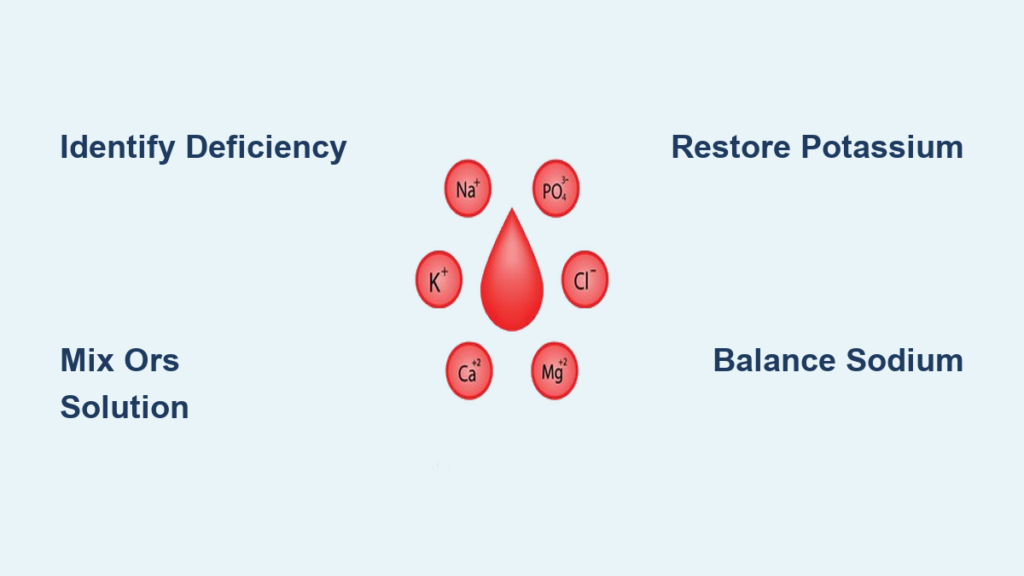
That sudden muscle cramp during your morning jog isn’t just bad luck—it’s your body flashing a critical alert. When your heart races unexpectedly or your legs turn to lead mid-stair climb, electrolyte imbalance is likely the culprit. The good news? Most mild cases resolve within 24 hours using kitchen ingredients and precise hydration strategies, avoiding unnecessary medical visits. You’ll learn exactly how to identify which electrolyte is deficient, craft targeted remedies, and implement a personalized recovery plan that prevents future episodes—all without expensive supplements or sports drinks.
Stop guessing whether it’s dehydration or something more serious. This guide transforms complex medical knowledge into actionable home protocols you can implement immediately. Within minutes of reading, you’ll know how to mix the exact oral rehydration solution that saved millions during cholera outbreaks, plus targeted food-based fixes for potassium crashes and magnesium depletion. Your path to balanced electrolytes starts with recognizing your body’s unique warning signs.
Identify Your Specific Electrolyte Deficiency

Don’t treat symptoms blindly—pinpoint which mineral is lacking to apply the right fix. Your symptom pattern reveals the exact electrolyte needing correction, preventing wasted effort on ineffective remedies.
Muscle Cramps and Weakness Decoded
Potassium deficiency triggers sharp charley horses in calves or persistent eyelid twitching that won’t quit. Magnesium shortage creates that “jelly legs” sensation climbing stairs. Track timing: cramps during exercise signal sodium loss, while nighttime leg cramps point directly to magnesium depletion. If weakness hits after diarrhea or vomiting, prioritize sodium replacement immediately—your kidneys are flushing critical minerals.
Heart Rhythm Emergency Signs
Place your fingers on your wrist while seated quietly. Skipped beats, racing pulse at rest, or feeling your heartbeat in your throat demand immediate action. Potassium and magnesium directly regulate cardiac rhythm—address these first if palpitations occur. Stop all activity and prepare your oral rehydration solution while monitoring symptoms. If irregular beats persist beyond 5 minutes, seek emergency care—this isn’t something to tough out at home.
Energy and Mood Imbalance Clues
Afternoon crashes despite 8 hours sleep? Calcium and magnesium drive cellular energy production—deficiency leaves you drained. Irritability mixed with muscle tension screams magnesium deficiency. Brain fog after workouts indicates sodium loss beyond simple water replacement. Track these patterns for 48 hours before implementing fixes—your symptom diary becomes your treatment blueprint.
DIY Oral Rehydration Solution Protocol
Ditch overpriced sports drinks—create medical-grade electrolyte replacement using your kitchen scale. The World Health Organization’s formula has saved lives in cholera epidemics and works perfectly for home use when measured precisely.
Exact WHO Formula Measurements
Mix these per liter of filtered water:
– 3.5 g table salt (use digital scale—¾ tsp)
– 2.9 g baking soda (½ tsp)
– 1.5 g salt substitute (¼ tsp NoSalt)
– 20 g sugar (5 tsp)
Critical warning: Too concentrated draws water from cells, worsening dehydration. Too dilute fails to restore balance. Measure with a $10 kitchen scale—not measuring spoons—for life-saving accuracy. Consume 200-400 mL after each loose stool or during active symptoms.
Emergency 1-Minute Fix (No Scale Needed)
Combine in 1 liter boiled/cooled water:
– 6 level tsp sugar
– ½ level tsp salt
– ½ cup orange juice (for potassium)
– Pinch of baking soda
Sip slowly every 10 minutes—chugging causes vomiting. This treats 90% of mild imbalances within 2 hours. For children under 5, reduce salt to ¼ tsp to prevent sodium overload.
Flavor Hacks That Boost Absorption
Transform basic ORS into palatable recovery drinks:
– Coconut water base: Replace 30% of water for natural potassium
– Lemon + raw honey: Masks salt while providing glucose for absorption
– Cucumber + mint: Cooling perfect for heat-related imbalances
– Ginger + maple: Settles stomach while adding minerals
Pro tip: Freeze ORS in ice cube trays—suck cubes slowly during nausea.
Targeted Mineral Replacement Strategies

Generic fixes fail—implement precise protocols based on your deficiency. Match symptoms to solutions using this food-first approach that avoids dangerous supplement overdoses.
Potassium Restoration Protocol
Consume within 4 hours of symptom onset:
1. ½ avocado (485 mg) with pinch of salt
2. 1 medium sweet potato (540 mg) roasted with skin
3. ½ cup cooked spinach (420 mg) sautéed in olive oil
4. 1 cup plain Greek yogurt (380 mg) with banana
Critical rule: Never exceed 1,782 mg potassium from supplements without testing—food sources self-limit absorption. Avoid bananas if vomiting—they’re hard to digest.
Magnesium Muscle Relief Plan
Integrate these daily:
– Morning: 2 tbsp pumpkin seeds in oatmeal (300 mg)
– Snack: 1 oz almonds + dark chocolate square (144 mg)
– Dinner: Black bean chili with avocado (180 mg)
– Night: Magnesium glycinate 200-400 mg
Absorption hack: Pair with vitamin D-rich salmon or fortified milk—boosts uptake by 30% and prevents diarrhea.
Sodium Balance Without Overload
Smart sodium addition:
– Athletes: ¼ tsp salt in 16 oz water during workouts >60 min
– Low-carb dieters: Salt food liberally + 2 cups bone broth daily
– Illness recovery: Sip salted broth between meals (not with food)
– Heat exposure: 1 oz pickle juice (825 mg sodium)
Stop immediately if: Fingers swell, headache worsens, or blood pressure spikes—sodium overload is dangerous.
Hydration Math Made Foolproof
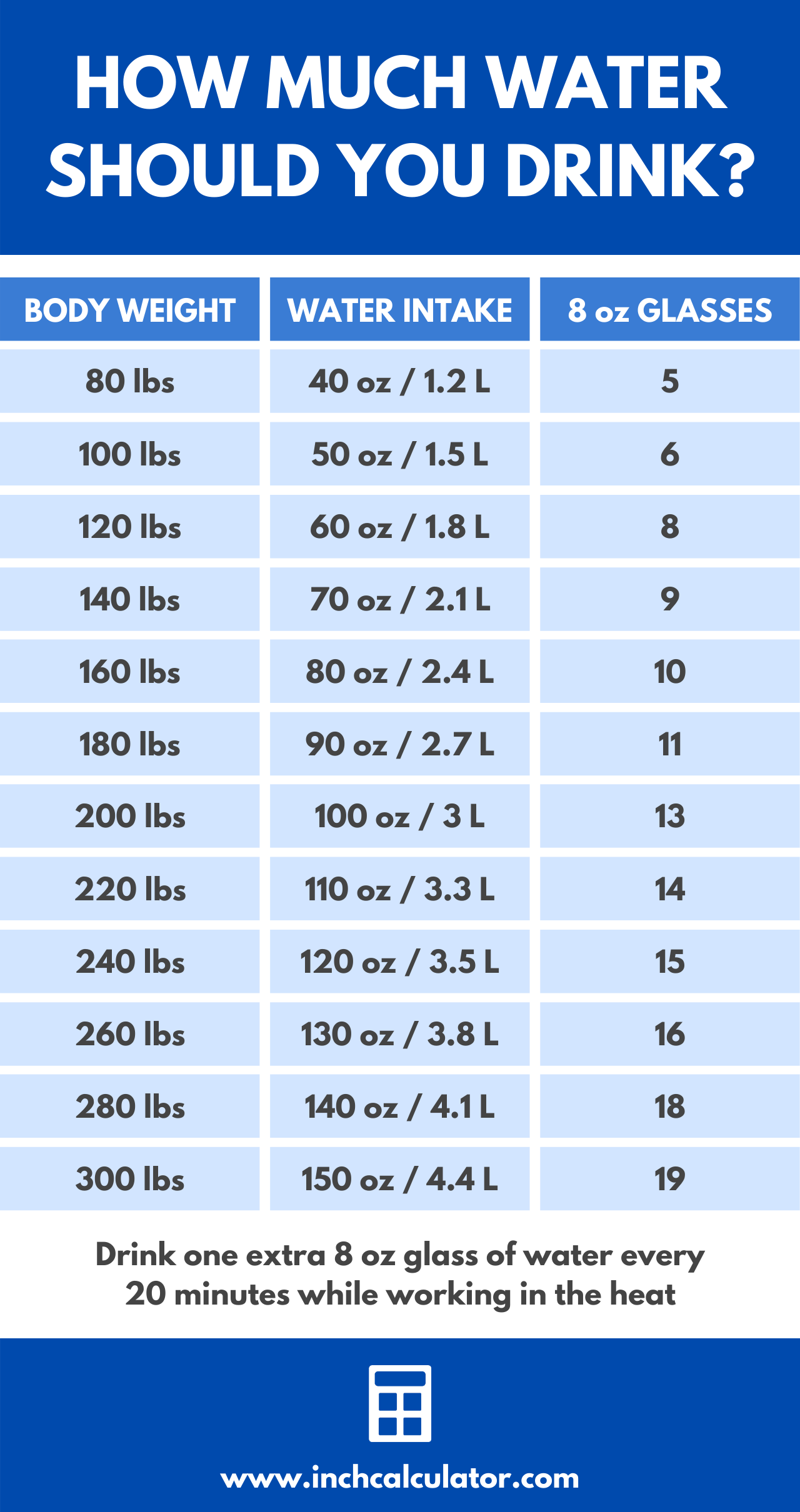
Calculate exact fluid needs using your body weight—not generic “8 glasses” myths. Precision prevents both dehydration and dangerous overhydration.
Daily Water Formula
Weight (kg) × 35 mL = daily ounces
Example: 150 lb person (68 kg) = 68 × 35 = 2.38 liters
Adjust for:
– Exercise: +500 mL per hour
– Coffee: +250 mL per cup
– Alcohol: +500 mL per drink
– Heat: +50% in 85°F+ weather
Post-Workout Recovery Protocol
Weigh yourself pre/post exercise. Each pound lost = 16-24 oz fluid replacement. Drink 150% of losses within 4-6 hours.
Example: Lose 2 lbs during run → drink 48 oz electrolyte solution by evening. Chugging causes cramps—sip steadily.
Urine Color Emergency Guide
- Pale lemonade: Perfect hydration
- Apple juice tint: Mild dehydration—start ORS now
- Dark amber: Severe imbalance—implement full protocol
- Clear as water: Overhydration—add sodium immediately
When Home Treatment Fails
Recognize the thin line between self-care and medical emergency. These red flags mean stop home treatment and seek help now.
Critical Warning Signs
Get emergency care if experiencing:
– Confusion or slurred speech
– Muscle weakness preventing walking
– Persistent vomiting >24 hours
– Seizures or severe headache
– Chest pain or irregular heartbeat
– Inability to keep fluids down
Pre-hospital prep: Gather exact supplements taken, symptom timeline, and food logs—this information saves critical time in ER.
Prevention Through Daily Habits
Build resilience into your routine to prevent future episodes. Consistent habits beat reactive fixes every time.
Morning ritual: Start with 500 mL water + pinch salt + lemon squeeze + ¼ tsp honey. Sets mineral balance before coffee depletes magnesium.
Every meal must include:
– 1 potassium source (avocado, spinach)
– 1 magnesium source (nuts, seeds)
– Calcium component (dairy, fortified alternatives)
– Conscious sodium (salt to taste—not processed foods)
Travel strategy: Pack 5 single-serve ORS packets, magnesium glycinate, and portable salt. Begin enhanced hydration 2 days before altitude changes.
Final Note: Master these home electrolyte strategies to stop cramps, fatigue, and heart palpitations in their tracks. Keep your WHO formula ingredients measured and ready—when symptoms strike, you’ll have the exact remedy within minutes. Implement the morning ritual today; your future self will thank you when that next imbalance hits and you’re prepared with science-backed solutions. For severe or persistent symptoms, always consult your healthcare provider to rule out underlying conditions.