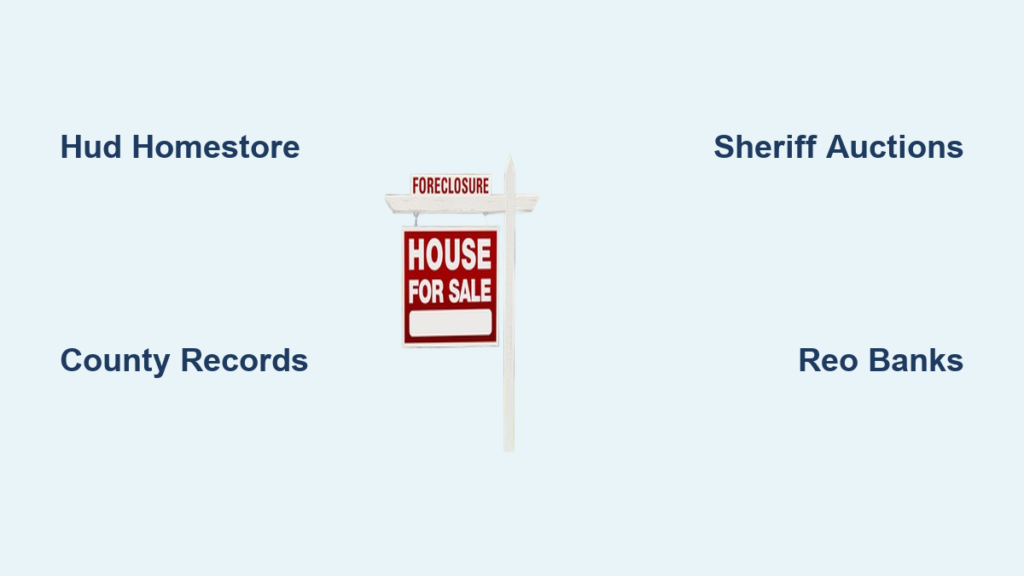
Finding foreclosed homes can unlock incredible investment opportunities—often 20-50% below market value—but only if you know where to look and how to navigate the complex process. Whether you’re a first-time buyer seeking your dream home at a discount or an investor building a rental portfolio, this guide reveals every legitimate channel to locate foreclosures, from free government databases to professional-grade tools. You’ll discover exactly how to find foreclosed homes through proven methods that work in today’s competitive market, avoiding common pitfalls that trap inexperienced buyers.
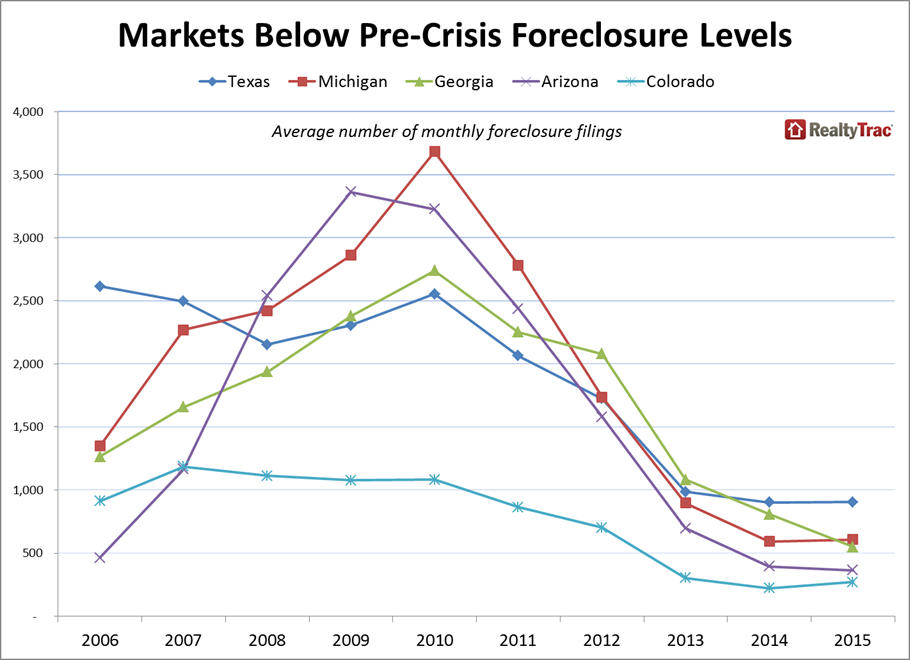
The foreclosure market has shifted dramatically since the 2008 housing crisis, with fewer distressed properties but more sophisticated search techniques required. Banks and government agencies now list properties through specialized portals with owner-occupant priority periods, while county records remain the best source for early-stage opportunities. This comprehensive guide cuts through the noise to deliver actionable strategies you can implement immediately to find the best foreclosure deals before they hit mainstream listings.
Government Foreclosure Portals That List Thousands of Properties
HUD HomeStore: Your Gateway to FHA Foreclosures
The HUD HomeStore (hudhomestore.gov) serves as the official marketplace for FHA foreclosures nationwide. Search by ZIP code, price range, or property features to find homes with detailed condition reports and photos. Owner-occupant priority gives you the first 10 days to submit offers before investors can bid, dramatically increasing your chances of success.
Key advantages of HUD properties:
– $100 Down Payment program available for eligible buyers
– Good Neighbor Next Door offers 50% discounts for teachers, police, firefighters, and EMTs
– Properties listed with full photo galleries and inspection reports
– No appraisal required for certain financing options
Fannie Mae HomePath: Bank-Owned Properties with Special Financing
Visit HomePath.com for Fannie Mae’s REO inventory. These properties often feature a First Look program, giving owner-occupants 20-30 days of exclusivity before investors can bid. Most properties are move-in ready with professional maintenance, reducing your renovation costs and timeline.
Top HomePath benefits:
– HomeReady financing with just 3% down payment
– 3% closing cost assistance through Ready Buyer program
– Streamlined purchase process with fewer contingencies
– Neighborhood analytics to help determine fair market value
Other Government Foreclosure Directories Worth Checking
- HomeSteps.com – Freddie Mac’s REO platform with similar owner-occupant priority periods
- VRMProperties.com – VA repossessed homes with zero-down veteran financing options
- RDHomes.USDA.gov – Rural development foreclosures with income-based programs for eligible buyers
County Recorder’s Office: The Underutilized Source for Early Foreclosure Leads

How to Find Notice of Default Filings Before Properties Hit Auction
Your county Recorder’s Office holds the keys to pre-foreclosure opportunities that never reach online portals. Search for Notice of Default (NOD) filings, typically filed 90-120 days after the first missed payment. These properties represent your best chance for short sales or direct negotiations with distressed owners.
Search methods:
– Visit in person with property addresses or borrower names
– Use online databases where available (check county website)
– Request daily or weekly NOD filing reports (often free)
– Focus on properties with 30-90 days since NOD filing
Sheriff Sale Calendars: Where and When to Find Upcoming Auctions
County Sheriff or Public Trustee offices publish auction schedules that reveal properties heading to foreclosure sale. Find these listings in your local newspaper’s legal notices section, county websites, or posted physically at courthouse entrances.
Critical auction details:
– Deposit requirements (typically 5-10% cash on auction day)
– Payment deadlines (usually 24-48 hours for full payment)
– Buyer’s premiums (5-10% additional fees on winning bid)
– Property condition disclosures (often “as-is” with no inspections)
Commercial Foreclosure Platforms: Free vs. Paid Options Compared
Free Foreclosure Search Sites That Actually Work
- Auction.com – Register free to browse listings, pay only to bid
- Hubzu – Bank-owned auctions and traditional sales with financing options
- Xome – Lender-partnered marketplace with both auction and traditional sales
Subscription Services Worth Paying For
- RealtyTrac ($49.95/month) – Access 1.5M+ listings with neighborhood analytics
- Foreclosure.com ($39.80/month) – Search 2M+ properties with estimated values
- PropertyRadar ($99/month) – Get automated pre-foreclosure alerts in your target areas
Pre-Foreclosure Properties: How to Contact Owners Before Default
Driving for Dollars: Finding Distressed Properties in Person
Identify potential pre-foreclosure opportunities by driving target neighborhoods looking for:
– Overgrown lawns and neglected exteriors
– Piled mail and newspapers at the door
– Boarded windows or “For Sale By Owner” signs
– Vacant properties with disconnected utilities
Document findings with photos and addresses, then cross-reference with county NOD filings to confirm foreclosure status before contacting owners.
What to Say When Contacting Pre-Foreclosure Homeowners
When reaching out to distressed owners, send professional, respectful letters that:
– Acknowledge their difficult situation without judgment
– Clearly state your offer to purchase “as-is” for cash
– Include your contact information and proof of funds
– Follow up after 14 days if no response
Avoid harassment claims by limiting contact to 1-2 attempts over 90 days and respecting “do not contact” requests.
REO Bank-Owned Properties: Finding and Bidding Strategies
How to Contact Bank REO Departments Directly
Bypass listing agents by contacting REO departments directly at:
– Bank of America REO
– Wells Fargo REO
– Chase REO
– Citi REO
– Regional bank REO managers
Call during business hours and ask for the asset manager handling specific properties to submit offers directly.
Negotiation Tactics That Actually Work with Banks
Price negotiation strategy:
– Banks typically price 5-10% below market value
– Start with offers 5-15% below list price
– Expect 1-5 day response time for counteroffers
– Multiple counter-offer rounds are normal
Winning terms to include:
– 30-day or faster closing timeline
– Minimal contingencies (waive inspection if possible)
– 1-3% earnest money deposit
– Strong pre-approval letter from reputable lender
What to Look for During Foreclosure Property Inspections
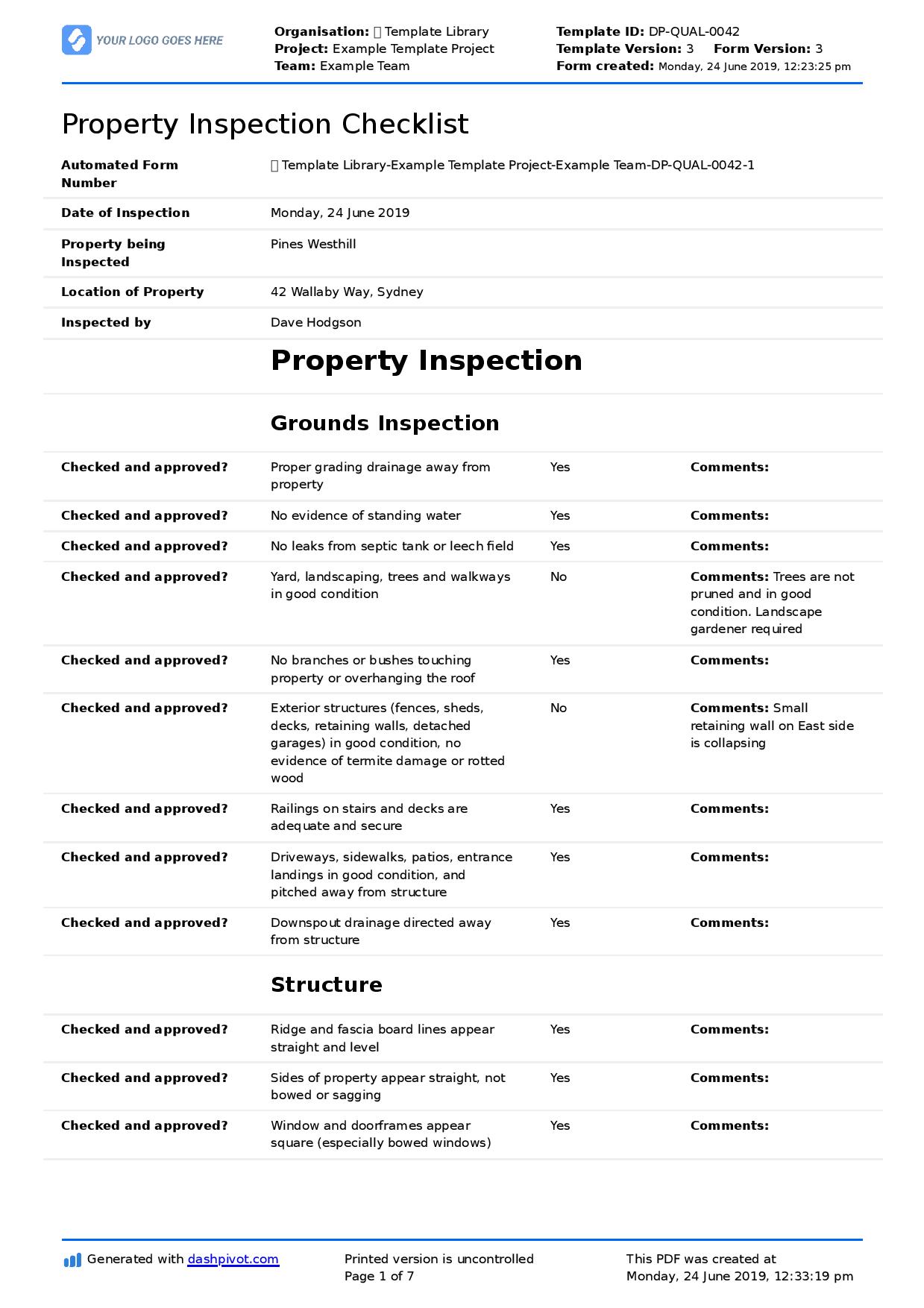
Exterior Warning Signs That Could Cost You Thousands
Critical red flags:
– Roof sagging or missing shingles (potential structural damage)
– Foundation cracks wider than 1/4″ (expensive repair)
– Standing water near foundation after rain (drainage issues)
– Broken windows or damaged siding (security and weather concerns)
Interior Systems Checklist to Avoid Deal-Killing Surprises
Must-check systems:
– Electrical panel age and capacity (older panels may need replacement)
– Plumbing leaks or galvanized pipes (corrosion risk)
– HVAC age (units over 15 years likely need replacement)
– Signs of mold or water damage (health and repair concerns)
Common Foreclosure Search Mistakes That Cost Buyers Thousands
Problem Properties to Immediately Walk Away From
- Foundation issues – Walk away unless you’re experienced with structural repairs
- Meth contamination – Requires professional testing and expensive remediation
- Squatter occupancy – Can trigger lengthy eviction process (30-90+ days)
- HOA litigation – Review all association documents for pending lawsuits
Financial Traps That Turn Foreclosure Deals Sour
- Over-improving for neighborhood (don’t spend $50k on kitchen in $200k neighborhood)
- Underestimating repairs – Always add 20% contingency to repair estimates
- Ignoring holding costs – Factor in taxes, insurance, and utilities during renovation
- Single exit strategy – Have multiple backup plans if flip or rental market changes
Your 4-Week Action Plan to Start Finding Foreclosures Today
Week 1: Government Portal Setup and Registration
Action items:
– Bookmark and register on HUD HomeStore, HomePath, and HomeSteps
– Set up email alerts for new listings in target ZIP codes
– Research eligibility for special programs ($100 Down, Good Neighbor)
– Print property lists for your target neighborhoods
Week 2: County Records Research and Local Networking
Action items:
– Visit county recorder’s office to obtain NOD lists
– Get sheriff sale calendar for upcoming auctions
– Join local real estate investment association (REIA) meeting
– Connect with foreclosure-specialized real estate agent
Pro tip: Combine multiple search channels—monitor government sites for REOs, county records for pre-foreclosures, and auctions for immediate deals. Start with free government resources, then scale to paid platforms as you gain experience. The most successful foreclosure buyers use at least three different methods simultaneously to maximize opportunities while minimizing risk.