That overflowing kitchen drawer full of dead batteries—AAAs from the TV remote, the swollen phone battery that won’t hold a charge, the tiny watch battery stuck to a magnet—creates a silent hazard in 9 out of 10 homes. When improperly tossed, these common household items transform into fire starters in garbage trucks and toxic time bombs leaching lead and cadmium into groundwater. Yet how to dispose of batteries at home safely remains a mystery to most people, despite 175 million pounds of batteries being recycled annually through proper channels. This guide cuts through the confusion with exact steps for every battery type hiding in your home, verified by EPA guidelines and recycling program data. Within 20 minutes, you’ll know precisely how to protect your family, sanitation workers, and local waterways while clearing that cluttered drawer for good.
Identify Every Battery Type in Your Home in 5 Minutes
Spot Single-Use Batteries Before They Leak
Scan your junk drawer for alkaline and zinc-carbon batteries—the workhorses powering TV remotes, children’s toys, and flashlights. These AA, AAA, C, D, and 9V units look identical but require specific handling. Check button-cell batteries immediately; these silver discs (about the size of a dime) live in watches, hearing aids, and car key fobs. While modern versions use lithium metal, older models still pack mercury or cadmium—making them critical to separate from regular trash. If you spot white crust or green powder on any battery, stop: this indicates leakage requiring emergency handling.
Recognize Rechargeable Battery Fire Risks
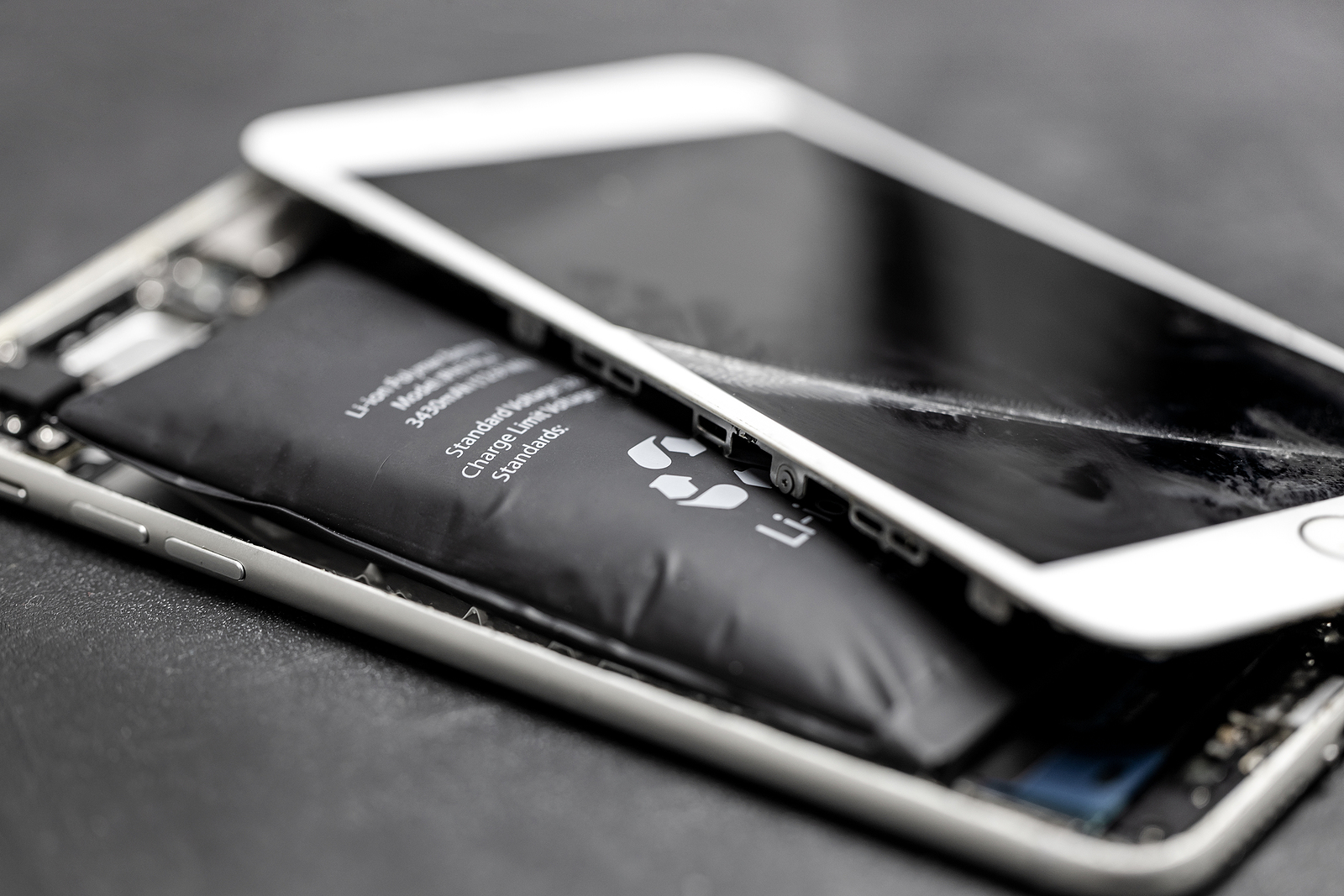
Pull batteries from your electronics to identify lithium-ion units—the hidden danger in smartphones, laptops, and e-cigarettes. These often swell or feel warm when failing. Nickel-cadmium (Ni-Cd) batteries typically power older cordless drills and two-way radios, identifiable by their rectangular shape and “Ni-Cd” label. Nickel metal hydride (Ni-MH) variants mimic alkaline batteries but say “rechargeable” on the casing. Never confuse these with single-use types: lithium-ion batteries cause 60% of waste facility fires when damaged or improperly stored.
Isolate Automotive Batteries Immediately
Check your garage for lead-acid batteries—the heavy, plastic-cased units in cars, motorcycles, or backup power systems. These contain up to 18 pounds of lead and corrosive sulfuric acid. Never place these in household bins; even minor cracks release toxic sludge. If you see red fluid or smell rotten eggs (hydrogen sulfide gas), this signals immediate danger requiring professional handling.
Prepare Batteries for Disposal Without Creating Hazards
Execute Terminal Protection in 60 Seconds
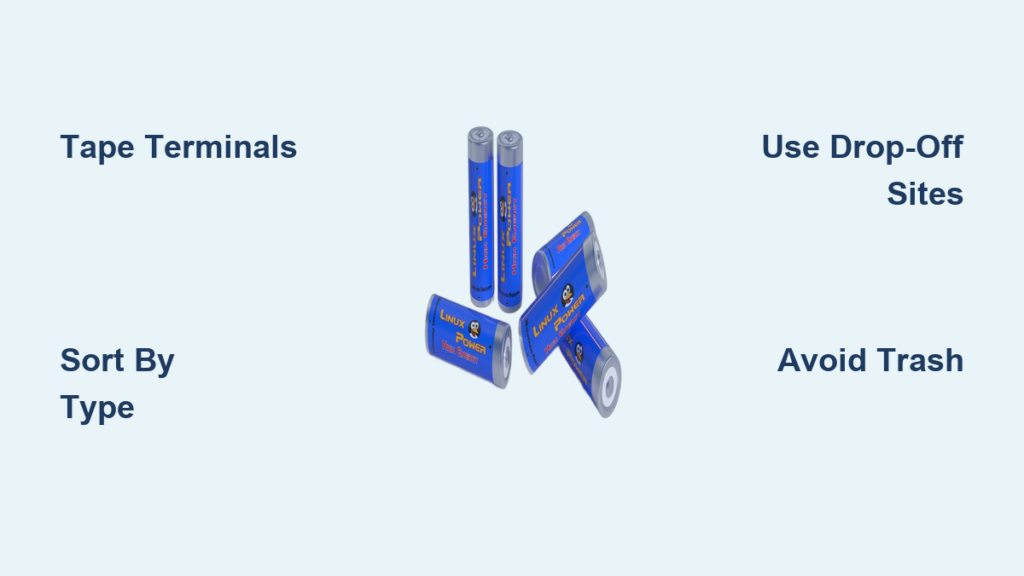
Tape every battery terminal with electrical tape—this single action prevents 90% of disposal fires. For AA/AAA units, wrap tape tightly over the small metal ends. Button cells require double protection: tape the entire disc or place each in individual plastic baggies. Lithium-ion batteries need triple security: tape terminals, seal in a ziplock bag, then store upright in a non-flammable container like a ceramic bowl. Skip this step, and loose batteries touching metal objects can ignite within minutes.
Handle Swollen or Leaking Units Safely
If a battery leaks, don’t panic—act fast. Wear rubber gloves and eye protection. Place damaged units in separate sealed containers—never toss multiple leaking batteries together. For alkaline leaks (white crust), neutralize with vinegar on a cotton swab before disposal. Lithium-ion swelling demands extreme caution: place the device in a sand-filled metal bucket outdoors until you reach a drop-off site. One swollen phone battery caused a $25,000 fire in a Seattle recycling facility last year.
Disposal Methods That Actually Work for Your Battery Type
Alkaline Battery Disposal: Trash vs. Recycling Reality
Most communities now allow standard AA/AAA/C/D batteries in household trash since manufacturers removed mercury in the 1990s. But don’t toss them blindly: call your waste authority first—cities like San Francisco mandate recycling. When recycling, tape terminals and drop at retailers like Home Depot. Skip this for 9V batteries; their exposed terminals create instant fire risks if not taped. Pro tip: Tape entire alkaline batteries before trashing to prevent accidental contact with other metals.
Button-Cell Battery Protocol: Stop the Child Safety Risk
Never discard coin batteries in regular trash—their small size makes them a deadly choking hazard for children. Store used units in childproof containers until disposal. Take them exclusively to specialized recyclers like Batteries Plus or household hazardous waste facilities. Check for “lithium” on the casing; these require separate handling from silver-oxide types. One swallowed button cell can burn through a child’s esophagus in 2 hours—proper disposal saves lives.
Rechargeable Battery Drop-Off: Where to Go Today

All rechargeable batteries must leave your home through certified channels. For removable units (like laptop batteries), visit Best Buy or Lowe’s—their Call2Recycle bins accept Ni-Cd, Ni-MH, and Li-ion types. Built-in batteries (in phones or tablets) require whole-device drop-off at certified e-waste centers. Never disassemble devices; punctured lithium packs ignite spontaneously. If your local store lacks bins, use Earth911’s ZIP code tool—87% of Americans live within 10 miles of a free drop-off.
Automotive Battery Return: The $10 Secret
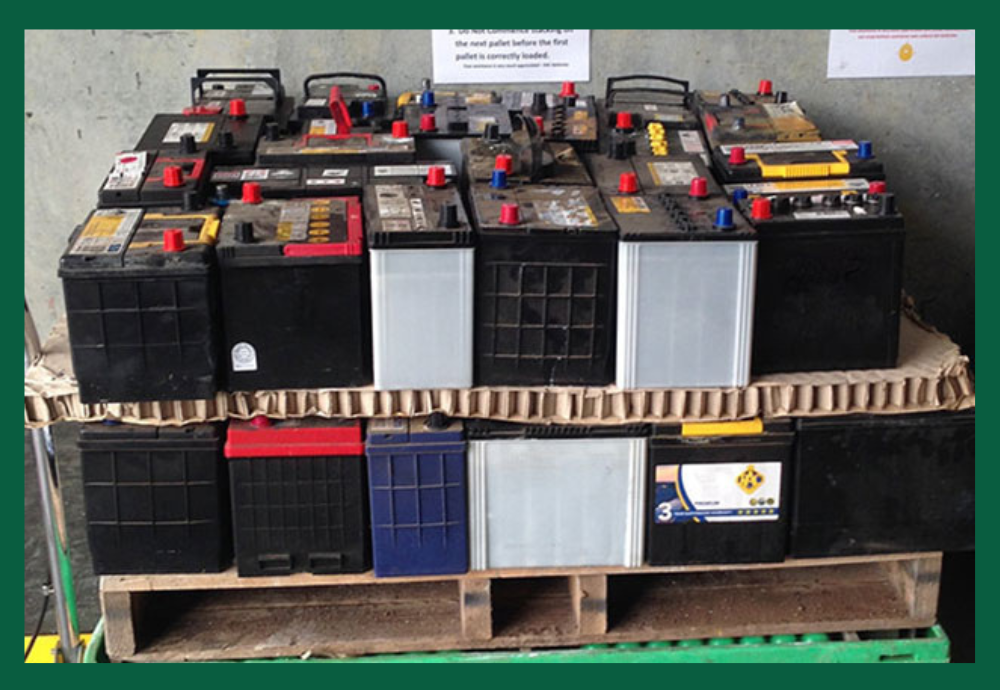
Return car batteries to auto parts stores like Advance Auto—they’ll often give $5–$10 credit for old units. Never place lead-acid batteries in curbside bins; their sulfuric acid melts through plastic containers. If the battery leaks, neutralize spills with baking soda before transport. Most stores accept them even without a new purchase—call ahead to confirm hours. This closed-loop system recycles 99% of materials, making it the most efficient battery disposal method.
Find Your Nearest Battery Recycling Spot in 3 Clicks
Use Online Tools That Actually Work
Go directly to Call2Recycle.org and enter your ZIP code—this shows 20,000+ verified drop-off locations with real-time availability. Earth911.com filters by battery type; select “lithium-ion” to avoid wasting trips to incompatible sites. Check state-specific portals like South Carolina’s RecycleHereSC.org for local event calendars. Skip generic searches—”battery recycling near me” often lists unverified locations that reject certain types.
Retail Drop-Off Hacks You Need
Best Buy accepts all battery types at customer service desks but limits quantities to 5 pounds per visit. Staples takes rechargeables only—no automotive or single-use units. Batteries Plus specializes in hard-to-recycle types like hearing aid batteries. Pro move: Call ahead to confirm acceptance—some Lowe’s locations only take AA/AAA despite corporate policies. Avoid toy stores; even specialty retailers like The Dinosaur Farm have limited capacity.
Mail-In Solutions for Rural Residents
If no drop-off exists nearby, use Call2Recycle’s prepaid mailers—they cover shipping costs for rechargeables. Earth911 lists national programs accepting any battery type via USPS flat-rate boxes. Seal units in plastic with tape before mailing to prevent in-transit fires. Note: Never mail damaged or swollen batteries; these require hazardous materials shipping.
Prevent Future Disposal Headaches Now
Implement a Home Battery Management System
Install separate labeled containers in your garage: one for alkalines, one for rechargeables, one for button cells. Tape terminals immediately upon removal from devices—this takes 10 seconds but prevents disasters. Schedule quarterly disposal runs using your state’s hazardous waste calendar. One household cut disposal errors by 100% after adding color-coded bins: red for lithium, blue for alkaline.
Choose Batteries That Simplify Disposal
Switch to Ni-MH rechargeables for high-drain devices like cameras—they last 500+ cycles and accept standard recycling. Avoid single-use lithium coin cells in favor of replaceable alkaline watches where possible. Buy devices with USB-rechargeable batteries (like modern remotes) that eliminate disposal needs entirely. This reduces your battery waste by 75% within one year.
Maintain Batteries to Extend Safe Life
Store spares at 40–60% charge in cool, dry places—fully charged units degrade faster. Clean corroded contacts with cotton swabs dipped in vinegar, then wipe dry. Replace aging batteries proactively; a 2-year-old phone battery has 80% reduced capacity and higher leakage risk. One tech repair shop reports 30% fewer disposal emergencies from customers who follow these steps.
Clear Your Hazard Zone Today: Grab that kitchen drawer right now. Sort batteries into three piles: single-use (AA/AAA), button cells, and rechargeables. Tape every terminal using the electrical tape method described—this takes under 5 minutes. Visit Call2Recycle.org with your ZIP code; 92% of users find a drop-off within 5 miles. Most major retailers accept your sorted batteries during business hours with no appointment. By completing this process before dinner, you’ll eliminate a fire hazard, protect local water sources, and join the 175 million pounds of batteries properly recycled annually. Remember: Proper disposal isn’t just eco-friendly—it’s how to dispose of batteries at home without risking your family’s safety or your community’s infrastructure.