Waking up with foggy thoughts and realizing you’re done with daily cannabis use is a powerful moment—but knowing how to detox from weed at home without professional help can feel like navigating a minefield. Whether you’re preparing for a job drug test or reclaiming control after years of regular use, your body will eliminate THC naturally once you stop consuming. The critical factor? Understanding your personal timeline based on usage patterns and implementing science-backed strategies to ease withdrawal symptoms while accelerating your body’s natural cleansing process.
Most people attempting home weed detox make preventable mistakes that extend discomfort or trigger relapse, like chugging gallons of water before a urine test (which actually flags diluted samples) or ignoring sleep disruption that amplifies anxiety. This guide cuts through dangerous detox myths by focusing exclusively on evidence-based home protocols verified by medical research. You’ll learn exactly how long THC lingers in your system, practical symptom management for the toughest 72 hours, and why time—not gimmicks—is your most powerful detox tool.
How Long THC Stays in Your System (By Test Type)
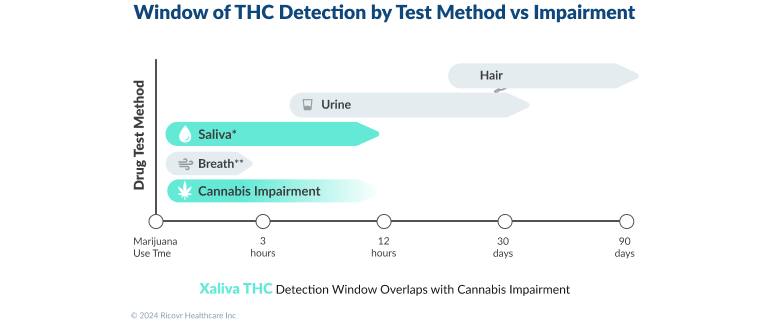
Your detox timeline hinges entirely on which drug test you face and your personal usage history. Modern urine tests detect THC metabolites—not active THC—trapped in fat cells, creating vastly different clearance windows based on consumption frequency. Occasional users (1-2 times weekly) typically clear metabolites within 3-7 days, while daily consumers need 30-45 days. Heavy chronic users (multiple daily doses) often require 45-90 days for complete elimination, especially with higher body fat percentages that store THC longer.
Blood and Saliva Clearance Realities
Blood tests only detect recent use (24-72 hours after last consumption), making them irrelevant for most employment screenings. Saliva tests similarly catch traces for just 24-48 hours—useful only for law enforcement roadside checks. If you stopped using 3 days ago, these tests won’t flag you regardless of usage history. The real challenge? Standard pre-employment urine tests that hunt for metabolites lingering weeks after your last joint.
Why Body Fat Slows Your Detox
THC’s fat-soluble nature means it binds to adipose tissue, slowly releasing into your bloodstream as fat cells break down. Two people with identical usage patterns may detox at wildly different speeds: a lean athlete might clear metabolites in 20 days while someone with higher body fat takes 35+ days. This explains why “detox teas” promising 24-hour cleanses are scientifically impossible—they can’t magically release THC from fat stores.
First 72 Hours: Stop Withdrawal Symptoms Immediately
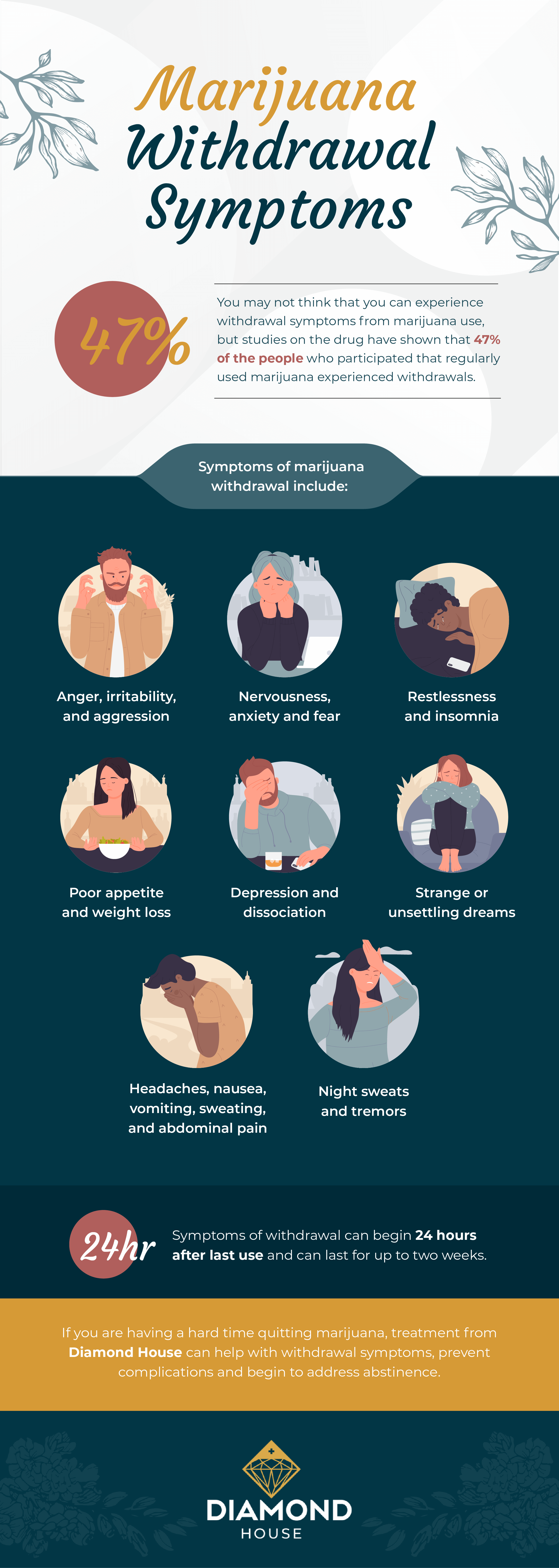
The initial 3 days trigger the most intense physical symptoms as your body adjusts to zero THC intake. Sleep disruption hits hardest during this phase, with 85% of users reporting insomnia. Combat this by implementing a non-negotiable bedtime ritual: take a hot bath 90 minutes before sleep to relax muscles, set your thermostat to 65°F, and ban all screens 60 minutes before bed. Crucially, avoid melatonin supplements—they often worsen next-day fatigue during detox.
Fix Sleep Without Medication
Magnesium glycinate (200-400mg nightly) provides the most reliable natural sleep aid by calming nervous system activity. Pair this with strict temperature control: your core body temperature must drop 2-3°F to initiate sleep, which is impossible in warm rooms. If racing thoughts keep you awake, write worries in a journal—this “brain dump” technique reduces cortisol spikes that sabotage rest.
Manage Day 2-3 Irritability Spikes
Peak mood swings hit between 48-72 hours as dopamine regulation resets. Counteract this by scheduling three 10-minute walks daily—even short bursts of movement lower cortisol by 15%. Keep protein-rich snacks (almonds, hard-boiled eggs) handy to prevent blood sugar crashes that amplify anger. Most importantly, pre-warn household members: “I’ll be more irritable Tuesday-Wednesday—please give me space if I snap.”
Week 1-2: Beat Peak Withdrawal Without Relapse
By days 7-14, physical symptoms ease but psychological cravings intensify. Your liver works hardest during this phase to process stored THC metabolites, making nutritional support critical. Focus on cruciferous vegetables (broccoli, Brussels sprouts) that boost liver enzymes by 30%, plus leafy greens packed with magnesium to reduce anxiety. Avoid processed sugars—they cause inflammation that slows metabolite excretion.
Hydration That Actually Helps Detox
Drink half your body weight in ounces daily (e.g., 75 oz for 150 lbs). Adding fresh lemon juice supports kidney filtration, while cucumber slices provide natural electrolytes without artificial sugars found in sports drinks. Critical warning: Exceeding 1 gallon daily risks dangerous electrolyte imbalances and triggers urine dilution flags on drug tests. Stop drinking fluids 2 hours before bedtime to prevent disruptive nighttime bathroom trips.
Exercise Rules for Faster Clearance
Light cardio (30-minute walks, gentle yoga) during week one safely mobilizes fat cells without spiking blood THC. But heed this vital rule: never exercise intensely within 48 hours of a drug test. A 2022 Journal of Analytical Toxicology study proved intense workouts temporarily increase blood THC levels by 15-20% as metabolites flood your bloodstream from fat stores. Resume normal workouts only in week three.
Week 3-4: Final Metabolic Push
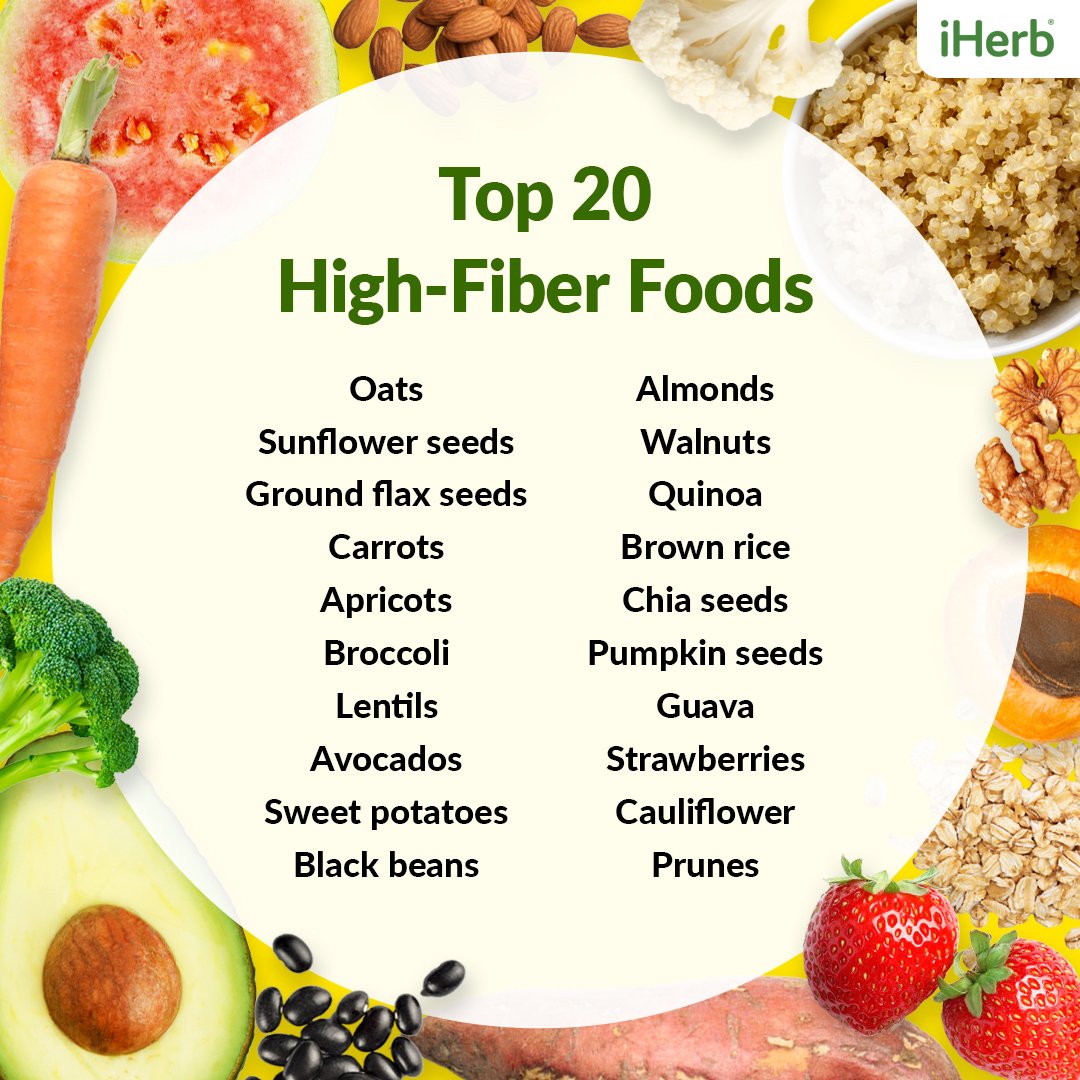
As THC levels drop below detection thresholds, your focus shifts to preventing relapse during this vulnerable phase. Fiber becomes your secret weapon—aim for 30g daily from oats, berries, and chia seeds to bind metabolites in your digestive tract for elimination. Pair this with probiotic foods like kimchi or kefir to optimize gut health, where 20% of THC excretion occurs.
Reset Your Sleep Cycle Permanently
By week three, most users regain normal sleep—but only if they maintain consistent wake times. Set your alarm for the same time daily (even weekends) and get 15 minutes of morning sunlight within 30 minutes of waking. This resets your circadian rhythm 40% faster than sleep aids. If anxiety resurfaces at night, practice the 4-7-8 breathing method: inhale 4 seconds, hold 7, exhale 8.
Critical Mistakes That Cause Test Failure
Most home detox attempts fail due to dangerous myths. Drinking excessive water before a test dilutes urine but triggers automatic retests—labs check creatinine levels and specific gravity, flagging 98% of over-hydrated samples. Commercial detox drinks often contain synthetic compounds like pyridinium chlorochromate that labs now screen for. Never use vinegar, bleach, or “detox pills”—these adulterants are easily detected and medically hazardous.
When to Seek Medical Help Immediately
Stop your home detox and call a doctor if you experience: vomiting preventing fluid intake for 24+ hours, suicidal thoughts, or hallucinations. While rare, severe cannabis withdrawal can cause temporary psychosis in heavy users. Professional support becomes essential if you’ve relapsed after three prior home attempts or use weed to manage diagnosed anxiety/depression.
Your Home Detox Safety Checklist
Prepare Your Environment Now
Remove all cannabis, pipes, and rolling papers immediately—out of sight means out of mind. Stock your kitchen with pre-cut veggies, herbal teas, and protein shakes for low-appetite days. Download the Marijuana Anonymous app for 24/7 virtual meetings, and create a “distraction kit” with stress balls and puzzle books for craving waves.
Build Your Support System
Text a trusted friend: “I’m detoxing this week—can you check in daily?” Schedule non-judgmental calls with them for 7 PM daily when cravings peak. If work stress triggers use, arrange a meeting with HR about temporary schedule adjustments. Pro tip: Tell colleagues you’re “resetting sleep patterns” rather than announcing detox—this avoids pressure while explaining irritability.
Long-Term Freedom Beyond Detox
Clearing THC is just step one—lasting sobriety requires rewiring habits. During week five, replace your old 4 PM joint ritual with a 20-minute walk. By month two, join a therapy group addressing why you used cannabis (boredom? anxiety?). Track cravings using the HALT method: Pause when urges hit and ask, “Am I Hungry, Angry, Lonely, or Tired?” Fixing these underlying needs prevents 70% of relapses.
Remember: No supplement, exercise, or tea speeds up THC elimination beyond your body’s natural timeline. But by following this science-backed home protocol, you’ll minimize suffering while giving your body exactly what it needs to reset. The most successful detoxers combine patience with preparation—start today, trust the process, and know that every symptom you endure is proof your body is healing. Within 30 days, you’ll breathe deeper, think clearer, and reclaim the focus you thought was lost forever.