
Moving boxes pile high while empty rooms echo back your uncertainty—that’s the reality of how to decorate a new home. Forget Instagram-perfect transformations; real homes evolve over years, not weekends. One homeowner spent five full years refining their space, learning that patience prevents $2,000 regrets and creates rooms that genuinely reflect who you are. This guide cuts through the overwhelm with a room-by-room action plan. You’ll discover exactly where to start, what to buy first, and how to build a cohesive home that grows with you—all without draining your savings or sanity.
Prioritize Your Bedroom, Bathroom, and Living Room First
Why Your Guest Room Can Wait 2 Years
Forget matching dining sets or formal living rooms—they’re the fastest route to decorating burnout. Your how to decorate a new home strategy must begin where you live daily: your primary bedroom, main bathroom, and living space. Document each room’s true function before buying anything. Will your living room double as a play area? Should your bedroom serve as a reading nook? These roles often shift after living in the space, so keep furniture flexible. One homeowner turned their “formal dining room” into a yoga studio within three months—proof that initial plans rarely survive first contact with reality.
Create Immediate Comfort With Temporary Paper Shades
Skip the $300 curtains and install $10 paper shades immediately. This simple act provides critical privacy while signaling “my home now.” Replace toilet seats and showerheads before unpacking kitchenware—these hygiene resets psychologically claim the space faster than any throw pillow. Paint walls before furniture arrives to avoid moving heavy pieces later. Choose warm white, soft greige, or light gray neutrals that complement existing trim. These shades create versatile backdrops that evolve with your style while preventing the dreaded “builder beige” paralysis.
Decode Your Authentic Design Style Without Pinterest Pressure
Collect 15 Room Images That Make You Say “Yes”
Stop chasing Pinterest fantasies. Instead, gather 10-15 room photos that trigger genuine excitement—then analyze their DNA. Do they share light-filled spaces with woven textures? Moody palettes with antique furniture? Distill this into a simple phrase like “modern rustic warmth” or “coastal transitional.” This becomes your decision filter: that velvet chair might be stunning, but if it clashes with your “Scandinavian minimalism” phrase, walk away. One designer client saved $4,200 by nixing impulse buys using this exact method.
Name Your Style With a Simple Phrase (Example: “Coastal Transitional”)
Your style phrase isn’t just fluff—it’s your secret weapon against regrettable purchases. Audit unchangeable elements like honey-oak cabinets or stone fireplaces before choosing wall colors. Warm gray complements oak better than cool white; soft tan harmonizes with existing trim. Limit accent colors to one or two hues introduced through textiles. Rotate intensity levels—a navy pillow against a muted blue rug creates depth without chaos. This approach ensures your how to decorate a new home journey builds cohesion, not color clashes.
Buy These Furniture Anchors Before Anything Else
Measure With Painter’s Tape Before Buying a Single Piece
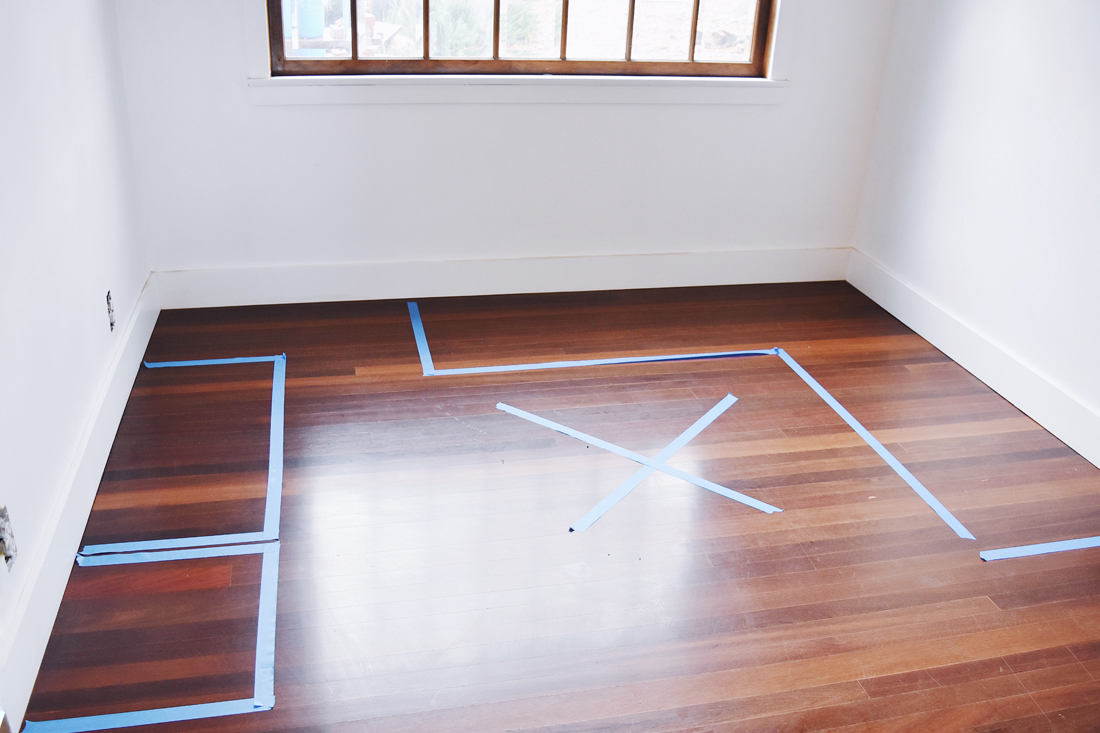
Never buy furniture before mapping your space. Use painter’s tape to outline rug footprints: living room seating needs all front legs on the rug, dining rugs require 24 inches beyond table edges for chairs, and bedroom rugs should show 8-12 inches on three bed sides. Measure doorways and stairwells too—your dream sofa means nothing if it won’t fit through the front door. One client avoided a $1,200 return fee by taping dimensions first.
Mix Furniture Finishes Without Creating Visual Chaos

Ditch matching sets—they scream “furniture showroom.” Instead, curate complementary pieces: pair a dark walnut dining table with painted chairs, or mix brass lamps with chrome hardware. Evaluate layouts fresh—your old house’s furniture arrangement won’t work here. Float sofas away from walls to create conversational zones. Anchor purchases by priority: invest in your bed frame and mattress before nightstands, choose the sofa before coffee tables. These foundations dictate everything that follows.
Install These 3 Lighting Layers in Every Room
Why Dimmer Switches Are the Most Underrated Upgrade
Harsh overhead lighting ruins any space. Every room needs three layers: ambient (recessed cans), task (reading lamps), and accent (picture lights). Install dimmer switches in all main areas—this $15 DIY swap transforms movie nights and dinner parties. Most basic switches swap easily with no electrician needed. Without dimmers, you’ll constantly battle “too bright” or “too dim” lighting—killing the mood before you even add decor.
Combine Soft, Hard, and Natural Textures for Depth
Bare rooms feel sterile; layered textures create warmth. Mix velvet pillows (soft) with metal lamps (hard) and jute rugs (natural). Balance glossy and matte finishes—a glass coffee table paired with a matte ceramic lamp adds visual interest matching sets can’t achieve. This trifecta prevents flatness while allowing seasonal swaps. When how to decorate a new home, remember: texture is your secret weapon against “new house” sterility.
Hang Art Like a Pro: The 57-Inch Rule and 4-Week Test
Tape Out Paper Templates to Avoid Multiple Nail Holes
Most people hang art too high. Center pieces at 57-60 inches from the floor—true eye level. Before hammering, tape paper templates matching your art’s dimensions to test placement. Live with pieces leaning against walls for 2-4 weeks; what looks perfect online often clashes in your space. One homeowner avoided 12 nail holes by using this method. Art should occupy 2/3 to 3/4 of available wall width—go oversized or build gallery walls when in doubt.
Build Gallery Walls With Mixed Frames and Personal Photos
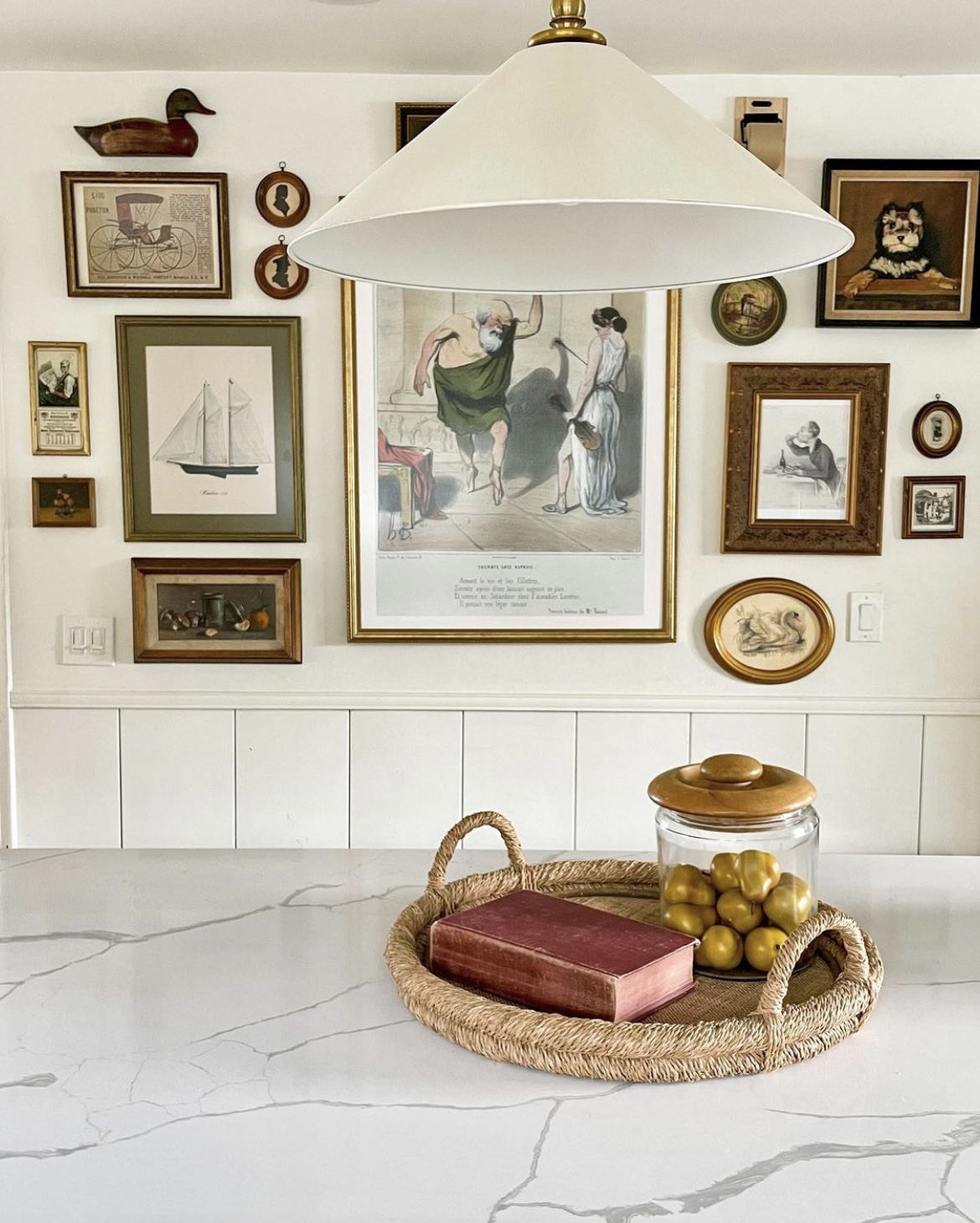
Gallery walls thrive on intentional variety. Mix black frames with wood finishes, combine travel photos with vintage prints, but keep one consistent element (like uniform mat colors). Avoid sterile symmetry—cluster odd-numbered groupings (3, 5, or 7 pieces) at varying heights. Include personal mementos like concert tickets or children’s drawings to inject soul. This transforms blank walls into storytelling spaces that match your personality, not a catalog.
Style Plants and Accessories Without Creating Clutter
Start With Snake Plants and Pothos (They Thrive on Neglect)
Skip finicky fiddle figs. Begin with near-indestructible plants: snake plants, pothos, and ZZ plants survive low light and irregular watering. Cluster them at three heights—floor pots, plant stands, and window sill trays. Install a $5 glass shelf above your kitchen sink for herbs that double as decor. One designer client’s “plant journey” started with one pothos clipping; two years later, it cascades through their entire living room.
Group Accessories in Odd Numbers With Varied Heights
Overcrowded surfaces scream “new house.” Style in odd-numbered groupings (3, 5, or 7 items) with varying heights. Stack books to create pedestals, use trays to corral small items, and always mix personal objects with new purchases. Implement monthly “editing eye” sweeps: remove 3-5 items per pass to prevent clutter buildup. This curated approach ensures your how to decorate a new home feels lived-in, not staged.
Phase Your Decor With This 5-Year Timeline (Week 1 to Year 5+)
Week 1-2: Focus on Paint and Temporary Window Coverings
Your first two weeks demand functionality, not flair. Prioritize paint, paper shades, and hygiene resets (toilet seats, showerheads). Document each room’s function in writing—this prevents mismatched furniture later. Measure rug footprints with painter’s tape before buying. This foundational phase sets the stage for everything, turning sterile boxes into personalized spaces.
Month 1-3: Invest in Major Furniture Anchors Only
Months 1-3 require ruthless prioritization. Buy your bed frame, sofa, and dining table first—then add supporting pieces. Apply the “wait for it” rule: if you know exactly what you want, hold out for sales or second-hand finds. One client scored a $2,400 sofa for $700 on Facebook Marketplace by waiting six months. Book free consultations at Crate & Barrel or Sherwin-Williams—they’ll help size sectionals or choose paint palettes at zero cost.
Fix These 5 Decorating Mistakes Immediately
Why Your Rugs Are Too Small (and How to Measure Correctly)
Tiny rugs are the #1 decorating crime. Tape your planned rug outline on the floor—90% of people choose sizes too small. Living rooms need seating front legs fully on the rug; dining areas require 24 inches beyond the table. Bedroom rugs should extend 8-12 inches on three bed sides. Always add rug pads—they prevent slipping and double rug life. This simple fix instantly elevates any room from “rental” to “refined.”
The Monthly “Editing Eye” Sweep to Prevent Overcrowding
Clutter accumulates silently. Set quarterly calendar reminders to remove 3-5 items per surface. Ask: “Does this spark joy and serve a purpose?” If not, donate it. One designer client’s “less is more” approach made their small living room feel 30% larger. Remember: empty space isn’t wasted—it’s breathing room for your soul. As you how to decorate a new home, prioritize quality over quantity every time.
Your new home’s story unfolds gradually. Start with privacy and paint, build on functional furniture anchors, then layer in personality through art and plants. Stick to this phased approach, and within five years, you’ll have a space that doesn’t just look like home—it feels like the truest expression of you. The journey isn’t about perfection; it’s about creating rooms where you can finally exhale, kick off your shoes, and whisper: “I’m home.”