Your dog just shredded the couch cushion while your cat knocked an entire vase off the mantle—and you’re wondering if a pet-friendly home means sacrificing your sanity. The good news? How to create a pet-friendly home isn’t about restricting your furry family members; it’s about redesigning your environment so pets thrive and your home stays beautiful. This guide transforms every room into a safe, stylish haven where tails wag freely and furniture survives another day. You’ll discover practical solutions that prevent 90% of common pet accidents while keeping your space Instagram-worthy. Within weeks, you’ll stop dreading “zoomies” and start enjoying a harmonious home where every species feels secure.
Start With a Safety Crawl
Before buying a single pet gate, drop to all fours and experience your home as your pet does. This ten-minute floor-level audit reveals hazards invisible from standing height—loose wires dangling like chew toys, prescription pills hiding under the dresser, or that tempting curtain cord swinging at paw level. Purina experts confirm this “puppy’s eye-view” inspection catches dangers humans routinely overlook. Prioritize hazards that could cause immediate harm, like electrical cords within 4 feet of the ground or toxic houseplants within jumping distance.
Scan Every Room Methodically
Move through each space twice: once at dog eye-level (12-24 inches) and again at cat height (6-36 inches, including vertical surfaces). Document everything reachable by jumping, climbing, or batting. Key danger zones: behind entertainment centers, under beds, inside open closets, and atop low bookshelves. Pay special attention to choking hazards like hair ties, batteries, or coins that could slip under furniture. For birds and small mammals, check baseboard gaps where tiny paws could reach live wires. This systematic approach ensures you address risks before they become emergencies.
Kitchen Pet-Proofing Essentials
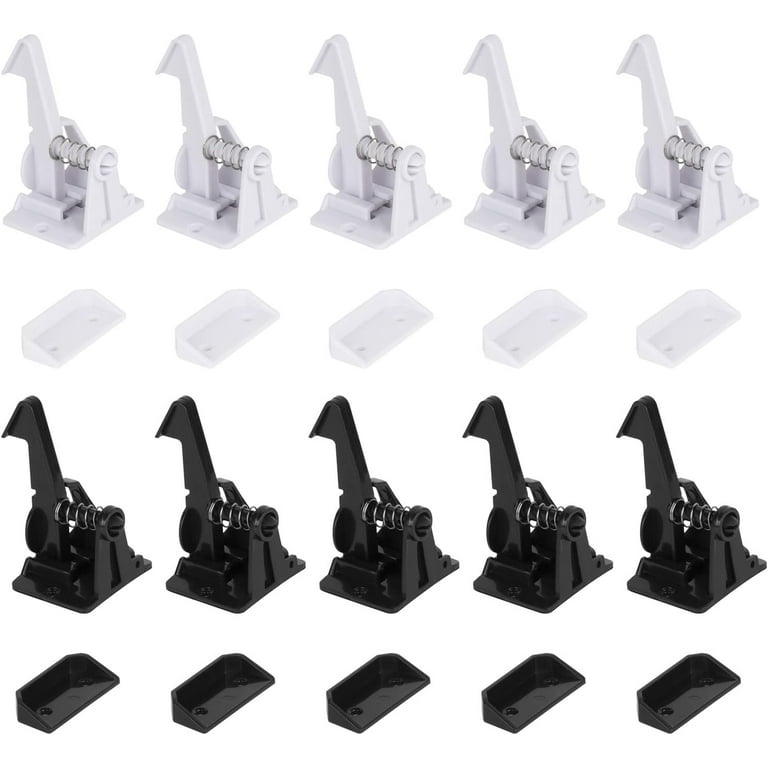
The kitchen hosts the highest concentration of pet toxins—from chocolate bars in the pantry to cleaning chemicals under the sink. Transform this danger zone into a safe feeding and social space with three strategic moves that prevent 70% of common poisoning incidents.
Secure Food and Trash
Lock away toxic foods in upper cabinets: chocolate, grapes, onions, anything xylitol-sweetened. Install child-safety latches on lower cabinets containing trash pull-outs or cleaning supplies. Replace open trash cans with locking, pet-proof models—even the most obedient dog becomes a food thief when chicken bones are involved. Keep stove knobs covered to prevent accidental activation, and never leave food unattended on counters. These simple steps eliminate the most frequent emergency vet visits.
Create Built-In Feeding Stations
Convert a lower kitchen drawer into a pull-out feeding nook with cutouts for stainless steel bowls. Add an under-sink water line with shut-off valve for automatic refills. Store pet food in airtight bins inside adjacent cabinets—no more 40-pound kibble bags cluttering your pantry floor. This dedicated zone keeps feeding areas contained and simplifies cleanup after messy eaters. For renters, use freestanding feeding stands that match your décor without permanent installation.
Living Room Redesign for Claws and Paws
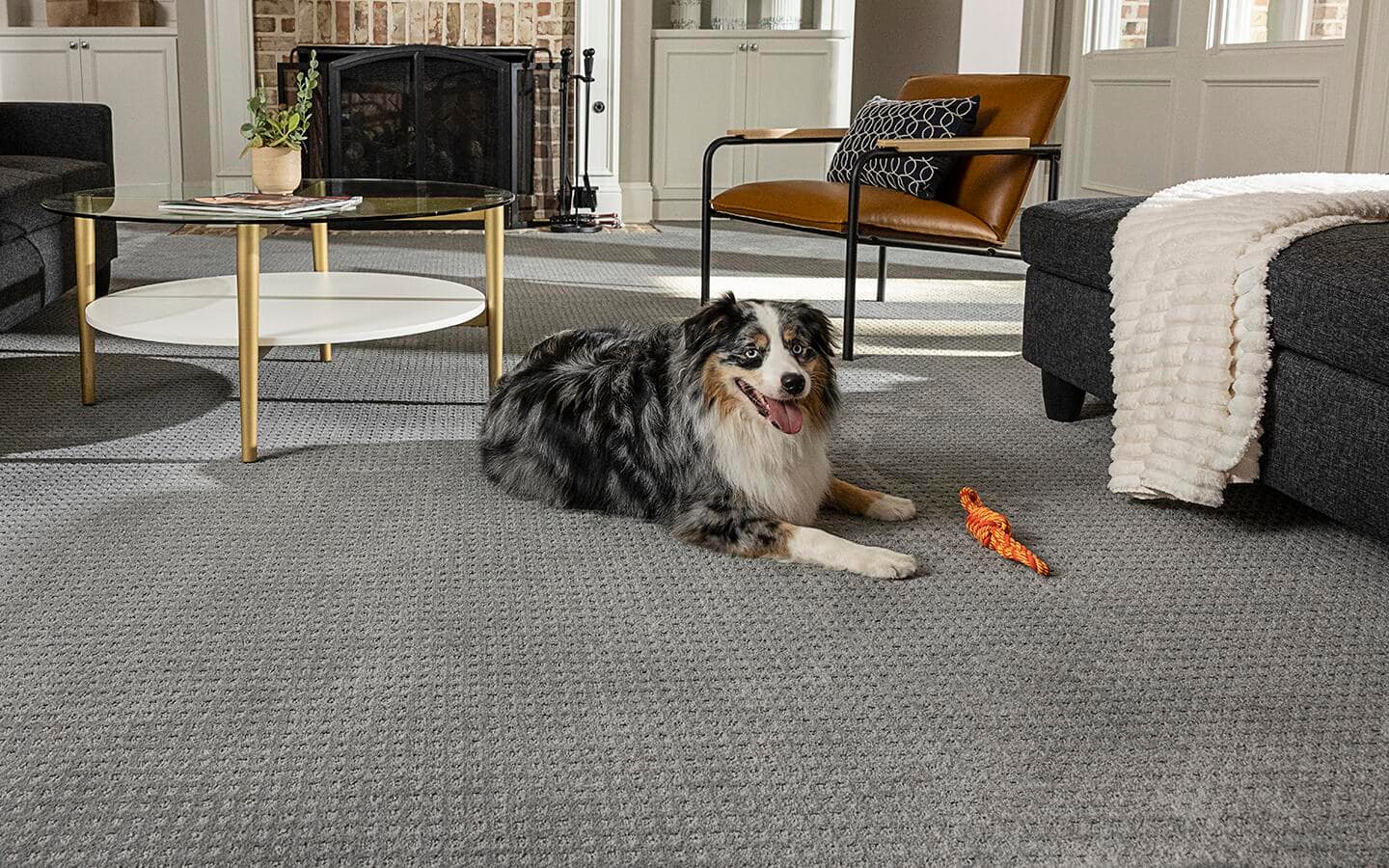
Your living room sees the most pet traffic—and the most damage. Strategic material choices and furniture placement create a stylish space that withstands zoomies and afternoon naps without looking like a kennel.
Choose Pet-Proof Materials
Flooring ranking:
1. Porcelain tile: Scratch-proof, waterproof, cooling for naps
2. Luxury vinyl plank: Wood look without the scratch risk
3. Matte-finish oak: Acceptable hardwood option with scratch-hiding finish
Upholstery winners: Crypton fabric (stain/odor resistant), Ultrasuede microfiber, or distressed leather. Match fabric color to your pet’s fur to camouflage shedding between cleanings. Avoid velvet or chenille—these trap fur and snag claws instantly. This material strategy prevents permanent damage while maintaining aesthetic appeal.
Manage Cords and Furniture
Bundle all electronics cords inside chew-proof PVC tubing secured to baseboards. Anchor bookcases and TVs to wall studs—cats treat shelving units like personal climbing gyms. Move fragile décor above tail level and replace glass items with shatter-proof alternatives. For cats, install staggered wall shelves starting 18 inches off the floor to redirect climbing energy away from furniture. These modifications protect both pets and prized possessions.
Bedroom Safety Zones
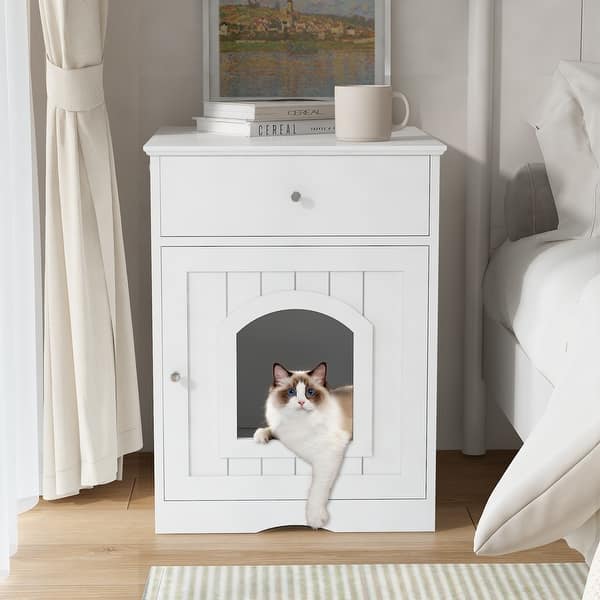
Nightstands become danger zones when medications, lotions, and tiny accessories live within paw reach. Transform sleeping spaces into restful retreats for both species with minimal effort.
Secure Bedside Hazards
Lock medications and small items in nightstand drawers with safety latches. Block under-bed gaps with storage boxes—this prevents pets from hiding or chewing stored shoes. Keep closet doors closed; belts and accessories look like premium chew toys to bored pets. These simple barriers eliminate common poisoning risks while preserving your bedroom’s sanctuary feel.
Create Cozy Sleep Spaces
Built-in under-stair alcoves or toe-kick drawers convert into den-like beds with cushions and ventilation. For renters, freestanding crate corners work equally well—just add washable covers that match your décor. Place these zones in quiet corners away from drafts, maintaining 65-75°F year-round for optimal comfort. Your pet will naturally gravitate toward these secure spots instead of your bed.
Bathroom and Laundry Hazards
These utility rooms concentrate dangerous chemicals and tempting small spaces. Secure them without sacrificing functionality through smart organization.
Lock Away Chemicals
Move all cleaning agents, bleach, and detergents to upper shelves or locked cabinets. Critical: keep toilet lids closed—drop-in tank cleaners are toxic if ingested. Always check washer/dryer interiors before starting cycles; cats especially love warm, enclosed spaces. Store hair ties, razors, and dental floss in latched drawers to prevent life-threatening intestinal blockages.
Pet Washing Stations
Install a handheld shower with 6-foot hose in your laundry room or garage. A raised 36-inch platform prevents back strain when bathing large dogs; 24-inch works for smaller breeds. Add non-slip mats and built-in shelves for shampoos and towels. This dedicated zone makes bath time efficient while protecting your main bathroom from muddy paws.
Outdoor Pet-Safe Landscaping
Your yard should be an enrichment paradise, not a minefield of toxic plants and escape routes. Create secure, stimulating outdoor spaces with smart fencing and plant choices that last for years.
Secure Perimeters
Dog fence specs: 6-foot solid wood or vinyl for most breeds; 8-foot for athletic jumpers. Install L-footer: 24-inch wire mesh buried 12 inches below grade along fence line to prevent digging escapes. Check latches monthly—clever dogs learn to flip simple hooks. For cats, build a “catio” with roofed chain-link enclosures accessed via window doors.
Choose Safe Plants
Remove immediately: azaleas, oleander, sago palm, all lilies, tulips, daffodils. Plant instead: snapdragons, marigolds, pet grass, catnip, rosemary. Use only pet-safe fertilizers like corn gluten meal; common herbicides cause liver failure in dogs. This plant strategy creates a beautiful garden that won’t send pets to the emergency clinic.
Species-Specific Comfort Protocols
Different pets need different accommodations. Tailor zones to your specific companions’ natural behaviors to prevent stress and destructive habits.
Dog Zones
Crate setup: Size equals dog length plus 6 inches, placed in quiet corner. Cover with lightweight blanket for den-like security. Provide 6-8 rotating toys including puzzle feeders to prevent boredom chewing. Maintain 65-75°F ambient temperature year-round. This environment reduces separation anxiety by 40% according to veterinary behaviorists.
Cat Architecture
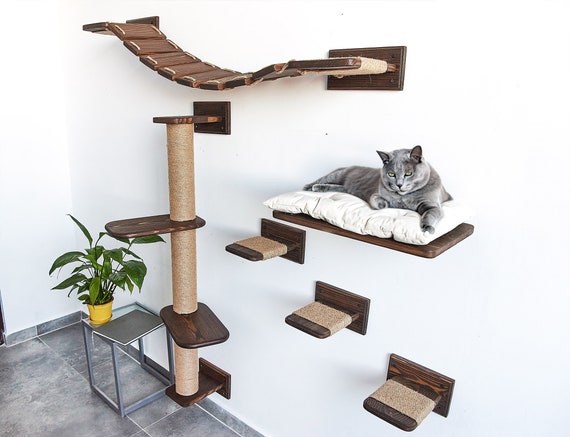
Litter box rule: One box per cat plus one extra. Place in quiet, low-traffic areas away from food. Install vertical highways: staggered wall shelves starting 18 inches off floor, ascending to 6 feet. Add window perches at bird-watching height for essential mental stimulation. These elements satisfy natural instincts and prevent inappropriate elimination.
Cleaning Systems That Work
Pet-friendly homes demand strategic cleaning routines that tackle fur, odors, and accidents without harsh chemicals that could harm pets.
Daily Maintenance
Vacuum high-traffic areas and pet beds 2-3 times weekly using pet-hair specific vacuums. Keep enzyme spray handy for immediate accident treatment—blot, spray, let sit 10 minutes, then blot again. Stash lint rollers at entryways for quick clothing touch-ups. This routine prevents odors from setting in and maintains air quality.
Deep-Clean Schedule
- Upholstery: Machine-wash slipcovers weekly; steam-clean others quarterly
- Hard floors: Weekly mopping with vinegar-water solution (1:3 ratio)
- Air quality: Replace HVAC filters monthly; run HEPA purifier in main living area
- Pet items: Wash beds and blankets weekly; sanitize hard toys monthly in dishwasher
Consistent cleaning protects both your home’s longevity and your pet’s respiratory health.
First-Time Owner Rental Hacks
Creating a pet-friendly space in rentals requires creative, non-permanent solutions that protect both pets and security deposits.
Temporary Modifications
Use clear vinyl furniture protectors to shield sofa arms and door frames from scratches. Secure rugs with double-sided carpet tape instead of permanent installation. Freestanding 360-degree folding gates adjust to any doorway without drilling holes—perfect for blocking off-limits areas. Trim nails weekly and provide ample scratching posts to prevent carpet damage. These reversible changes keep landlords happy while protecting your pet.
Continuous Safety Monitoring
Pet-proofing isn’t one-and-done—it evolves with seasons, new pets, and aging companions. The true secret to how to create a pet-friendly home is making safety an ongoing practice.
Quarterly Safety Audits
Repeat the all-fours inspection every season. Holiday decorations, new plants, and gift packaging introduce fresh hazards. Watch for behavioral changes like excessive scratching or accidents—these often indicate stress or illness requiring veterinary attention. Install Wi-Fi pet cameras with 2-way audio to monitor remote areas while you’re away. Smart door sensors alert you if gates open unexpectedly, providing peace of mind.
The pet-friendly home balances safety with style, creating spaces where both species thrive. Start with the all-fours audit this weekend, then tackle one room at a time. Within a month, you’ll have a beautiful home that works perfectly for every member of your family—furry ones included. Remember, how to create a pet-friendly home isn’t about perfection; it’s about progress toward a space where wagging tails and purring engines become the soundtrack to your everyday life.