Your bedroom feels like a sauna at 2 AM, and you’re seriously considering sleeping in the bathtub. Sound familiar? When temperatures soar and air conditioning isn’t an option—whether due to cost, environmental concerns, or rental restrictions—you need proven strategies that actually work. This comprehensive guide transforms your home into a cool retreat using physics, smart timing, and strategic modifications that cost pennies compared to running AC. Discover exactly how to cool home without AC using techniques validated by building science and real-world testing.
Block Solar Heat Before It Enters Your Home

Heat pours through windows like water through a broken dam—up to 50% of daily heat gain arrives via direct sunlight. Stop it at the source before battling interior temperatures becomes impossible.
Seal Daytime Heat Out Immediately
Close every window and door the moment outdoor temperatures exceed your indoor reading. This single action prevents significant heat accumulation. Install light-colored curtains that reflect sunlight instead of absorbing it, or apply heat-reflective window films that block half the sun’s heat while remaining nearly invisible. For west-facing windows—which receive the hottest afternoon sun—deploy exterior shading using fast-growing vines like ivy or temporary awnings. These solutions work immediately: thermal films start reducing heat gain the moment they’re applied.
Install Heat-Reflective Window Films Properly
Apply solar films specifically to south and west-facing windows for maximum impact. These transparent barriers reflect infrared radiation while maintaining your view. Professional installation costs under £200 for an average home, but DIY kits work effectively when applied carefully to clean, dry glass. For renters, removable static-cling films provide temporary relief without damaging windows. Remember: films work best when combined with closed curtains during peak sun hours.
Transform Curtains Into Evaporative Coolers
Make ordinary curtains actively cool your space by lightly spraying them with cold water or placing their hems in shallow water buckets. As moisture evaporates (removing 2,257 kJ/kg of heat), it cools incoming air naturally. This technique works best in dry climates where evaporation rates remain high. For enhanced effect, position a fan to blow air through the damp curtains toward your seating area.
Master Night-Flush Ventilation for Instant Cooling
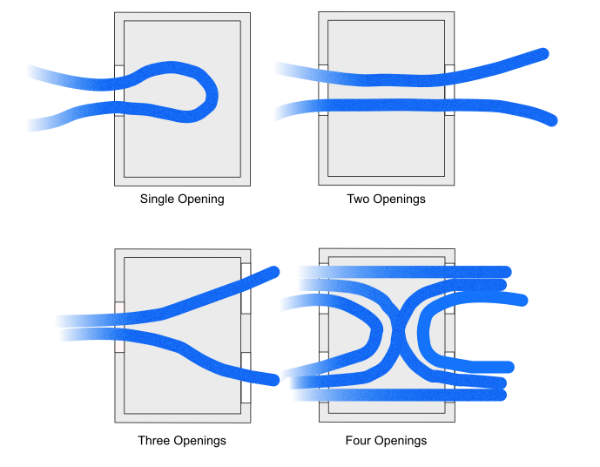
Nature provides free air conditioning every evening—if you know when and how to use it. Night-flush ventilation purges accumulated daytime heat using cooler outdoor air, typically available after 6 PM in most climates.
Create Powerful Cross-Ventilation
Open windows on opposite sides of your home when outdoor temperatures drop below indoor readings. Position upper-story windows on the downwind side and ground-floor windows facing prevailing winds to create a vacuum effect that pulls cool air through your entire living space. In apartments, open interior doors and use fans to encourage airflow between rooms. This natural convection cycle cools most homes within 30-60 minutes of sunset.
Optimize Fan-Assisted Heat Purge
Place box fans in windows facing outward to create negative pressure. Seal gaps around fans using books, cardboard, or foam board—any air leak reduces efficiency dramatically. Close interior doors to force replacement air through designated intake windows. For maximum effect, position intake fans on the shaded side of your home and exhaust fans on the sunny side. This system cools rooms 5-8°F faster than passive ventilation alone.
Eliminate Hidden Heat Sources in Your Home
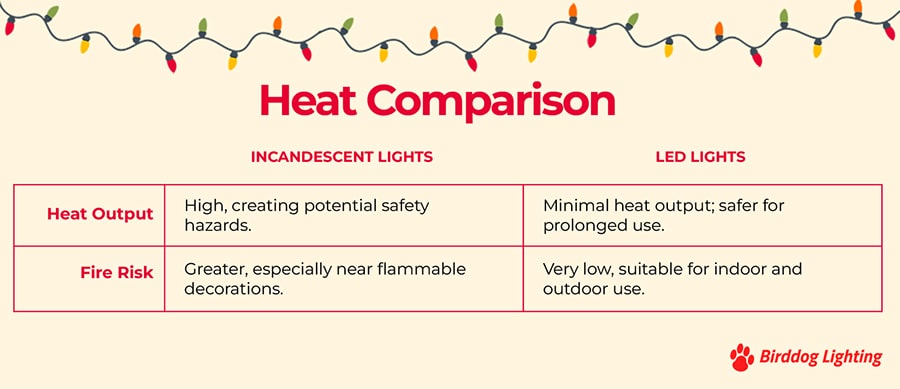
Your appliances and electronics generate surprising amounts of heat—often equivalent to running a space heater. Eliminate these sources during peak temperatures for immediate relief.
Shift Cooking to Cooler Hours
Avoid ovens, ranges, and dishwashers between 10 AM and 8 PM when possible. Use outdoor grills, slow cookers, or prepare cold meals like salads and sandwiches during heatwaves. This simple timing adjustment prevents adding 2-5°F of internal heat daily. If cooking indoors is unavoidable, run exhaust fans continuously and open nearby windows to vent heat outside.
Replace Heat-Generating Electronics
Swap incandescent bulbs immediately—they convert 90% of energy into heat rather than light. LEDs produce minimal heat while using 75% less electricity. Unplug gaming systems, computers, and entertainment centers during peak heat; these devices transform electricity directly into unwanted warmth. Even phone chargers left plugged in contribute to heat buildup when not in use.
Optimize Fan Placement for Maximum Cooling Effect
Fans don’t cool air—they move heat away from your body. Strategic positioning transforms basic fans into powerful cooling tools that create a wind-chill effect.
Set Ceiling Fans to Summer Mode
Flip the switch on ceiling fans to rotate counter-clockwise during summer months. This creates a direct downdraft that evaporates sweat and makes you feel 4-6°F cooler. Most fans have a small toggle switch on the motor housing for seasonal direction changes. Run fans only when occupied—since they cool people, not rooms—to avoid wasting energy.
Create Instant Cooling with Ice Fans
Place shallow pans filled with ice water directly in front of box fans. As air passes over the ice, it cools dramatically—creating a DIY air conditioner. Replace ice every 2-3 hours for continuous cooling. This technique works exceptionally well in dry climates where evaporation rates are high. For extended relief, use frozen water bottles instead of loose ice cubes.
Target Your Body’s Pulse Points
Direct fan airflow to specific body areas for maximum cooling effect. Focus on wrists, neck, inner elbows, and tops of feet where blood vessels run close to the skin. This targeted approach lowers core temperature more effectively than general room cooling. During sleep, position a fan to blow across your face—this improves comfort perception most significantly.
Personal Cooling Strategies That Work Anywhere
When environmental cooling isn’t enough, focus on lowering your core temperature directly. These techniques require no home modifications.
Apply Cold Water Strategically
Keep spray bottles filled with cold water for instant cooling. Apply cold, wet cloths to pulse points every 15-30 minutes during extreme heat. Freeze damp washcloths or eye masks for extended cooling relief. Store moisturizers and aloe vera in your refrigerator for refreshing nighttime applications that combat sticky sensations.
Prepare Your Bed for Nighttime Relief
Freeze pillowcases and sheets two hours before bedtime, then make your bed immediately before lying down. Take a cool (not cold) shower 30 minutes before sleep—avoid lotions afterward as they increase humidity on your skin. Sleep alone when possible to eliminate body heat from partners, and choose cotton or linen sheets that wick moisture effectively.
Home Modifications That Deliver Year-Round Value
Permanent improvements create lasting comfort while reducing energy costs in both summer and winter.
Install Strategic Insulation
Add thermal insulation to attics regardless of climate—this critical layer prevents heat transfer in both directions. Proper attic insulation can reduce cooling needs by 20-30%. Professional weatherization projects typically pay for themselves within 2-3 years through reduced energy costs. Focus first on areas where heat gain is most significant: south and west-facing walls.
Grow Natural Cooling Plants
Position spider plants, peace lilies, or snake plants near seating areas—they release moisture through transpiration, naturally cooling surrounding air. Plant climbing vines on west-facing walls for exterior shading that grows more effective each year. In just one growing season, ivy can reduce surface temperatures by 10-15°F.
Emergency Cooling Solutions for Dangerous Heat
When temperatures become dangerous, these immediate solutions provide relief without major investments.
Build a DIY Bucket AC Unit
Create a personal cooling device using a box fan, five-gallon bucket, PVC pipes, and ice. This project costs under £30 and cools small spaces effectively. Position it near your primary seating or sleeping area for targeted relief. The bucket contains ice while air is forced through PVC pipes, creating chilled airflow without electrical complexity.
Identify Public Cool Spaces Now
Locate nearby air-conditioned public spaces before heat waves arrive. Libraries, shopping centers, movie theaters, and community centers provide free cooling during extreme temperatures. Many cities operate designated cooling centers during dangerous heat events—check your local council website for locations and hours.
Critical Safety Thresholds to Monitor
Understanding when cooling strategies become insufficient prevents heat-related illness.
Recognize Dangerous Temperature Zones
Fans become ineffective and potentially harmful when air temperatures exceed 95°F (35°C). At this point, fans actually increase heat stress by blowing hot air across your body. Seek air-conditioned spaces immediately when temperatures reach this threshold. Remember: above 75°F (24°C), sleep quality significantly deteriorates.
Watch for Heat Illness Symptoms
Monitor for heat exhaustion signs including excessive sweating, nausea, dizziness, and headache. Heatstroke presents as hot, dry skin, confusion, and rapid pulse. For heatstroke, apply cold water and fanning immediately while calling emergency services. Check on elderly neighbors daily during heatwaves—they’re particularly vulnerable.
Cost Comparison Reality Check: Operating fans costs 15-31p for 24 hours—roughly 95% less than running air conditioning continuously. Even premium cooling strategies like thermal window films pay for themselves within one summer season through reduced energy consumption.
Final Takeaway: Successfully learning how to cool home without AC requires combining multiple strategies rather than relying on any single method. Start with heat prevention during daytime hours, then deploy night-flush ventilation every evening. Layer personal cooling techniques and fan optimization for maximum comfort. These proven strategies transform your home into a cool sanctuary while cutting energy costs dramatically. When temperatures soar, remember: blocking heat is always more effective than trying to remove it—so seal your home during peak sun, flush with cool night air, and eliminate internal heat sources to stay comfortable naturally.