Nothing ruins the elegance of your hardwood floors faster than dust, grime, and unsightly stains making them look dull and neglected. If you’ve ever wondered how to clean wooden floor at home without causing damage, you’re not alone. Many homeowners accidentally harm their beautiful wood surfaces by using improper techniques or harsh chemicals. The good news is that with the right approach, you can maintain gleaming floors that enhance your home’s value and beauty—without expensive professional services.
This comprehensive guide reveals professional-level techniques for cleaning wooden floors at home that actually work. You’ll discover how to identify your specific floor type, select appropriate tools and solutions, and implement a maintenance routine that keeps your floors looking their best for years to come. Forget confusing advice—these methods are proven, safe, and surprisingly simple to execute.
Identify Your Wood Floor Type First
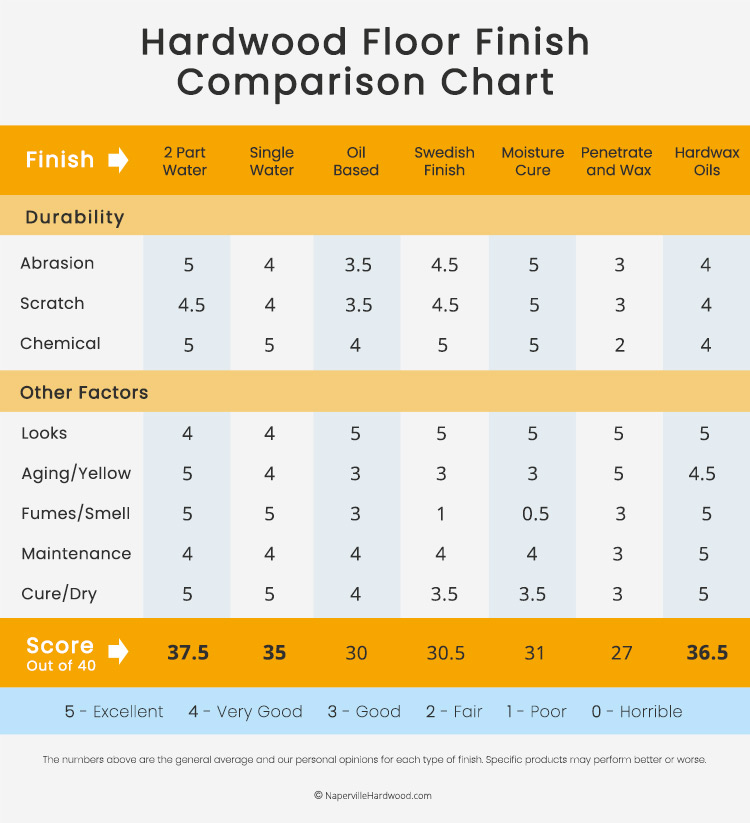
Before you touch your mop to the floor, determining your wood’s finish type is absolutely critical. Using the wrong cleaning method can strip protective coatings, cause permanent water damage, or create unsightly white rings that diminish your floor’s value. Most homes built after 1970 feature surface-sealed floors with polyurethane, polyacrylic, or urethane coatings that create a protective barrier. Older homes often have penetrating-seal or wax finishes that require completely different care.
Quick Finish Test: Water Drop Method
Conduct this simple test in an inconspicuous corner to avoid damaging visible areas. Drop a small amount of water directly onto your floor and observe:
- Water beads up: You have surface-sealed floors. These are the easiest to maintain and can handle slightly damp mopping.
- Water absorbs quickly: You likely have penetrating-seal or untreated floors. These require extreme caution with moisture.
Steel Wool Test for Wax
Still uncertain? Gently rub a tiny spot with #000 steel wool. If you notice a light gray smudge on the steel wool, your floor has a wax finish. No smudge means you’re dealing with a surface seal. Never use vinegar on wax-finished floors—it will strip the protective coating and leave your wood vulnerable.
Essential Tools for Cleaning Wooden Floors
:max_bytes(150000):strip_icc()/spr-best-mop-type-april-24-test-bona-microfiber-floor-ebrockob-001-005-b7e2472b36724aed8b5af12cf22afb37.jpeg)
Using improper tools is the number one cause of premature floor damage. Traditional brooms push dirt around while scratching surfaces, and steam mops can warp wood if used incorrectly. Invest in these specific tools to protect your investment while achieving professional results.
Daily Cleaning Arsenal
Microfiber dust mop: This should be your go-to tool for daily maintenance. Unlike traditional brooms, microfiber captures 99% of allergens and dust particles through electrostatic action. Look for flat mops with removable, washable pads that you can replace when dirty.
Soft-bristled vacuum attachments: Canister vacuums with parquet heads work best for hardwood. Always disable the beater bar—this rotating brush creates micro-scratches that dull your floor’s finish over time. Vacuum weekly following the wood grain direction.
White cleaning cloths: Keep a dozen white microfiber cloths on hand for spot cleaning. Colored fabrics risk dye transfer that can permanently stain light wood floors.
Daily and Weekly Wood Floor Maintenance
Consistent daily care prevents the buildup that leads to permanent damage. Neglecting simple maintenance forces you into intensive deep cleaning sessions that increase the risk of water damage and finish degradation.
Morning Dust-Down Routine
Start each day with these dry cleaning methods before introducing any moisture:
- Work in figure-eight patterns following the wood grain direction to lift dirt without scratching
- Shake out microfiber pads frequently outdoors to remove trapped debris
- Vacuum once weekly using soft brush attachments to reach corners and edges
- Spot-check high-traffic areas like entryways and kitchen zones daily with your dust mop
Weekly Damp Mopping Method
For surface-sealed floors only—and never for wax or penetrating-seal finishes:
- Mix 1/4 cup pH-neutral wood cleaner with 1 gallon warm water
- Fill spray bottle with solution for controlled application
- Mist 3-foot sections lightly—never saturate the floor
- Wipe immediately with microfiber mop using overlapping strokes
- Change pads frequently to avoid redistributing dirt
Pro tip: Change your cleaning water every 100-200 square feet. Dirty water equals streaky floors and ineffective cleaning.
Deep Clean Wooden Floors by Finish Type
Surface-Sealed Floor Deep Clean
These are your easiest floors to maintain, but proper technique still matters:
- Vacuum thoroughly to remove all loose debris
- Mix solution: 1/4 cup wood-specific cleaner per gallon warm water
- Work systematically in 3-foot sections to prevent missed spots
- Dry each section immediately with clean microfiber to prevent water damage
- Allow 2-4 hours before walking on cleaned areas to ensure complete drying
Penetrating Seal Floor Care
These delicate floors require extra caution:
- Create gentle solution: 1/2 cup white vinegar per gallon warm water
- Use barely damp mop—wring until almost dry to prevent absorption
- Follow wood grain religiously to avoid visible streaks
- Dry with soft towels immediately to prevent moisture penetration
- Apply wood soap (like Murphy’s) monthly for conditioning without buildup
Remove Stubborn Stains Safely
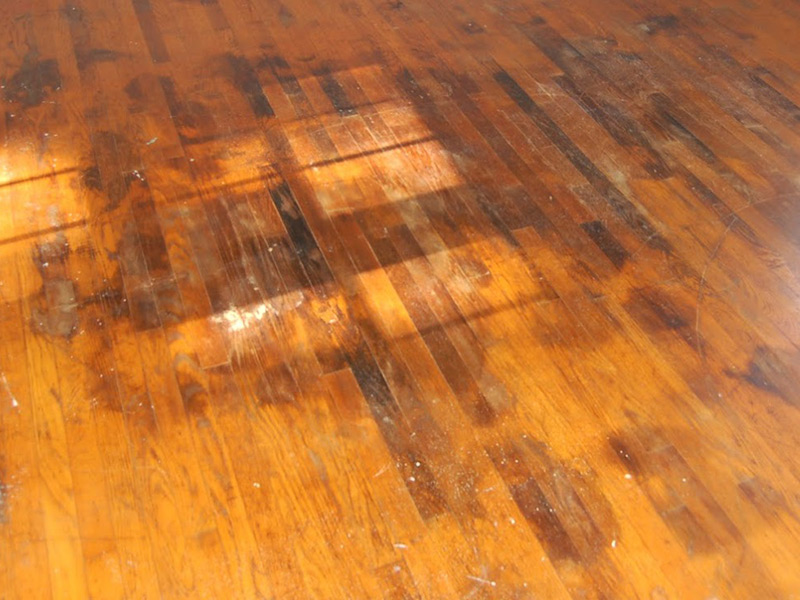
Pet Stains and Odors
Fresh accidents: Blot immediately with white cloths, then clean with enzyme cleaner made specifically for wood floors. Regular cleaners won’t eliminate odors that attract repeat accidents.
Set-in stains: Create a paste with baking soda and water, apply for 10 minutes, then gently scrub with a soft brush. Rinse with a barely damp cloth.
Persistent odors: Apply 3% hydrogen peroxide with cotton balls for 5 minutes, then dry thoroughly. Never leave hydrogen peroxide sitting on wood—it can bleach the finish.
Grease and Oil Spills
- Cover immediately with cornstarch, baking soda, or talcum powder
- Wait 15-20 minutes for absorption—don’t rub or spread the stain
- Vacuum thoroughly to remove powder without scratching
- Clean residue with dish soap solution (1 teaspoon per cup warm water)
- Work from edges toward center to prevent spreading the stain
Prevent Damage Before It Starts
Entryway Strategy
- Double doormat system: Place one outside and one inside each entrance
- Rubber-backed mats prevent slip hazards while trapping grit
- No-shoes policy or provide indoor slippers for guests
- Felt pads under all furniture legs (replace every 4-6 months as they wear down)
Environmental Controls
Maintain 30-50% humidity year-round using humidifiers or dehumidifiers to prevent wood expansion and contraction. Position area rugs in high-traffic zones and under dining tables to absorb impact. Install UV-filtering window treatments to prevent sun bleaching—wood floors near windows fade fastest without protection.
Monthly and Annual Maintenance Schedule
Daily: Sweep high-traffic areas to prevent grit buildup
Weekly: Complete vacuuming and appropriate damp mopping
Monthly: Deep clean entire floor using correct methods for your finish
Quarterly: Polish surface-sealed floors with wood-specific products
Annually: Professional assessment for refinishing needs
Common Cleaning Mistakes to Avoid
Never do these:
– Use steam mops on unsealed wood
– Leave standing water on any wood floor
– Use ammonia or bleach-based cleaners
– Walk on wet floors
– Use vinegar on wax-finished floors
Each of these mistakes can cause irreversible damage that requires expensive professional repairs. When in doubt about a cleaning method, test it in an inconspicuous area first.
Product Recommendations by Floor Type
Surface-Sealed Floors
- Bona Hardwood Floor Cleaner: pH-neutral, leaves no residue
- Method Wood Floor Cleaner: Plant-based formula with pleasant scent
- Swiffer WetJet Wood: Convenient disposable system for quick cleanups
Penetrating Seal Floors
- Murphy’s Oil Soap: Traditional wood soap that conditions as it cleans
- Howard Feed-N-Wax: Cleans and conditions simultaneously
- Minwax Hardwood Floor Reviver: Restores luster to dull surfaces
Your wooden floors represent a significant investment that can last decades with proper care. By following these methods and maintaining a consistent routine, you’ll enjoy beautiful, gleaming floors that enhance your home’s value and your daily living experience. Remember that how to clean wooden floor at home successfully isn’t about complicated techniques—it’s about understanding your specific floor type and using the right approach consistently. Within a week of implementing these methods, you’ll notice a dramatic improvement in your floor’s appearance, and with regular maintenance, you can extend the time between professional refinishing by years.