Wooden blinds transform your windows with timeless elegance, but daily dust accumulation and kitchen grease quickly dull their natural beauty. Most homeowners discover their blinds need cleaning only when finger swipes reveal thick grime or when morning light exposes a hazy film across every slat. The good news? You can achieve professional results without costly services or risky chemicals. This guide delivers field-tested techniques specifically for both real wood and faux wood blinds, showing you exactly how to clean wooden blinds at home safely and effectively. Skip the guesswork and learn the precise methods that preserve your investment while restoring that showroom gleam.
Identify Your Blind Type Before Cleaning

Real Wood Grain Tells the Story
Examine your blinds closely: authentic wooden slats display unique, irregular grain patterns where no two slats match. Run your fingers along the surface—you’ll feel subtle texture variations and natural ridges characteristic of cherry, oak, or bamboo. These blinds feel substantial due to solid hardwood construction but carry critical vulnerability: excessive moisture causes irreversible warping. Never confuse them with faux alternatives, as improper cleaning destroys real wood finishes within minutes.
Faux Wood’s Manufactured Uniformity
Faux wood blinds reveal their synthetic nature through unnaturally consistent grain patterns repeated identically across every slat. Lift one—they’ll feel noticeably lighter than real wood due to PVC or vinyl construction. This uniformity isn’t just cosmetic; it signals superior moisture resistance. Unlike delicate hardwood, these blinds tolerate deeper cleaning methods that would ruin genuine wood. Confirming this difference upfront prevents catastrophic mistakes—like soaking real wood in water-based solutions.
Gather Type-Specific Cleaning Supplies
Non-Scratch Dusting Essentials
Skip feather dusters that merely redistribute dust. Instead, equip yourself with a microfiber mitt that traps particles in its fibers and a vacuum cleaner with a soft brush attachment. The vacuum proves indispensable for removing embedded pet dander and carpet fuzz from blind slats. Keep a dedicated dry microfiber cloth nearby for immediate moisture wiping—critical for real wood safety.
Solution Formulas by Material Type
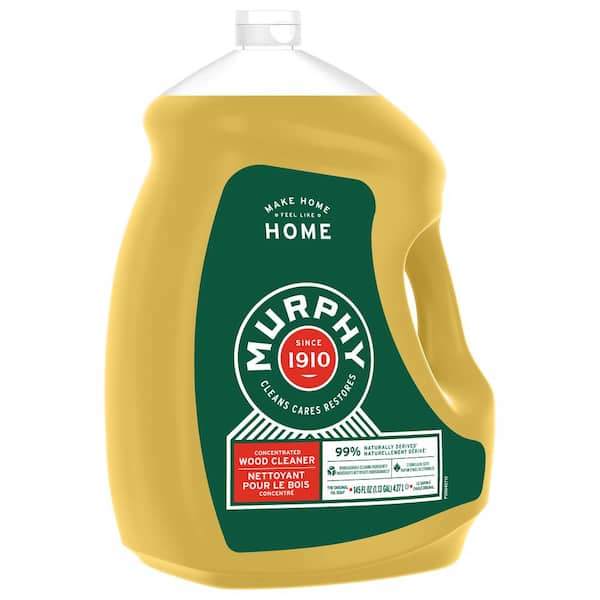
For Real Wood Blinds: Mix Murphy® Oil Soap with warm water following label instructions, or use pure lemon oil for conditioning. Never apply solutions directly to slats—always dampen your cloth first.
For Faux Wood Blinds: Combine one teaspoon mild dish soap per cup of warm water, or equal parts white vinegar and water for kitchen grease cutting. Avoid ammonia-based cleaners that degrade vinyl surfaces over time.
Execute Daily Dusting Without Damage
Tilt Slats for Complete Access
Lower blinds fully, then tilt slats to a 45-degree downward angle. This strategic positioning exposes overlapping areas where dust compacts into stubborn layers. Closing blinds completely during cleaning traps debris between slats, creating muddy streaks when you finally reach hidden zones. Work systematically—top to bottom—to prevent resettling dust on cleaned sections.
Two-Sided Cleaning Technique
Slide your microfiber mitt along each slat’s entire length using light pressure, following the wood grain direction. Rotate blinds 180 degrees to access the reverse side, repeating the process. For automated blinds, use remote controls to position slats closed during vacuuming—never force manual movement that damages motorized mechanisms. This 5-minute routine prevents buildup requiring intensive restoration.
Deep Clean Hanging Blinds Safely
Real Wood Moisture Protocol
After dusting, lightly dampen a microfiber cloth with Murphy® Oil Soap solution—wring until barely moist. Wipe one slat at a time with grain-following strokes, immediately drying with a second cloth. Excess moisture absorption causes swelling within minutes. Apply lemon oil quarterly to replenish natural oils, especially in sunny rooms where UV exposure dries out finishes.
Faux Wood Kitchen Grease Attack
Target grease-prone kitchen blinds with your vinegar solution. Dip cloth, wring thoroughly, and focus on lower slats where cooking oils concentrate. For baked-on residue, hold the damp cloth against stubborn spots for 30 seconds before gentle wiping. Always finish with a dry pass to prevent water spots—faux wood may resist warping, but mineral deposits create permanent haze.
Restore Heavily Soiled Faux Wood Blinds
When Removal Becomes Necessary
Consider blind removal only for faux wood showing years of neglect or yellowed discoloration. Attempting this on real wood guarantees warping—water immersion swells natural fibers irreversibly. This intensive method works best on white or light-colored faux blinds where stains appear most visible.
Controlled Bleach Soak Process
Remove blinds and submerge in a bathtub filled with warm water and one cup of bleach. Agitate water manually every 10 minutes during the 30-minute soak. While submerged, wipe each slat individually with a soft cloth to lift embedded grime. Drain, refill with clean water, and rinse thoroughly before hanging to dry over towels. Never use this method on colored faux wood—bleach causes permanent streaking.
Prevent Costly Cleaning Mistakes
Real Wood Emergency Scenarios
If liquid spills on real wood blinds, immediately blot (never rub) with a dry cloth. Use a hair dryer on cool setting from 12 inches away to evaporate trapped moisture. Never attempt steam cleaning or ultrasonic methods—these introduce destructive moisture levels. If stains persist after gentle treatment, consult professionals rather than risking DIY damage.
Faux Wood Damage Triggers
Avoid abrasive scrubbers like magic erasers that create microscopic scratches where grime accumulates faster. Skip chemical solvents that degrade vinyl binders over time. Never soak colored faux wood in bleach solutions—this causes irreversible yellowing. Test any new cleaner on one inconspicuous slat first, waiting 24 hours before full application.
Establish a Maintenance Rhythm
Weekly 5-Minute Dusting
Integrate blind dusting into your regular cleaning routine. Use the vacuum brush attachment while cleaning other surfaces—this prevents deep-set buildup requiring intensive sessions. Focus on high-traffic areas like kitchen and bathroom blinds that accumulate grease and humidity faster.
Quarterly Conditioning Cycle
Real wood blinds need lemon oil application every three months to prevent cracking, especially in dry climates or sun-drenched rooms. Faux wood requires less conditioning but benefits from monthly vinegar solution wipes in kitchen zones. Annual deep cleaning preserves function—inspect tilt mechanisms for dust-clogged pulleys that strain operating systems.
Long-Term Blind Preservation
UV Damage Prevention
Rotate blinds periodically to distribute sun exposure evenly. Apply UV-protective window film in south-facing rooms where direct sunlight fades finishes. Real wood in high-exposure areas needs conditioner application every two months instead of quarterly to combat drying effects.
Hardware Health Checks
Monthly, test cord tension and tilt mechanisms. Clean pulleys with compressed air to remove dust bunnies that impede smooth operation. Replace frayed cords immediately—delaying repairs strains the entire system. Store removed blinds flat in breathable fabric covers to prevent warping during seasonal storage.
Key Takeaway: The difference between blinds that last decades versus those needing premature replacement comes down to type-specific care. Real wood demands moisture-free cleaning and quarterly conditioning, while faux wood tolerates vinegar-based grease cutting but fears abrasive tools. Implement weekly dusting now to avoid intensive cleaning sessions that damage finishes. By matching your method to your material, you’ll maintain that pristine, high-end look without professional costs—proving how to clean wooden blinds at home is simpler and safer than you thought. Start today with a 5-minute dusting session, and notice the immediate transformation in your room’s ambiance.