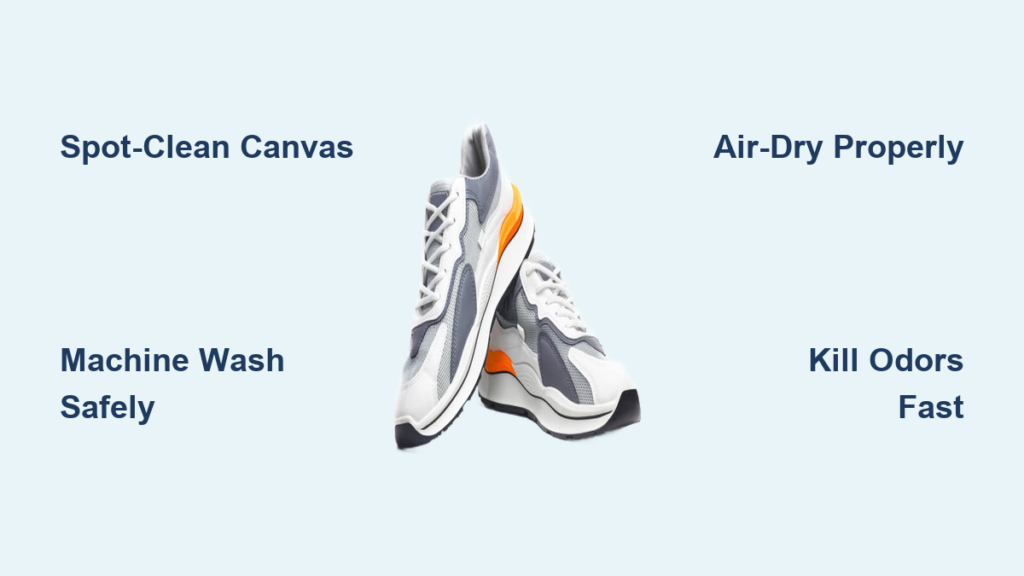
Your favorite tennis shoes are caked with mud, grass stains streak the mesh, and that stubborn odor clings after every wear. Before you declare them trash or pay $25 for professional cleaning, know this: you can clean tennis shoes at home to near-new condition using supplies already in your kitchen. This guide delivers exact methods verified by footwear technicians—no guesswork, no ruined shoes. You’ll learn material-specific protocols that prevent glue failure, eliminate odors in 6 hours, and make spot-cleaning faster than lacing up. Most fixes take under 30 minutes active time, with professional results you’ll see (and smell) immediately.
Identify Your Shoe Material Before Cleaning Starts

Choosing the wrong method destroys sneakers. How to clean tennis shoes at home safely depends entirely on material composition. Skip this step, and you’ll stiffen leather, melt adhesives, or turn white mesh yellow.
Canvas, Mesh & Synthetic Uppers: Machine Wash If Label Allows
Canvas, nylon, cotton, polyester, and athletic mesh survive machine washing only on delicate cycles with cold water. Rubber soles and foxing won’t warp if you avoid heat. But always check care labels first—some mesh shoes use heat-sensitive dyes. Never machine-wash if labels say “hand-wash only” or show a crossed-out washer symbol.
Smooth Leather & Vegan Leather: Spot-Clean Only—No Soaking
Water is leather’s enemy. Submerging smooth or vegan leather causes irreversible stiffness and cracking. You’ll only use damp cloths and minimal soap. Suede? Never attempt home cleaning—even water droplets create permanent stains. Vinyl, silk, satin, or embellished shoes (think glitter, studs, or glued-on logos) require specialists. Machine-washing these melts adhesives and warps shapes.
Critical Material Test: The 5-Minute Color Bleed Check
Dip a cotton swab in your cleaning solution (1 drop dish soap + 2 Tbsp water). Rub it on a hidden spot like the tongue underside. Wait 5 minutes. If color transfers to the swab or material darkens, stop immediately. This prevents ruined shoes and wasted effort. Always do this before full cleaning.
Pre-Cleaning Checklist: 6 Steps to Avoid Disaster
Skipping prep turns cleaning into a catastrophe. These steps take 3 minutes but prevent $100 mistakes.
Remove Laces & Insoles—Then Whack Soles Together
Laces tangle in washers and block eyelet cleaning. Pull them out completely. Remove insoles unless labels forbid it (common in glued models). Stand outside and whack soles together—this dislodges 90% of loose dirt, gravel, and grass. Skipping this grinds debris deeper during scrubbing.
Inspect for Hidden Damage: Delicate Stitching & Embellishments
Run fingers along seams. If threads feel loose or you spot glued-on logos, do not machine-wash. These fail in water agitation. For shoes with metal eyelets, plastic wings, or rubber cleats, hand-spot-clean only. Attempting home cleaning on these often separates soles from uppers.
Hand-Spot-Cleaning: The 25-Minute Canvas & Mesh Fix
This method handles 80% of stains without risking your shoes. You’ll need a soft toothbrush, microfiber cloth, mild dish soap (no bleach!), and liquid laundry detergent.
Scuff-Free Rubber Foxing: The Dish Soap Trick
Mix 1 drop dish soap in ½ cup warm water. Dip your soft toothbrush, scrub scuffs on rubber toe caps and midsoles. For dried mud, let the soap sit 2 minutes before brushing. Key visual cue: When rubber looks uniformly wet (not patchy), rinse immediately under cool water. Over-soaking weakens glue.
Fabric Stain Removal: Timing Is Everything
Apply ¼ teaspoon liquid detergent directly to canvas or mesh stains. Wait exactly 5–15 minutes—no longer. Exceeding 15 minutes bleaches colors and degrades fibers. Gently scrub in small circles with light pressure. On mesh, stop if you feel resistance—aggressive brushing snags holes. Rinse until water runs clear, then blot with a dry towel. Never wring or twist wet shoes.
Leather Sneaker Rescue: The Damp Cloth Method
For smooth or vegan leather, skip soaking. Mix 1 drop dish soap in ½ cup water. Dampen a microfiber cloth (wring until almost dry), wipe leather surfaces. Critical: Wipe away from stitching to avoid water seepage. For fabric tongue stains, use a Q-tip dipped in stain remover—apply, wait 30 seconds, rinse immediately with damp cloth. Air-dry 12+ hours away from sunlight.
Machine Washing Done Right: When Spot-Cleaning Fails

Reserve this for extreme odor or stains that resisted spot-cleaning. Only use if your shoe label permits machine washing—otherwise, you’ll melt glue bonds.
Pre-Wash Prep: Mesh Bags & Towel Balancing
Place shoes in separate mesh laundry bags (or knotted pillowcases). Add laces and insoles to their own bags. Toss in two old towels—this balances the drum and prevents shoe-shredding spins. Pro tip: Pre-scrub rubber soles with dish soap solution to dislodge caked dirt. Powder detergents leave residue; use liquid only (1 Tbsp Tide or equivalent).
Cold Water Settings That Protect Glue
Set washer to delicate cycle, cold water, slow spin. Heat breaks down adhesives. Add ½ Tbsp Tide Oxi Powder if odors persist. Run cycle (45–60 minutes). Never use hot water or high spin—this causes sole separation within 3 washes.
Air-Drying Disasters: 3 Mistakes That Melt Your Shoe Glue
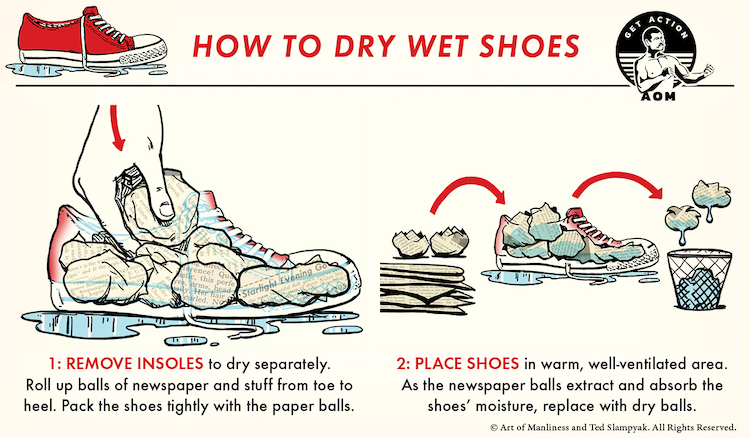
Drying improperly ruins more shoes than cleaning. Avoid these critical errors.
Stuff With Paper Towels—Not Newspaper
Newspaper ink bleeds onto wet white soles. Stuff shoes with dry paper towels instead—they absorb moisture and hold shape. Place in a well-ventilated room (not a damp basement). Rotate paper towels every 4 hours; thick soles need 24–48 hours to dry fully. Direct sunlight works only for white shoes—colored shoes fade.
The Dryer Myth: Why Heat Destroys Sneakers
Never use a clothes dryer unless your label explicitly says “tumble dry low.” Heat above 85°F (30°C) weakens shoe glue. Radiators, hair dryers, and heater vents hit 150°F+—this causes sole separation in 48 hours. If your shoes feel warm during drying, you’re damaging them.
Odor Elimination That Works in 6 Hours
Baking soda alone fails for deep odors. Use this pro method instead.
Vinegar Spray: The Bacteria Killer
Mix equal parts white vinegar and water in a spray bottle. Mist inside the shoe and on insoles. Air-dry 6+ hours. Vinegar neutralizes odor-causing bacteria without damaging materials. Do not skip drying time—wearing damp shoes spreads bacteria. For mild odors, sprinkle 1 Tbsp baking soda inside overnight, then shake out thoroughly.
Magic Eraser Shortcuts: Fix Scuffs in 5 Minutes
For last-minute touch-ups, Mr. Clean Magic Eraser Extra Durable works—but only on rubber.
Sole Scuff Removal Without Damage
Wet the eraser, squeeze out excess water. Swipe gently across scuffs on soles, toe boxes, or heel wedges. Test first on a hidden rubber area—some erasers discolor dark rubber. Never use on leather, mesh, or high-gloss finishes. This isn’t for stains—only dry scuffs. Rinse eraser residue with a damp cloth immediately after.
Weekly Maintenance: Double Time Between Deep Cleans
Prevent stains before they set with this 2-minute routine.
Post-Wear Debris Removal
After each wear, clap soles together outside to dislodge loose dirt. Wipe sole edges weekly with a damp cloth—this prevents grass and mud buildup that hardens into stains. For white soles, rub a dry Magic Eraser corner over scuffs before they set.
Storage Secrets That Prevent Mildew
Store shoes in breathable cotton bags—not plastic bins. Plastic traps moisture, causing mildew in 72 hours. For leather shoes, insert cedar shoe trees to absorb moisture. Never store damp shoes—even slight dampness breeds odor in 48 hours.
Timing Cheat Sheet: When You’ll Wear Them Again
- Quick spot-clean (canvas): 25 min hands-on + 8–24 hours drying
- Leather spot-clean: 30 min hands-on + 12–24 hours drying
- Machine wash (if label allows): 10 min prep + 45 min wash + 24–48 hours drying
- Magic Eraser emergency fix: 5 minutes—wear immediately when dry
Pro tip: Replace insoles annually—they harbor odor-causing bacteria cleaning can’t reach. Foam compression also kills cushioning.
Clean tennis shoes at home successfully by matching methods to your shoe’s material—not generic advice. Start with the 5-minute color bleed test, avoid heat at all drying stages, and use vinegar for stubborn odors. Your spot-cleaned canvas sneakers will look revived in 24 hours; leather gets gentle care without stiffness. Most importantly, never machine-wash unless labels permit it—that single rule saves hundreds in ruined footwear. Implement the weekly 2-minute wipe-down, and you’ll cut deep cleaning frequency by 70%. Now grab that soft toothbrush—your sneakers’ second life starts today.