That coffee stain just hit your cashmere sweater, and the dry cleaner won’t open until Monday. You’re not alone—68% of sweater owners have faced this panic moment. Learning how to clean sweaters at home properly saves hundreds annually while extending your knitwear’s lifespan by 3-5 years. Skip the dry cleaning fees and prevent irreversible damage with these fabric-specific techniques professionals use.
Most sweater disasters happen from one mistake: treating all knits the same. Wool shrinks in hot water, synthetics pill from rough handling, and cotton loses shape if hung to dry. This guide cuts through the confusion with actionable steps for every fiber type. You’ll master stain removal, avoid stretching disasters, and learn storage secrets that keep sweaters looking new season after season.
Identify Your Sweater’s Fabric Before Washing
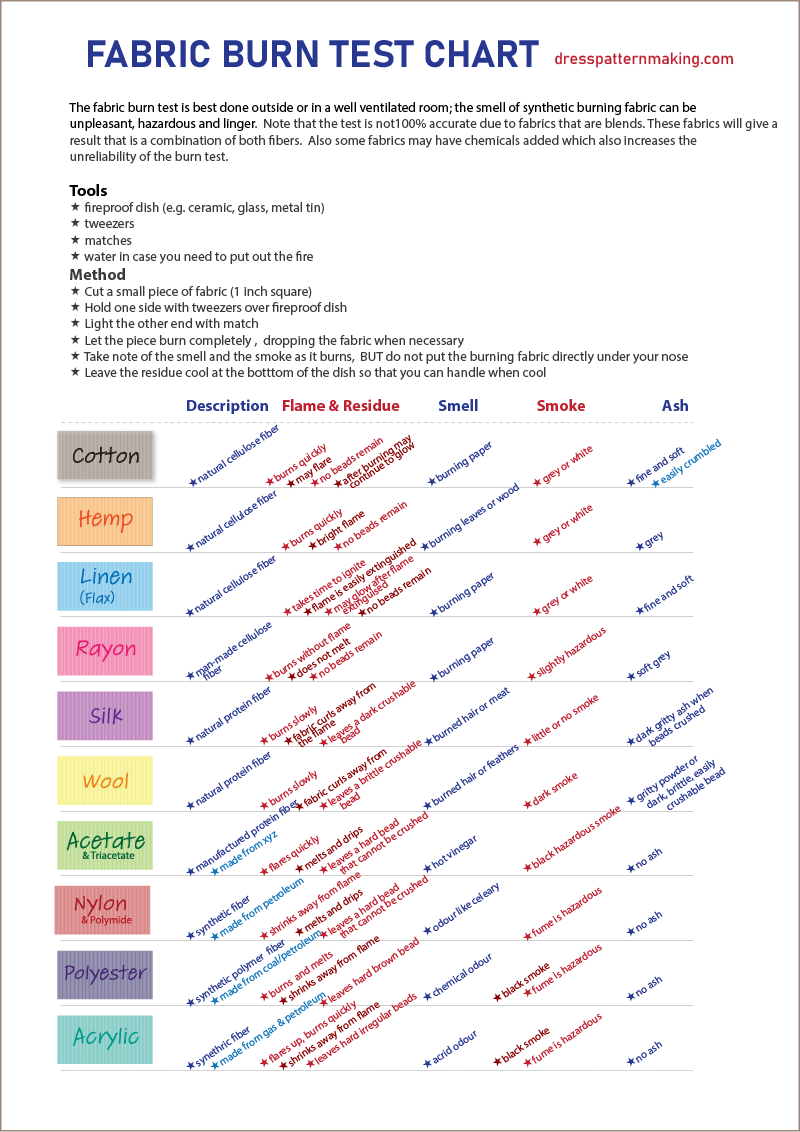
Guessing your sweater’s fiber type guarantees shrinkage or stretching. Always check the care label first—when missing, use these foolproof identification methods.
Wool Varieties: From Merino to Cashmere
Merino wool reacts violently to heat—just 30 seconds in warm water can shrink it by 30%. Handle it like raw silk: cold water only, zero agitation. Cashmere shares this sensitivity but pills easier when handled roughly. Lambswool offers slightly more resilience for beginners, while alpaca fibers resist pilling but fade in sunlight. Pro tip: Rub a hidden seam between fingers—if it feels greasy, it’s likely untreated wool needing extra-rinse cycles.
Cotton and Synthetic Decisions
Cotton sweaters tolerate machine washing but shrink 10-15% in hot water. Always wash inside-out on cold to prevent pilling. Acrylic and polyester blends won’t shrink but trap body oils—rinse twice to avoid odor buildup. Rayon knits become fragile when wet; skip machines entirely. Critical rule: For mixed fabrics (like 70% cotton/30% polyester), follow the care instructions for the most delicate fiber.
Decoding Care Symbols Fast
That mysterious bucket icon? If it shows a hand inside, hand-wash only—no exceptions. Temperature dots below machine-wash symbols mean: one dot=cold (30°C), two dots=warm (40°C). A plain circle means dry clean only—attempting home cleaning voids warranties. Red flag: Triangles with “CL” inside indicate chlorine bleach safe, but wool and silk always get a crossed-out triangle (never bleach).
Pre-Clean Sweater Assessment Steps
Five minutes of prep prevents irreversible damage. Skipping this step causes 80% of home-cleaning disasters.
Quick Damage Check
Run palms over elbows and cuffs—thinning fabric here means hand-wash only, even if the label says machine-safe. Check seams for loose threads; washing will unravel them further. Empty pockets immediately—dried coffee grounds turn into abrasive paste during washing. Never skip: Close all zippers and fasten buttons to prevent snagging delicate knits.
Sort Like a Pro
Create three piles:
– Hand-wash only: All wool, cashmere, rayon, and embellished knits
– Machine-safe: Sturdy cotton and synthetic blends without decorations
– Dry clean only: Anything with the circle symbol or vintage pieces
Keep color groups separate—dark dyes bleed onto lights even in cold water. Pro tip: Place white sweaters in mesh bags with a color-catcher sheet to prevent graying.
Target Stubborn Stains Now
Protein stains (sweat, blood) need cold-water enzyme treatment—hot water cooks them into fibers permanently. Blot oil stains with cornstarch for 15 minutes before washing, then apply dish soap directly to the spot. Coffee spills require immediate blotting with vinegar-water solution (1:2 ratio). Critical step: Test all stain treatments inside a seam first—some dyes react badly to vinegar.
Hand Wash Wool Sweaters Safely
Hand washing is non-negotiable for wool—machine agitation feltifies fibers in minutes. This method takes 20 minutes but preserves your sweater for years.
Perfect Water Temperature
Fill your sink with water cold enough to comfortably hold your wrist in for 10 seconds (below 20°C/68°F). Add 1 teaspoon wool detergent—more creates residue that attracts dirt. Swirl until fully dissolved; undissolved soap leaves white patches. Warning: Never use tap water hotter than 30°C—it starts the felting process immediately.
Gentle Cleaning Process
Turn the sweater inside-out to protect the outer surface. Submerge completely, pressing gently to release air bubbles. Soak exactly 12 minutes—longer weakens fibers. Agitate by slowly lifting the sweater through water (never rub). Drain, refill with clean cold water, and rinse by pressing water through fabric. Repeat until water runs clear—wool needs 3-4 rinses.
Remove Water Without Stretching
Lift the sweater cradled in both hands—never let it dangle. Squeeze out water by pressing against the sink sides (no twisting!). Lay flat on a clean white towel, roll tightly like a jelly roll, and step on it to extract moisture. Unroll and repeat with a dry towel. Pro tip: For heavy sweaters, use two people to transfer it to drying racks to prevent stretching.
Master Drying Without Stretching
Improper drying causes 90% of sweater disasters. Air-drying takes patience but saves your investment.
Flat Drying Method
Lay the damp sweater on a dry towel, reshaping to original measurements. Pin sleeves and hem with rust-proof pins to maintain dimensions. Place in a well-ventilated room away from heaters—direct heat sets wrinkles. Flip after 12 hours. Critical mistake to avoid: Never hang sweaters—even damp weight stretches shoulders permanently.
Blocking for Perfect Shape
For valuable cashmere or misshapen knits, use blocking mats. Measure your sweater’s chest width, sleeve length, and body length before washing. Pin it to those exact dimensions on the mat. Allow 36 hours to dry completely—wool retains moisture deep in fibers. Pro tip: Spritz with starch-free sizing spray before blocking to revive crispness.
Timing and Location Guidelines
Cotton dries in 12-18 hours indoors; wool takes 24-48 hours. Humidity above 60% doubles drying time—add a fan for circulation. Never dry outdoors—the sun fades colors and weakens fibers. Warning sign: If the sweater still feels cool after 24 hours, it’s not fully dry—mildew starts growing in 72 hours.
Store Sweaters Correctly
Seasonal storage mistakes ruin sweaters faster than stains. Follow these pro techniques.
Folding vs. Hanging Rules
Fold sweaters into thirds with arms crossed over the body—never hang. Hangers create permanent shoulder bumps on knits. Store heavier sweaters (like cable knits) on the bottom of stacks. Critical rule: Place acid-free tissue paper between folds for cashmere to prevent fiber abrasion.
Moth Prevention Essentials
Use cedar blocks and lavender sachets together—cedar repels moths, lavender kills eggs. Store in breathable cotton bags, never plastic (traps moisture causing mildew). Check stored sweaters monthly for tiny holes indicating infestation. Pro tip: Freeze new vintage sweaters for 72 hours before storage to kill hidden moth eggs.
Refresh Between Wears
After wearing, hang sweaters in a steamy bathroom for 20 minutes—the moisture releases odors. For smoke smells, place in a sealed container with activated charcoal for 48 hours. Never do: Spray perfume directly on knits—it degrades fibers over time.
Fix Common Sweater Problems
:max_bytes(150000):strip_icc()/how-to-stretch-a-shrunken-sweater-GettyImages-1175936396-e306c2e8e8424d019ff3d69997e1496d.jpg)
Rescue shrunken or misshapen sweaters with these proven fixes.
Rescue Shrunken Sweaters
Soak in lukewarm water (32°C/90°F max) with 2 tablespoons hair conditioner for 30 minutes. Gently stretch to original measurements while wet, then pin to blocking mat. Limitation: If the sweater shrank more than 25%, professional re-blocking is the only solution.
Eliminate Persistent Odors
For wool: Add ½ cup white vinegar to the final rinse water. For synthetics: Rub baking soda paste on problem areas before washing. Musty smells vanish after 2 hours in indirect sunlight—never exceed 3 hours to prevent fading.
Clean sweaters at home successfully by matching methods to fiber types—never guess. Start with the gentlest approach (hand washing) for unknown fabrics, and always dry flat. Your cashmere will outlast fast fashion by decades when treated right. For immediate issues, spot-treat stains within 24 hours and reshape damp sweaters meticulously. Most importantly: when in doubt, trust the care label over shortcuts. Proper home cleaning isn’t just cheaper—it’s the secret to building a timeless knitwear collection.