
That sinking feeling when your favorite sneakers get scuffed or stained? You’re not alone—73% of sneaker owners delay cleaning due to fear of damage. Learning how to clean sneakers at home properly transforms grimy kicks into fresh-looking footwear without costly professional services. Whether you’ve got muddy runners, yellowed whites, or gym-stink buildup, this guide delivers field-tested methods for every material. Skip the guesswork: we’ll cover exact solutions, tools, and step-by-step protocols to revive leather, suede, mesh, and knit uppers safely.
Dirty sneakers aren’t just unsightly—they harbor bacteria that degrade materials over time. Yet harsh chemicals or improper drying cause irreversible damage like cracked leather or warped soles. The right how to clean sneakers at home approach balances effectiveness with material sensitivity, extending your shoes’ lifespan by 2+ years. Forget one-size-fits-all tutorials; this guide targets your specific sneaker type with precision techniques. By the end, you’ll confidently tackle grease stains, scuff marks, and stubborn odors while preserving structural integrity.
Essential Supplies & Tools
Cleaning Solutions You Need
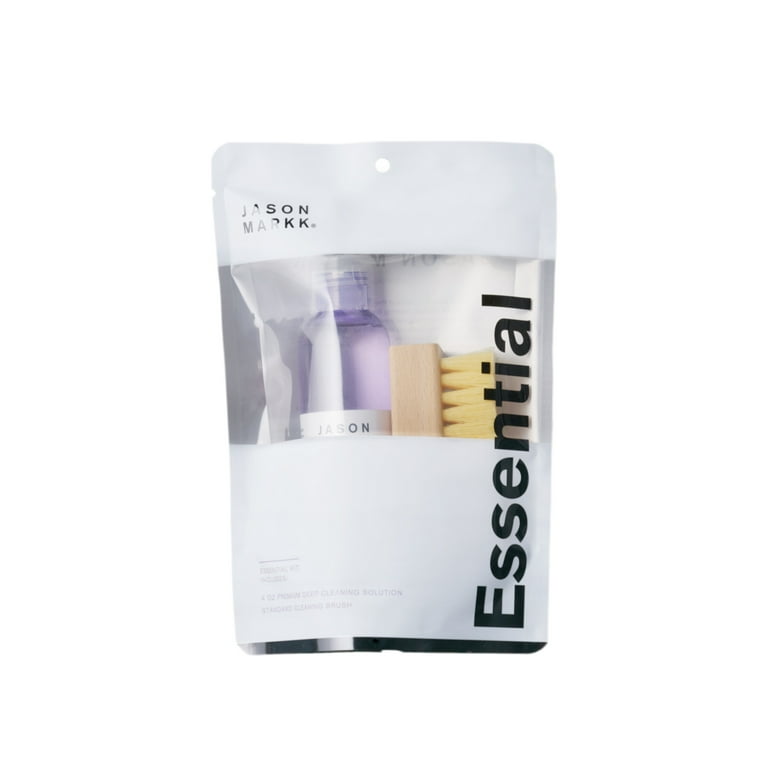
Skip store-bought kits—your kitchen holds everything for effective how to clean sneakers at home success. Mix mild dish soap (like Dawn Free & Gentle) with warm water for a universal cleaner that won’t strip natural oils. For white shoe revival, blend equal parts baking soda and water into a thick paste that lifts discoloration without bleach’s risks. Reserve white vinegar exclusively for suede stains; its acidity dissolves grime without saturating delicate fibers. Always pre-treat ink spots with Amodex Ink & Stain Remover applied via cotton swab to avoid spreading.
Tools for Professional Results
Your cleaning toolkit needs three brushes: a soft-bristled version for uppers (or an old toothbrush for eyelets), a stiff brush for rubber soles, and a suede-specific brush for nap restoration. Pair these with microfiber cloths—they absorb moisture without linting—and stuff shoes with newspaper or shoe trees during drying to prevent creasing. For machine-washing emergencies, a mesh laundry bag protects delicate knits. Pro tip: Hard-bristled brushes work aggressively on outsoles but will shred mesh; keep them strictly for rubber components.
Time Investment: 30 minutes active cleaning + 8+ hours drying
Total Cost: Under $20 for complete supply kit
Pre-Cleaning Setup
Remove & Separate Components
Start by pulling out laces completely—this exposes hidden dirt around eyelets and lets you soak them separately in soapy water. Remove insoles if possible; sweat-soaked liners cause odors that linger even after upper cleaning. Ignoring this step traps bacteria in crevices, guaranteeing rapid re-soiling.
Knock Out Loose Dirt
Take shoes outside and clap soles together firmly over grass or pavement. This dislodges dried mud, pebbles, and grit that would otherwise scratch surfaces during wet cleaning. Never skip this—embedded debris acts like sandpaper when scrubbing.
Maintain Shoe Shape
Immediately stuff shoes with rolled newspaper or shoe trees after removing laces. This prevents midsole collapse and toe-box creasing during moisture exposure. Skipping shape retention guarantees misshapen sneakers post-drying.
Mix Your Cleaning Solutions
Basic Solution Recipe
Combine 1 cup warm water with 1 teaspoon mild dish soap or Tide Free & Gentle detergent. Aim for light suds—concentrated soap leaves sticky residue that attracts more dirt. Test on a hidden area first; discoloration means dilute further.
White Shoe Restoration Paste
For yellowed rubber or canvas, mix baking soda and water to toothpaste consistency. Apply with soft brush in circular motions, focusing on discolored zones. The gentle abrasion lifts stains without fiber damage.
Suede Vinegar Solution
Dampen a cloth with undiluted white vinegar—never pour directly onto suede. Blot stains lightly; vinegar’s acidity breaks down oils without water saturation risks. Critical warning: Over-wetting suede causes permanent darkening.
Clean Leather Sneakers Safely
Step 1: Gentle Surface Clean
Dip soft-bristled brush in soap solution, then scrub leather using small circular motions. Target scuffs near toe caps but avoid excessive pressure—leather scratches easily.
Step 2: Remove Soap Residue
Wipe with damp microfiber cloth, rinsing it frequently. Leftover soap creates a dull, sticky film that yellows over time. Check seams thoroughly; residue hides in stitching.
Step 3: Target Fabric Areas
Apply stain remover only to canvas panels or nylon tongues—never let chemicals touch leather. Use cotton swabs for precision around logos or embroidery.
Step 4: Final Conditioning
Buff with leather conditioner like Lexol to restore moisture. Skip this, and cleaned leather dries brittle, leading to cracks within weeks.
Restore Suede Without Damage
Surface Brushing Technique
Use a suede brush or clean toothbrush, stroking strictly with the nap’s direction. This lifts flattened fibers without tearing. Brushing against the grain shreds the delicate material.
Scuff Mark Removal
Rub pencil erasers or suede rubbers over marks in tight circles. The abrasion lifts dirt without chemicals. Follow with brushing to revive texture—never skip this step.
Vinegar Stain Treatment
Dampen cloth with vinegar, then dab (don’t rub) stained areas. Alternate directions every 10 seconds to avoid shine marks. Air-dry 24 hours before final brushing.
Critical: Suede exposed to water loses its nap permanently. If saturation occurs, stuff shoes immediately and dry away from heat sources.
Revive Canvas & Mesh Shoes
Rubber Component Focus
Scrub toe caps, soles, and midsoles vigorously with hard-bristled brush and dish soap. Rubber withstands aggressive cleaning—push hard on yellowed grooves where dirt hides.
Canvas Pretreatment
Apply liquid detergent directly to stains, wait 10 minutes, then scrub. This breaks down oils before water contact, preventing stains from setting deeper.
Mesh Cleaning Method
Use soft brush along the mesh weave direction with minimal pressure. Scrubbing perpendicularly stretches fibers, creating permanent holes.
Thorough Rinsing
Rinse under cool running water until runoff runs clear. Soap residue inside mesh attracts grime faster than original dirt—this step is non-negotiable.
Handle Knit & Flyknit Materials

Directional Cleaning Strategy
Always scrub with the knit pattern’s grain. Cross-grain scrubbing snags fibers, causing irreversible pilling that dulls the shoe’s appearance.
Gentle Tool Selection
Soft-bristled brushes only—stiff bristles pull individual threads. For tight spots, use a dry toothbrush before applying solution to lift surface dirt.
Chemical Restrictions
Avoid all bleach, strong detergents, or stain removers. Knit fibers degrade rapidly when exposed to harsh chemicals, leading to holes within days.
Drying Protocol
Air-dry away from sunlight or vents. Heat warps knit structures permanently—never stuff with damp newspaper as moisture transfer causes mildew.
Deep Clean Every Component
Lace Restoration
Soak laces in soapy water for 15 minutes, then massage between fingers to dislodge embedded dirt. Rinse until water runs clear; reinsert only when completely dry to prevent collar stains.
Sole Deep Clean
Scrub outsole treads with hard brush, using toothbrush for intricate patterns. Focus on midsole edges where grass stains hide—neglecting these areas makes shoes look half-cleaned.
Insole Cleaning
Remove insoles and scrub with soft brush, concentrating on heel and toe sweat zones. Air-dry 24 hours on a rack; damp insoles breed odor-causing bacteria overnight.
Upper Final Touch
Blot uppers with dry microfiber cloth—never rub. Residual moisture spreads remaining dirt, undoing your entire effort. Check stitching twice for trapped suds.
Machine-Wash Last Resort
When Machine Washing Works
Only attempt for canvas/mesh shoes with severe odor or set-in stains after hand-cleaning fails. Never machine-wash leather, suede, or knit sneakers—glue dissolves and materials warp.
Preparation Steps
- Remove all laces and insoles
- Pre-scrub rubber parts with dish soap
- Place shoes in mesh bag with two towels (reduces drum noise)
- Use cold water, gentle cycle, and enzyme detergent like Tide Free & Gentle
Wash Settings
Critical: Zero bleach, fabric softener, or hot water. Post-wash, stuff with newspaper and air-dry for 48+ hours—dryers melt adhesives instantly.
Advanced Stain Solutions
Magic Eraser Power
Wet Mr. Clean Magic Eraser, squeeze dry, then swipe lightly on rubber scuffs. Test inside tongue first—erasers dull glossy finishes on patent leather.
Specific Stain Fixes
- Ink: Dab Amodex with cotton swab, wait 5 minutes, then blot
- Grease: Cover spot with dish soap, wait 10 minutes, then scrub
- Set-in stains: Pretreat with detergent overnight before cleaning
Maintain Your Clean Sneakers
Cleaning Schedule
- Daily wearers: Clean every 10 days
- Weekend-only shoes: Clean after each outing
- Gym sneakers: Clean after 2 workouts to prevent odor buildup
Quick Touch-Up Tips
Spot-clean scuffs immediately with damp microfiber cloth. Carry travel-sized stain remover for coffee spills. Replace laces when whitening fails—they dramatically refresh appearance.
Replacement Guidelines
Retire running shoes at 300 miles regardless of looks. Replace lifestyle sneakers when cleaning no longer removes stains or odors persist after deep cleaning.
Expert Warnings & Pro Tips
Common Cleaning Mistakes
- Using dryers: Melts glue bonds within 10 minutes
- Over-scrubbing leather: Creates permanent scratches
- Skipping shape retention: Causes irreversible creasing
- Incomplete drying: Shoes re-soil within hours
Professional Secrets
- “Scrub, don’t rub” on uppers to prevent fiber wear
- “Avoid collar contact” when cleaning soles to stop dirt transfer
- “Perfect isn’t required”—patina adds character to well-loved sneakers
When to Seek Professional Help
Consult experts for $200+ designer sneakers, persistent stains after 3 home attempts, or multi-material constructions (like leather/suede hybrids). Professionals use pH-neutral cleaners and climate-controlled drying that home methods can’t replicate.
Clean sneakers at home isn’t about perfection—it’s preserving your investment through smart, material-specific care. Stick to hand-cleaning as your primary method, reserve machine washing for emergencies, and always prioritize complete air drying. Within weeks, consistent cleaning becomes second nature, keeping your rotation fresh and functional for years. Your next step? Grab that soft brush and tackle those laces—your revitalized kicks await.