That cherished leather purse you carry daily has started showing its age—coffee splatters on the bottom, makeup smudges inside, and a dull appearance from constant use. Before you consider professional cleaning costs, know that most leather purse maintenance can be handled at home with simple tools. Learning how to clean leather purse at home properly will save you money while extending the life of your favorite accessory. This guide delivers precise techniques for every leather type, specific stain solutions, and a maintenance schedule that prevents damage before it happens.
Identify Your Leather Type Before Cleaning
Smooth Leather Recognition
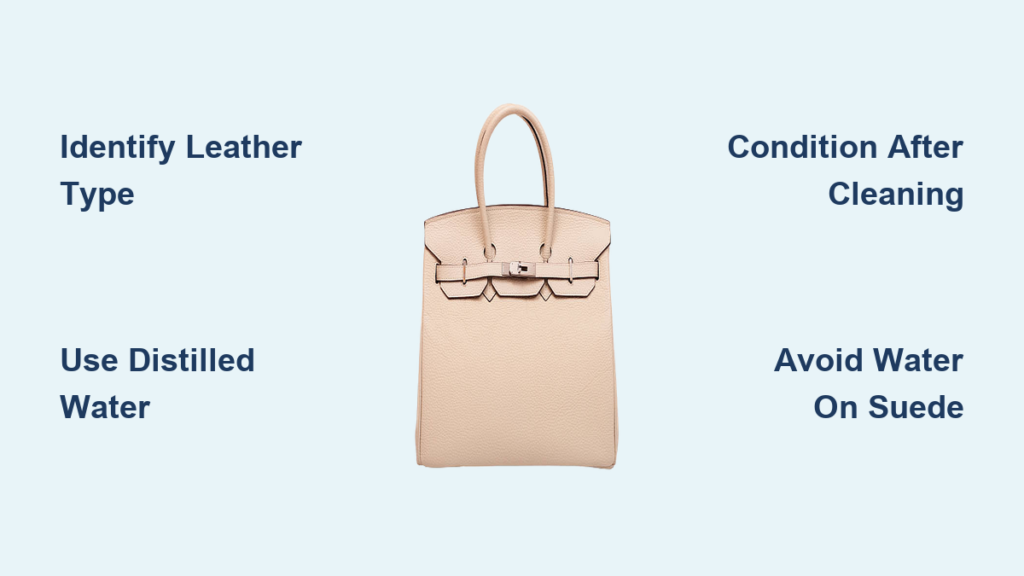
Full-grain and top-grain leather comprise most designer purses you own. These durable surfaces respond best to home cleaning. Run your finger across the material—if it feels uniform and shows visible grain patterns with slight sheen, you’ve got smooth leather. This type handles gentle cleaning solutions well but always test first in an inconspicuous area like the bottom or inside pocket. When learning how to clean leather purse at home, recognizing this common type means you can proceed confidently with basic solutions.
Suede and Nubuck Warning Signs
Stop immediately if your purse has a velvety, textured surface. These delicate materials require dry cleaning only—water causes permanent damage. Test by gently brushing with your hand; if the texture changes direction and color appears different, you’re dealing with suede or nubuck. Never attempt home cleaning on these materials beyond light brushing with a suede brush. Professional care is essential for anything beyond surface dust.
Patent and Exotic Leather Care
High-gloss patent leather needs special attention to maintain its shine without causing water spots. Exotic leathers like snake or crocodile often require professional treatment—check manufacturer instructions first. When in doubt, consult the care label inside your purse. Attempting improper cleaning on specialty leathers can destroy your investment instantly.
Essential Tools for Effective Home Cleaning

Basic Cleaning Kit
- 3 lint-free microfiber cloths (use different colors to prevent cross-contamination)
- Distilled water (tap water minerals cause permanent stains)
- pH-neutral soap (castile soap or saddle soap work best)
- Soft-bristled brush (horsehair brush or clean toothbrush)
- Cotton swabs for detailed areas around hardware and stitching
Stain-Fighting Arsenal
- White vinegar for tough stains and odor removal
- Rubbing alcohol (diluted 50/50 with water) for ink marks
- Baking soda or cornstarch for grease absorption
- Cream of tartar for dark stains on light leather
- Quality leather conditioner to restore moisture after cleaning
Safety Equipment You Can’t Skip
- Painter’s tape to protect metal hardware during cleaning
- Gloves to prevent transferring oils from your hands
- Acid-free tissue paper for stuffing to maintain shape
Daily Maintenance That Prevents Major Cleaning
Empty and Dust Method
Start every cleaning session by thoroughly emptying all pockets. Turn your purse upside down and shake gently—those hidden crumbs and receipts accumulate fast. Use a dry microfiber cloth to wipe down the entire exterior, focusing on handle areas where hand oils cause the most discoloration. This daily 30-second habit prevents gradual darkening that becomes difficult to remove.
Spot Clean Handles Immediately
Handles show wear fastest because they absorb hand oils continuously. Dampen just a corner of your microfiber cloth with distilled water only—no soap needed for daily touch-ups. Wipe handles thoroughly, then dry immediately with a clean cloth section. This prevents the permanent darkening that occurs when oils penetrate leather over time.
Interior Refresh Protocol
Weekly interior check prevents permanent stains. Remove the lining if possible, or use a lint roller for crumbs. For fabric linings, a handheld vacuum with brush attachment works wonders. Address spills immediately—dried coffee or makeup becomes exponentially harder to remove. Never let liquids sit overnight.
Deep Cleaning Your Leather Purse Properly
Pre-Cleaning Setup
Protect your workspace by laying down old towels on your kitchen counter. Remove all items from your purse, including forgotten tissues in side pockets. Stuff the interior with acid-free tissue paper to maintain shape during cleaning. Cover metal hardware with painter’s tape to prevent cleaner damage. Work in a well-ventilated area away from direct sunlight.
Mix Your Cleaning Solution Correctly
Create a gentle solution by mixing 1 cup distilled water with 2-3 drops of mild soap and 2-3 drops of white vinegar. The key is barely damp—not wet—cleaning cloths. Test your solution on the purse’s bottom before proceeding. Never saturate leather—excess moisture causes stiffening, cracking, and permanent water stains.
Section-by-Section Cleaning Technique
Work in 6-inch squares to maintain control. Dip your microfiber cloth in the solution, wring until barely damp, then wipe in gentle circular motions following the leather grain. Immediately follow with a clean, damp cloth to remove soap residue, then pat dry. This prevents water spots and soap film buildup that attracts more dirt.
Tackle Stubborn Stains Like a Pro

Ink Mark Removal
Act fast—ink sets quickly. Dip a cotton swab in equal parts rubbing alcohol and water. Dab gently on the stain, working from outside edges toward center. Never rub, as this spreads the ink. Blot with a clean cloth and repeat if needed. Light-colored leather may require multiple applications.
Grease and Oil Stain Treatment
Oil needs absorbing, not wiping. Immediately sprinkle cornstarch or baking soda on fresh grease stains. Let sit 6-8 hours—the powder draws oil out naturally. Brush off gently with a soft brush. For dried grease, use a leather degreaser sparingly. Never use household cleaners like Windex or bleach—they strip natural oils and cause irreversible damage.
Water Spot Elimination
Water spots spread when spot-cleaned. Instead, lightly dampen the entire affected panel with your cleaning solution to create an even appearance. This prevents the telltale ring water leaves behind. Dry thoroughly and condition immediately to restore moisture balance.
Drying and Conditioning Process
Controlled Drying Method
Never rush the drying process. Remove tissue paper stuffing and replace with fresh, dry towels. Position your purse in a well-ventilated area away from direct sunlight and heat sources. No hair dryers, radiators, or sunny windowsills—heat cracks leather permanently. Allow 24-48 hours for complete drying before handling or storing.
Conditioning Application
Condition while slightly warm for best absorption. Apply a pea-sized amount of leather conditioner to a soft cloth. Test on a hidden area first—some conditioners darken leather. Work in thin, even layers using circular motions. Allow 30-60 minutes absorption, then buff gently. Over-conditioning creates a greasy mess, so less is more.
Special Leather Types Care

Suede and Nubuck Rules
Water-free zone only. Use a suede brush or clean toothbrush, brushing in one direction only. For dry stains, use a suede eraser. Consider professional cleaning for extensive staining—these materials are unforgiving. When learning how to clean leather purse at home, recognize that suede requires completely different methods than smooth leather.
Patent Leather Shine Maintenance
Maintain glossy finish with gentle care. Use a barely damp microfiber cloth with mild soap solution. Dry immediately to prevent water spots. Apply a tiny amount of mineral oil for extra shine, buffing with a soft cloth. Avoid anything abrasive that could scratch the surface.
Maintenance Schedule That Prevents Damage
Daily Habits
- Empty purse contents and shake out debris
- Quick wipe-down of handles with dry cloth
- Address spills immediately while fresh
Weekly Tasks
- Dust entire purse with soft microfiber cloth
- Spot-clean any new marks or stains
- Check hardware for loose screws or tarnish
Monthly Deep Care
- Light cleaning of entire exterior
- Interior lining check and clean
- Condition leather if it feels dry to touch
When to Seek Professional Help
Red Flag Situations
Call experts for valuable designer pieces, extensive staining, or exotic leathers. Structural damage, color restoration needs, or mold infestations beyond surface level require professional equipment. Professional services typically run $50-150 for basic cleaning, with stain removal adding $25-75 per type. For vintage or high-end pieces, professional cleaning often costs less than replacement.
Storage Wisdom That Prevents Future Cleaning
Proper storage prevents most problems. Clean before storing, stuff with acid-free tissue, and use breathable dust bags—not plastic. Store upright in a cool, dry place. Rotate purses regularly to prevent permanent creasing and allow leather to rest between uses. Never store dirty leather—clean first to prevent set-in stains during storage.
Your leather purse is an investment that improves with age when properly maintained. By following these home cleaning methods, you’ll extend its life dramatically while maintaining its beauty. Remember: gentle, consistent care beats aggressive restoration every time. Start with the lightest touch possible when learning how to clean leather purse at home, and your purse will thank you with years of loyal service. With this knowledge, you’ve transformed from worried owner to confident leather caretaker—ready to handle any stain or spill that comes your way.