
That dingy fabric ceiling above your driver’s seat isn’t just unsightly—it’s silently absorbing years of coffee splashes, hair product residue, and airborne grime. Many car owners ignore their stained headliner because they fear causing permanent damage or sagging during cleaning. The truth is, with the right approach, you can safely restore your headliner’s appearance using common household items and simple techniques that won’t break the bank.
Most people mistakenly believe professional detailing is their only option for a clean headliner, but this comprehensive guide proves you can achieve impressive results with basic supplies and careful execution. By following these specific, tested methods, you’ll eliminate stubborn stains, remove unpleasant odors, and extend the lifespan of your vehicle’s interior without risking costly damage to this delicate multi-layered component.
Essential Tools and Supplies for Headliner Cleaning
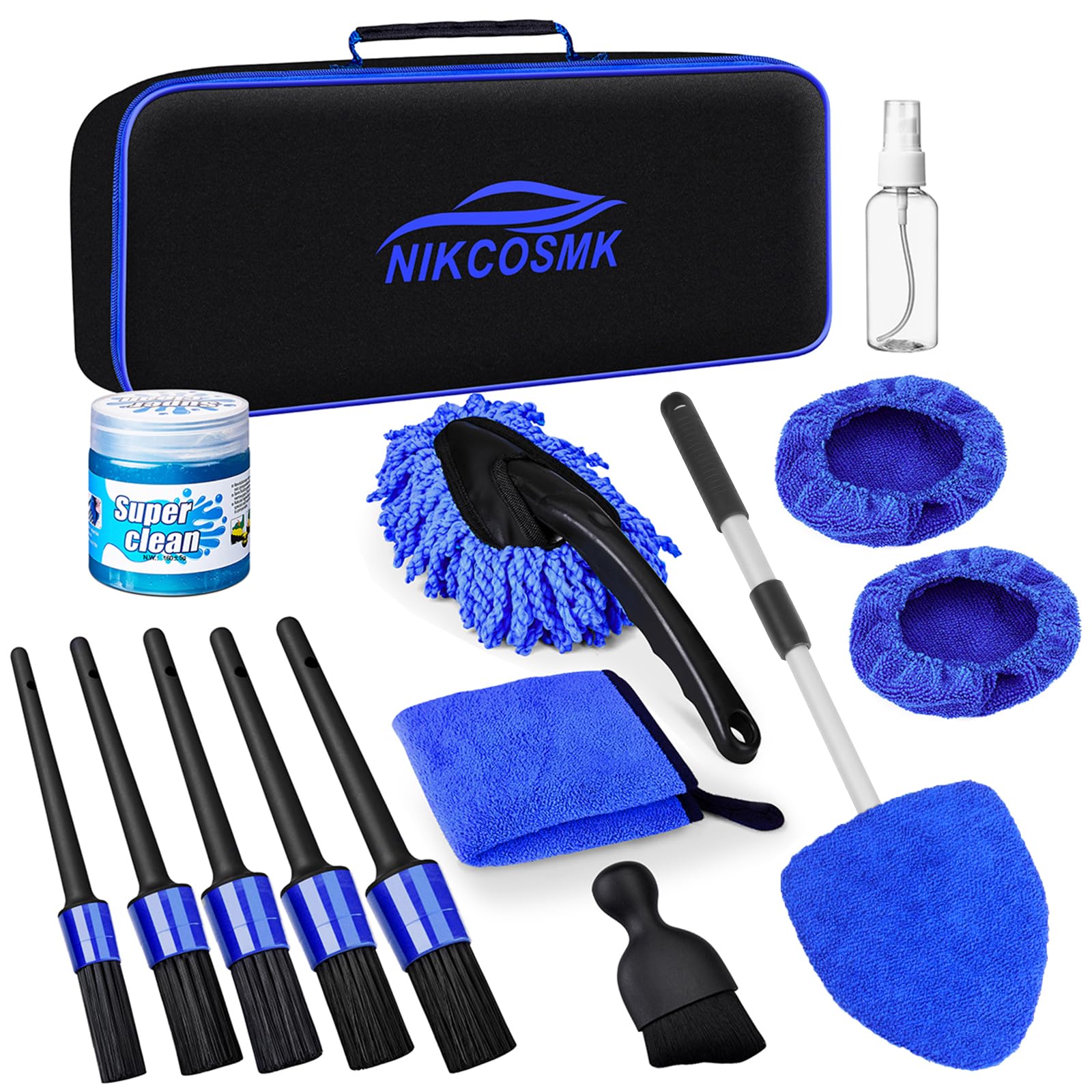
Gathering the right equipment before starting prevents accidental damage to your headliner’s delicate fabric. Most effective cleaning solutions already sit in your kitchen or cleaning cabinet, eliminating the need for expensive specialty products.
Must-Have Cleaning Solutions:
– Mild dish soap (Dawn works best for automotive fabrics)
– White vinegar (for alkaline stains and odor elimination)
– 70% isopropyl alcohol (for grease and ink removal)
– Spray bottle with fine mist setting (prevents over-saturation)
Critical Cleaning Tools:
– High-quality microfiber cloths (300-400 GSM weight)
– Soft-bristled detailing brush (horsehair or synthetic)
– Lint roller for initial debris removal
– Step stool for safe access to the roof center
Safety Essentials You Can’t Skip:
– Nitrile gloves to protect your skin
– Safety glasses to prevent cleaner splashback
– Drop cloths to shield your seats from drips
– N95 mask when dealing with mold or smoke damage
Pre-Cleaning Damage Assessment

Take five minutes to inspect your headliner before applying any cleaners—this crucial step separates successful DIY projects from expensive repair bills. Look for structural issues that require professional attention rather than cleaning.
Stop Immediately If You See:
– Sagging fabric with visible bubbles between layers
– Tears or rips in the surface material
– Foam deterioration showing as crumbling material
– Delamination where fabric separates from the backing
Identify Your Stain Type for Targeted Treatment:
– Water stains appear as ring-shaped marks from sunroof leaks
– Grease spots create dark, oily patches from hands or hair products
– Coffee/soda stains leave brown discoloration with defined edges
– Smoke residue causes overall yellowing, especially near edges
– Mold spots show as black or green fuzzy growths with musty odors
If you discover significant damage during this assessment, pause your cleaning project and consult a professional—attempting to clean a compromised headliner often makes problems worse.
Effective Stain Removal Techniques
Water-Based Stain Treatment for Coffee and Soda
For fresh coffee or soda stains, immediate action matters more than aggressive scrubbing. Never rub—this spreads the stain deeper into fibers.
- Blot immediately with a clean white microfiber cloth
- Test your solution (2 drops dish soap in 1 cup warm water) in an inconspicuous area
- Lightly mist the stained area—never soak through to the foam backing
- Gently dab from the stain’s outer edge toward the center
- Extract residue using a clean, damp cloth followed by dry blotting
Oil-Based Stain Removal for Grease and Makeup
Grease stains from hands or hair products need a different approach using common household items.
- Apply cornstarch liberally over the entire stain
- Wait 20 minutes while the powder absorbs the oil
- Vacuum thoroughly using a brush attachment
- Dab with 70% isopropyl alcohol on a clean cloth
- Repeat if necessary—oil stains often need 2-3 treatments
Warning: Never use dry cleaning solvents on automotive headliners—they can dissolve the adhesive bonding the layers together.
Full Surface Cleaning Methods

Manual Cleaning Approach for Overall Grime
This method works best for general dirt accumulation across the entire headliner without severe staining.
Step 1: Section Your Work Area
Divide the headliner into 12″ x 12″ squares using roof seams as natural guides to ensure complete coverage.
Step 2: Prepare Your Solution
Mix 1 cup warm water, 1 teaspoon dish soap, and 1 teaspoon white vinegar in your spray bottle.
Step 3: Gentle Cleaning Technique
– Lightly mist one section—avoid saturation that could damage adhesive
– Use circular motions with a soft brush, overlapping each pass
– Immediately follow with a damp microfiber cloth to extract dirt
– Finish with a dry cloth to prevent water spots
Step 4: Proper Drying Process
Position fans to circulate air through open doors. Expect 4-6 hours for complete drying, longer in humid conditions. Never use heaters—excessive heat melts the foam backing.
Mold and Smoke Damage Solutions
Mold Remediation Protocol
Mold requires aggressive treatment but demands strict safety precautions to protect your health.
Safety First:
– Wear an N95 mask and nitrile gloves
– Work in a well-ventilated area with all doors open
– Never use bleach on colored fabrics—it causes permanent fading
Treatment Steps:
1. Kill mold spores using a 1:10 vinegar solution spray
2. Let dwell for 5 minutes to ensure complete elimination
3. Gently scrub with a soft brush to remove visible growth
4. Blot thoroughly with clean microfiber cloths
5. Dry completely using fans or a dehumidifier for 24-48 hours
Smoke Odor Elimination
Cigarette smoke penetrates deep into headliner fibers, requiring multiple approaches for complete elimination.
Initial Treatment:
– Spray odor neutralizer liberally across the entire surface
– Focus on edges and around dome lights where smoke concentrates
– Allow 2-3 hours of ventilation between treatments
Advanced Techniques:
– Nicotine stain removal requires automotive TAR remover applied sparingly
– Ozone treatment works wonders for persistent odors—rent a generator for 24 hours
– Baking soda application overnight absorbs remaining odors, vacuum the next day
Preventing Future Headliner Problems
Monthly Maintenance Routine
Establishing simple habits prevents major cleaning sessions down the road:
- Weekly: Quick vacuum with soft brush attachment removes loose debris
- Monthly: Spot-clean new stains immediately—fresh stains remove 90-95% successfully
- Quarterly: Inspect for early signs of problems like small stains or loose areas
- Annually: Deep clean or consider professional service for stubborn issues
Cost-Benefit Analysis of DIY Cleaning
Your DIY Investment:
– Initial supplies: $25-40
– Time investment: 2-4 hours
– Total: $50-75 for complete setup
Professional Comparison:
– Basic cleaning service: $75-150
– Stain removal: Additional $25-50 per major stain
– Headliner replacement: $200-600 if cleaning fails
Your DIY equipment pays for itself after just 2-3 uses, plus you gain the flexibility to address problems immediately rather than waiting for scheduled appointments.
Common Mistakes That Ruin Headliners
Never Do These:
– Over-wet the fabric—this causes adhesive failure and permanent sagging
– Use abrasive scrubbing—it damages the fabric surface and underlying foam
– Mix cleaning chemicals—ammonia and bleach create toxic fumes
– Skip test spots—risk permanent discoloration on visible areas
– Rush the drying process—incomplete drying leads to mold growth
Equipment Errors to Avoid:
– High heat settings on steam cleaners can melt the foam backing
– Excessive pressure from scrubbing tears fabric from the substrate
– Wrong brush attachments cause pilling and texture damage
Emergency Spill Response Kit
Create a simple kit that lives in your trunk or glove box for immediate stain treatment:
Contents:
– White microfiber cloths (3-4 pieces)
– Small spray bottle with mild soap solution
– Cornstarch for oil absorption
– Plastic scraper for dried substances
– Sealable container to keep everything organized
Emergency Protocol:
1. Act within 30 seconds for liquid spills
2. Blot, don’t rub to prevent spreading
3. Contain the area using your cloths
4. Apply immediate treatment from your kit
5. Schedule proper cleaning within 48 hours
Realistic Results and Expectations
What to Expect After Cleaning:
– Fresh stains: 90-95% removal success
– Set-in stains: 50-70% improvement typical
– Odor elimination: 80-90% reduction with proper treatment
– Color restoration: 60-80% improvement depending on age
Success Factors:
– Stain age dramatically impacts results—act quickly
– Water-based stains respond better than oil-based ones
– Newer headliners clean more effectively than aged, brittle ones
– Environmental conditions during cleaning affect final appearance
Your car’s headliner will thank you for this attention. Not only will it look fresher and smell cleaner, but you’ll also extend its lifespan significantly. Remember: patience beats power when cleaning automotive headliners. Take your time, work in small sections, and your ceiling will return to its original glory without the risk of costly repairs. With the right techniques and consistent maintenance, you can keep your headliner looking newer for years to come.



