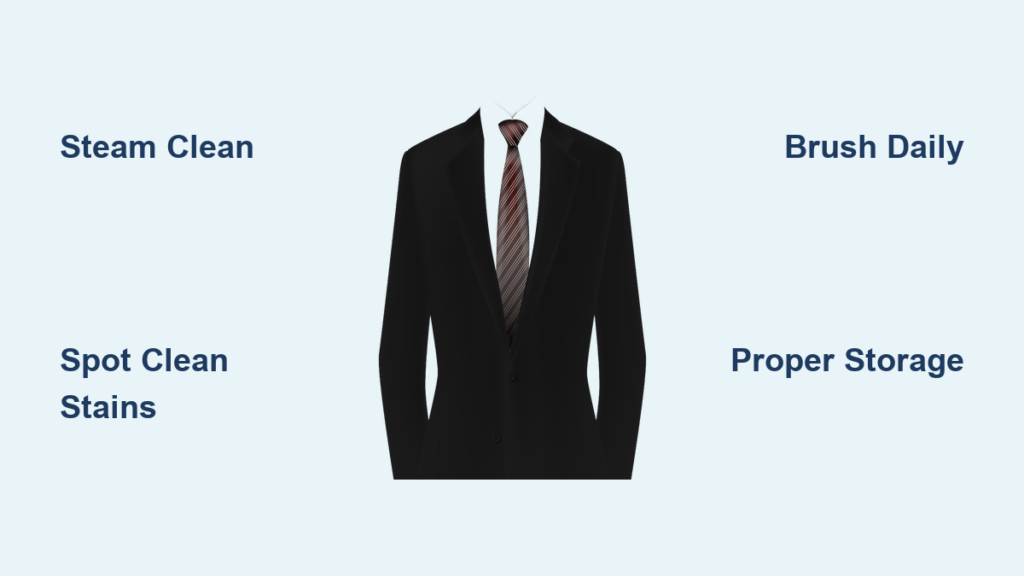
Your favorite suit doesn’t need a trip to the dry cleaner every time it looks tired. Whether it’s a coffee drip, daily wrinkles, or just needs refreshing, you can restore your suit’s sharp appearance right in your own home—saving both time and money while extending the life of your investment. Proper home cleaning techniques preserve your suit’s structure and fabric integrity when executed carefully.
This guide walks you through proven methods for cleaning every type of suit safely, from delicate wool to sturdy cotton blends. You’ll learn which approaches work for each fabric, how to tackle stubborn stains without damage, and the maintenance tricks that keep your suit looking freshly pressed between professional cleanings.
Identify Your Suit Fabric Before Cleaning

Before touching your suit with any cleaning method, know exactly what you’re working with. Each fabric demands different care, and guessing wrong can shrink, distort, or permanently damage your garment. Check the care label inside your jacket—this tiny tag holds the key to successful home cleaning.
Wool Suits: Handle With Heat Sensitivity
Wool dominates suit construction for good reason—it drapes beautifully and resists wrinkles. However, wool shrinks dramatically when exposed to heat and agitation. Check your label for percentage: 100% wool needs the gentlest approach, while wool blends (especially with polyester) offer more forgiveness. Never use hot water on wool suits, as temperatures above 86°F trigger shrinkage. When in doubt, treat it as pure wool and use the most conservative cleaning method.
Cotton and Linen: Manage Shrinkage Risks
Cotton suits tolerate water better than wool but can still shrink significantly if mishandled. Linen’s loose weave makes it prone to distortion when wet. Both fabrics wrinkle easily—your advantage is that these wrinkles respond well to steam and pressing. For cotton suits, limit water exposure to spot cleaning only. Linen requires even more caution; always air dry flat after any moisture contact to prevent permanent stretching.
Synthetic Blends: Your Most Forgiving Option
Polyester, rayon, or viscose blends resist wrinkles and shrinkage better than natural fibers. These suits handle gentle home cleaning methods more successfully, making them ideal candidates for your first home-cleaning attempts. You can safely use slightly warmer water (up to 95°F) and more aggressive spot cleaning on synthetic blends without risking damage. Start practicing your home cleaning techniques on these suits before attempting wool or delicate fabrics.
Essential Steam Cleaning for Suit Refresh
Professional-Quality Steamer Setup
Invest in a garment steamer with variable heat settings—this single tool transforms your home cleaning capabilities. Fill your steamer with distilled water to prevent mineral buildup and set to the appropriate temperature for your fabric type. Always steam your jacket inside-out first to release interior wrinkles and odors without affecting the outer fabric appearance.
Begin at the hem and work upward in slow, vertical strokes, keeping the steamer head 2-3 inches from the fabric. Focus extra attention on underarm areas where odors concentrate, but avoid saturating the fabric. After steaming the interior, flip your jacket right-side-out and repeat the process on the exterior, paying special attention to lapel edges and collar areas.
Trouser Steaming Without Crease Damage
Hang trousers by the cuffs using clip hangers to maintain proper tension during steaming. Steam from the bottom up, following the natural crease line with your steamer head. If your steamer has a crease attachment, use it to sharpen the front crease without direct iron contact. Never apply steam directly to the seat area—this can cause stretching and distortion. Allow trousers to dry completely (30-60 minutes) in circulating air before wearing or storing.
Emergency Spot Cleaning for Common Stains
Water-Based Stain Removal Protocol
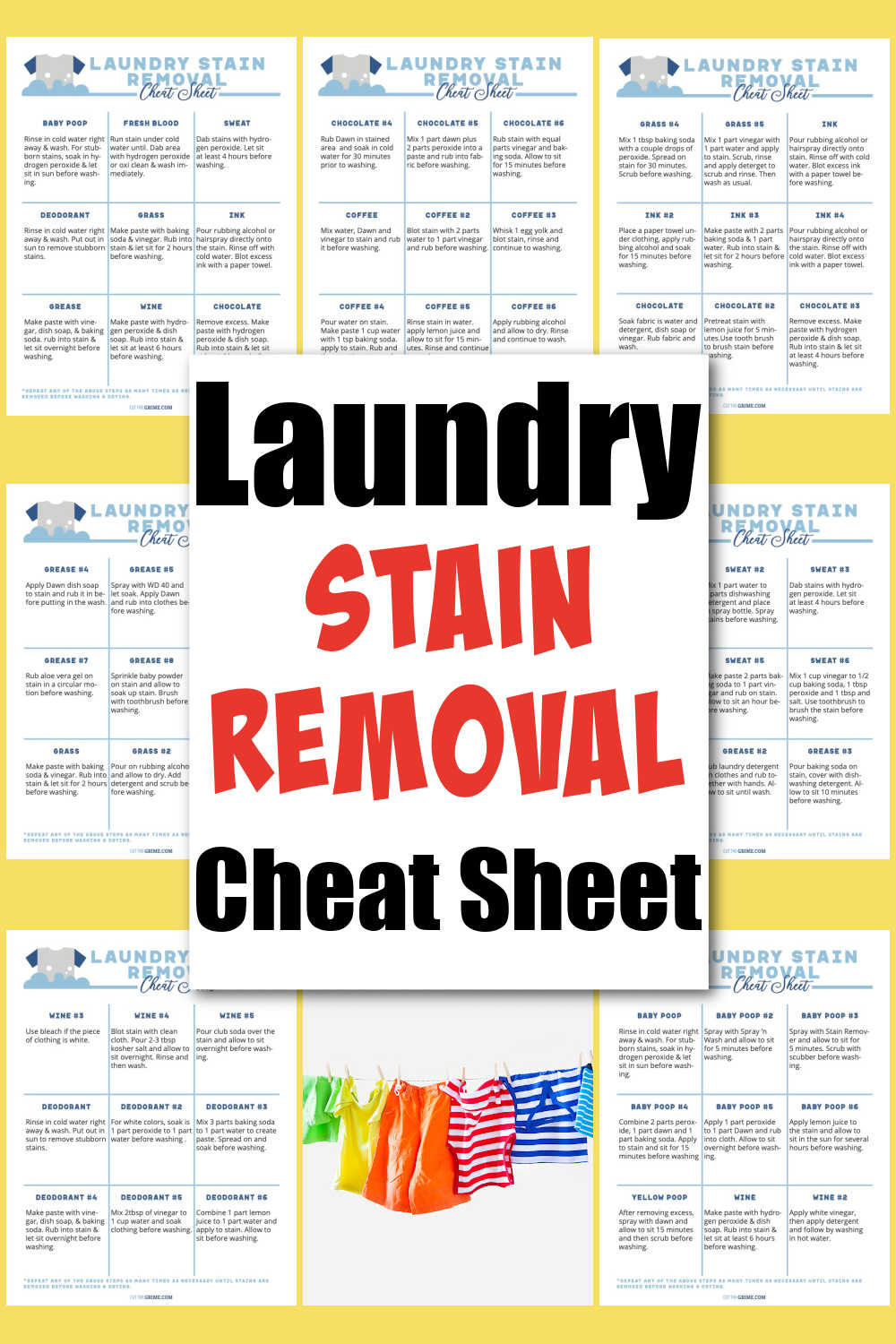
For fresh coffee, juice, or sweat marks, speed matters. Blot (never rub) excess liquid immediately with a clean white cloth. Working from the stain’s edge toward the center, apply distilled water sparingly using a cotton swab. Mix one drop of wool-safe detergent with two tablespoons of water and apply this solution with a soft brush using gentle circular motions.
Blot dry with a clean cloth and allow complete air drying before repeating the process. Stop after two attempts—over-wetting fabric creates new problems. If the stain persists, it’s time for professional cleaning rather than risking further damage through repeated home treatments.
Oil-Based Stain Emergency Response
Grease stains demand immediate action. Cover the stain with cornstarch, talcum powder, or baking soda to absorb the oil for 30-60 minutes, then brush away gently. This initial treatment often removes 80% of oil stains without chemicals. For stubborn grease, use a dry-cleaning solvent pen tested first on an inside seam.
Apply the solvent sparingly using a cotton swab, working from the stain’s outer edge inward. Allow complete evaporation (at least 24 hours) before wearing. Never apply heat to oil stains—this sets them permanently into the fabric fibers.
Daily Maintenance That Extends Cleaning Intervals
Proper Brushing Technique for Fabric Longevity
A natural bristle clothes brush (horsehair works best) removes dust, food particles, and surface oils that dull fabric appearance. Hang your suit properly and brush using quick, light strokes following the fabric’s grain. Start at the shoulders, working down each sleeve, then move to the jacket body brushing from the collar toward the hem.
With trousers, brush from the waistband down each leg, paying special attention to pocket areas. This 2-minute ritual after each wearing dramatically extends time between deeper cleanings. Brush only when fabric is completely dry—moisture combined with brushing can damage fibers.
Strategic Airing Methods for Odor Elimination
Your suit needs 24-48 hours rest between wears—this isn’t luxury, it’s practical fabric care. Hang your suit in a well-ventilated area (never direct sunlight) to allow moisture and odors to dissipate naturally. For smoky or musty odors, place the suit in your bathroom during a hot shower—the steam loosens odor molecules without damaging fabric.
Leave your suit in the steamy bathroom for 15-20 minutes, then move to fresh air for complete drying. This technique refreshes fabric without chemicals and maintains the suit’s natural shape better than aggressive cleaning methods.
Safe Pressing Techniques to Avoid Shine
Temperature Settings by Fabric Type
Using the wrong iron temperature creates shine or scorch marks that ruin your suit’s appearance. Always use a pressing cloth between iron and suit—this prevents direct heat contact. Set your iron to medium heat with steam (3-4 setting) for wool, medium-high (5-6) for cotton, and low-medium (2-3) for synthetics.
Start with the lining using low heat before moving to exterior surfaces. Press sleeves on a sleeve board or rolled towel, working from shoulder to cuff to maintain proper shape. Never press directly on lapel edges—this creates sharp creases where none should exist.
Trouser Crease Perfection Without Damage
Press the waistband first, inside then outside, aligning seams carefully. Support the hem area with a pressing ham to maintain the original break over shoes. For front and back creases, press gently along the existing line rather than creating new sharp folds.
Use clothespins at the cuffs when hanging damp trousers to maintain crease lines during drying. Never hang wet trousers—this stretches fabric permanently at stress points. Instead, lay them flat until damp-dry before hanging.
Smart Storage Practices That Reduce Cleaning Needs
Hanger Selection for Shape Preservation
Wide, contoured wooden hangers support your jacket’s shoulders properly, preventing stretch marks that make suits look worn. Use clipped trouser hangers with felt padding to maintain creases without creating clip marks. Cedar hangers add natural pest protection while absorbing moisture that attracts moths.
Always hang your suit immediately after wearing—never leave it crumpled overnight. Empty all pockets and button jackets to maintain proper shape during storage. Rotate suits weekly—this 48-hour rest period allows fibers to recover their shape between wears.
Seasonal Storage Without Moisture Damage
Before long-term storage, clean your suit thoroughly—even invisible stains attract moths. Ensure complete dryness, then store in breathable cotton garment bags with cedar blocks or lavender sachets. Avoid plastic dry-cleaning bags—they trap moisture and promote mildew that damages fabric.
Place acid-free tissue paper in sleeves and folds to prevent creasing during storage. Store in a cool, dark environment with consistent temperature, checking quarterly for moth damage or moisture issues.
Know When Home Cleaning Isn’t Enough
Critical Home Cleaning Limits
Professional cleaning becomes necessary when:
– Fabric is silk, cashmere, or luxury fiber
– Extensive or set-in staining exists
– Suit has complex padding or interfacing
– Previous home attempts didn’t succeed
– The suit holds significant monetary or sentimental value
Never attempt home cleaning on suits labeled “dry clean only” with delicate fibers like silk or cashmere—water exposure causes permanent water spots and fiber damage. When in doubt about fabric type or construction, professional care preserves your investment better than risky home experiments.
Your suit represents a significant investment—treating it with respect extends its life dramatically. These home cleaning techniques maintain your appearance between professional services while building your confidence in garment care. Start with synthetic blends for practice, then graduate to wool as your skills develop. Remember: gentle, patient care always beats aggressive cleaning, and when in doubt, professional help preserves your investment.