You’ve probably heard conflicting information about mobile home longevity—some say they’re temporary structures while others claim they can outlast traditional houses. The truth is mobile homes built today can last 30-70 years or more, but their actual lifespan depends on critical factors many buyers never consider. If you’re shopping for a mobile home or trying to extend your current unit’s life, understanding these variables could save you tens of thousands in premature replacement costs.
Most mobile home buyers operate under the misconception that these structures automatically deteriorate after 20 years. This outdated belief stems from pre-1976 units that lacked modern construction standards. Today’s manufactured homes, when properly maintained and upgraded, regularly reach 50-70 year lifespans—comparable to site-built homes. This guide cuts through the myths with concrete data on what actually determines mobile home longevity and how you can maximize your investment.
Pre-1976 vs. Modern Mobile Home Longevity

Why Your Grandparents’ Mobile Home Didn’t Last
Mobile homes manufactured before 1976 face significant durability challenges that limit their maximum lifespan to 30-50 years even with major renovations. These vintage units typically contain single-pane windows that allow excessive heat transfer, minimal insulation that fails to meet modern energy standards, and potentially hazardous aluminum wiring systems. To extend these older homes to their maximum potential, owners must budget $5,000-$15,000 for electrical system updates and $3,000-$8,000 for proper insulation improvements. Without these critical upgrades, expect your pre-HUD code mobile home to reach structural limitations within 25-35 years.
The 1976 HUD Code Revolution
The implementation of federal HUD construction standards in 1976 created a dramatic turning point for mobile home longevity. These post-1976 units feature substantially improved 2×4″ or 2×6″ framing systems, enhanced roofing materials, and properly grounded electrical systems. With consistent maintenance, these homes typically deliver 40-60 years of reliable service. Owners should plan for critical maintenance milestones including complete re-roofing at the 20-25 year mark and full HVAC system replacement around years 15-20. Ignoring these scheduled upgrades can reduce the lifespan by 10-15 years.
Modern Mobile Homes Built to Last 70+ Years
Today’s manufactured homes incorporate Energy Star compliance and insulation values ranging from R-19 to R-30 in walls and R-38 in ceilings—exceeding many site-built homes. When properly maintained, these units achieve 50-70 year lifespans with predictable system replacement cycles. Expect to replace the roof at 25-30 years regardless of initial warranty claims, upgrade the HVAC system at 15-20 years, and refresh the siding at 30-40 years. These modern units feature wind resistance ratings that significantly improve durability in severe weather areas.
Foundation Choices That Add Decades to Your Mobile Home
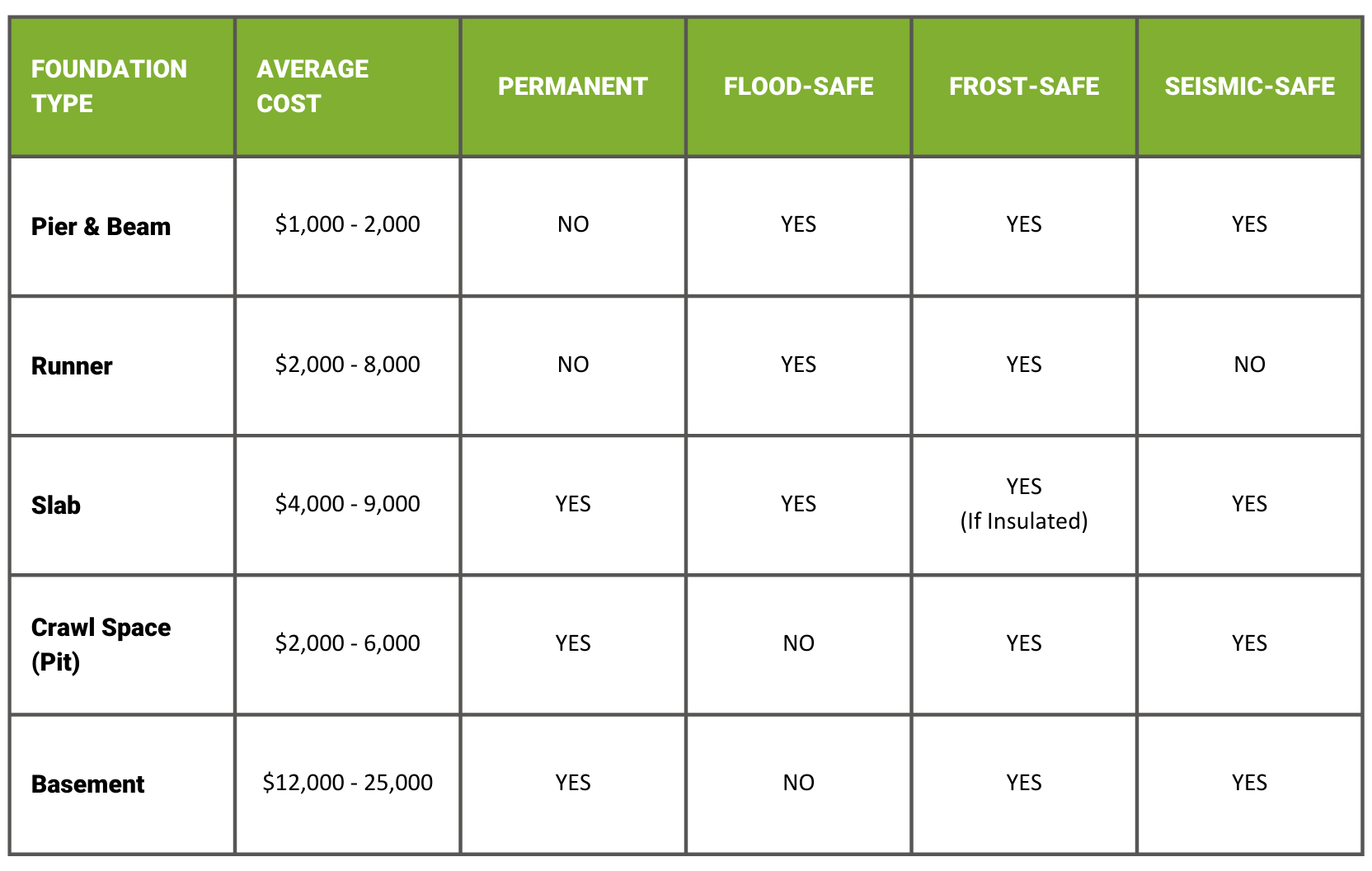
Permanent Foundations: The 25-Year Lifespan Booster
Installing your mobile home on a permanent concrete foundation isn’t just a cosmetic upgrade—it adds 15-25 years to your structure’s life expectancy. This $8,000-$25,000 investment transforms your mobile home from temporary housing to permanent real estate, eliminating the stress caused by shifting ground conditions. Homes installed with proper basement foundations regularly exceed 70-year lifespans when combined with routine maintenance. The foundation anchors must meet current wind zone requirements to prevent structural damage during severe weather events.
Why Standard Pier Systems Need Regular Attention
The standard pier and ground set installation method provides adequate foundation support for 30-50 years but requires vigilant maintenance. These systems demand releveling every 3-5 years to prevent structural stress that can reduce your mobile home’s lifespan by 10-15 years. Neglecting this critical maintenance causes doors and windows to stick, drywall cracks to appear, and uneven floors that accelerate component failure. Properly maintained pier systems with regular leveling can still deliver 40+ years of reliable service in stable soil conditions.
Foundation Maintenance Checklist You Can’t Ignore
- Monthly visual checks: Look for visible gaps between skirting and ground
- Seasonal settling assessment: Note any new door/window operation issues
- Annual professional inspection: Verify anchor integrity and foundation stability
- Immediate correction: Address any leveling issues before they compound
Climate-Specific Threats to Mobile Home Longevity
Southern Humidity: The Silent Structural Killer
Mobile homes in high-humidity regions like Florida and Louisiana face a dramatically reduced lifespan of 35-55 years without specialized upgrades. Constant moisture exposure accelerates wood rot, promotes mold growth, and invites termite infestations that compromise structural integrity. Homeowners in these regions must invest in enhanced ventilation systems, termite barriers, and UV-resistant roofing materials to prevent the 15-20 year lifespan reduction that occurs with standard installations. Whole-house dehumidification systems become essential investments rather than luxury upgrades.
Northern Freeze-Thaw Cycles: Foundation Stress Multiplier
Homes in northern climates face unique challenges from freeze-thaw cycles that cause foundation movement and ice damming, potentially reducing mobile home lifespan by 10-15 years. These conditions require enhanced insulation packages and improved vapor barriers to prevent moisture intrusion during temperature swings. Homeowners must prioritize proper snow load management and invest in heating system redundancy to prevent pipe freezes that cause catastrophic water damage. Properly addressed, northern mobile homes still achieve 40-65 year lifespans.
Critical Maintenance That Doubles Mobile Home Life

The $1,000 Annual Investment That Pays Off
Budgeting $500-$1,500 annually for routine maintenance creates the single biggest opportunity to extend your mobile home’s life. This essential spending covers roof inspections and gutter cleaning, caulking checks around all windows and doors, HVAC filter replacements, and moisture barrier assessments. Skipping these relatively minor expenses leads to major system failures—clogged gutters cause roof leaks that damage subfloors, while failed caulking allows moisture intrusion that rot structural components from within.
Major System Replacement Timeline You Must Follow
- 15-20 Year Milestone: Complete HVAC system replacement ($3,500-$8,000)
- 20-25 Year Critical Point: Full roof replacement ($2,500-$10,000 based on size)
- 30-40 Year Renovation Phase: Siding replacement and structural reinforcement
Warning Signs Your Mobile Home Needs Immediate Attention
Structural Red Flags That Can’t Wait
Roof sagging represents one of the most urgent structural concerns requiring professional intervention within weeks. This condition indicates truss failure that will rapidly compromise the entire structure. Similarly, soft floor spots signal advanced subfloor deterioration that spreads quickly when ignored. These issues don’t improve with time—they accelerate, making immediate professional assessment essential rather than optional.
When to Call a Professional Inspector
Schedule a professional evaluation immediately if you notice doors or windows that suddenly won’t close properly, new cracks appearing in walls or ceilings, unexplained water stains, or HVAC systems running constantly without maintaining temperature. These symptoms indicate underlying problems that will only worsen, potentially reducing your mobile home’s remaining lifespan by years if left unaddressed.
Strategic Upgrades That Add 15+ Years to Your Mobile Home
Crawl Space Encapsulation: The 10-Year Lifespan Extender
Investing $3,000-$8,000 in crawl space encapsulation creates one of the highest-impact longevity improvements available. This moisture barrier system prevents approximately 50% of structural deterioration caused by humidity and ground moisture. Homes with properly encapsulated crawl spaces consistently outlast comparable units by 10-15 years, making this upgrade essential in humid climates and worthwhile even in drier regions.
Metal Roofing: The 40-70 Year Solution
Replacing standard asphalt shingles with metal roofing costs $5,000-$12,000 but extends roof life from 15-30 years to 40-70 years. This single upgrade prevents the most common cause of premature mobile home failure—water intrusion through deteriorating roofing materials. Metal roofs also reflect heat better than traditional shingles, reducing cooling costs and thermal stress on the structure.
Financial Planning for Maximum Mobile Home Longevity
The Real Cost of Extending Your Home’s Life
Plan for $500-$1,500 annually in routine maintenance plus $3,000-$8,000 every 15-20 years for major system replacements. Factor these costs into your purchase decision—mobile homes require similar lifetime maintenance investments as site-built homes but with different timing. Homes maintained on this schedule regularly reach 50-70 year lifespans, while neglected units often fail at 20-30 years.
Insurance Limitations for Aging Mobile Homes
Most insurance carriers impose coverage limitations on mobile homes over 20-30 years old. Premiums increase 25-50% for homes over 30 years, and replacement coverage typically drops to 70-80% of new unit cost. This financial reality makes proactive maintenance even more critical—you’ll have less insurance protection as your home ages, making prevention your best financial strategy.
Your Mobile Home Longevity Roadmap by Age
First 10 Years: The Foundation Phase
Focus on proper installation verification, annual inspections, and addressing settling issues immediately. This critical decade establishes whether your mobile home will reach minimum or maximum lifespan expectations. Document all maintenance activities and warranty claims during these early years—they become crucial when planning future upgrades.
10-30 Years: The Maintenance Phase
Implement systematic replacement of aging components before they fail catastrophically. Water heaters, HVAC components, and minor roofing repairs keep your home functioning at peak efficiency during this period. This phase determines whether your mobile home transitions smoothly into the 30+ year category or begins experiencing premature deterioration.
Mobile homes deliver exceptional value when owners understand and implement proper maintenance protocols. The difference between 30 years and 70 years of service comes down to consistent foundation care, strategic system replacements, and addressing moisture issues before they compound. Start with your foundation stability, implement the annual maintenance budget, and follow the system replacement timeline to maximize your mobile home’s lifespan and protect your investment for decades to come.