

You double-check the locks before bed, but that unsettling question lingers: just how likely is a home invasion? This concern keeps countless homeowners awake, especially after hearing neighborhood rumors or sensationalized news reports. Understanding the actual frequency of these traumatic events transforms vague anxiety into practical security planning—yet the truth is more complicated than most realize.
Unlike straightforward crime statistics like car thefts or burglaries, home invasions lack consistent tracking across law enforcement agencies. This isn’t oversight—it’s because “home invasion” isn’t a standardized legal category in most jurisdictions. What one police department classifies as a home invasion, another might label as aggravated burglary or robbery. This definitional chaos creates significant gaps in our understanding of true occurrence rates.
Why Home Invasion Statistics Remain Fragmented
Law Enforcement Classification Challenges
Police departments nationwide struggle with inconsistent terminology when documenting these incidents. Most agencies track residential burglaries (unlawful entry with intent to commit theft when no one is home) and robberies (theft through force or threat of force), but home invasions—where perpetrators enter occupied dwellings with intent to commit violent crimes—fall into a legal gray area. Without a universal classification system, compiling national statistics becomes nearly impossible.
Critical Reporting Discrepancies Across Regions
When you search “how common are home invasions” online, you’ll encounter wildly varying numbers because local jurisdictions document these events differently. Some cities include any break-in where residents are present as a home invasion, while others require evidence of violence or weapon use. This patchwork approach means a neighborhood might report multiple “home invasions” in a month while statistically similar areas record zero—simply due to reporting differences, not actual safety levels.
The Insurance Industry’s Limited Perspective
While insurance companies track property crimes extensively, their data focuses primarily on financial losses rather than occupant presence during break-ins. A claim for stolen electronics doesn’t distinguish whether the home was empty or family members were upstairs sleeping. This critical detail—whether residents were present—is precisely what defines a home invasion versus a standard burglary, yet it rarely factors into industry databases.
Interpreting What Limited Data Exists
Residential Break-Ins vs. True Home Invasions
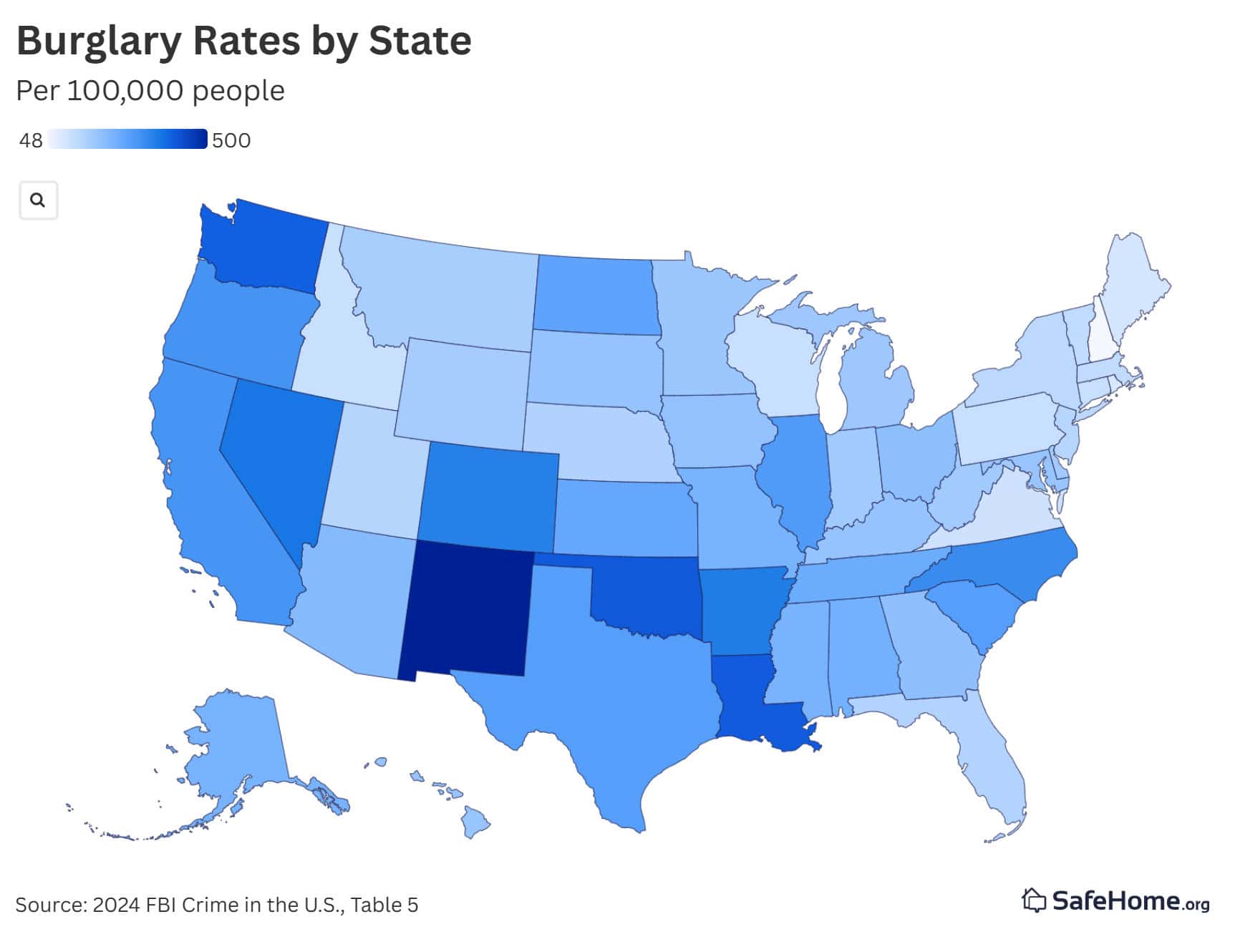
FBI crime statistics track residential burglaries, but these figures include both occupied and unoccupied homes. Most break-ins occur when homes are empty—during work hours or vacations—making true home invasions (where occupants are present) statistically less common. However, the emotional impact and physical danger of invasions where residents confront intruders create disproportionate fear compared to their actual frequency.
Geographic Risk Variations You Should Know
Crime patterns show consistent regional differences in residential break-ins, though specific home invasion data remains elusive. Urban areas generally experience higher break-in rates than suburban or rural locations, but this doesn’t necessarily translate to more home invasions. Some research suggests that in high-crime urban neighborhoods, perpetrators often avoid occupied homes due to increased risk of confrontation, potentially making true invasions less common there than residents assume.
Seasonal Patterns and Timing Insights
Available crime data indicates residential break-ins increase during summer months when windows are open and families travel. Most occur between 10 AM and 3 PM when homes are typically empty. True home invasions, however, may follow different patterns—some evidence suggests they occur more frequently late at night or early morning when residents are asleep and less likely to mount immediate resistance. Without standardized tracking, these patterns remain educated guesses rather than verified facts.
Why Home Invasions Feel More Common Than They Are

Media Amplification Effect
Local news disproportionately covers violent home invasions while rarely reporting unoccupied burglaries. A single dramatic incident can generate weeks of coverage across multiple news outlets, creating the illusion of epidemic proportions. When your neighborhood Facebook group buzzes with “another home invasion!” remember that social media often amplifies isolated incidents into perceived trends without statistical context.
The Viral Misinformation Cycle
Community alert systems and neighborhood social media groups frequently mislabel incidents. An attempted break-in at an empty home, a suspicious person near a property, or even a false alarm might be described as a “home invasion” in community alerts. This terminology inflation—using the most frightening label possible—distorts perception without reflecting actual threat levels. Always verify incidents through official police reports rather than community chatter.
Psychological Availability Bias
Humans naturally overestimate the likelihood of vivid, emotionally charged events. Because home invasions feature prominently in movies and news coverage, they occupy more mental space than statistically more common dangers like car accidents or medical emergencies. This cognitive bias makes rare events feel more probable than they actually are, driving disproportionate fear relative to actual risk.
Practical Risk Assessment Strategies
Verify Local Crime Patterns Properly
Instead of relying on social media rumors, access your local police department’s official crime mapping tool. Most cities provide online databases showing actual reported incidents with verified classifications. Look for patterns in residential break-ins near your home, but remember these will primarily reflect burglaries of unoccupied homes—not true invasions. Pay attention to time patterns and entry methods rather than sensationalized labels.
Identify Your Specific Vulnerability Factors
Your personal risk depends more on specific circumstances than national statistics. Homes with consistent routines (leaving/work times, vacation patterns) present more opportunities for observation by potential perpetrators. Properties with obscured entry points (overgrown shrubs, dark alleys) or frequent occupancy by children home alone face different risk profiles than well-lit homes with irregular schedules. Evaluate your unique situation rather than general statistics.
Security Measures That Address Real Threats
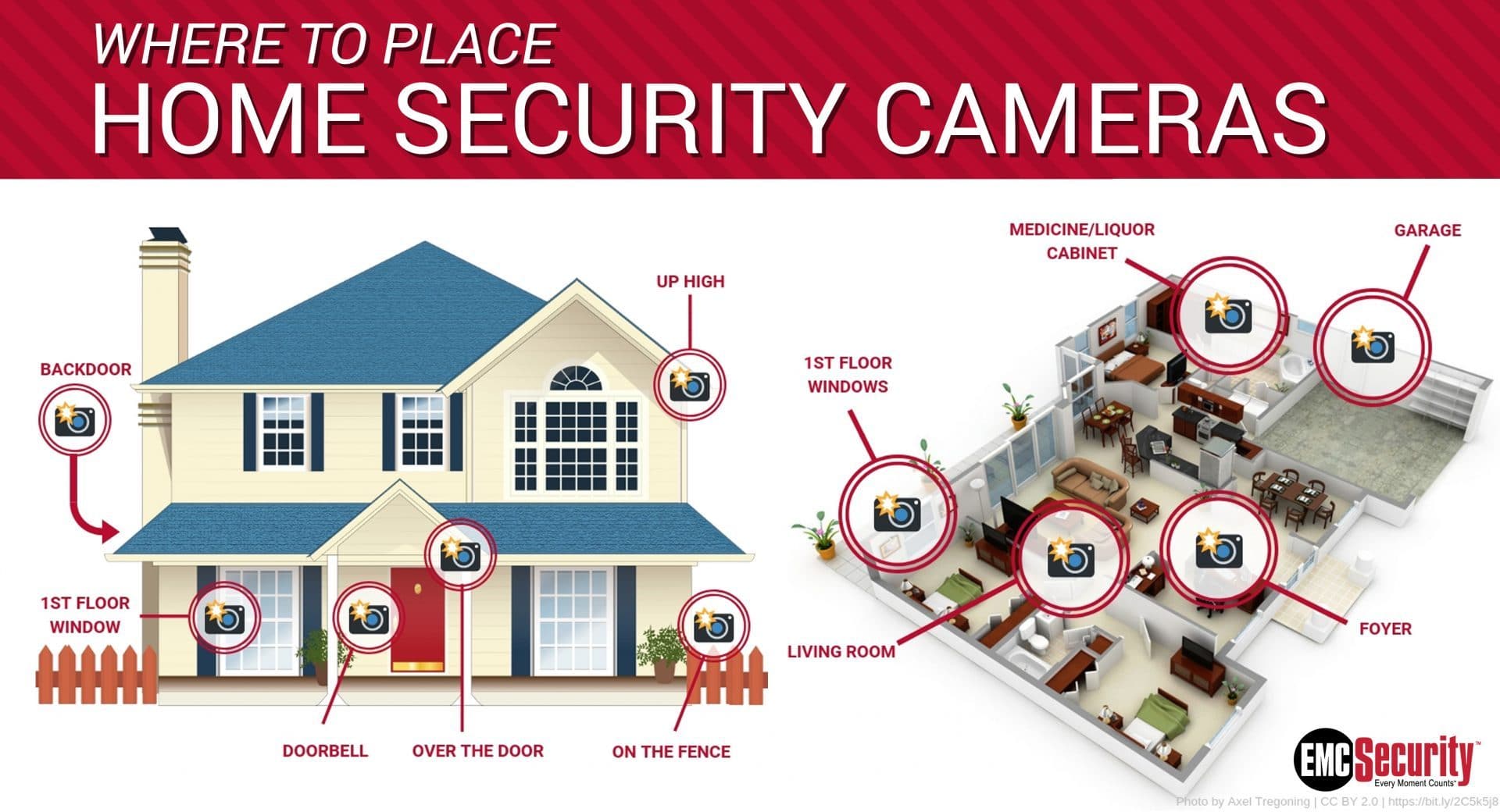
Rather than reacting to fear-driven headlines, implement layered security based on actual crime patterns. Motion-activated lighting at entry points disrupts 80% of attempted break-ins by eliminating cover of darkness. Visible security cameras serve as powerful deterrents regardless of monitoring status. Most importantly, establish communication protocols with neighbors for checking on each other’s homes during absences—this simple measure addresses the most common break-in scenario (empty homes) while providing secondary benefits for true invasion situations.
Moving Beyond the “How Common” Obsession
Focus on Actionable Prevention
Worrying about precise home invasion frequency serves little purpose when reliable data doesn’t exist. Instead, concentrate on proven security fundamentals: consistent locking habits, eliminating hiding spots near entry points, varying routines when possible, and establishing neighborhood watch connections. These measures address the broader category of residential break-ins—which includes both occupied and unoccupied home intrusions—without requiring precise knowledge of invasion-specific statistics.
Develop Realistic Response Plans
Prepare for worst-case scenarios without feeding fear. Practice emergency protocols with household members: identify safe rooms with communication capabilities, establish code words for different threats, and ensure everyone knows when to call 911 versus when to remain hidden. These preparations provide genuine security benefits while transforming anxiety into constructive action—regardless of actual invasion frequency.
Seek Professional Security Assessments
Many police departments offer free home security evaluations, providing customized recommendations based on your property’s specific layout and neighborhood patterns. These assessments focus on practical vulnerabilities rather than statistical probabilities, delivering more valuable insights than generic “how common are home invasions” searches ever could. A professional evaluation might reveal simple fixes—like relocating a backyard shed or adding a secondary lock—that dramatically improve security.
Key Takeaway: The frustrating truth is we simply don’t know exactly how common home invasions are due to inconsistent tracking and classification. Rather than fixating on unverifiable statistics, focus on understanding your specific risk factors and implementing practical, layered security measures. Most residential security strategies effectively address both burglaries and invasions by making your home a less appealing target regardless of occupancy status. By shifting from fear-driven speculation to actionable prevention based on your unique circumstances, you gain genuine security without wasting energy on unanswerable questions about national invasion rates.