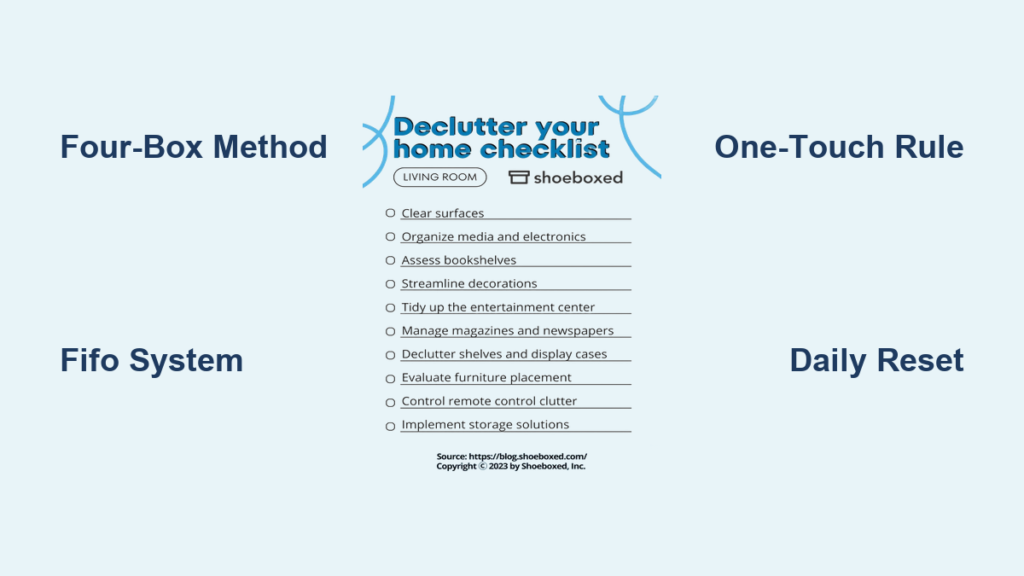
Your living room floor is buried under kids’ toys, the kitchen counter disappeared under mail months ago, and you can’t find matching socks without excavating your closet. Sound familiar? You’re not alone—the average American home contains 300,000 items, yet we only use about 20% regularly. The good news? You don’t need a reality TV crew to reclaim your space. This guide breaks down exactly how to declutter your home using proven systems that work with your real life, not against it.
Why Clutter Kills Your Productivity
Physical clutter isn’t just visually annoying—it actively stresses you out. Research from UCLA shows people living in cluttered spaces have measurably higher cortisol levels throughout the day. That constant background stress translates to decision fatigue, making everything from choosing breakfast to finishing work projects harder than it needs to be.
The financial hit adds up fast. Between unused items (worth $2,500-$5,000 per household) and storage solutions eating 10-15% of your home’s square footage, clutter literally costs you hundreds per month in wasted space. Add in the “I know I have it somewhere” replacement purchases, and you’re looking at serious money down the drain.
The Four-Box Method That Changes Everything

Before touching a single item, grab four large boxes and label them: Keep, Donate, Sell, Trash. This simple system eliminates the endless “where should this go?” paralysis that kills most decluttering attempts before they start.
Keep Criteria That Actually Works
Items only earn a spot in your “Keep” box if they meet two of these three tests:
– Used within the last 6 months
– Clear emotional attachment with specific memory attached
– Replacement cost over $100
Pro Tip: Photograph sentimental items you’re hesitant to part with—you’ll rarely look back at the photos, but they’ll ease the guilt of letting go.
Donation Sweet Spots
Goodwill takes most household goods and clothing, giving you 25-30% tax deductions. Habitat for Humanity ReStores handle furniture and appliances with free pickup. Specialized groups like Dress for Success want your professional women’s attire, while Soles4Souls takes gently used shoes for international distribution.
Living Room: The Visible Victory Zone
Start here for maximum psychological impact. Remove everything from surfaces first—yes, everything. This creates the clean slate your brain needs to make good decisions.
Taming the Electronics Explosion
The average household has 24 electronic devices but only uses 12-15 regularly. Establish a charging station outside living areas to stop device creep on coffee tables. Limit remotes to three max: TV, sound system, and streaming device. Everything else lives in a drawer.
Magazine and Paper Triage
Seventy-three percent of printed materials entering homes remain unread after 30 days. Create immediate sorting stations: financial documents to a filing box, magazines to recycling after one month, catalogs straight to the bin unless you’re actively shopping. Switch to digital subscriptions to cut paper by 85%.
Kitchen: Where Food Meets Function
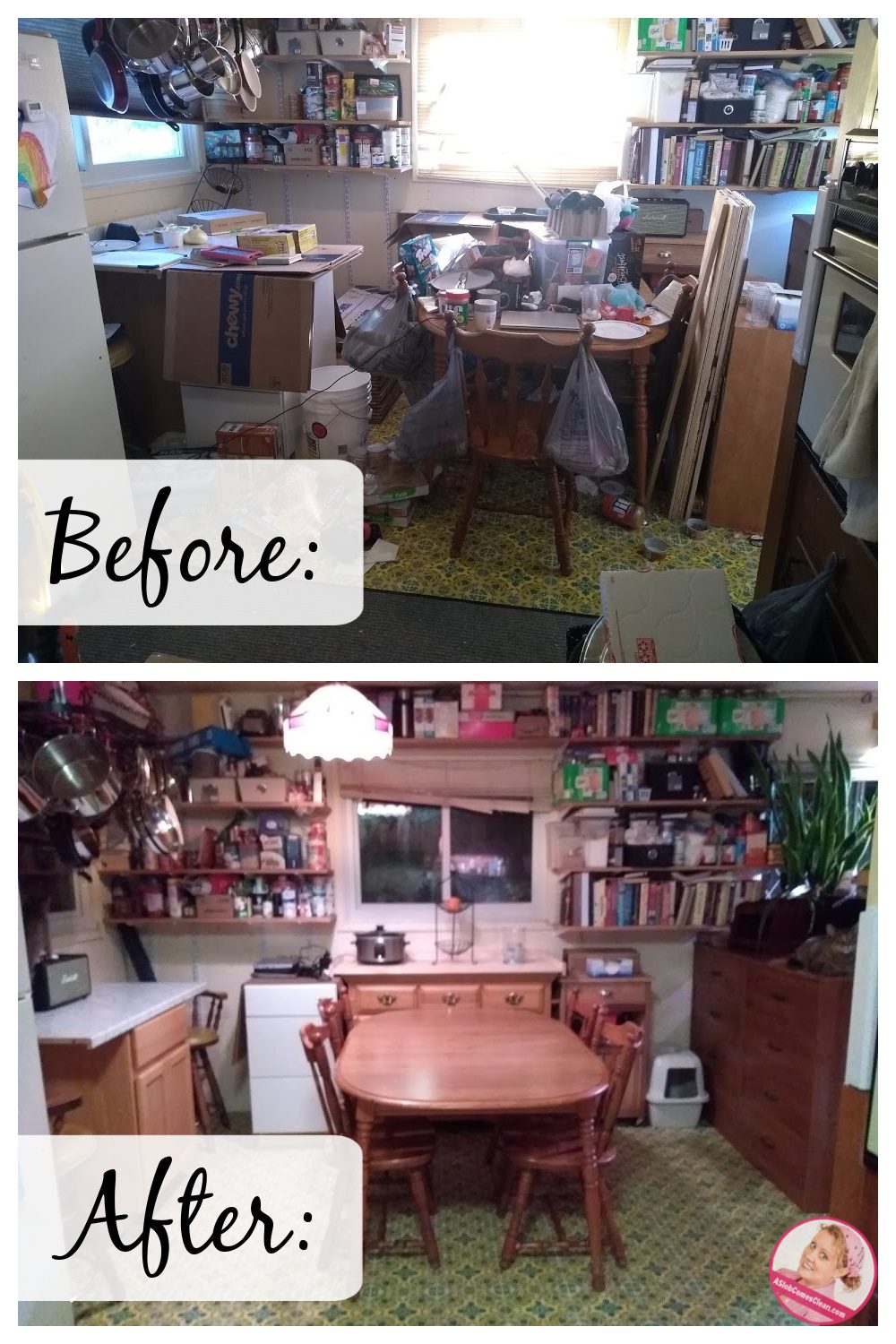
Your kitchen likely holds 300-500 food items, with 20-25% expired at any moment. Start by emptying every cabinet onto your counters. Sort into four piles: daily use (7 days), weekly use (30 days), monthly use (90 days), and long-term storage (90+ days).
The FIFO System That Stops Food Waste
Implement “first-in, first-out” rotation: new purchases go behind existing items, oldest items stay most accessible. Use painter’s tape labels: red for expiring within 30 days, yellow for 31-90 days, green for 90+ days. This visual system cuts food waste by 40-60%.
Appliance Reality Check
Appliances used less than monthly steal prime counter space worth $200-$500 in kitchen value. Create an “appliance graveyard” box—if you don’t use it in 6 months, it goes. The biggest offenders? Bread makers (used 1.2 times annually), ice cream makers (0.8 times), and specialized slicers (2.3 times).
Bedroom and Closet: The Morning Stress Reducer
Your average closet holds 120-150 clothing items, but 60-70% go unworn yearly. Start with the reverse hanger method: turn all hangers backward, only flip them forward when worn. After 6 months, backward hangers signal what can go.
Shoe Storage That Works
With 20-25 pairs per person, shoes quickly dominate closet floors. Store current season shoes in prime real estate, off-season pairs in under-bed boxes or vacuum bags. Athletic shoes follow a strict one-year rule—replace after 365 days of regular use regardless of appearance.
Jewelry Without the Tangle
Tangled necklaces cost households $200-$500 annually in damaged jewelry. Install wall-mounted organizers with individual hooks for necklaces. Use compartmentalized boxes with foam backing for earrings—no more single socks of the jewelry world.
Bathroom: The Humidity Challenge
Bathrooms contain 40-60 personal care products, with 30-40% expired at any time. The high humidity accelerates everything’s expiration date. Audit quarterly, tossing anything over 12 months old regardless of remaining product.
Cosmetic Lifespan Guidelines
- Mascara: 3 months
- Liquid foundation: 12 months
- Powder products: 24 months
- Sunscreen: 12-18 months
Use permanent markers to note opening dates on packaging. Your skin will thank you.
Digital Clutter: The Invisible Space Hog

Your smartphone holds 2,100 photos, 75 unused apps, and 6.2GB of random downloads. This invisible clutter creates real cognitive load. Tackle it quarterly like physical spaces.
Email Zero Without Tears
Unsubscribe ruthlessly using built-in unsubscribe features or Unroll.Me. Process emails immediately using the two-minute rule: respond, file, or delete within 120 seconds. Archive messages over 90 days old to separate folders.
Storage Solutions That Actually Stay Organized
Choose clear plastic bins for long-term storage—you’ll see contents without opening. Label with waterproof markers including contents and storage date. Leave 20% empty space in each container for future additions.
Vertical Space Goldmine
Wall-mounted shelving in garages increases storage capacity 200-300% while keeping cars inside. Install shelving 12-18 inches below ceiling height for seasonal items. In closets, double-hang rods at 40-inch and 80-inch heights increase hanging capacity 80-100%.
Daily Habits That Prevent Re-Clutter
The “one-touch rule” eliminates 90% of re-cluttering: handle items once—mail gets sorted immediately, dishes go straight to the dishwasher, clothes hit the hamper or hanger. Add a 10-minute nightly reset session to return everything home before bed.
Weekly Check-ins That Work
Spend 30 minutes weekly on high-impact areas: kitchen counters, entryway surfaces, bathroom vanities. Keep a donation bag in closets—add items as your preferences change. Schedule quarterly deep reviews to maintain system integrity.
Measuring Your Decluttering Success
Track these metrics to stay motivated:
– Space reclaimed: Measure before/after square footage
– Items removed: Count boxes out the door
– Money recovered: Track sales and tax deductions
– Time saved: Notice faster cleaning and item retrieval
Most people see 40-60% reduction in cleaning time post-decluttering, with corresponding stress level drops. Document these wins—they’ll keep you going when the process feels overwhelming.
When to Call the Pros
Certified Professional Organizers (CPOs) complete 1,500+ hours of training and charge $50-$150 hourly. They specialize in everything from chronic disorganization to hoarding behaviors. For complete household liquidation, estate sale companies charge 25-35% of gross sales but handle everything. Junk removal services run $100-$600 per truckload including labor.
The Bottom Line: Start with one room, one box, one decision at a time. Your brain needs these small wins to build decluttering momentum. Most households reclaim entire rooms worth of space within 30 days using these systems—no construction required. The key isn’t perfection; it’s building sustainable habits that prevent the 300,000-item avalanche from returning.