
You don’t need a fancy office or expensive lawyer to create a legally binding will—your kitchen table works perfectly. Every 30 seconds, someone dies without a will, leaving their family to navigate court battles during their most vulnerable moments. Whether you’re a single parent, newlywed, or retiree, writing your will at home protects your loved ones from chaos and ensures your hard-earned assets go exactly where you intend. This guide reveals how to craft a rock-solid will using free state forms or affordable templates, with zero legal jargon.
Most people delay estate planning because they assume it requires complex legalese or costs thousands. Reality check: 40 states permit handwritten wills, and free statutory forms exist for straightforward estates. By dedicating one focused afternoon to this task, you’ll gain priceless peace of mind knowing your children’s futures are secured and your assets won’t get tied up in probate court. Let’s transform uncertainty into action with steps you can implement today.
Verify You Qualify to Write Your Own Will
Before drafting, confirm you meet your state’s basic requirements—most adults can legally create wills without attorney involvement. You’re eligible if you’re over 18 and mentally competent to understand your assets and beneficiaries. This applies whether you’re single, married, divorced, or widowed. Crucially, parents of minor children must name guardians in their wills to prevent court-appointed custody battles.
Key eligibility markers:
– Parents of minors: Must designate both personal guardians (who raise children) and estate guardians (who manage inheritance funds)
– Modest estates: California residents with under $184,500 in assets can often bypass probate entirely
– Texas residents: Access free 2023 Supreme Court-approved forms in English/Spanish covering all marital statuses
Warning signs requiring professional help:
– Blended families with children from prior relationships
– Out-of-state real estate holdings (triggers ancillary probate)
– Business ownership interests or complex investments
– Estates exceeding federal tax thresholds ($12.92 million in 2023)
Select Your Will Format Based on Estate Complexity
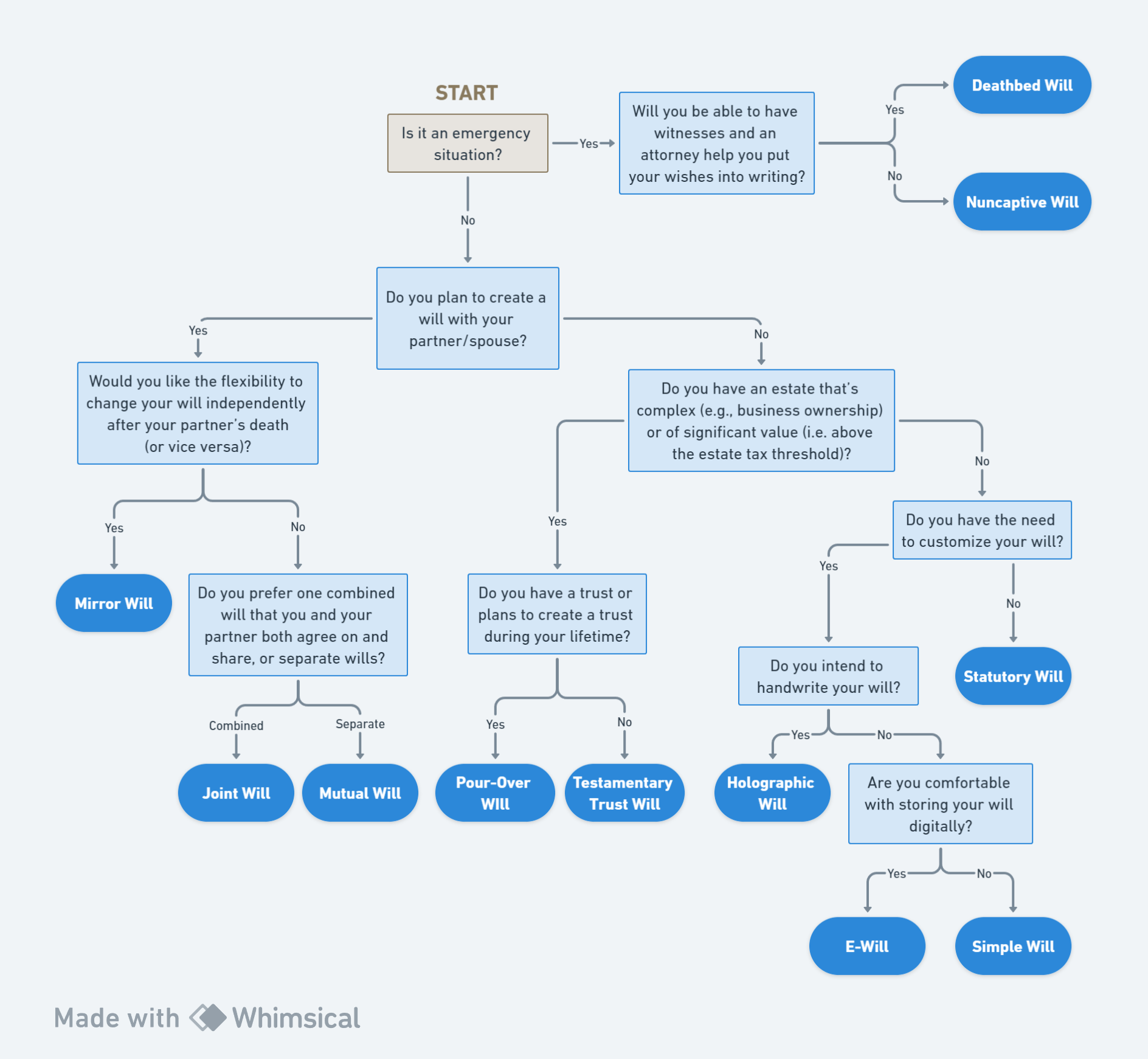
Choosing the right format prevents costly errors while matching your specific situation. Each method creates legally valid wills, but differs in protection level and execution requirements.
Statutory Forms (Zero-Cost Solution)
Texas: Download the 2023 Supreme Court statutory will from the Texas Judicial Branch website—pre-vetted for married, single, and divorced residents with straightforward estates. These include Spanish versions and require only filling blanks.
California: Use the California Statutory Will template for estates under $184,500. This fill-in-the-blank form covers asset distribution, guardianship, and executor appointments with court-approved language.
Holographic Wills (Handwritten Emergency Option)
Permitted in California and 28 other states including Texas:
– Write the entire document by hand—no typed portions allowed
– Sign and date every page in blue ink (original) and black (copies)
– California waives witness requirements, but adding two disinterested witnesses prevents future challenges
DIY Templates ($20-150 Smart Investment)
- Nolo’s Quick & Legal Will Book: Provides state-specific templates with sample clauses for blended families or minor trusts
- Online platforms: LegalZoom/Rocket Lawyer offer guided questionnaires with notary e-services
- Estate planning books: Texas-specific guides include checklists for avoiding common pitfalls like ambiguous asset descriptions
Gather Critical Documents Before Drafting
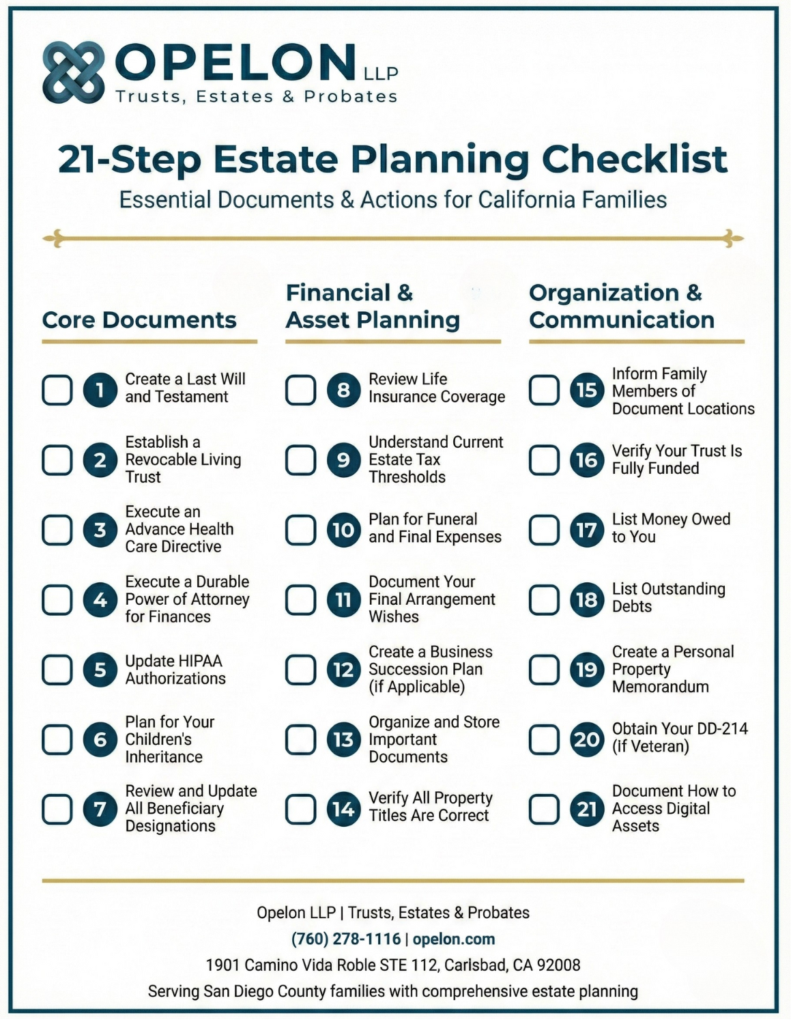
Collect these items first to prevent mid-process delays and ensure precise legal descriptions:
Asset inventory checklist:
– Property deeds with exact addresses
– Bank/investment account numbers and institutions
– Vehicle titles with VINs (e.g., “2021 Honda CR-V, VIN 5J6RE3H50NL001234”)
– Digital asset access instructions (crypto wallets, social media)
– Valuables with specifics (“14k gold wedding band, appraised $2,500”)
Personal information required:
– Full legal names of beneficiaries (no “my daughter Jane” – use “Jane Marie Smith”)
– Current addresses for all parties
– Social Security numbers for guardians/executors
– Alternate beneficiary designations for every asset
Execute Your Will with State-Specific Precision
Step 1: Inventory Assets Thoroughly
Start with high-value items: real estate, retirement accounts, life insurance policies. Include estimated values to guide beneficiary allocations. Photograph valuables with your phone and reference these images in your will (“all jewelry in bedroom safe, photos stored in encrypted cloud folder”).
Step 2: Name Beneficiaries Unambiguously
Specify exactly who gets what: “I leave my 401(k) with Fidelity (account #XXXXX) to my brother, David Alan Chen.” Always name alternates: “If David predeceases me, this goes to his children equally.”
Step 3: Choose Your Executor Strategically
Select someone organized, financially literate, and geographically accessible. Discuss responsibilities first—they’ll handle debts, taxes, and probate filings. Name two alternates in case your first choice can’t serve.
Step 4: Designate Child Guardians Thoughtfully
Name separate guardians for personal care (“who raises the kids”) and estate management (“who controls the money”). Consider health, parenting style, and willingness to serve. Backup guardians are non-negotiable.
Step 5: Include Critical Contingency Clauses
Add provisions for: simultaneous death (“if my spouse dies within 30 days…”), trusts for minors (using UTMA/UGMA), and charitable bequests. A residuary clause covers all unnamed assets: “I leave my remaining estate to…”
Step 6: Draft with Legally Valid Language
Title it “Last Will and Testament of [Your Full Legal Name].” Open with: “I, [Full Name], residing at [Address], declare this my will. I am of sound mind. I revoke all prior wills.” Avoid handwritten corrections—start fresh if errors occur.
Avoid Fatal Execution Errors
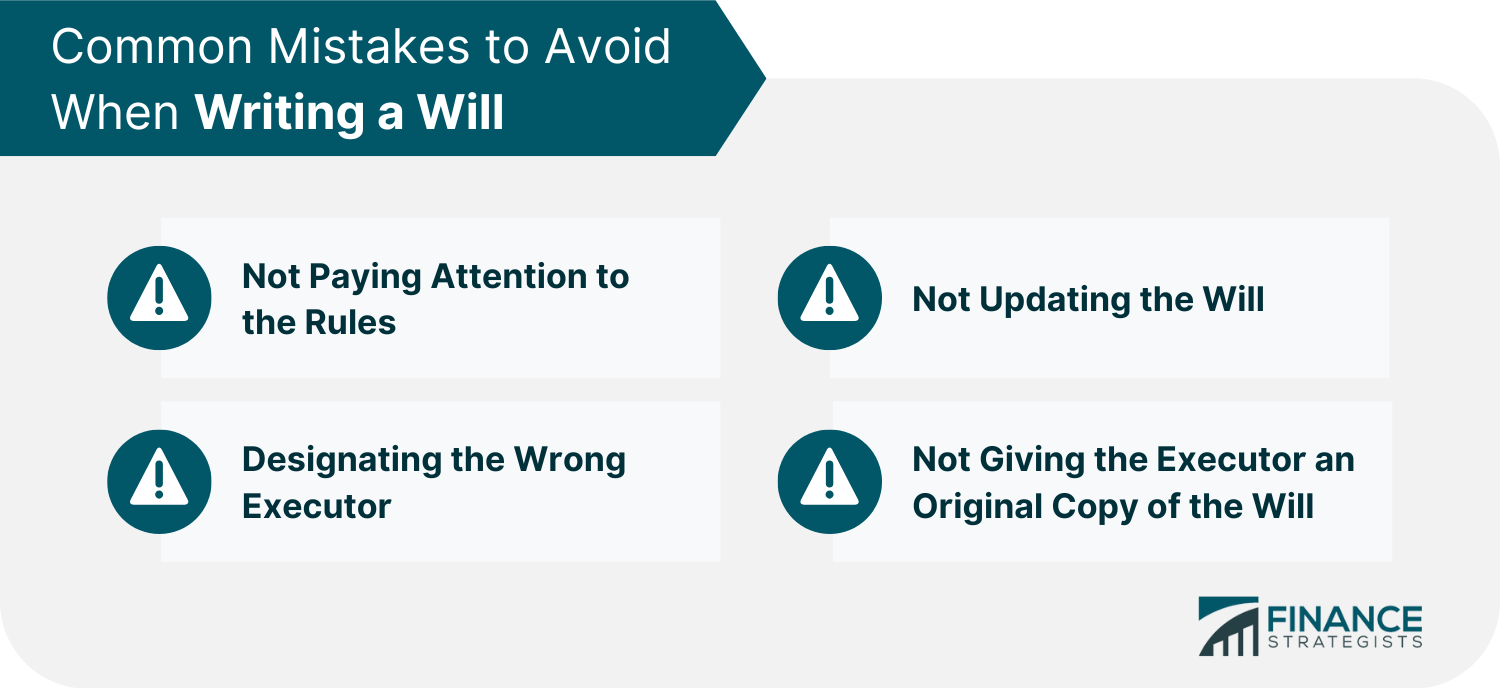
Mistakes here invalidate 70% of DIY wills. Follow your state’s rules exactly:
Texas Execution Rules
- Sign before two disinterested witnesses (non-beneficiaries) OR a notary
- Witnesses must watch you sign and print addresses clearly
- Attach a self-proving affidavit (notarized) to skip witness testimony later
California Execution Rules
- Typed wills: Require two witness signatures; notary optional
- Handwritten wills: Sign/date only (witnesses recommended)
- Never use beneficiaries as witnesses—this voids their inheritance
Universal witness requirements:
– Must be 18+ adults not related to beneficiaries
– Cannot inherit under the will
– Must observe your signature (or your acknowledgment of it)
Prevent Costly DIY Will Mistakes
Top errors that invalidate documents:
– Forgetting final signature or date
– Using vague terms like “my jewelry collection” instead of “all jewelry in bedroom safe”
– Omitting a residuary clause for leftover assets
– Storing the will where executors can’t access it post-death
Dispute-proof your language:
– Include account numbers for financial assets
– Describe property by legal address (“123 Oak St, Lot 5”)
– Use full legal names with middle initials
– Specify percentages for shared inheritances (“60% to Alex, 40% to Sam”)
Store Your Will for Guaranteed Access
Your will is useless if hidden too securely. Opt for:
1. Fireproof home safe: Ensure executor knows combination
2. Bank safe deposit box: Add executor as authorized signer
3. Attorney storage: Many provide free safekeeping after review
Critical communication steps:
– Give original to executor (not a copy)
– Provide guardians with their appointment documents
– Tell three family members storage location
– Store digital backup in encrypted cloud with password in sealed envelope
Create Essential Companion Documents
| Document | Purpose | DIY Cost | When Critical |
|---|---|---|---|
| Durable Power of Attorney | Manage finances during incapacity | $0-50 | Before medical emergencies |
| Advance Health Care Directive | Medical treatment instructions | Free (state forms) | Before hospitalization |
| Transfer on Death Deed | Bypass probate for real estate | $25-100 | For out-of-state property |
| Caregiver Authorization | Temporary child care decisions | $0 | When traveling without kids |
Update Your Will After Life Changes
Review every 3 years or immediately after:
– Marriage, divorce, or death in family
– Birth/adoption of children
– Major asset changes (home purchase, inheritance)
– Moving to a new state (laws differ significantly)
Update methods:
– Create new will (automatically revokes old one)
– Add codicil for minor changes (e.g., new executor)
– Destroy all old copies securely after updating
Cost Comparison: DIY vs. Professional
| Method | Total Cost | Best For |
|---|---|---|
| Handwritten will | $0 | Simple estates, California residents |
| State statutory form | $0-15 | Texas/CA residents with basic needs |
| Online template | $20-150 | Most straightforward estates |
| Attorney review | $200-500 | Complex family situations |
| Full attorney draft | $500-1,500+ | Large/tax-sensitive estates |
Final Verification Checklist
- Complete: Every blank filled, no crossed-out sections
- Review: All names/addresses match legal documents
- Execute: Signed with required witnesses/notary
- Store: Original in accessible fireproof location
- Communicate: Executor knows document location
- Update: Calendar reminder set for 3 years
Writing your will at home takes just hours but protects your family for generations. Start tonight with your state’s free statutory form—you’ll sleep better knowing your children’s futures are secured exactly as you intend. When life’s uncertainties hit, your handwritten instructions become the ultimate gift of clarity for those you love most.