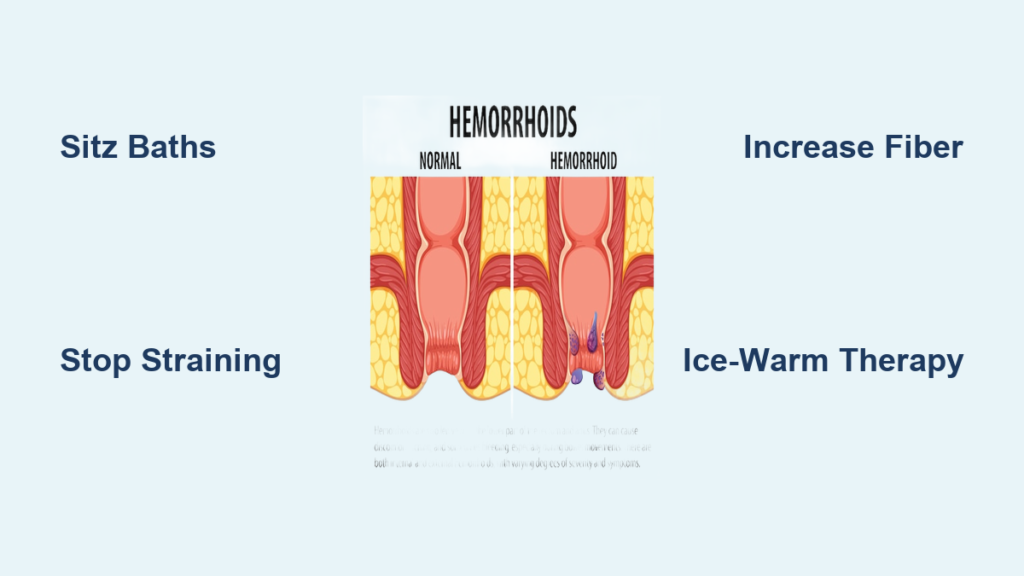
That burning, itching sensation making every bathroom trip a nightmare? You’re not alone—millions deal with swollen hemorrhoids that turn simple daily activities into painful ordeals. While piles rarely threaten your overall health, they can absolutely destroy your quality of life with bleeding, itching, and sharp pain that makes sitting uncomfortable. The good news: most hemorrhoids respond dramatically to simple home treatments. You don’t need expensive procedures or prescription medications to find relief. By combining targeted therapies with strategic lifestyle changes, you can shrink swollen veins and prevent future flare-ups—all from your own bathroom. This guide delivers exactly how to fix piles at home with proven, doctor-recommended techniques that provide noticeable improvement within days.
Sitz Bath Protocol for Immediate Symptom Relief
:max_bytes(150000):strip_icc()/Lines-Health-Sitz-Bath-green-horiz-bd02bbc3d3ca46928937d1db7bdf92bc.jpg)
Warm water therapy remains the most effective immediate treatment for hemorrhoid discomfort. Fill your bathtub with 8-10 centimeters of warm water—just enough to cover your hips when sitting. Submerge your anal area for 15-20 minutes, three times daily, plus after every bowel movement. The warm water provides dual therapeutic benefits: immediate pain relief through muscle relaxation and significant reduction of itching sensations through improved blood circulation and cleansing of the affected area.
Temperature matters: Aim for bath-water warmth, not scalding hot. Test with your wrist first to prevent burns on sensitive tissue. Skip fragranced bath products—plain Epsom salts are acceptable if available, but avoid dyes or perfumes that irritate already inflamed skin.
Ice-Warm Contrast Therapy for Swollen Hemorrhoids
For throbbing, inflamed hemorrhoids, alternate between cold and warm treatments to maximize relief. Begin by applying an ice pack (wrapped in thin cloth) for 10 minutes to constrict blood vessels and reduce swelling. Follow immediately with a warm compress for 10-20 minutes to promote healing blood flow. Repeat this cycle 2-3 times daily for optimal results.
Critical safety note: Never apply ice directly to skin—always use a barrier cloth. The contrast therapy reduces inflammation through vasoconstriction during cold application, then triggers healing responses during warmth. This technique works particularly well for external hemorrhoids that feel hot and swollen to the touch.
Stop Straining: Essential Toilet Habits That Heal

Straining during bathroom visits directly worsens hemorrhoids by increasing pressure on rectal veins. Transform your toilet habits with these immediate changes that address the root cause of most hemorrhoid flare-ups. When nature calls, answer immediately—delaying bowel movements allows stools to harden, making elimination more difficult and increasing pressure on already swollen veins.
Breathe don’t push: During elimination, maintain steady breathing—never hold your breath. This creates dangerous intra-abdominal pressure that inflames hemorrhoidal tissue. Instead, allow natural processes to occur while focusing on relaxed, rhythmic breathing. Exit the toilet immediately after finishing—extended sitting increases anal pressure and worsens symptoms. Reading or scrolling on your phone? Save it for the couch.
Fiber Strategy That Actually Works for Hemorrhoid Relief
Increase dietary fiber gradually over 7-10 days to prevent gas and bloating while softening stools. Target 25-30 grams daily through strategic food choices: Start your day with 1 cup oatmeal (4g fiber) plus berries (3g), snack on an apple with skin (4g) and almonds (3g), include a large salad with beans (8g) at lunch, and finish with steamed broccoli (5g) and quinoa (3g) at dinner.
Critical warning: Boosting fiber without adequate water makes constipation worse—drink 8-10 glasses daily. Fiber absorbs water to create bulkier, softer stools that pass easily without straining. Many people make the mistake of adding too much fiber too quickly, causing painful gas and bloating that actually increases hemorrhoid pressure.
Targeted Pain Management Without Prescription Medications

Over-the-counter options provide significant relief when used correctly and strategically. Apply 1% hydrocortisone cream sparingly to external hemorrhoids 2-3 times daily for no more than 7 days. This reduces inflammation but overuse thins skin and worsens symptoms long-term. Alcohol-free witch hazel pads soothe and reduce inflammation—apply after each bowel movement and as needed throughout the day when itching intensifies.
Smart medication choice: Acetaminophen (325-650mg every 4-6 hours) provides safe pain relief for most people. Avoid ibuprofen—it increases bleeding risk with hemorrhoids. For severe discomfort, try a topical hemorrhoid cream containing lidocaine for immediate numbing effect, but use only as directed to prevent skin irritation.
When to Contact Your Doctor Before Using Pain Medication
Before starting any pain medication regimen, especially if you take blood thinners or have other health conditions, contact your healthcare provider. The nurse advice line (811 in most provinces) offers immediate guidance on safe medication choices. Certain medications that seem harmless may interact with your existing prescriptions or medical conditions, potentially worsening hemorrhoid symptoms or causing other complications.
3-Day Symptom Monitoring Protocol
Track your progress systematically to determine if home treatments are working or if medical intervention is needed. On Day 1, establish your baseline—note bleeding amount (spotting, streaks, or significant blood), pain level (1-10 scale), and frequency of symptoms. Day 2 requires consistent treatment application while looking for decreased bleeding and reduced pain intensity. By Days 3-4, symptoms should show measurable improvement—if bleeding increases, pain escalates, or no change occurs, seek medical attention immediately.
Emergency red flags requiring 911: Maroon-colored or very bloody stools indicate significant bleeding. Dizziness or weakness accompanying bleeding signals potential blood loss. Severe, sudden pain that doesn’t respond to home treatments may indicate a thrombosed hemorrhoid requiring urgent medical care. Never ignore worsening symptoms—these indicate potential complications requiring professional intervention.
Prevent Future Hemorrhoid Flare-Ups Permanently
Once acute symptoms resolve, maintain these habits to prevent recurrence. Continue daily sitz baths even after symptoms clear—they maintain healthy circulation in the anal area. Keep dietary fiber at 25-30 grams with adequate hydration to ensure soft, easy-to-pass stools. Commit to 30 minutes of walking daily to improve circulation and prevent constipation. If overweight, focus on gradual weight management—excess abdominal weight increases rectal vein pressure significantly.
Bathroom Setup for Long-Term Hemorrhoid Prevention
Create an environment that prevents straining with these simple modifications. Place a 6-8 inch footstool under your feet while on the toilet to mimic the natural squatting position, which aligns your rectum for easier elimination. Schedule bathroom visits after breakfast when the gastrocolic reflex is strongest—this natural bodily response makes elimination easier. Keep witch hazel pads and hemorrhoid cream accessible for immediate post-movement care to maintain cleanliness and prevent irritation.
When Home Treatment Fails: Knowing Next Steps
If your symptoms haven’t improved after 4 days of consistent home treatment, contact your healthcare provider. Persistent symptoms may require prescription-strength topical medications with higher concentrations of active ingredients. For internal hemorrhoids that don’t respond to conservative treatment, your doctor may recommend rubber band ligation—a quick outpatient procedure where a small rubber band cuts off blood supply to the hemorrhoid. Infrared coagulation therapy uses heat to shrink hemorrhoidal tissue and provides another effective option when home remedies fail.
Critical insight: Many people wait too long to seek professional help, suffering unnecessarily when simple office procedures could provide immediate relief. Don’t hesitate to contact your healthcare provider if home treatments aren’t working within the expected timeframe—they’ve seen this condition countless times and can offer solutions you might not have considered.
Immediate Action Plan for Hemorrhoid Relief
Today’s critical steps: Start sitz baths three times daily plus after each bowel movement. Increase water intake to 10 glasses minimum. Begin fiber boost gradually to avoid gas and bloating. Apply topical treatments as directed, focusing on proper technique and frequency.
This week’s focus: Monitor symptoms daily using a simple journal to track progress. Adjust fiber intake based on your body’s response—some need more, others less. Maintain consistent treatment schedule without skipping sessions. Schedule follow-up if no improvement by day 4.
Long-term maintenance: Keep high-fiber diet as permanent lifestyle change, not temporary fix. Maintain daily hydration goals even when symptoms disappear. Continue preventive bathroom habits indefinitely. Establish regular exercise routine specifically targeting circulation improvement.
Remember, while these home treatments resolve most hemorrhoid cases, your healthcare provider remains your best resource for personalized guidance. Keep their contact information handy, and don’t hesitate to reach out with questions between scheduled appointments. Most importantly, understand that piles are incredibly common—millions experience this condition, and with proper treatment, you can find relief faster than you think. Consistent application of these techniques delivers results, but patience and persistence are key as your body heals.