
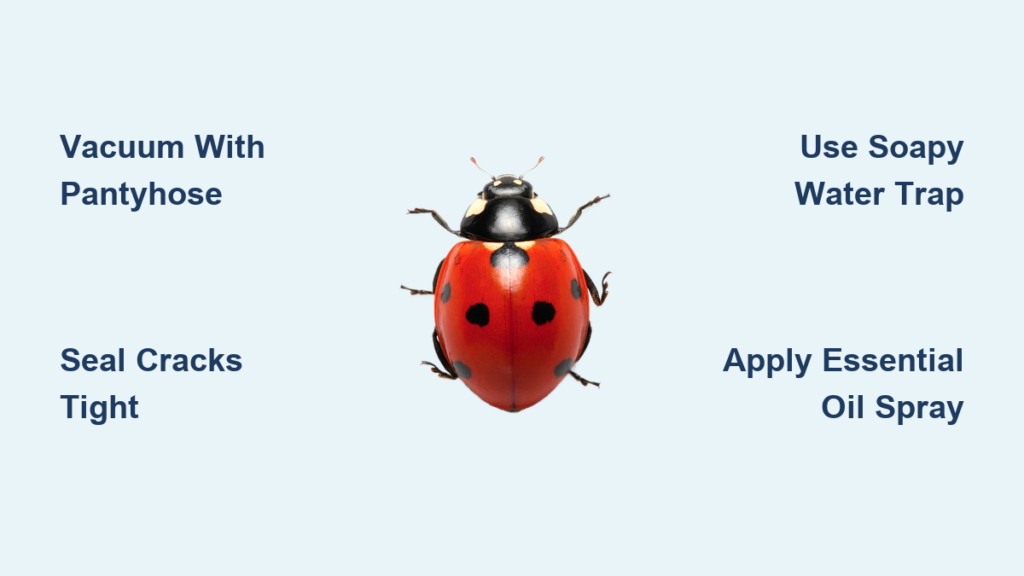
Finding clusters of orange beetles crawling across your windowsills or ceilings transforms your peaceful home into an unexpected insect exhibit. While native ladybugs are garden heroes, the invasive Asian lady beetles that invade homes by the hundreds become a serious nuisance—staining surfaces with foul-smelling secretions and triggering allergies. The good news? You can eliminate these uninvited guests using targeted methods that work now, whether you’re dealing with a few stragglers or a full-scale infestation. This guide reveals exactly how to get rid of ladybugs in home environments using science-backed techniques that protect your family and preserve beneficial insects outdoors.
Stop wasting time on ineffective folklore remedies. You’ll discover why standard bug sprays fail against these resilient beetles, how to seal your home against future invasions before the first frost, and which natural removal method kills ladybugs instantly without toxic chemicals. Most importantly, you’ll learn the critical seasonal timing that makes prevention 90% more effective.
Eliminate Ladybug Infestations Immediately
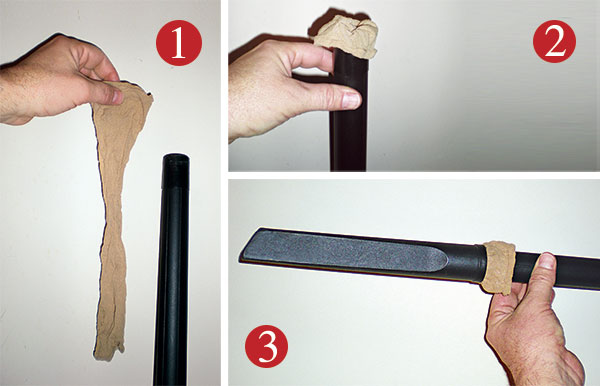
Vacuum Collection Technique That Works
Skip the messy squishing—use your vacuum to remove live ladybugs safely and efficiently. Attach the hose to your vacuum cleaner and secure a piece of pantyhose over the end with a rubber band. The fabric traps beetles while preventing them from reaching the dust bag. Immediately empty the vacuum container outdoors at least 100 yards from your home to prevent re-entry. Never crush ladybugs during removal; their defensive yellow fluid stains walls and carpets permanently and attracts more beetles through pheromone trails.
Pro Tip: Run the vacuum at low suction to avoid damaging delicate window seals. For hard-to-reach ceiling clusters, use an extension wand with the pantyhose attachment.
Light Trap Setup for Overnight Results
Ladybugs navigate by light, making this trap devastatingly effective. Place a shallow pan filled with soapy water (1 tsp dish soap per quart of water) beneath a white desk lamp in your darkest room. Turn off all other lights and position the lamp 6 inches above the water. By morning, drowned beetles will fill the pan. Empty and refresh the solution daily during peak infestation periods. This method safely eliminates hundreds overnight without chemicals.
Seal Entry Points Before First Frost
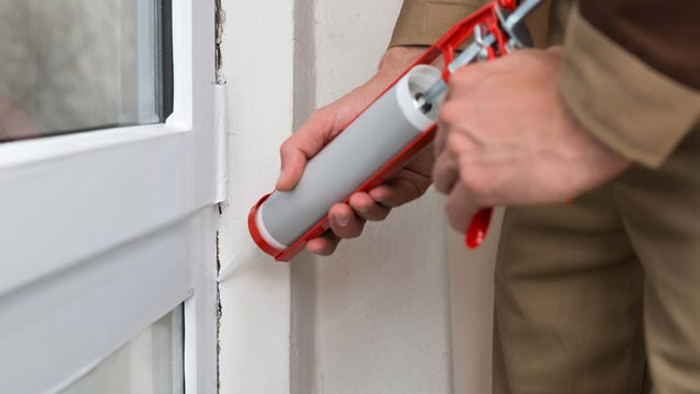
Caulk Gaps Larger Than a Credit Card
Asian lady beetles squeeze through cracks as narrow as 1/16 inch—about the thickness of a credit card. Inspect your home’s exterior before September using this critical checklist:
– Window frames: Inject silicone caulk into gaps where frames meet siding
– Foundation cracks: Seal vertical fissures with acrylic latex caulk
– Utility lines: Fill gaps around pipes and wires with copper mesh before caulking
– Siding joints: Pay special attention to corners and roofline connections
For gaps wider than 1/4 inch, insert foam backer rod first to create a solid base for the caulk. This single step blocks 90% of entry points according to entomology studies.
Weatherstripping That Actually Stops Beetles
Most homes fail here—standard foam weatherstripping compresses within months, creating beetle highways. Install these beetle-proof solutions:
– Door sweeps: Choose aluminum models with bristle inserts that seal gaps under doors
– V-seal weatherstripping: Replace worn strips on windows with compression-style V-seals
– Threshold seals: Install adjustable door thresholds that eliminate gaps at entry points
Test your seals by closing a dollar bill in window/door frames—if you pull it out easily, the seal needs replacement. South-facing doors require the tightest seals since ladybugs target sun-warmed surfaces.
Natural Repellents That Deter Without Toxins
Essential Oil Barrier Spray Recipe
Create a powerful repellent using ingredients from your pantry: Mix 10 drops each of citronella, clove, and citrus essential oils with 1 cup water and 1 tsp dish soap (the emulsifier). Spray this solution along window sills, door thresholds, and baseboards where beetles cluster. The oils disrupt their pheromone trails while the soap dissolves their protective waxy coating. Reapply every 48 hours during active invasion periods.
Warning: Always test on inconspicuous areas first—citrus oils can damage some wood finishes. Avoid spraying near pets.
Strategic Planting to Repel Ladybugs
Ladybugs avoid certain plants that mask the aphid scents they follow. Plant these at least 2 feet from your foundation:
– Chrysanthemums: Contain natural pyrethrins that repel beetles
– Marigolds: Emit odors confusing to ladybug navigation
– Garlic: Crush cloves and scatter near entry points for instant deterrence
Trim all vegetation away from your home’s exterior—beetles use branches as bridges to reach windows.
Chemical Control for Severe Infestations
Indoor Soap Spray Knockdown Method
For instant elimination of visible beetles, mix 2 tbsp pure castile soap with 1 quart water in a spray bottle. Spray directly on beetles—they’ll die within minutes as the soap dissolves their exoskeletons. This solution leaves no toxic residue and is safe around children when dry. Always test on a hidden surface first, especially on painted wood.
Never use: Household insecticides containing DEET—they repel but don’t kill ladybugs and increase indoor staining risks.
Perimeter Defense Barrier Application
Stop beetles before they reach your walls using professional-grade residual sprays. Apply bifenthrin-based insecticides in a 3-foot band around your foundation in late August—before beetles begin seeking shelter. Focus on:
– Soil along foundation walls
– Lower 3 feet of siding
– Window and door frames from the outside
Reapply every 30 days until first frost. Granular formulations last longer around plant beds than liquid sprays. Avoid spraying during rain or high winds.
Professional Intervention Triggers
When DIY Fails: Critical Warning Signs
Call pest control professionals immediately if you notice:
– Over 100 beetles daily despite sealing efforts
– Musty odor in walls (indicating large hidden colonies)
– Yellow stains on light-colored surfaces
– Allergic reactions like asthma attacks or skin rashes
Multi-unit buildings require professional help due to shared wall voids—beetles migrate between apartments through electrical conduits.
What Professionals Do Differently
Licensed exterminators use industrial methods unavailable to homeowners:
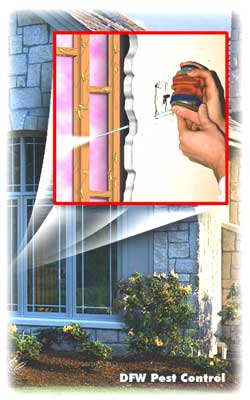
– Wall void injections: Dust formulations reach beetles hidden in insulation
– Attic fogging: Kills clusters in inaccessible spaces
– Pheromone traps: Disrupt beetle communication systems
– Structural sealing: Permanent exclusion using commercial-grade materials
Expect $150-$400 for initial treatment, but seasonal service plans prevent recurring costs.
Spring Prevention Protocol
Your 4-Step Seasonal Maintenance
March: Inspect caulk lines for winter cracks; replace damaged weatherstripping
June: Trim trees/shrubs 24+ inches from house; apply first perimeter treatment
September: Conduct final seal check before first frost; install temporary vent screens
December: Monitor south-facing windows; deploy light traps at first sighting
Pro Tip: Keep a “ladybug log” noting entry points and numbers—this data reveals hidden vulnerabilities for next year’s prevention.
Monitoring Systems That Catch Infestations Early
Place yellow sticky traps near all south-facing windows starting in August. Check weekly for early arrivals. Monitor exterior walls on warm winter days—clustering beetles indicate pheromone trails for future invasions. The moment you spot three or more beetles, implement your full prevention protocol. Early action prevents the 10,000-beetle infestations homeowners dread.
Final Takeaway: Successfully getting rid of ladybugs in home environments requires immediate removal and strategic prevention timed to their seasonal cycles. Start by vacuuming live beetles today using the pantyhose method, then seal every crack wider than a credit card before next August. Implement the essential oil barrier during active infestations, and establish your seasonal prevention calendar now—especially the critical September perimeter treatment. Within 30 days of consistent action, you’ll reclaim your home from these persistent invaders. Remember: The most effective solution isn’t just killing ladybugs—it’s making your home invisible to them through year-round structural defense.



