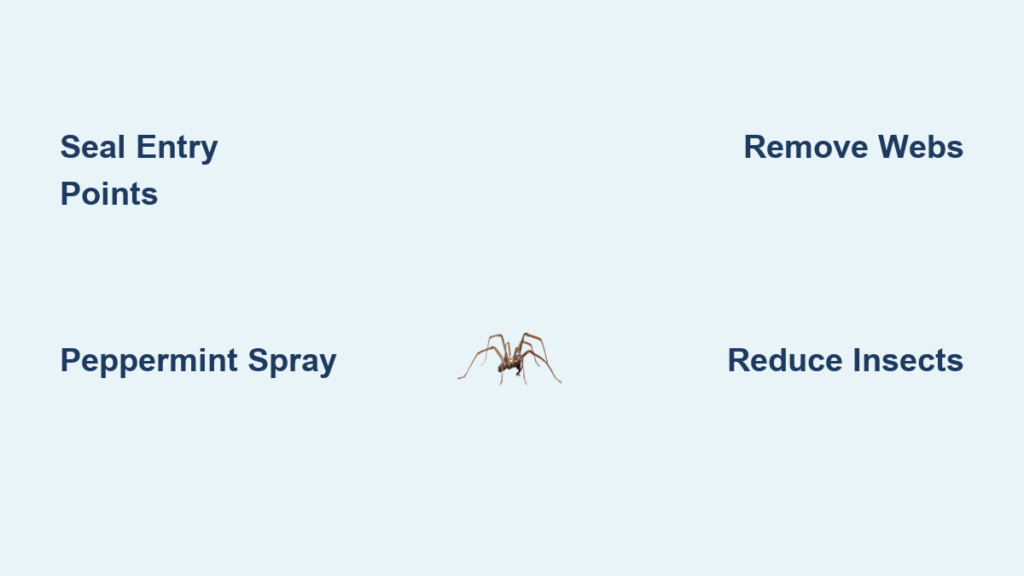
That sudden skitter across your bathroom floor. The sticky surprise when you reach into a rarely used cabinet. Webs materializing overnight in corners you swear you cleaned yesterday. If you’re battling uninvited eight-legged roommates, you’re not alone—nearly 70% of homes host spiders year-round. The good news? You can effectively get rid of spiders at home without toxic chemicals or costly exterminators. This guide reveals scientifically backed natural methods that eliminate existing spiders while creating long-term barriers they won’t cross. Within 30 days of implementing these strategies, most homeowners report 80-90% fewer sightings.
Seal Every Spider-Sized Entry Point Now
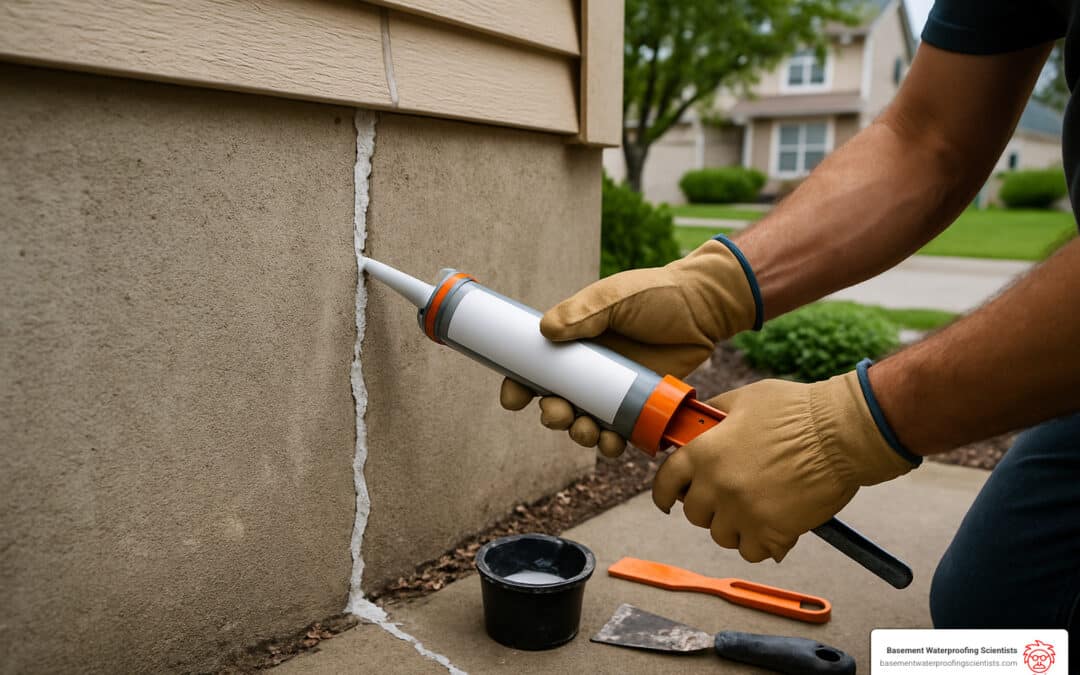
Spiders infiltrate through gaps smaller than a credit card edge—just 1/16 inch provides highway access. Your home likely has dozens of these microscopic doorways, especially around utility penetrations where pipes and cables enter. Start your spider defense by conducting a flashlight inspection of all potential entry zones during daylight hours when spiders hide.
Critical Entry Points to Check Immediately
- Window frames: Run your finger along seals—if you feel drafts, spiders are getting through
- Door sweeps: Place a dollar bill under exterior doors—if you pull it out easily, replace the sweep
- Foundation cracks: Shine light along basement walls looking for spider silk trails
- Vent covers: Inspect dryer and bathroom vents for missing or damaged screens
Emergency sealing protocol: Apply silicone caulk to foundation cracks (dries waterproof in 24 hours), install brush-style door sweeps (blocks gaps up to 1/2 inch), and cover vents with 16-mesh screens. For immediate relief, stuff steel wool into larger gaps—spiders can’t chew through it—then seal with caulk.
Natural Repellents That Outperform Chemical Sprays
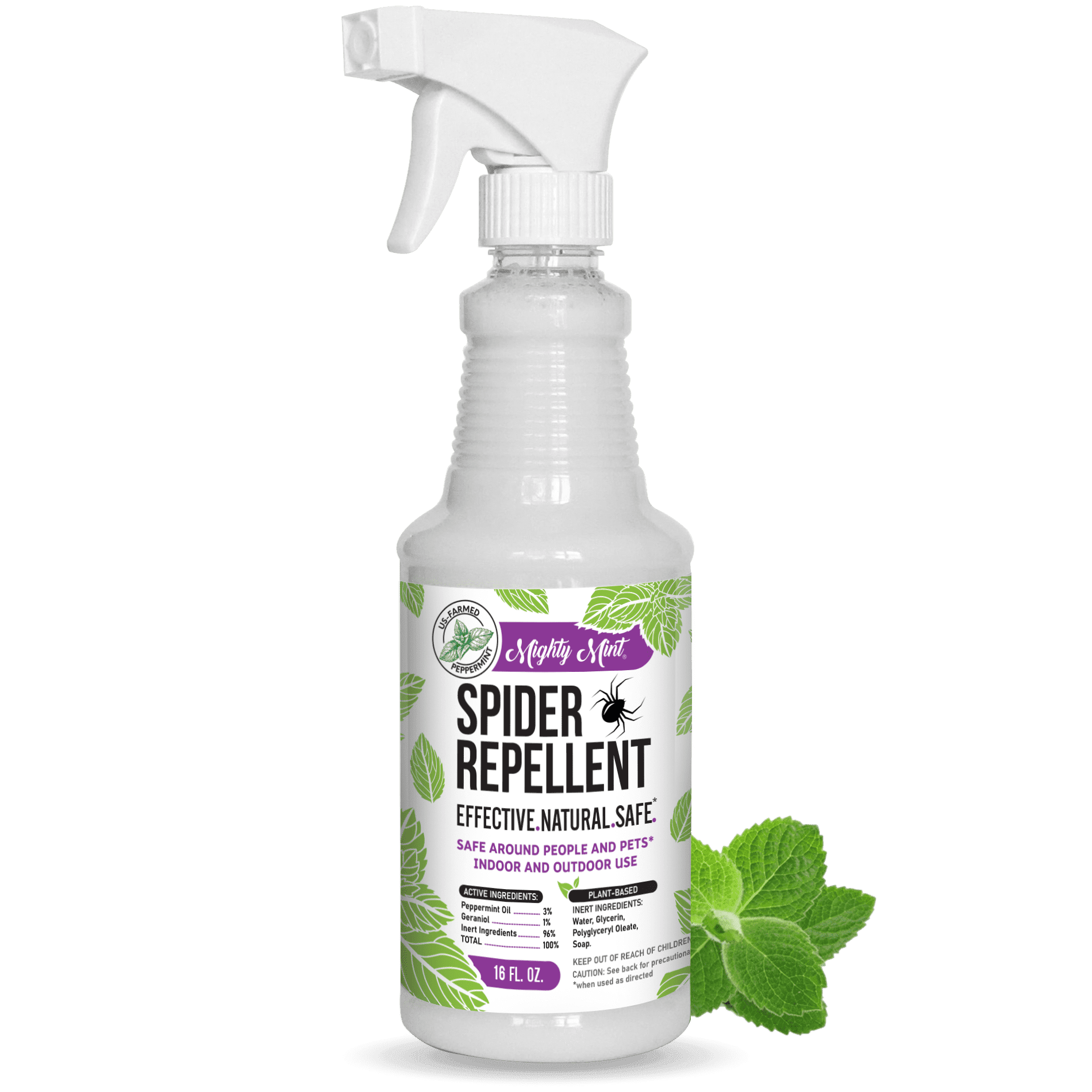
Forget pesticide risks—your pantry holds spider deterrents proven more effective than store-bought sprays. Peppermint oil disrupts spiders’ nervous systems through scent receptors, while vinegar’s acetic acid dissolves their silk trails. These solutions work because they target spiders’ primary navigation system: chemical pheromones.
DIY Peppermint Power Spray
Combine 20 drops pure peppermint essential oil with 16 oz water in a glass spray bottle (plastic degrades with oils). Target window frames, baseboards, and closet corners—reapply every 48 hours during peak season (August-October). For stubborn infestations, add 1 tsp dish soap to break surface tension so spiders can’t climb treated surfaces.
Vinegar Web Elimination System
Mix equal parts white vinegar and water in a spray bottle. Spray directly on webs—vinegar dissolves the pheromone trails that attract more spiders. Wipe clean with microfiber cloth (paper towels leave residue). Apply weekly to corners and ceiling joints; spiders won’t rebuild in treated zones due to the lingering scent barrier.
Cedar Block Placement Strategy
Position untreated cedar blocks in these spider hotspots:
– Closets: One block per shelf (replace every 6 months)
– Under sinks: Two blocks near plumbing entry points
– Attic storage: Scatter 4-5 blocks among stored items
– Basement corners: Place blocks every 10 feet along walls
Pro tip: Add 5 drops cedar essential oil to blocks monthly to boost effectiveness. Avoid treated cedar—it loses repellent properties faster.
Web Removal That Breaks Spider Communication
Spider silk contains pheromones that signal “safe zone” to other spiders—removing webs completely disrupts this chemical network. Vacuuming is most effective because it simultaneously removes webs, egg sacs, and spiders while eliminating scent trails.
Safe Web Removal Protocol
- Vacuum method: Use hose attachment on lowest suction setting—empty canister immediately outdoors
- High-reach technique: Attach microfiber cloth to extendable duster for ceiling corners
- Baseboard cleaning: Wrap cloth around broom handle to dislodge silk in tight spaces
- Critical timing: Remove webs every 7 days during spider season (late summer through fall)
Warning: Never use bare hands—some spiders play dead then bite when handled. Always wear gloves during cleanup.
Starve Spiders by Eliminating Their Food Supply

Spiders follow insects like mosquitoes follow carbon dioxide. Cutting their food supply makes your home uninhabitable. Most homeowners don’t realize that reducing indoor insects by 50% typically eliminates 90% of spider activity within weeks.
Indoor Insect Reduction Tactics
- Kitchen: Store all food in airtight containers (spiders eat pantry moths and ants)
- Bathroom: Fix dripping faucets—moisture attracts springtails spiders hunt
- Basement: Run dehumidifier below 50% humidity (spiders need moisture to survive)
- Storage: Replace cardboard boxes with plastic bins (cardboard harbors booklice)
Outdoor Habitat Destruction
- Vegetation: Maintain 18-inch clearance between plants and house walls
- Lighting: Swap white bulbs for yellow sodium vapor lights (reduces insect attraction by 70%)
- Firewood: Store 20+ feet from house on elevated racks (never against walls)
- Debris: Remove leaf piles within 3 feet of foundation weekly
Room-by-Room Spider Eradication Plan

Generic solutions fail because spiders occupy different zones based on species. Target your efforts where specific spiders thrive—common house spiders haunt closets while cellar spiders prefer damp basements.
Kitchen Defense System
Spray peppermint oil along baseboards nightly after cleaning. Place citrus peels (lemon/grapefruit) in cabinet back corners—citrus oils repel both spiders and their insect prey. Vacuum under appliances weekly since crumbs attract spiders’ food sources.
Bedroom Protection Protocol
Position cedar blocks under beds and in closets (spiders love undisturbed fabric). Vacuum under beds weekly—this spider hotspot is often neglected. Check curtain folds monthly; spiders lay egg sacs in dusty fabric pleats.
Bathroom Moisture Control
Run exhaust fans during and 20 minutes after showers to maintain humidity below 50%. Spray vinegar solution around toilet base and under sinks weekly. Replace shower curtains showing webs—fabric traps moisture spiders need.
Emergency Spider Response for Active Infestations
When you spot multiple webs daily or egg sacs (small white silk balls), immediate action prevents population explosions. Spiders can lay 200+ eggs per sac—delaying treatment guarantees more invaders.
24-Hour Infestation Protocol
- Vacuum all visible spiders/webs—focus on corners and ceiling joints
- Spray entry zones with peppermint oil solution (windows, doors, baseboards)
- Seal gaps with temporary caulk around pipes and vents
- Deploy sticky traps along walls to catch stragglers
- Schedule deep clean within 48 hours—spiders hide in clutter
Critical: Check under furniture and behind appliances—these dark zones harbor 80% of breeding spiders.
Seasonal Prevention That Stops Spiders Year-Round
Spiders behave differently by season—your strategy must adapt. Late summer through fall brings “spider season” when males search for mates, while winter spiders seek warmth indoors.
Fall Action Plan (September-November)
- Daily: Remove new webs within 1 hour of discovery
- Weekly: Seal foundation cracks with expanding foam
- Bi-weekly: Replenish cedar blocks in storage areas
- Monthly: Trim vegetation 12+ inches from house
Winter Maintenance (December-February)
- Bi-weekly: Check storage areas for egg sacs
- Monthly: Vacuum ceiling corners in unused rooms
- Quarterly: Refresh peppermint oil in closets
- As needed: Replace dehumidifier filters in basements
Monitor Success With Proven Tracking Methods
Effective spider control requires measuring what works in your specific home. Simple monitoring prevents reinfestation and identifies problem zones before they escalate.
Weekly Inspection Routine
- Mondays: Check basement corners and storage areas with LED flashlight
- Wednesdays: Inspect kitchen cabinets and bathroom for new webs
- Fridays: Vacuum living areas while checking baseboards
- Monthly: Walk property perimeter examining foundation cracks
Success indicators: Zero new webs for 14+ days, empty sticky traps, reduced insect sightings near windows. If you see improvement within 2 weeks, maintain current methods. If not, intensify peppermint oil applications and check door seals.
Long-Term Spider Prevention Mindset
Lasting spider control isn’t a one-time fix—it’s integrating simple habits into your home routine. The most spider-free homes treat prevention like brushing teeth: consistent, non-negotiable, and taking less than 10 minutes weekly.
Adopt these permanent practices:
– Weekly 10-minute web patrol (combine with trash duty)
– Seasonal sealing during weather changes (spring/fall)
– Natural deterrent restocking during grocery runs
– Continuous humidity control (45-50% in basements)
Remember: Most house spiders are beneficial predators eating mosquitoes and flies. Your goal isn’t total elimination but maintaining comfortable population levels. Within 30 days of consistent implementation, you’ll transform your home from spider sanctuary to unwelcome territory—naturally and safely. Start tonight by spraying peppermint oil along your bedroom doorframe; tomorrow, check for webs before they anchor chemical trails. Your spider-free home begins with one targeted action.