Spotting a single ant on your kitchen counter might seem harmless, but it’s actually a distress signal from an entire colony. That lone scout has already established a chemical highway leading straight to your pantry, and within days, dozens more will follow. Ants exploit the tiniest vulnerabilities in your home’s defenses—hairline cracks in foundations, gaps around pipes, and even spaces behind baseboards become superhighways for these persistent invaders. The good news is you don’t need to surrender your living space to these six-legged squatters.
This guide delivers actionable strategies that eliminate ants at their source rather than just chasing visible workers. You’ll discover exactly where to find entry points that escape casual inspection, how to destroy the invisible scent trails guiding thousands more ants to your food, and which natural remedies actually penetrate deep into hidden colonies. Most importantly, you’ll learn permanent sealing techniques that prevent next season’s invasion before it begins.
Identify Ant Entry Points Before They Multiply
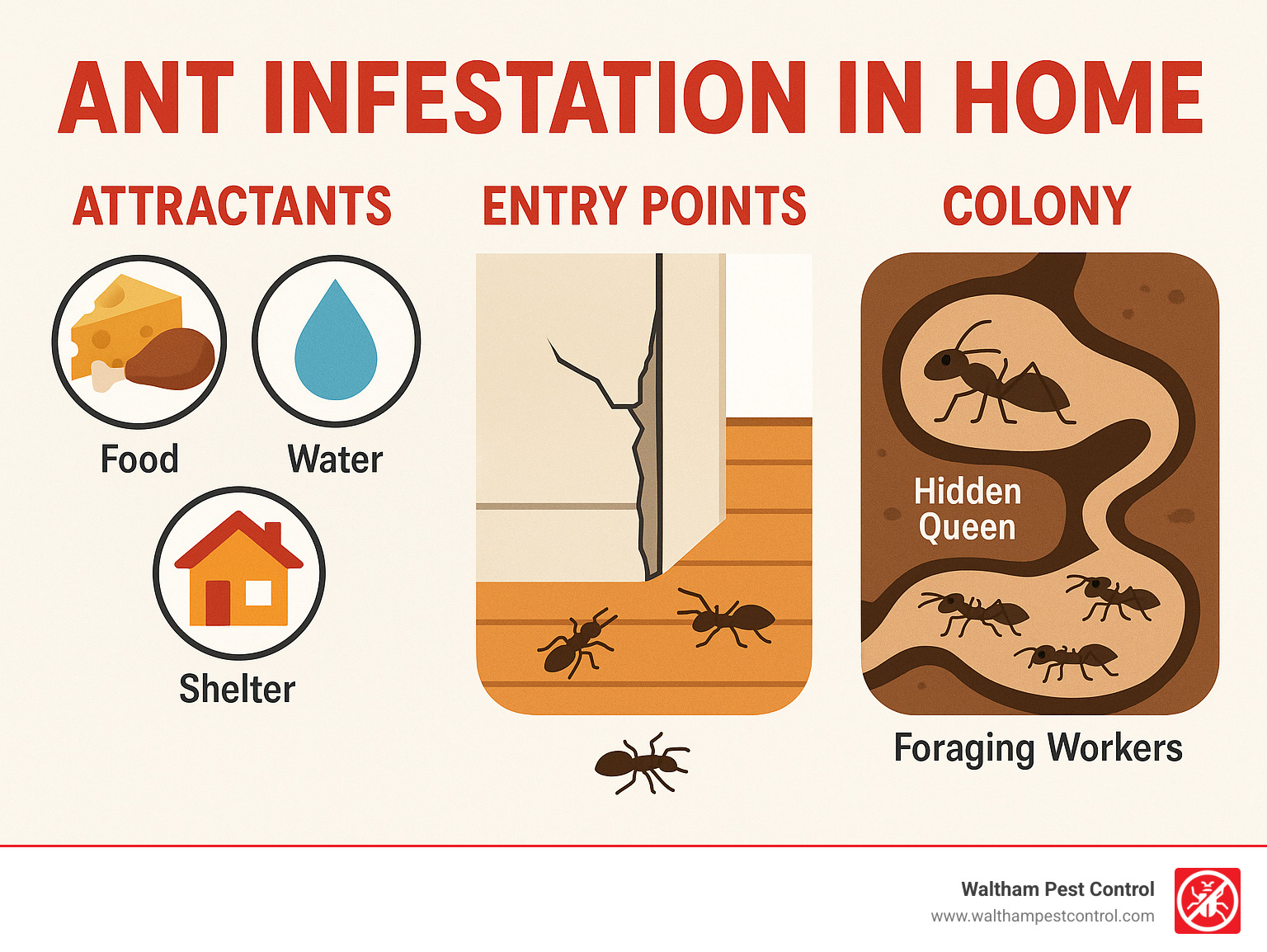
Scan Five Critical Vulnerability Zones
Begin your inspection where utilities penetrate your home’s exterior shell. Drop to your knees and examine pipe entries under sinks—particularly in kitchen and bathroom areas where moisture attracts ants. Test door thresholds by sliding a credit card underneath; if it fits, ants have a direct route inside. Run your fingers along window frames to detect deteriorated caulk that creates perfect entry channels. Check foundation cracks at soil level, especially after rain when gaps widen. Finally, inspect cable entry points where internet and electrical lines enter your walls.
Track Active Ant Highways Within Minutes
Ants establish visible trails between food sources and their nests within hours of discovery. Follow any single ant you spot—within 10-15 minutes, you’ll witness the full-scale operation. Look for consistent lines along baseboards, under cabinet edges, or across countertops where traffic has darkened the surface. Mark these routes with painter’s tape for precise treatment application. Pay special attention to corners where trails change direction, as these often connect to primary entry points.
Decode Hidden Entry Point Evidence
Different ant species leave distinct clues about their access routes. Fresh sawdust piles near wooden structures signal carpenter ants tunneling through structural timber. Tiny soil mounds along baseboards indicate pavement ants exploiting floor cracks. Grease-like trails on walls suggest pharaoh ants using electrical wiring as protected pathways. If you hear faint rustling in walls after dark, you’re likely dealing with an established carpenter ant colony requiring professional intervention.
Destroy Ant Scent Trails Completely
Break Chemical Communication Networks
Ants rely on invisible pheromone trails that persist for days after initial discovery. These chemical highways guide thousands of additional workers directly to your food sources. Wipe all surfaces along observed trails with hot, soapy water to disrupt this communication system. Focus on corners, edges, and transition points where trails change direction—these areas contain the strongest pheromone concentrations.
Apply Immediate Trail Neutralizers
Create a vinegar solution by mixing equal parts white vinegar and water in a spray bottle. This powerful pheromone disruptor works instantly on contact. Spray directly on active ants and saturate their entire travel path, paying special attention to areas where trails cross door thresholds or window sills. For wood surfaces, substitute lemon juice to avoid potential damage while maintaining effectiveness. Reapply every 12 hours for three consecutive days to ensure complete trail elimination.
Target Hidden Trail Systems
Ants frequently establish protected routes through wall voids and under appliances. Pull out your refrigerator and stove to access hidden trails behind these common ant highways. Remove outlet covers on walls showing ant activity and spray behind them where trails commonly pass through electrical boxes. These concealed areas often connect directly to the main colony, making them critical treatment zones.
Apply Natural Ant Elimination Methods
Create Cinnamon Defense Barriers
Ground cinnamon forms an effective, pet-safe barrier that disrupts ants’ chemical navigation. Sprinkle a continuous line along baseboards, window sills, and door thresholds where ants enter. Refresh every 48 hours, particularly after cleaning or in high-traffic areas. The strong scent masks food odors while confusing ants’ ability to follow pheromone trails.
Deploy Diatomaceous Earth Strategically
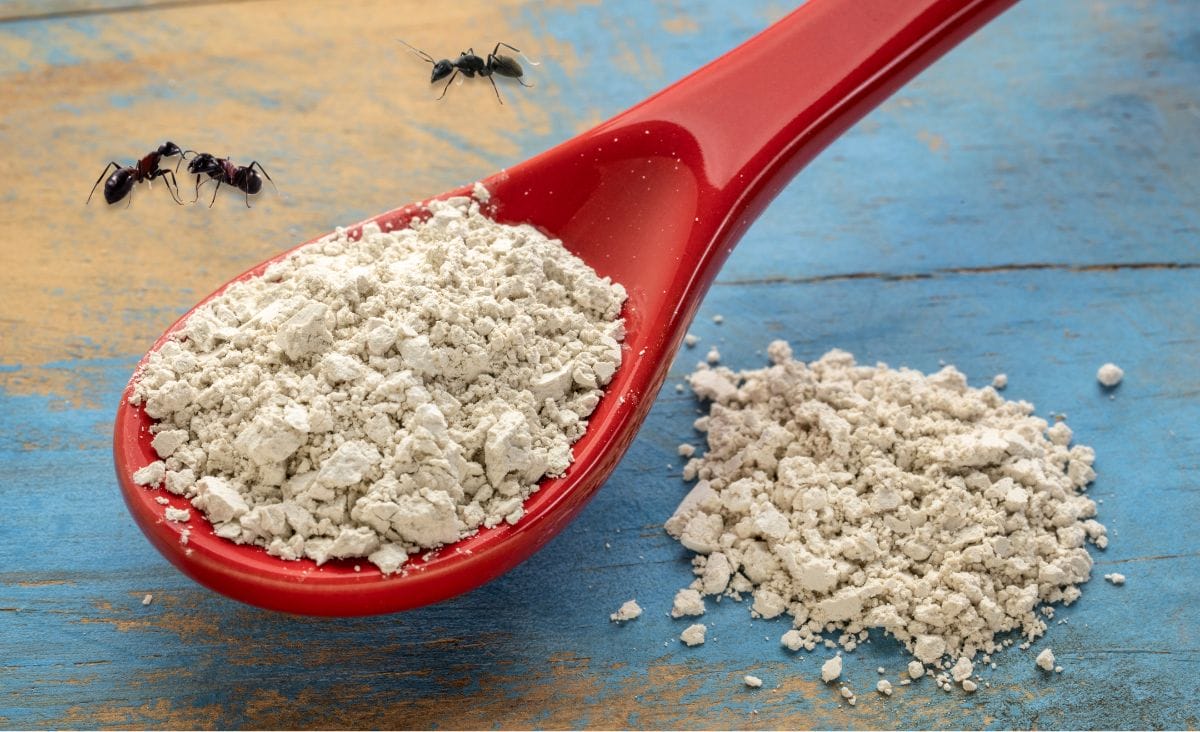
Food-grade diatomaceous earth works by creating microscopic cuts in ants’ protective exoskeletons. Apply a thin, barely visible layer using a bulb duster along ant trails, under appliances, and around pet food areas. Avoid creating noticeable piles—ants will simply walk around concentrated deposits. Reapply after vacuuming or if the layer becomes damp from spills or cleaning.
Implement Essential Oil Repellent Zones
Peppermint oil creates powerful ant deterrent zones that last several days. Mix 15 drops with one cup of water in a spray bottle and apply around entry points and potential nesting areas. For sensitive surfaces, substitute tea tree oil but test in an inconspicuous area first as it may cause staining. Refresh natural repellents every 2-3 days to maintain continuous protection against new invasions.
Build Effective Homemade Ant Baits
Construct Borax Sugar Bait Stations
Create a colony-eliminating solution using one part borax to three parts sugar. Place tiny amounts (pea-sized) on wax paper squares near ant trails but away from children and pets. The sugar attracts worker ants while borax works slowly, allowing time for poison distribution throughout the entire colony. Replace daily until ant activity ceases completely—typically within 7-10 days.
Establish Baking Soda Sweet Traps
For households with pets, mix equal parts baking soda and powdered sugar for a safer alternative. Place in shallow bottle caps along ant highways. Ants cannot distinguish between ingredients—the baking soda creates fatal gas buildup when digested. This method requires patience but eliminates colonies without harsh chemicals.
Customize Protein-Based Solutions
During spring and summer, carpenter ants prefer protein sources over sweets. Mix peanut butter with borax (1:1 ratio) and place in small containers near wood damage areas. Observe what food sources ants are currently carrying to determine their seasonal preferences—this intelligence ensures your bait matches their current dietary needs for maximum effectiveness.
Seal Home Against Ant Invasions Permanently
Repair Foundation Entry Points
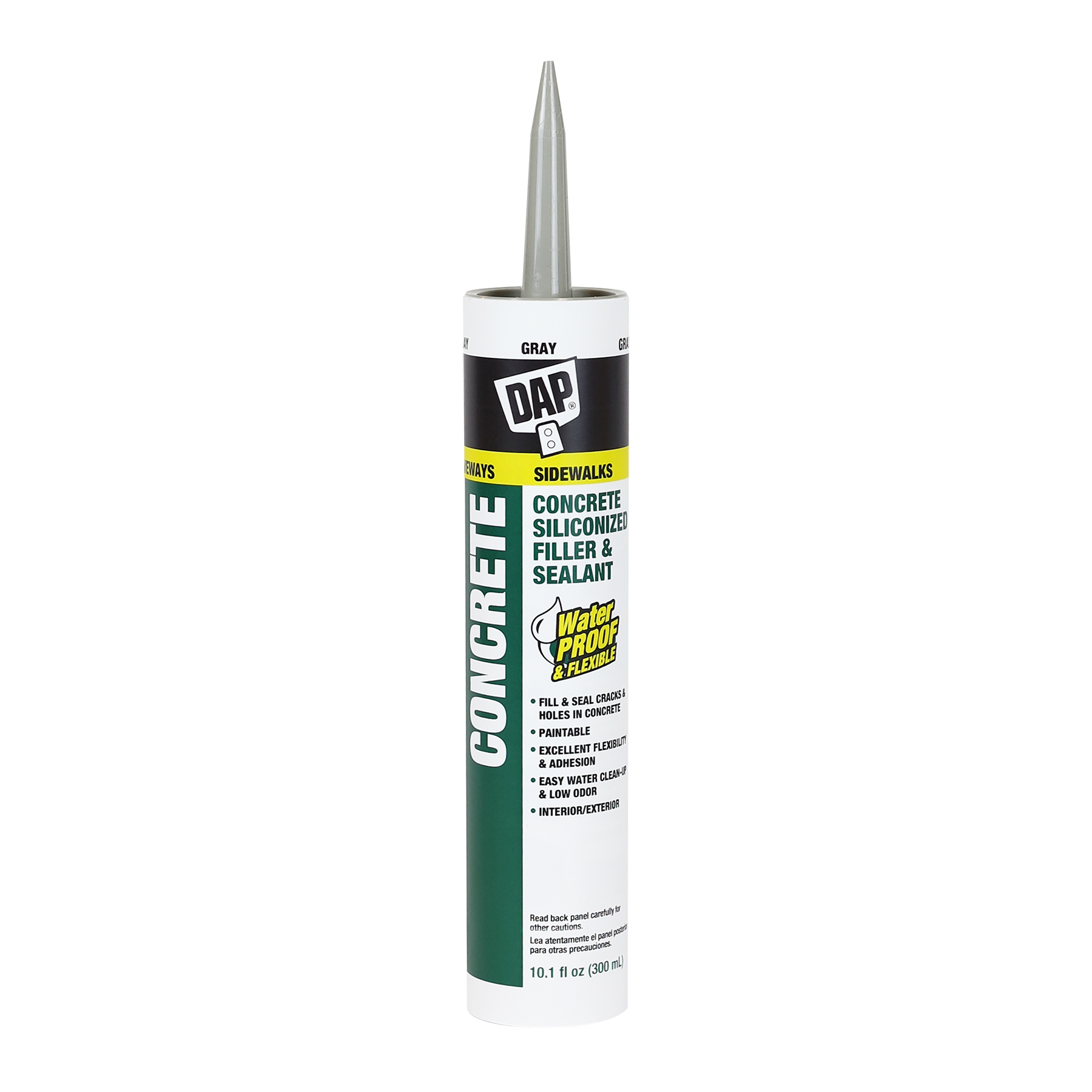
Inspect your home’s foundation during daylight when cracks are most visible. Use silicone caulk for gaps up to 1/4 inch—larger cracks require concrete patch compound. Focus on material transition points (brick to concrete, siding to foundation) where expansion and contraction create vulnerabilities. Apply caulk during dry weather for optimal adhesion and longevity.
Install Complete Weatherstripping Systems
Replace worn weatherstripping around all exterior doors with high-quality alternatives that create tight seals. Install door sweeps on garage and basement entries—frequently overlooked ant highways. Check thresholds by shining a flashlight underneath; if you see light, ants can enter. This single improvement can eliminate up to 60% of potential entry points.
Secure Window and Door Perimeters
Remove old, deteriorated caulk around window frames using a putty knife before applying new exterior-grade sealant. Pay special attention to upper floors—ants climb walls and enter through second-story windows more frequently than homeowners realize. Install fine mesh screens over weep holes in brick veneer to prevent hidden entry points.
Prevent Future Ant Invasions: Maintain a 2-foot vegetation-free zone around your foundation and store firewood at least 20 feet from your home. Empty trash daily using sealed containers and fix leaky faucets within 24 hours—ants need water more than food during dry periods. Schedule monthly inspections of previous infestation zones using sticky traps under appliances to catch new activity early.
Key Takeaway: Complete ant elimination requires targeting both visible workers and hidden colonies through a strategic combination of trail disruption, precise baiting, and permanent sealing. Start by identifying exact entry points and destroying scent trails, then deploy species-specific baits to eliminate the colony at its source. Seal all access routes while maintaining clean, dry conditions that discourage future invasions. Most common ant problems resolve within 2-3 weeks using these integrated approaches, but persistent carpenter ant activity showing structural damage requires professional intervention to prevent costly repairs. The most effective ant control strategy combines immediate action with year-round prevention—turning your home from an open buffet into an impenetrable fortress against these persistent invaders.