

Finding bees buzzing inside your house triggers instant panic for most homeowners. That unmistakable humming sound behind your walls or a cluster of insects hanging from your porch ceiling creates a race against time—you need to know how to remove bees from home before they establish a permanent residence. The urgency is real: what starts as a temporary swarm can transform into a full colony within days, making removal exponentially more difficult. This guide gives you the precise steps to identify whether you’re dealing with a passing swarm or an established colony, and exactly what to do next to solve the problem without causing structural damage or harming these vital pollinators.
Spot Swarm vs. Colony Fast
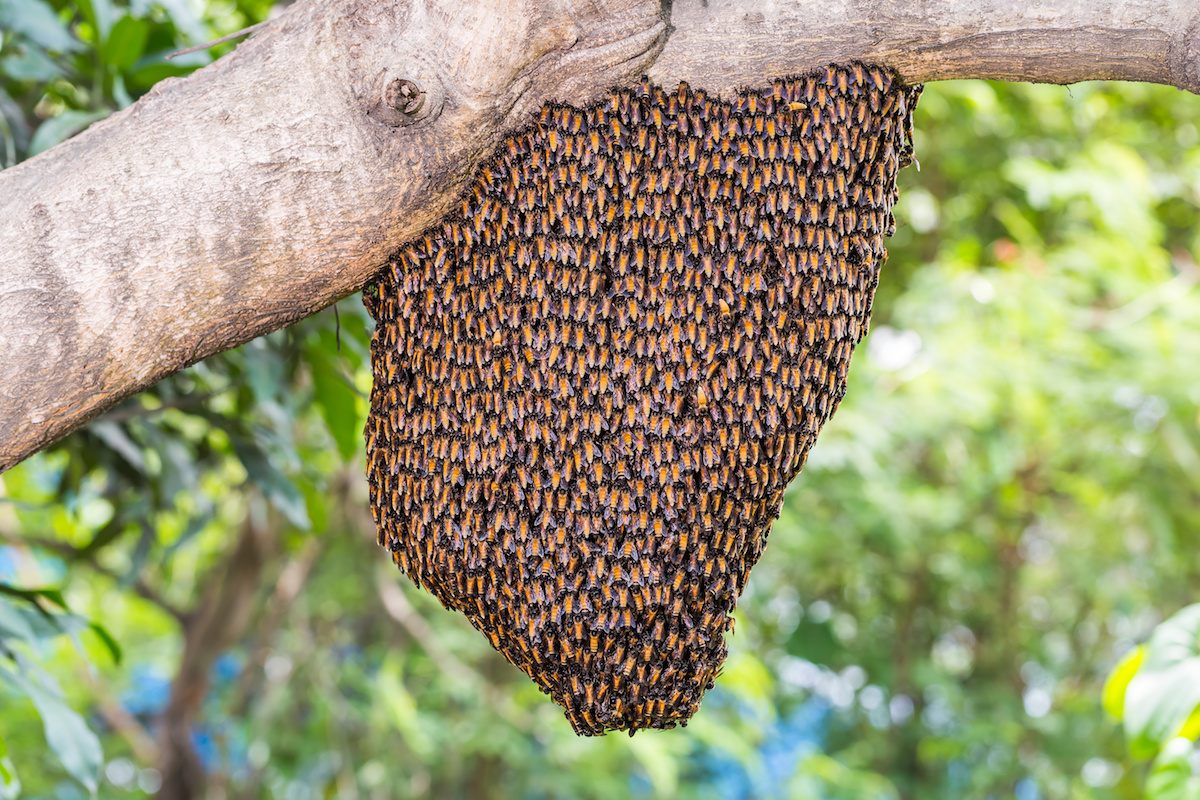
Swarm Cluster Characteristics
When you see a dense cluster of bees hanging from your fence or porch, your first instinct might be to call for emergency removal. But swarm clusters are typically harmless temporary gatherings that resolve themselves within hours to days. These fuzzy masses contain 5,000-20,000 bees who’ve left their original hive in search of a new home. They’re usually docile because they’re full of honey and have no brood or honey stores to defend.
Key signs you’re dealing with a swarm:
– Bees form a distinct football-shaped cluster on an exterior surface
– No continuous stream of bees entering your home
– Minimal defensive behavior when observed from a distance
– Cluster appears suddenly and wasn’t present yesterday
Established Colony Indicators
An established colony presents a completely different challenge when you need to remove bees from home. These bees have already moved inside your structure and are actively building comb. The most reliable indicator is consistent bee traffic—watch for a steady flow of bees entering and exiting the same small hole or crack in your building.
Critical red flags signaling an established colony:
– Bees carrying yellow pollen on their hind legs (indicating brood rearing)
– Persistent buzzing sounds coming from inside walls
– Bees entering roof eaves, soffits, or utility boxes
– Visible honeycomb through gaps in siding or trim
Find Bee Entry Points Quickly
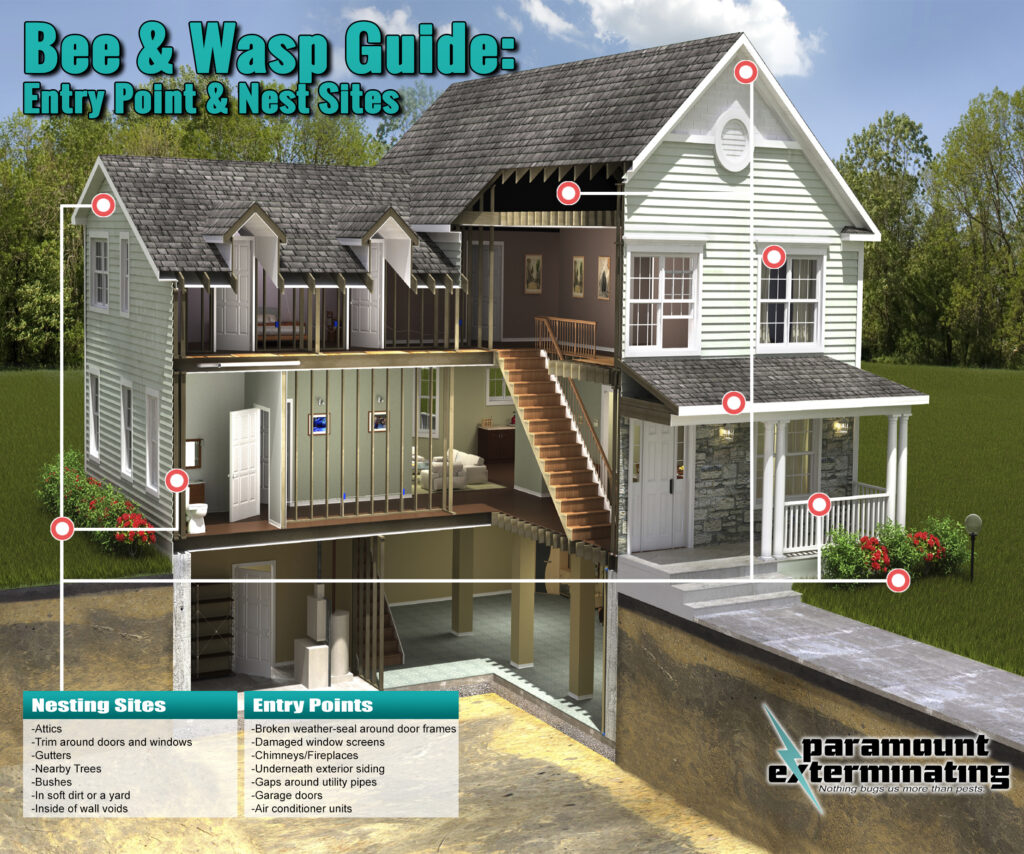
Daytime Observation Strategy
Pinpointing the exact entrance is crucial whether you’re trying to remove bees from home or prevent them from establishing. During sunny daylight hours, stand 10-15 feet from your house and watch bee flight patterns for 15 minutes. Bees fly in remarkably straight lines to and from their entrance, making their access point obvious once you identify the pattern.
Common entry locations to inspect:
– Gaps where siding meets foundation
– Unsealed utility line penetrations
– Cracks in brickwork or stucco
– Ventilation openings in soffits
– Chimney flashing gaps
– Water meter access panels
Nighttime Inspection Trick
After dark, use a flashlight to scan your home’s exterior for potential entry points. Any opening large enough to fit a pencil can become a bee highway. Mark suspicious spots with painter’s tape for daylight verification—this simple technique helps you target your removal efforts precisely.
Remove Swarm Clusters Safely
Professional Beekeeper Method
When you need to remove bees from home, swarm clusters are best handled by experienced beekeepers who can relocate the entire colony. These specialists arrive with ventilated boxes and protective gear, gently brushing the cluster into containers. They wait until nightfall when all bees have returned before sealing and transporting the box to a new apiary.
Why this approach works best:
– Beekeepers typically provide free swarm removal (they gain valuable colonies)
– Process takes just 1-2 hours with minimal disruption
– Bees get safely relocated to pollinate crops
– Eliminates risk of incomplete removal that attracts new swarms
DIY Prevention for New Arrivals
If you catch bees just beginning to investigate your home—before they’ve moved inside—act immediately to prevent colony establishment. Seal the entry point during evening when most foragers have returned using steel wool, expanding foam, or fine mesh. This traps any scout bees inside, causing them to die within 1-2 weeks without establishing a permanent colony.
Effective sealing techniques:
1. Identify the exact pencil-sized hole they’re investigating
2. Insert steel wool tightly into the opening
3. Cover with expanding foam or hardware cloth
4. Monitor for new activity around the sealed area for 48 hours
Evict Established Colonies
Professional Assessment First
Attempting to remove bees from home when they’ve established a colony requires professional expertise. Never seal living bees inside walls—that traps honey, brood, and dead bees that will ferment, leak through drywall, and create expensive damage. A qualified beekeeper or contractor will assess:
– Exact comb location and size using stethoscopes or thermal imaging
– Required wall access points
– Necessary structural modifications
– Comprehensive cleanup and sealing plan
Live Removal Process
The preferred method for established colonies involves carefully opening walls to extract bees and comb intact. Professionals create a precise access point, gently remove all comb and bees, then clean and seal the cavity. This preserves beneficial pollinators while solving your problem—typically taking 4-6 hours with minimal structural impact.
What happens during professional removal:
– Locating nest boundaries through careful inspection
– Creating surgical openings in walls or ceilings
– Transferring bees to new hives using specialized techniques
– Removing every trace of comb and honey
– Sealing all potential re-entry points permanently
Chemical Removal Risks
Pesticide treatments create bigger problems than they solve when you need to remove bees from home. Killing bees inside walls leads to rotting insects, fermenting honey that bursts through drywall, and lingering odors that attract new pests. The cleanup costs often exceed live removal expenses, making chemical solutions a false economy.
Prevent Future Bee Problems
Seal Every Entry Point Thoroughly
After successful removal, beeswax odor remains highly attractive to new swarms for years. Prevent reinfestation by sealing every potential entry point using appropriate materials:
Effective sealing materials by location:
– Exterior walls: Steel wool with expanding foam backing
– Vents and soffits: 6-mesh screening
– Gaps around pipes: Silicone caulk with foam backing
– Roof lines: Flashing repair and sealant
Ongoing Maintenance Plan
Schedule biannual inspections—spring and fall—to catch potential issues early. Focus on south-facing walls where bees prefer to nest, checking for damaged siding, loose trim, and deteriorating caulking around windows. Regular maintenance prevents the need to remove bees from home repeatedly.
Find Professional Help Fast
Locate Beekeepers Quickly
For swarm removal, search “beekeeper swarm removal [your city]” or contact:
– Local beekeeping associations
– County agricultural commissioner offices
– University extension services
For established colonies, expect to pay $200-800+ depending on complexity. Always ask if they perform live removal and cavity sealing—this ensures complete resolution when you need to remove bees from home.
Critical Questions to Ask Professionals
Before hiring anyone, clarify these essential points:
– Will you remove bees alive or kill them with pesticides?
– Who will open walls, remove combs, and repair the structure?
– Does the quote include complete cavity cleaning and sealing?
– What’s the total cost for everything from start to finish?
Stay Safe During Removal
Immediate Safety Steps
Never attempt to remove bees from home without proper protection—even docile swarms can become defensive when threatened. Keep children, pets, and neighbors away from the area. If bees are already inside living spaces, close doors to affected rooms and contact professionals immediately rather than risking stings.
Essential protective measures:
– Wear light-colored, smooth fabrics (bees target dark, fuzzy surfaces)
– Avoid perfumes or sweet-smelling products
– Move slowly and calmly near bee activity
– Never block their flight path or swat at them
Timing Matters for Safety
Swarm clusters are generally docile during spring when you need to remove bees from home, while established colonies become more defensive when protecting brood. Africanized honey bees require extra caution year-round due to their unpredictable behavior—always assume you’re dealing with these more aggressive bees unless confirmed otherwise.
Removing bees from home successfully hinges on accurate identification and timely action. Swarm clusters typically resolve themselves within days and often just need monitoring, while established colonies demand professional intervention to prevent costly damage. By understanding the specific situation you’re facing and taking appropriate action—whether sealing entry points early or bringing in experts for established colonies—you can solve the problem without harming beneficial pollinators or creating bigger headaches. The most effective approach combines immediate swarm management with thorough prevention measures to ensure bees don’t become a recurring problem in your home.



