That sharp, shooting pain radiating from your lower back down your leg isn’t just discomfort—it’s sciatica disrupting your daily life. Whether you’re struggling to sit through work meetings or finding it impossible to get comfortable at night, you’re not alone. Over 40% of people experience sciatica at some point, but here’s the good news: most cases respond beautifully to proper home treatment. This guide delivers proven methods to ease your pain naturally, strengthen your back, and prevent future flare-ups—all without leaving your house.
Confirm Your Sciatica Symptoms First
Before implementing treatment strategies, verify you’re dealing with true sciatica. The hallmark sign? Pain starting in your lower back or buttock that travels down one leg, often accompanied by tingling, numbness, or weakness. Perform this simple self-check: lie flat on your back and slowly raise your affected leg. If pain shoots down your leg between 30-70 degrees of elevation, you’re likely experiencing sciatic nerve compression. This confirmation step prevents wasting time on treatments for unrelated back pain.
Recognize Common Sciatica Triggers
Identify what’s aggravating your condition to avoid worsening symptoms. Prolonged sitting with poor posture, improper lifting techniques, sleeping on unsupportive mattresses, and sudden twisting motions frequently trigger sciatic pain. Notice if specific activities like driving long distances or sitting at your desk increase discomfort. Keeping a pain journal for 48 hours helps pinpoint your personal triggers, allowing you to modify behaviors immediately.
Implement Targeted Pain Relief Protocols

First 72 Hours: Strategic Ice Application
During the acute phase, ice therapy reduces inflammation effectively. Wrap a gel ice pack in a thin towel and apply it to your lower back for 15-20 minutes. Repeat every 2-3 hours while awake, but never place ice directly on skin to prevent ice burns. For optimal results, combine ice therapy with gentle movement—take short walks around your home every hour rather than remaining sedentary. This approach reduces swelling while maintaining circulation.
Heat Therapy After Day 3
Once initial inflammation subsides, switch to heat therapy for muscle relaxation. Use a heating pad set to warm (not hot) for 15-20 minutes, 2-3 times daily. This increases blood flow to the affected area, delivering oxygen and nutrients that support healing. For enhanced relief, add 2 cups of Epsom salt to a warm bath and soak for 20 minutes before bed. The magnesium in Epsom salt naturally relaxes muscles and reduces nerve pain.
Smart Alternating Method for Lasting Relief
After the initial 72-hour period, combine both therapies for maximum benefit: alternate 3-4 minutes of heat followed by 1 minute of cold, repeating the cycle 3 times. This pump-like action increases circulation while reducing inflammation. Always end with cold therapy to prevent rebound swelling. This technique works particularly well for chronic sciatica sufferers experiencing recurring flare-ups.
Execute Precision Stretching Techniques
Morning Bed Stretches for Immediate Relief
Begin your day with gentle movements before getting up. While lying on your back, bring one knee toward your chest and hold for 30 seconds. Switch legs and repeat 3 times. This simple knee-to-chest stretch decompresses your spine and provides immediate relief. Follow with ankle circles in both directions to stimulate nerve pathways and reduce morning stiffness.
Piriformis Muscle Release Protocol
The piriformis muscle deep in your buttock often compresses the sciatic nerve. Lie on your back, cross the affected leg over your opposite knee, and gently pull the uncrossed leg toward your chest. Hold for 30 seconds while breathing deeply. Perform 3 repetitions, 2-3 times daily. When done correctly, you’ll feel a stretch in your buttock—not your lower back—which means you’re targeting the right spot.
Standing Desk Stretches for Workday Relief
Combat sitting-related sciatica with these workplace-friendly moves. Every hour, stand and perform a gentle backbend by placing your hands on your lower back and arching slightly. Hold for 10 seconds while keeping your chin parallel to the floor. Follow with hip circles—10 in each direction—to lubricate stiff joints. These micro-breaks prevent pain from building throughout your workday.
Build Core Strength Without Strain

Safe Core Activation for Beginners
Once acute pain subsides, strengthen your core to prevent recurrence. Start with pelvic tilts: lie on your back with knees bent, tighten your abdominal muscles, and press your lower back into the floor. Hold for 5 seconds, then release. Build up to 15 repetitions, 2-3 sets daily. This gentle movement activates deep core muscles without straining your back—crucial for proper spinal support.
Bridge Exercise Progression Plan
Advance to bridge exercises when pelvic tilts become pain-free. From the same starting position, lift your hips off the floor, creating a straight line from knees to shoulders. Hold for 5-10 seconds, focusing on glute activation rather than back arching. Lower slowly and repeat 10-15 times. This movement strengthens your posterior chain while decompressing the spine—essential for long-term sciatica prevention.
Walking Program for Nerve Health
Walking is medicine for sciatica, but technique matters. Start with 5-10 minutes on flat surfaces, maintaining upright posture with shoulders back. Increase by 5 minutes weekly until reaching 30 minutes daily. Land softly on your heels and roll through your feet. Proper walking technique improves circulation to nerve tissue while strengthening supporting muscles—key to resolving sciatic pain at home.
Optimize Your Posture Instantly
Sitting Modifications for Immediate Relief
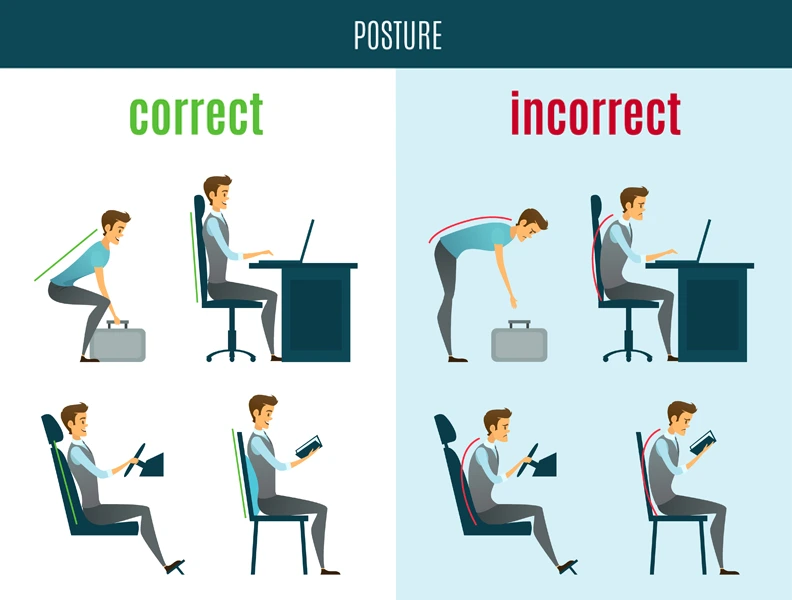
Transform any chair into a sciatica-friendly seat. Sit with feet flat on the floor, knees at 90 degrees, and your back against the chair. Place a lumbar support cushion or rolled towel in your lower back’s natural curve. Set phone reminders to stand every 30-45 minutes—even brief standing breaks prevent nerve compression. Proper sitting posture reduces pressure on the sciatic nerve by up to 40%.
Sleep Position Adjustments
Your mattress might be sabotaging recovery. Sleep on your side with a pillow between your knees to maintain spinal alignment. If you prefer back sleeping, place a pillow under your knees to reduce lower back strain. Avoid stomach sleeping—it hyperextends your spine and compresses nerves. Medium-firm mattresses provide optimal support for sciatica sufferers during critical healing hours.
Deploy Natural Anti-Inflammatory Solutions
Turmeric Power Protocol
Harness turmeric’s anti-inflammatory properties by taking 500mg with black pepper 2-3 times daily. The piperine in black pepper increases absorption by 2000%. Expect noticeable pain reduction within 4-8 weeks of consistent use. Mix turmeric powder into warm milk with honey for a soothing nighttime drink that combats inflammation while you sleep.
Magnesium Supplementation Strategy
Address magnesium deficiency that contributes to muscle tension. Take 400-600mg of magnesium glycinate or citrate at bedtime. These forms absorb better with fewer digestive issues. Within 2 weeks, you’ll notice improved sleep quality and reduced muscle cramping. Epsom salt foot soaks provide additional magnesium absorption—perfect for evening relaxation.
Smart Medication Use at Home
NSAID Strategy for Pain Control
When natural remedies aren’t enough, use ibuprofen (200-400mg every 4-6 hours) strategically to break the pain cycle. Always take NSAIDs with food to protect your stomach. Limit use to 10 days maximum without medical supervision. Alternate with acetaminophen (325-650mg every 4-6 hours) if you have stomach sensitivity—this approach minimizes medication risks while controlling pain.
Topical Pain Relief Application
Apply menthol or capsaicin creams 3-4 times daily to the painful area. These create a cooling or warming sensation that distracts from deeper pain. Wash hands thoroughly after application to avoid accidental eye contact. Start with lower concentrations—capsaicin can cause an intense burning sensation initially—but builds effectiveness with consistent use over 1-2 weeks.
Daily Routine for Maximum Results
Begin each morning with 5 minutes of gentle stretching in bed before getting up. Apply heat to your lower back while preparing for the day. Set hourly reminders to stand, stretch, or walk for 2-3 minutes. Drink 8-10 glasses of water throughout the day to keep spinal discs hydrated. In the evening, take a warm Epsom salt bath followed by gentle stretching. Apply your essential oil blend or topical analgesic before bed. Use proper sleeping positions with adequate pillow support to ensure overnight healing.
Prevention Strategies That Work Long-Term
Incorporate these daily habits to prevent recurrence: maintain regular core strengthening (3-4 weekly sessions), practice proper lifting techniques (bend knees, keep objects close), take micro-breaks every 20-30 minutes during prolonged sitting, and manage stress through relaxation techniques. Adjust your workstation—position your computer screen at eye level and consider a sit-stand desk. Remember: consistency with these small changes delivers better results than occasional intensive efforts for how to treat sciatica pain at home effectively.
When to Seek Professional Help
Call your doctor immediately if you experience sudden severe pain with weakness in both legs, numbness in your groin area, loss of bladder or bowel control, fever accompanying back pain, or progressive neurological symptoms. These could indicate serious conditions requiring immediate medical intervention. For most cases, however, diligent home treatment resolves sciatica pain within 6-12 weeks.
Your journey to pain-free living begins today with these evidence-based home treatments. Start with one or two techniques from each section rather than implementing everything at once. Track your progress in a simple journal, noting pain levels morning and evening. Most importantly, stay consistent—even 15 minutes daily of targeted exercises yields better results than sporadic hour-long sessions. With patience and the right approach, you can successfully treat sciatica pain at home and reclaim your active life.