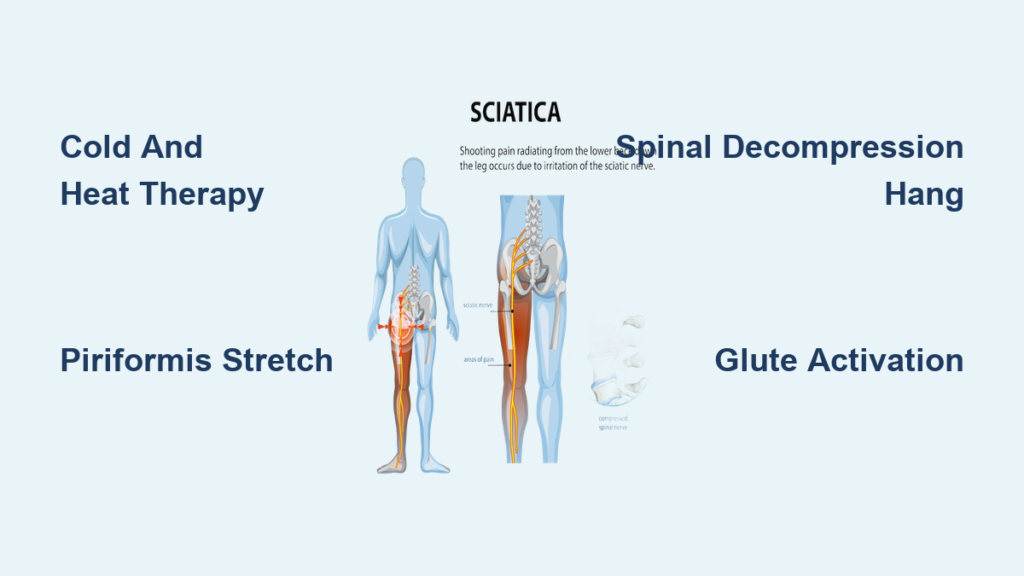
That sharp, shooting pain radiating down your leg isn’t just inconvenient—it’s disrupting your sleep, work, and daily activities. When sciatica strikes, even simple movements like standing up from a chair or bending to tie your shoes become painful challenges. The good news? You can fix sciatica pain at home in most cases without expensive treatments or medications. Research shows 80-90% of people recover with proper self-care within 4-6 weeks. You’ll discover exactly which stretches provide instant relief, how to position yourself for pain-free sleep, and the specific exercises that prevent future flare-ups—no special equipment required.
Identify Your Sciatica: Common Causes and Pain Patterns
Sciatica isn’t a condition itself but a symptom of underlying nerve compression. The telltale sign is pain traveling from your lower back through your buttock and down the back of one leg—never both legs simultaneously. You’ll likely experience this distinctive nerve pathway pain as a constant ache, burning sensation, or sharp electric shock that intensifies when sitting, coughing, or sneezing. Tingling, numbness, or muscle weakness in your foot or calf often accompanies the pain.
The primary culprit is usually a herniated disc pressing directly on your sciatic nerve root. Less commonly, bone spurs from arthritis, spinal stenosis (narrowing of the spinal canal), or piriformis syndrome (when your deep hip muscle spasms around the nerve) trigger identical symptoms. If your pain affects both legs or comes with bowel/bladder issues, seek immediate medical attention—this indicates a more serious condition.
Why Your Herniated Disc Is Triggering Leg Pain
When a spinal disc’s soft inner material pushes through a tear in its tougher exterior, it can press directly on the sciatic nerve root. This compression causes inflammation and disrupts normal nerve signaling, creating that unmistakable radiating pain. You’ll typically feel this most intensely when sitting or bending forward, as these positions increase pressure on the affected disc. The specific location of your leg pain (calf, foot, or thigh) reveals which spinal level is affected—L4, L5, or S1 nerve roots.
Piriformis Syndrome vs. True Sciatica: Key Differences
Piriformis syndrome mimics sciatica but has a different cause. Instead of spinal compression, your deep hip muscle (piriformis) spasms and traps the sciatic nerve as it passes through your buttock. You’ll notice pain primarily in your buttock that worsens when climbing stairs, running, or sitting on hard surfaces. Unlike true sciatica, piriformis-related pain rarely extends below your knee. Try this test: while lying down, have someone gently rotate your affected leg inward—if this recreates your symptoms, piriformis syndrome is likely the culprit.
15-Minute Sciatica Pain Relief: Home Treatments That Work Now
When sciatica pain strikes, you need fast relief. These evidence-based methods target the root cause of your discomfort, reducing nerve compression and inflammation within minutes. Most people experience noticeable improvement after just one session, making them essential tools in your home pain management kit.
Cold and Heat Therapy Sequence for Immediate Results

For acute flare-ups (first 48-72 hours), apply cold therapy to reduce inflammation. Wrap ice in a thin towel and place it on your lower back for 15 minutes every 2 hours. Never apply ice directly to skin—this can cause tissue damage. After the initial inflammation subsides, switch to heat therapy using a heating pad on low setting for 15-20 minutes. Many patients achieve optimal relief by alternating: 15 minutes cold followed by 15 minutes heat, repeated 2-3 times. You’ll know it’s working when the sharp, electric quality of your pain softens to a dull ache.
OTC Medication Guidelines for Nerve Inflammation
NSAIDs like ibuprofen (400mg every 6 hours) effectively reduce nerve inflammation when taken consistently for 3-5 days. Take with food to prevent stomach irritation. If NSAIDs aren’t an option, acetaminophen (1000mg every 8 hours) provides pain relief without addressing inflammation. For targeted nerve pain, consider adding magnesium glycinate (400mg daily)—this mineral helps calm overactive nerves. Stop all medications if pain persists beyond one week, as prolonged use masks symptoms without addressing the underlying cause.
Optimal Rest Positions That Actually Help Recovery
Avoid complete bed rest—it stiffens muscles and prolongs recovery. Instead, use these strategic positions:
– Side sleeping: Place a pillow between your knees to align your spine
– Back sleeping: Bend knees with a pillow underneath for lumbar support
– Sitting: Use a lumbar roll and keep feet flat on the floor
– Standing: Shift weight between legs every 5 minutes
Set phone alarms to move every 30 minutes—this prevents prolonged nerve compression. You’ll notice significant improvement when you maintain these positions consistently for 2-3 days.
Targeted Sciatica Stretching: 3 Moves for Instant Relief
Specific stretches decompress the sciatic nerve pathway faster than general exercise. These three movements target common compression points, providing noticeable relief within minutes when performed correctly. Do them gently 2-3 times daily, especially after prolonged sitting.
Piriformis Muscle Release for Buttock Pain
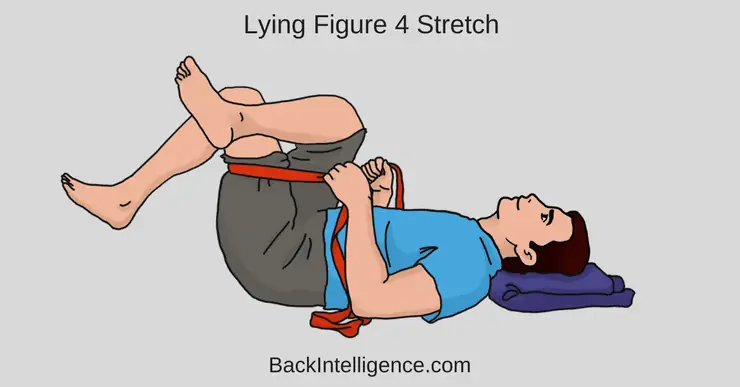
Lie on your back with knees bent. Cross your affected leg over the opposite knee (creating a figure-four position). Gently pull your uncrossed thigh toward your chest until you feel a deep stretch in your buttock—not sharp pain. Hold for 20 seconds, then release slowly. Repeat 3 times. You’ll know you’ve found the right spot when the tension in your buttock releases and your leg feels longer. This stretch directly targets the muscle most commonly compressing the sciatic nerve.
Spinal Decompression Hang for Disc Pressure
Find a sturdy pull-up bar or doorframe. Grip with both hands shoulder-width apart and gently hang with arms extended for 30 seconds. Allow your spine to lengthen naturally—don’t force it. If full hanging is too intense, stand on a stool and let only 20-30% of your weight hang. Repeat 3 times. Look for these visual cues: your shoulders should drop away from your ears, and your lower back should feel less compressed. This creates space between vertebrae, relieving pressure on herniated discs.
Daily Strengthening Exercises That Prevent Sciatica Flare-Ups
Weak core and glute muscles allow excessive spinal movement that aggravates sciatica. These targeted exercises rebuild the muscular support system around your spine, preventing future episodes. Start with 2 sets of 10 repetitions daily, gradually increasing as pain decreases.
Glute Activation Protocol for Spinal Support

Clamshells: Lie on your side with knees bent 45 degrees. Keeping feet together, lift your top knee as high as possible without rolling your hips back. Hold 2 seconds, lower slowly. Complete 15 reps per side. Pro tip: Place a resistance band above your knees for added challenge as you improve.
Single-leg bridges: From your back with knees bent, lift one foot off the ground. Press through your heel to raise your hips until your body forms a straight line from shoulders to knee. Hold 5 seconds, lower slowly. Do 10 reps per leg. Check your form: Your hips shouldn’t sag to the side during the movement.
Red Flags: When Home Treatment Isn’t Enough
While most sciatica resolves with home care, certain symptoms require immediate professional attention. Recognizing these warning signs prevents serious complications.
Emergency Symptoms Requiring Immediate Medical Attention
Seek emergency care if you experience:
– Sudden loss of bladder or bowel control
– Numbness in your inner thighs, back of legs, or groin (saddle anesthesia)
– Progressive leg weakness making it difficult to lift your foot
– Severe pain following trauma like a fall or car accident
These indicate cauda equina syndrome or severe nerve compression requiring urgent intervention. Don’t wait—these conditions can cause permanent damage within 48 hours.
4-Week Sciatica Recovery Plan: Timeline for Pain-Free Living
Most people fix sciatica pain at home within 30 days when following this phased approach. Track your progress weekly to stay motivated and adjust as needed.
Weekly Progression Guide from Acute to Maintenance Phase
Week 1: Focus on pain reduction—apply cold/heat therapy 4x daily, perform gentle stretches every 2 hours, and take short 5-minute walks hourly. Expect 20-30% improvement.
Week 2: Introduce strengthening—add 2 sets of clamshells and bridges daily, increase walking to 10 minutes 3x daily. Pain should decrease 50-60%.
Week 3: Build endurance—perform 3 sets of all exercises, walk 20 minutes daily, add yoga poses like child’s pose. Most daily activities should be pain-free.
Week 4: Prevent recurrence—incorporate core work into your routine 3x weekly, maintain proper posture during all activities, and continue stretching daily. You’ve successfully fixed your sciatica pain at home.
By consistently applying these targeted methods, you’ll not only fix sciatica pain at home but build resilience against future episodes. The key is recognizing early warning signs and addressing them immediately—before minor discomfort becomes debilitating pain. Within 4 weeks of dedicated home treatment, most people return to normal activities without restrictions. Start today with just the first 15-minute pain relief sequence, and you’ll feel the difference immediately.